

Soybean Farming
Soybean farmers manage large acreage with seasonal planting, scouting, spraying, irrigation and harvest cycles. Specialists turn soil and weather data into planting schedules, field observations into spray and fertilizer plans, harvest data into storage and sales decisions, and all records into compliance paperwork. Crop rotation, equipment maintenance, seed variety selection and grain marketing stay with the grower.
What makes this business different
- Precise planting windows driven by soil temperature, moisture and weather forecasts
- Field-by-field scouting for weeds, insects, disease and nutrient levels throughout the season
- Variable-rate application of seed, fertilizer, herbicide and pesticide based on soil tests and maps
- Grain storage, drying, moisture testing and quality sampling before sale
- Equipment maintenance logs, fuel usage, repair parts inventory and safety checks
- Federal and state pesticide applicator records, nutrient management plans, crop insurance and USDA reporting
- Crop rotation history, cover crop planting and soil health tracking across years
- Forward contracts, basis pricing and delivery windows to elevators or processors
Specialist bots

Planting Coordinator
Turn soil tests, weather forecasts and field history into a precise planting schedule and equipment checklist.
Works in: Ambitious Sheets, Ambitious Tasks, Process Optimizer · Workflows: Planting preparation and scheduling
Automates
- Pulls soil test data and rotation history
- Checks weather and soil temperature forecasts
- Builds day-by-day planting order by field
- Generates equipment prep tasks and parts lists
Stops for a person
- The grower approves final variety choices and planting dates
- A person confirms equipment is mechanically ready
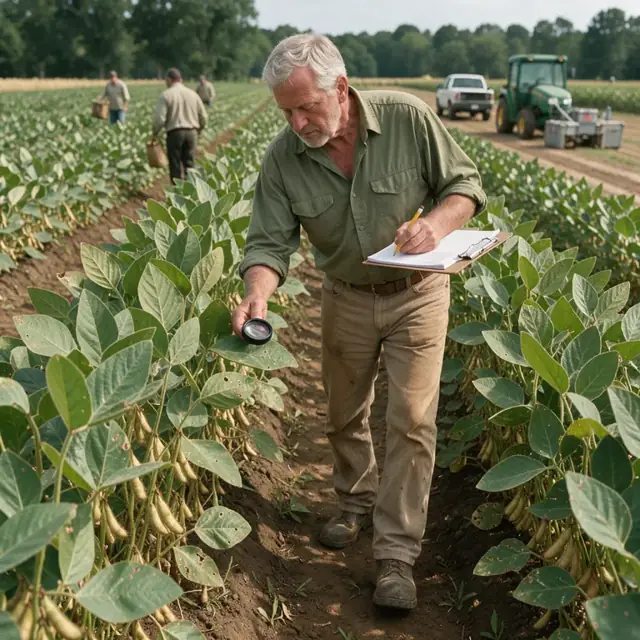
Field Scout Analyst
Convert weekly field observations into treatment recommendations and variable-rate maps.
Works in: Ambitious Sheets, Ambitious Tasks, Ambitious Docs · Workflows: In-season field scouting and observations
Automates
- Organizes scouting routes by growth stage
- Compares pest counts to economic thresholds
- Drafts prescription maps from observations
- Tags photos to specific field coordinates
Stops for a person
- The grower walks flagged problem areas before treatment
- A licensed applicator reviews all spray recommendations
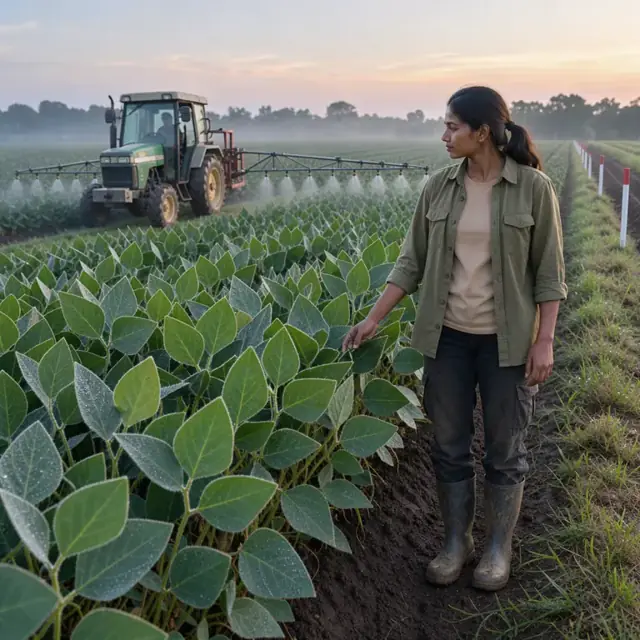
Application Planner
Build accurate variable-rate prescriptions and regulatory application records from scouting data.
Works in: Ambitious Sheets, Ambitious Docs, Process Optimizer · Workflows: Crop input application planning
Automates
- Creates prescription maps from scouting and soil data
- Calculates exact product quantities per field
- Generates required regulatory record forms
- Checks weather windows for safe application
Stops for a person
- A certified applicator confirms rates and buffers
- The owner approves all input purchases and applications

Harvest Manager
Turn moisture readings and yield estimates into harvest sequence, drying and storage plans.
Works in: Ambitious Tasks, Ambitious Sheets · Workflows: Harvest planning and execution
Automates
- Tracks daily moisture samples by field
- Builds harvest order and equipment assignments
- Plans bin filling, drying and aeration schedules
- Creates quality testing and sampling tasks
Stops for a person
- The grower decides final harvest start dates
- A person performs all grain quality sampling and bin entries
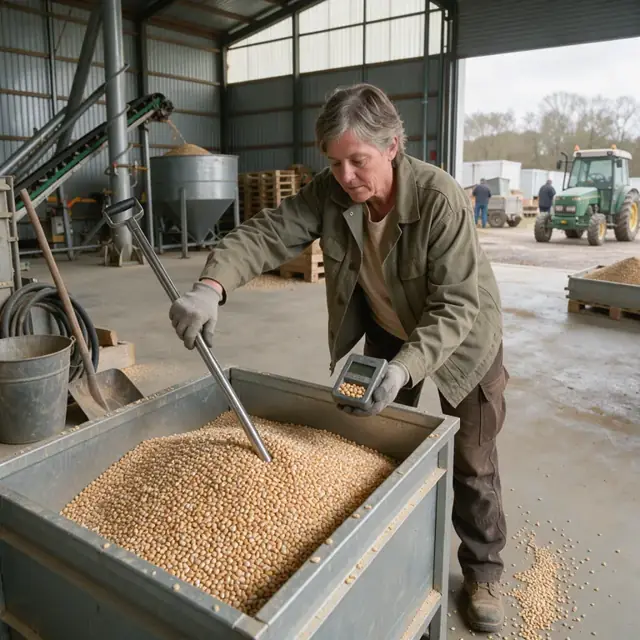
Grain Marketing Specialist
Track storage inventory, quality data and market prices to draft sales and delivery schedules.
Works in: Ambitious Sheets, Ambitious Docs, Email Buckets · Workflows: Grain storage, marketing and sales
Automates
- Maintains bin-by-bin inventory with quality metrics
- Monitors futures and basis prices daily
- Drafts contract offers and delivery appointments
- Calculates shrinkage and drying costs
Stops for a person
- The owner approves every sale and contract
- A person signs and sends all sales confirmations

Compliance and Records Clerk
Organize all field operations into complete regulatory reports, insurance documents and permit records.
Works in: Ambitious Docs, Ambitious Sheets, Ambitious Tasks · Workflows: Regulatory compliance and reporting
Automates
- Compiles spray and planting records by field
- Prepares acreage and production reports
- Tracks license and reporting deadlines
- Maintains multi-year soil and nutrient histories
Stops for a person
- The grower reviews and signs all submitted forms
- People confirm accuracy before filing with agencies

Equipment Maintenance Coordinator
Maintain service schedules, parts inventory and usage logs for all tractors, implements and vehicles.
Works in: Ambitious Sheets, Ambitious Tasks, Ambitious Docs · Workflows: Equipment and asset maintenance
Automates
- Builds seasonal maintenance checklists by machine
- Tracks fluid, filter and fuel consumption
- Orders parts before peak seasons
- Logs all repairs with meter hours
Stops for a person
- A mechanic performs all actual repairs
- The owner approves parts purchases and major repairs
Workflows
Planting preparation and scheduling
Starts when: Early spring or when soil reaches target temperature
- Pull latest soil test results and field maps by variety needs
- Check 10-day weather forecast and soil moisture readings
- Draft planting schedule by field, variety, seeding rate and target date
- Generate equipment readiness checklist for planters, tractors and seed tenders
- Create tasks for seed, inoculant and starter fertilizer ordering
Watch for: Planting must occur within narrow soil temperature and weather windows; Variety selection must match rotation history and disease pressure
In-season field scouting and observations
Starts when: Weekly from emergence through pod fill or when alerts trigger
- Assign scouting routes by field priority and growth stage
- Record observations on weed pressure, insect counts, disease symptoms and stand counts
- Compare findings against economic thresholds for treatment
- Draft variable-rate application maps for any needed inputs
- Log all observations with GPS-tagged photos in the master field sheet
Watch for: Scouting must identify pests before economic damage occurs; Thresholds change by growth stage and local conditions
Crop input application planning
Starts when: After scouting reports or at key growth stages
- Review scouting data and soil moisture levels
- Build variable-rate prescription maps for fertilizer, herbicide or fungicide
- Check pesticide applicator license status and restricted use records
- Schedule application equipment and weather windows
- Draft regulatory recordkeeping forms for each product applied
Watch for: Applications must follow label rates, buffers and weather restrictions; Records must be kept for multiple years for audits
Harvest planning and execution
Starts when: When moisture levels reach target range
- Monitor moisture samples from each field daily
- Draft harvest sequence by field dry-down, yield potential and elevator delivery slots
- Generate equipment maintenance checklist for combines, grain carts and trucks
- Create bin and dryer capacity plan with aeration schedules
- Draft grain sample and quality testing protocol
Watch for: Soybeans must be harvested at proper moisture to avoid dockage or damage; Storage must prevent spoilage with proper aeration and temperature monitoring
Grain storage, marketing and sales
Starts when: Post-harvest and on monthly cadence
- Log test weight, moisture and quality results by bin or field
- Track current basis, futures prices and forward contract positions
- Draft sales offers and delivery schedules to buyers
- Update inventory sheets with drying, shrinkage and movement
- Generate monthly storage and condition reports
Watch for: Marketing decisions balance cash flow, storage capacity and price targets; All movements and sales require accurate scale tickets and quality records
Regulatory compliance and reporting
Starts when: After each field operation and on filing deadlines
- Compile spray, fertilizer and planting records by field and date
- Update nutrient management and soil health documentation
- Draft crop insurance acreage reports and production history
- Prepare USDA Farm Service Agency forms and certification data
- Flag upcoming license, permit or reporting deadlines
Watch for: Rules vary by state for pesticide reporting and nutrient plans; All applications and plantings must be documented before deadlines
Equipment and asset maintenance
Starts when: Before seasonal use, after use and on meter intervals
- Pull maintenance history by tractor, planter, combine and sprayer
- Create seasonal readiness checklists with parts and fluid needs
- Track fuel, oil and filter usage across all equipment
- Schedule repairs and order parts before peak seasons
- Log all work performed with dates, hours and costs
Watch for: Downtime during planting or harvest windows is extremely costly; Preventive maintenance must be documented for warranty and insurance
Bot templates for this industry
- Soybean Farming (7 bots)
Source: U.S. Small Business Administration, Office of Size Standards, Table of Small Business Size Standards Matched to North American Industry Classification System Codes, version March 2023 (effective 2023-03-17, NAICS 2022). Size standards are shown for reference only.