

Oilseed (except Soybean) Farming
Oilseed (except soybean) farms grow, harvest, store and sell crops such as sunflower, canola, flax, safflower and mustard. Specialists turn planting schedules and seed orders into field maps and input plans, convert weather and crop reports into harvest timing and equipment dispatch, and turn harvest data into storage assignments, quality tests and sales offers. Crop rotation, pest scouting, moisture testing and seed-cleaning records stay with the grower.
What makes this business different
- Crop-specific planting dates, seeding rates, row spacing and fertility needs that vary by field history and rotation cycle
- Seasonal windows for tillage, planting, spraying, scouting and harvest driven by weather, soil temperature and crop maturity
- Management of multiple oilseed varieties with different harvest dates, drying requirements and storage tolerances
- Field equipment including planters, sprayers, combines, grain carts and trucks that must be readied, fueled and moved between distant fields
- On-farm storage bins with aeration, temperature cables and moisture monitoring to prevent spoilage before sale
- Federal and state pesticide applicator records, nutrient management plans, buffer-strip documentation and crop insurance reporting
- Contracts with crushers, exporters or cooperatives that specify grade, oil content, test weight and delivery windows
- Recurring soil sampling, tissue testing and yield mapping to guide next season's variable-rate applications
Specialist bots

Planting Planner
Turn soil tests, rotation rules and weather forecasts into field-specific planting maps, seed orders and equipment schedules.
Works in: Ambitious Sheets, Ambitious Tasks, Process Optimizer · Workflows: Planting preparation and field mapping
Automates
- Analyzes yield maps and soil samples by field
- Assigns varieties, rates and dates per field
- Builds equipment readiness checklists
- Generates prescription files and supplier order drafts
Stops for a person
- The grower approves final variety choices and planting dates
- A person signs and files chemical and seed orders
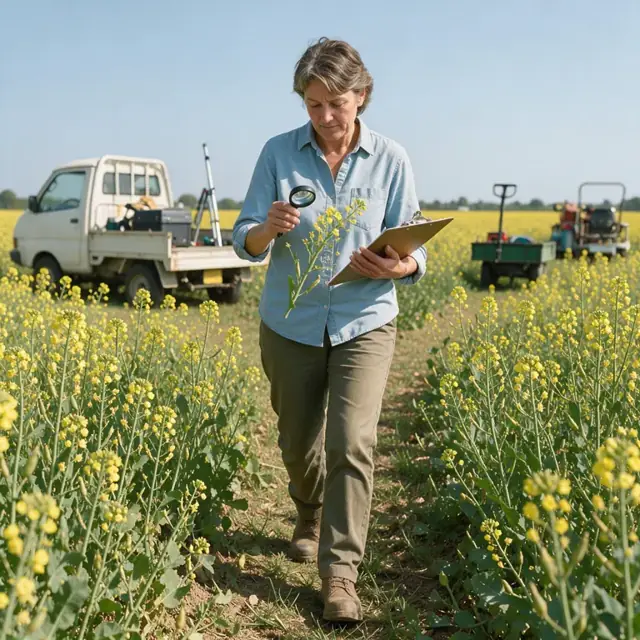
Crop Scout Coordinator
Convert weekly field observations into spray recommendations, application records and threshold alerts.
Works in: Ambitious Tasks, Ambitious Docs, Ambitious Sheets · Workflows: Crop scouting and spray scheduling
Automates
- Assigns scouting routes and growth-stage checklists
- Logs pest and disease counts
- Compares readings to economic thresholds
- Drafts tank-mix and timing recommendations
- Builds pesticide application record forms
Stops for a person
- The licensed applicator confirms spray recommendations and signs records
- The grower approves any deviation from label rates
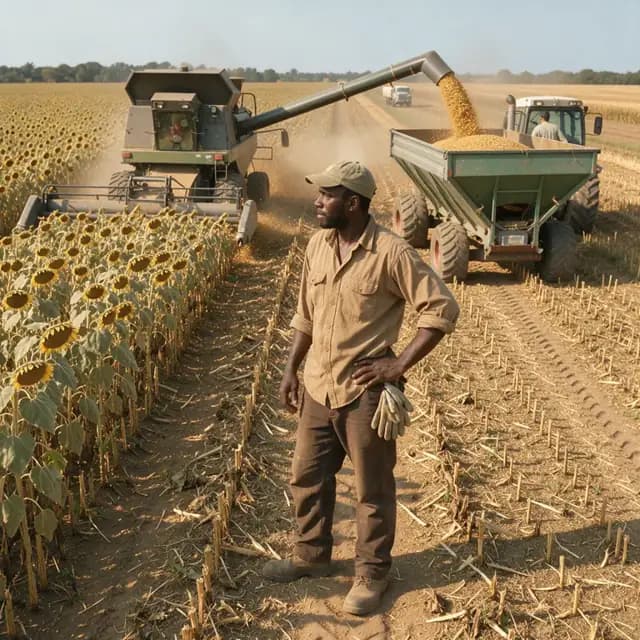
Harvest Dispatcher
Turn moisture samples and weather forecasts into daily combine and truck assignments and harvest logs.
Works in: Ambitious Tasks, Ambitious Sheets · Workflows: Harvest timing and equipment dispatch
Automates
- Ranks fields by moisture and readiness
- Assigns equipment and crews to fields
- Builds timed harvest routes and safety notes
- Logs harvest data from monitors
Stops for a person
- The operator adjusts routes for road conditions or breakdowns
- The grower reviews daily production totals

Storage and Quality Manager
Assign incoming loads to bins, monitor conditions and draft drying or blending plans to maintain quality.
Works in: Ambitious Sheets, Ambitious Tasks, Ambitious Docs · Workflows: Post-harvest storage and quality management
Automates
- Records moisture, test weight and oil content per load
- Assigns bin locations and aeration schedules
- Tracks daily bin temperatures and cable readings
- Flags lots needing drying or blending
Stops for a person
- The grower decides on drying or selling decisions
- A person performs physical bin inspections and fumigation

Sales and Contract Coordinator
Match current inventory grades to buyer bids, draft contracts and prepare load-out and delivery documentation.
Works in: Ambitious Docs, Contract Analyzer, Ambitious Sheets · Workflows: Sales contract drafting and delivery
Automates
- Pulls inventory by grade and location
- Compares bids to contract specifications
- Drafts sales offers and scale-ticket templates
- Creates delivery and payment tracking sheets
Stops for a person
- The owner approves every contract before signing
- A person confirms load quality at the scale
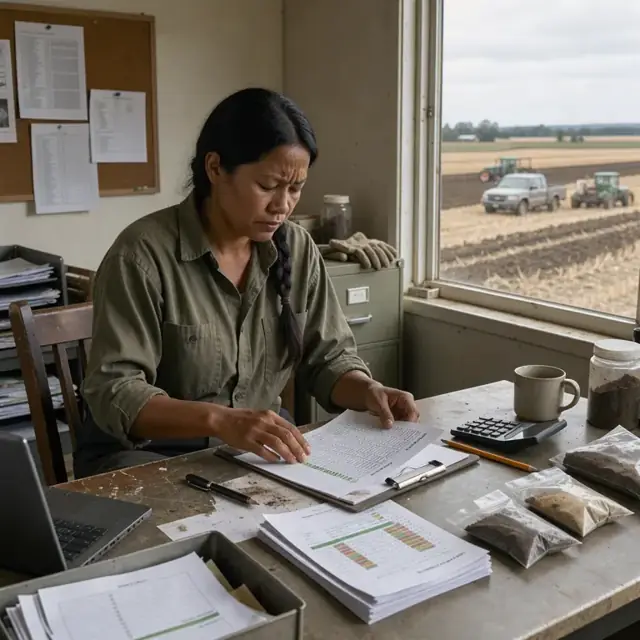
Compliance and Records Clerk
Compile pesticide, fertilizer, insurance and conservation records and flag upcoming deadlines.
Works in: Ambitious Docs, Ambitious Sheets, Ambitious Tasks · Workflows: Regulatory and insurance recordkeeping
Automates
- Assembles application and scouting logs
- Updates nutrient and conservation maps
- Tracks insurance production history
- Alerts before reporting or renewal dates
Stops for a person
- The grower confirms which regulations apply to each field
- A person reviews and submits all official reports
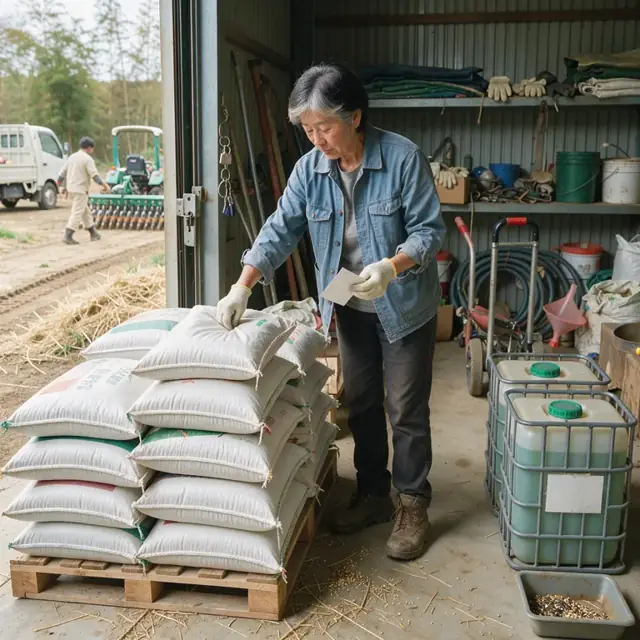
Input and Inventory Buyer
Convert planting and spray plans into precise seed, chemical and fuel orders while tracking on-farm stock levels.
Works in: Ambitious Sheets, Ambitious Tasks, Ambitious Docs · Workflows: Input purchasing and inventory
Automates
- Explodes plans into input lists by field
- Subtracts current inventory
- Drafts timed purchase orders by supplier
- Monitors usage and flags low stock
Stops for a person
- The owner places and pays for all purchases
- A person verifies chemical storage and labeling compliance
Workflows
Planting preparation and field mapping
Starts when: After harvest or on soil-test results in early spring
- Review previous-year yield maps and soil samples by field
- Assign crop variety, seeding rate, fertilizer blend and planting date per field
- Create equipment readiness checklist for planters, tractors and seed tenders
- Draft seed, fertilizer and chemical orders by supplier
- Generate planting maps and variable-rate prescription files
Watch for: Planting must occur within narrow soil-temperature and weather windows; Rotation rules prohibit same crop in same field for multiple years
Crop scouting and spray scheduling
Starts when: Weekly during growing season or after weather event
- Assign scouting routes by field and growth stage
- Log weed pressure, insect counts, disease symptoms and moisture stress
- Compare findings against economic thresholds
- Draft spray recommendations, tank mixes and timing
- Create applicator records and buffer compliance checklists
Watch for: Pesticide applications must follow label restrictions, wind speed, temperature inversions and pre-harvest intervals; Records must be kept for inspector review
Harvest timing and equipment dispatch
Starts when: Moisture tests reach target or forecast dry-down window
- Pull current moisture and test-weight samples from each field
- Rank fields by readiness and weather risk
- Assign combine, grain cart and truck teams to fields
- Draft daily harvest plan with start times, routes and safety notes
- Log start and stop times, fuel use and yield monitor data
Watch for: Grain must be harvested at precise moisture to avoid drying penalties or quality loss; Equipment must move safely between fields on public roads
Post-harvest storage and quality management
Starts when: Each load arrives at the bin site
- Record incoming moisture, test weight, foreign material and oil content
- Assign bin or pile location and set aeration schedule
- Monitor bin temperatures and moisture cables daily
- Draft blending or drying plans when quality is off-spec
- Generate storage inventory and condition reports
Watch for: Oilseeds must stay below safe storage moisture to prevent mold and FFA rise; Identity-preserved or variety-specific lots cannot be commingled
Sales contract drafting and delivery
Starts when: Buyer bid received or storage space needed
- Pull current inventory by grade, variety and location
- Draft offer with quantity, quality specs and delivery window
- Compare contract terms against crop insurance and forward contracts
- Create scale ticket and load-out checklist
- Record delivery confirmation and payment status
Watch for: Contracts require specific oil content, test weight and cleanliness; Transportation must meet buyer receiving hours
Regulatory and insurance recordkeeping
Starts when: After each field operation and at renewal dates
- Compile pesticide application, fertilizer and manure records
- Update nutrient management and conservation plan maps
- Track crop insurance acreage reports and production history
- Flag upcoming certification or reporting deadlines
- Assemble documentation for inspector or adjuster review
Watch for: Rules vary by state and federal program; grower confirms applicability; All applications and movements must be logged before filing
Input purchasing and inventory
Starts when: After planting plan finalized and monthly during season
- Explode planting and spray plans into seed, fertilizer, chemical and fuel lists
- Subtract current on-farm inventory
- Draft purchase orders by supplier with delivery dates to fields
- Track usage rates and remaining stock
- Flag low-stock items before critical windows
Watch for: Chemicals and seed must be stored securely and labeled; Bulk fertilizer and fuel deliveries require spill-prevention paperwork
Bot templates for this industry
- Oilseed (except Soybean) Farming (7 bots)
Source: U.S. Small Business Administration, Office of Size Standards, Table of Small Business Size Standards Matched to North American Industry Classification System Codes, version March 2023 (effective 2023-03-17, NAICS 2022). Size standards are shown for reference only.