

Dry Pea and Bean Farming
Dry pea and bean farms plant, manage, harvest and store field crops of dry beans, peas, lentils and chickpeas. Specialists turn planting schedules into field assignments and seed orders, monitor crop growth against weather and pest thresholds, convert harvest timing into equipment dispatch and bin assignments, and maintain records for seed purity, organic system plans and government program paperwork. The grower makes final calls on varieties, sprays, harvest dates and sales.
What makes this business different
- Crop rotation and field history tracking to prevent disease buildup and maintain soil health
- Variety-specific planting dates, row spacing, inoculation and harvest windows that differ by bean or pea type
- Weather-dependent decisions for planting, irrigation, pesticide application and harvest
- Pest and disease scouting with action thresholds that trigger sprays or other interventions
- Equipment maintenance and calibration for planters, sprayers and combines used across large acreage
- Post-harvest handling including cleaning, drying, storage in bins or bags and identity-preserved lots
- Compliance with seed purity tests, organic system plan records, crop insurance and USDA program reporting
- Forward contracting with buyers or elevators for specific grades, sizes and delivery dates
Specialist bots
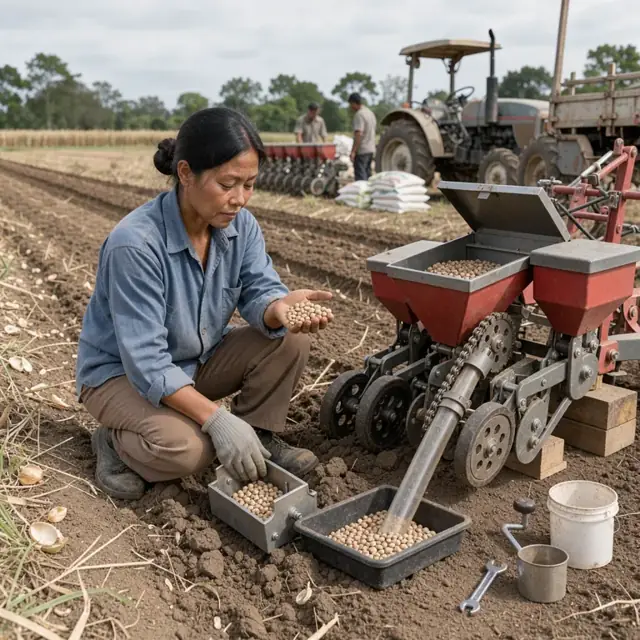
Planting Coordinator
Convert rotation plans and soil data into field assignments, seed orders and daily planting tasks.
Works in: Ambitious Sheets, Ambitious Tasks, Process Optimizer · Workflows: Planting preparation and seeding plan
Automates
- Matches varieties to fields using rotation history
- Calculates seed, inoculant and fertilizer needs
- Builds the planting schedule with weather checks
- Creates equipment preparation checklists
Stops for a person
- The grower selects final varieties and fields
- A person approves and places all seed and input orders
- The operator confirms equipment calibration
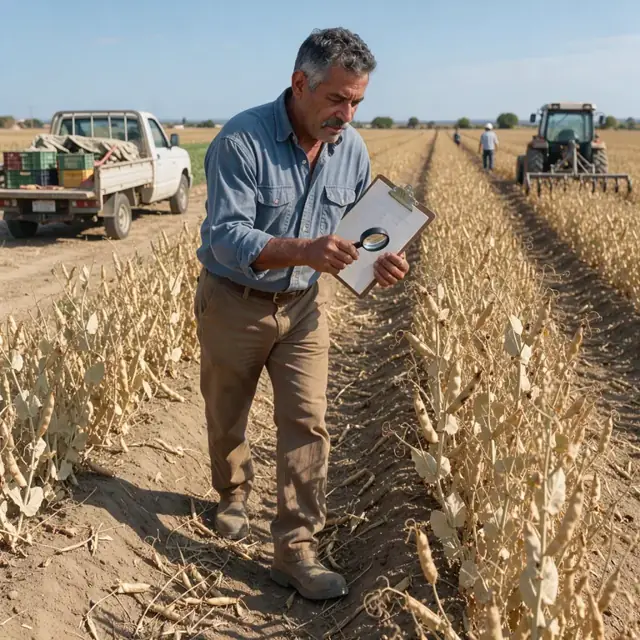
Crop Scout and Threshold Analyst
Turn weekly field observations into actionable pest, disease and irrigation recommendations with supporting records.
Works in: Ambitious Tasks, Ambitious Sheets, Ambitious Docs · Workflows: Crop scouting and growth management
Automates
- Assigns scouting routes by growth stage
- Compares observations to economic thresholds
- Drafts spray timing and product lists
- Updates projected harvest windows
Stops for a person
- The grower decides which treatments to apply
- All chemical applications are logged and approved by a licensed person
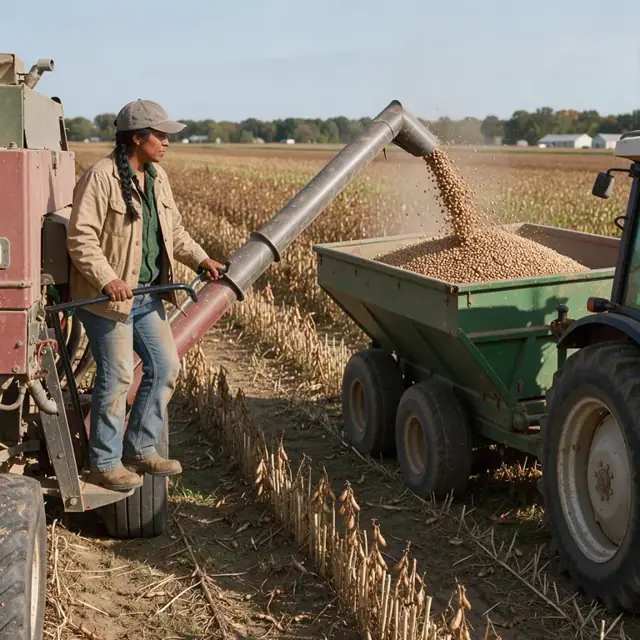
Harvest Dispatcher
Monitor field readiness and turn harvest triggers into combine schedules, bin assignments and load tracking.
Works in: Ambitious Tasks, Ambitious Sheets · Workflows: Harvest scheduling and execution
Automates
- Tracks moisture samples across fields
- Sequences harvest order to optimize equipment movement
- Assigns loads to specific storage bins with lot IDs
- Logs daily harvest progress and yields
Stops for a person
- The grower sets the final go-ahead for each field
- Equipment operators confirm field conditions on site

Post-Harvest Storage Manager
Organize cleaning, drying, bin assignments and storage monitoring to preserve quality and traceability.
Works in: Ambitious Sheets, Ambitious Tasks, Ambitious Docs · Workflows: Post-harvest handling and storage
Automates
- Schedules cleaning and drying per incoming lot
- Assigns bins with full lot identification
- Monitors temperature and moisture trends
- Prepares sampling and testing schedules
Stops for a person
- The grower approves any treatment or movement of stored crops
- Quality test results are reviewed by a person before sale
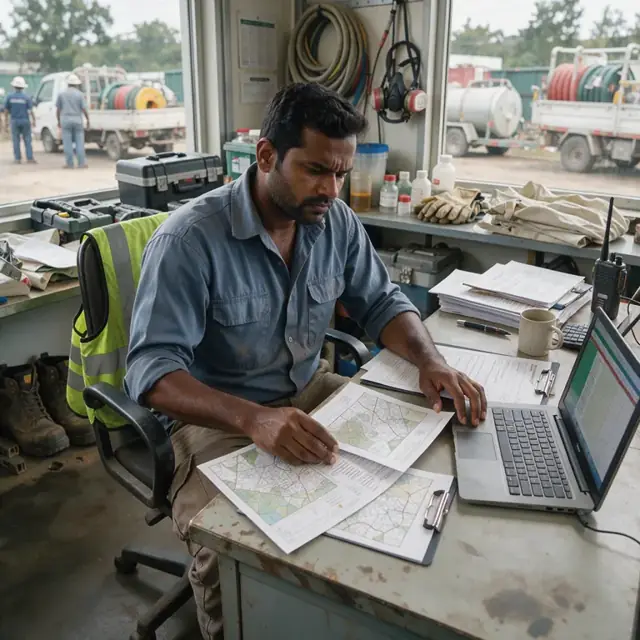
Compliance and Certification Clerk
Compile all field operations, spray logs, organic records and program reports for timely filing.
Works in: Ambitious Docs, Ambitious Sheets, Ambitious Tasks · Workflows: Regulatory and certification paperwork
Automates
- Aggregates application and harvest records
- Generates organic system plan updates
- Tracks reporting deadlines for insurance and USDA forms
- Organizes seed certification sampling
Stops for a person
- The grower personally reviews and signs every document before submission
- People confirm that all regulatory requirements are met

Sales Contract Coordinator
Draft forward contracts, track open sales and coordinate load-out and delivery against buyer specifications.
Works in: Ambitious Docs, Contract Analyzer, Ambitious Tasks · Workflows: Contracting and delivery coordination
Automates
- Compares current inventory to contract specifications
- Drafts delivery schedules and load tickets
- Tracks remaining quantities and shipment dates
- Generates bills of lading with lot details
Stops for a person
- The grower negotiates and signs all contracts
- A person verifies quality meets buyer requirements before loading
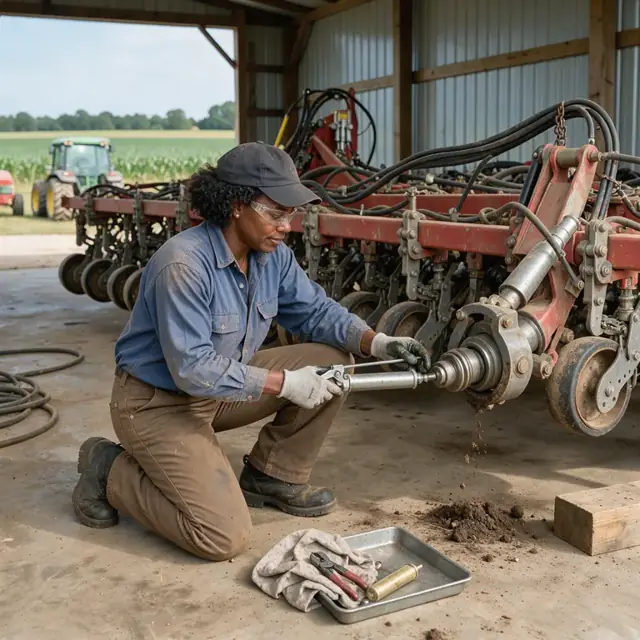
Equipment Maintenance Steward
Maintain the preventive maintenance calendar, service records and calibration logs for all farm machinery.
Works in: Ambitious Sheets, Ambitious Tasks, Ambitious Docs · Workflows: Machinery and asset maintenance
Automates
- Builds seasonal maintenance schedules by machine
- Tracks hours and service intervals
- Drafts parts orders and shop appointments
- Records calibration results for planters and sprayers
Stops for a person
- Mechanics and operators perform the actual maintenance
- The grower approves major repair expenditures
Workflows
Planting preparation and seeding plan
Starts when: Pre-season and before each planting window
- Review field history, soil tests and rotation plan to assign varieties to fields
- Calculate seed requirements, inoculation needs and planter settings per variety
- Draft seed, inoculant and fertilizer purchase orders by supplier
- Schedule equipment servicing and planter calibration
- Create daily planting task list with weather check and acreage targets
Watch for: Soil temperature and moisture must meet variety-specific thresholds before planting; Equipment must be cleaned between varieties to maintain purity
Crop scouting and growth management
Starts when: Weekly during growing season or after weather events
- Assign scouting routes by field and growth stage
- Log pest, disease and weed pressure against economic thresholds
- Draft spray or cultivation recommendations with timing and product lists
- Track irrigation needs and soil moisture readings
- Update growth stage and projected harvest dates
Watch for: Accurate identification of insects, weeds and diseases specific to dry beans and peas; Pre-harvest interval and restricted entry intervals must be observed after any application
Harvest scheduling and execution
Starts when: When fields reach maturity or moisture targets
- Monitor pod moisture and test strips across each field
- Draft combine dispatch order, field sequence and equipment assignments
- Assign bin or truck destinations for each load with variety and field identification
- Schedule cleaning and drying operations for incoming harvest
- Log harvest progress, yield per field and any quality issues
Watch for: Harvest must occur at precise moisture to avoid cracking or mold; Identity preservation between varieties and organic versus conventional lots
Post-harvest handling and storage
Starts when: Immediately after harvest and throughout storage period
- Create cleaning and drying schedules per lot
- Assign storage bins or bags with lot numbers and treatment records
- Monitor temperature and moisture in storage structures
- Draft test samples for purity, germination and grade
- Prepare lots for shipment against sales contracts
Watch for: Aeration and monitoring to prevent spoilage in bulk storage; Traceability from field to buyer for food safety and certification
Regulatory and certification paperwork
Starts when: Seasonal deadlines and after each operation
- Compile spray records, fertilizer applications and harvest logs
- Track organic system plan activities and generate reports
- Monitor crop insurance reporting deadlines and yield data
- Prepare USDA program forms and acreage reports
- Schedule seed certification sampling and lab testing
Watch for: Rules vary by state and buyer for organic, non-GMO and identity-preserved crops; The grower must personally review and sign all filed documents
Contracting and delivery coordination
Starts when: Pre-season for forward contracts and after harvest
- Draft offers based on current grades, quantities and market prices
- Convert accepted contracts into delivery schedules
- Track open contracts, quality specifications and shipment dates
- Generate load-out tickets and bills of lading
- Reconcile deliveries against contract terms
Watch for: Buyers often require specific grade, size and foreign material limits; Transportation must maintain lot identity during loading and transit
Machinery and asset maintenance
Starts when: Before major operations and on a calendar cadence
- Build preventive maintenance calendar for tractors, planters, sprayers and combines
- Track hours, fluid changes and part replacements per machine
- Draft parts orders and service appointments
- Record calibration results for planters and sprayers
- Maintain safety and inspection records for licensed equipment
Watch for: Planters and combines need thorough cleaning between varieties; Large equipment requires specialized shops for major repairs
Bot templates for this industry
- Dry Pea and Bean Farming (7 bots)
Source: U.S. Small Business Administration, Office of Size Standards, Table of Small Business Size Standards Matched to North American Industry Classification System Codes, version March 2023 (effective 2023-03-17, NAICS 2022). Size standards are shown for reference only.