

Wheat Farming
Wheat farms plant, manage, harvest and sell grain to elevators or millers. For a dryland or irrigated wheat operation that rotates with other crops and sells by the truckload, the specialists turn soil-test results and weather data into a planting plan, convert field observations into spray and fertilizer schedules, turn harvest samples into grade and pricing decisions, and manage equipment maintenance, grain storage, contracts and delivery loads. Soil health, weather windows, pest thresholds, elevator grades and seed-cleaning standards stay with the grower.
What makes this business different
- Grain must be below 14%
Specialist bots

Soil and Planting Planner
Convert soil tests, rotation history and weather forecasts into field-specific planting and input prescriptions.
Works in: Ambitious Sheets, Process Optimizer, Ambitious Tasks · Workflows: Soil testing, field prep and planting schedule
Automates
- Maps soil test values by field zone
- Generates variable-rate seeding and fertilizer plans
- Aligns work orders to weather and soil temperature windows
- Sequences fields to optimize equipment movement
Stops for a person
- The grower approves final seed varieties and rates
- A person confirms all prescriptions before loading equipment
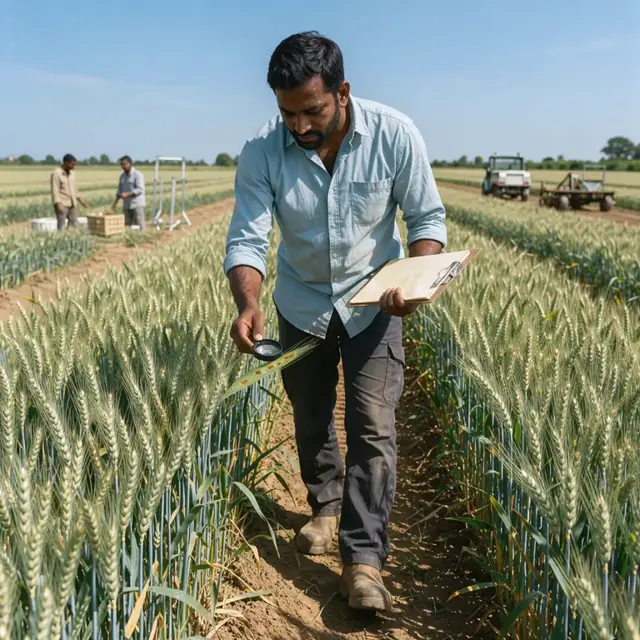
Crop Scout and Application Scheduler
Turn weekly field observations into pest-threshold alerts and timed spray or fertilizer schedules.
Works in: Ambitious Tasks, Ambitious Sheets, Ambitious Docs · Workflows: In-season scouting and input application
Automates
- Compares insect and weed counts to action thresholds
- Builds product-rate and timing recommendations
- Checks wind, temperature and buffer requirements
- Logs every application with exact field coordinates
Stops for a person
- The certified applicator reviews and signs every spray order
- The grower confirms which fields receive priority
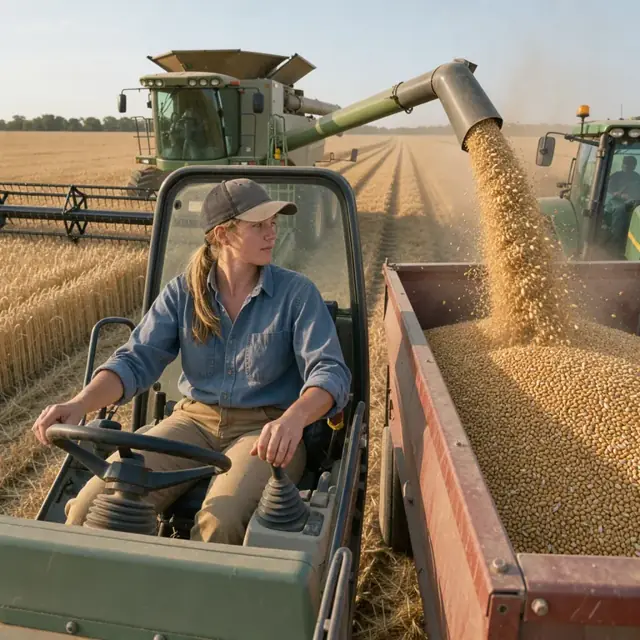
Harvest Coordinator
Sequence harvest by field maturity, create daily machine schedules and track loads to storage.
Works in: Ambitious Tasks, Ambitious Sheets · Workflows: Harvest planning and execution
Automates
- Orders fields by moisture and yield data
- Assigns combine, grain cart and truck routes
- Generates load tickets and elevator call lists
- Calculates running harvest totals by field
Stops for a person
- The operator adjusts sequence for changing field conditions
- A person verifies sample results before moving grain

Grain Storage and Marketing Manager
Monitor bin conditions, test grain quality and draft sales contracts and delivery orders.
Works in: Ambitious Sheets, Ambitious Tasks, Contract Analyzer · Workflows: Grain storage, testing and sales
Automates
- Tracks temperature and moisture by bin
- Compares test results to bid discounts
- Extracts delivery windows and grade specs from contracts
- Suggests load-out timing based on storage risk
Stops for a person
- The grower decides which bids to accept and signs contracts
- A person confirms grade before trucks are loaded
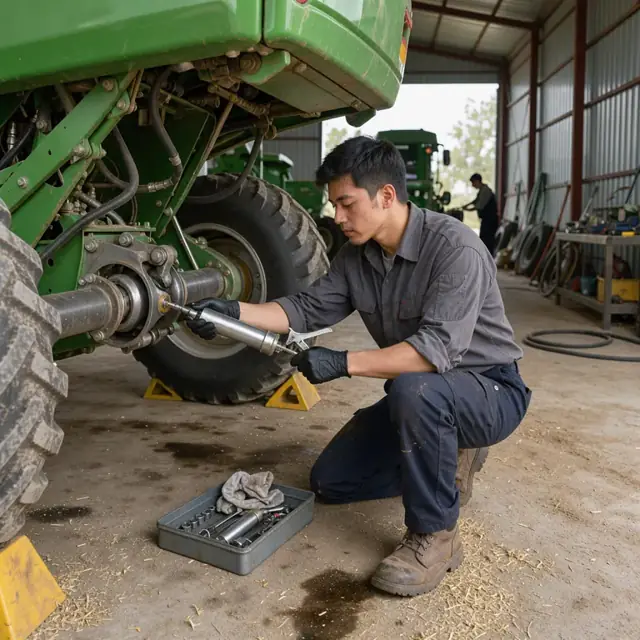
Equipment Maintenance Lead
Maintain service logs, generate preventive checklists and track parts and fuel inventories for all machinery.
Works in: Ambitious Sheets, Ambitious Tasks, Ambitious Docs · Workflows: Equipment maintenance and inventory
Automates
- Builds maintenance schedules by machine hours
- Tracks consumables and reorder points
- Compiles fuel usage by operation type
- Prepares annual inspection reminder lists
Stops for a person
- The mechanic performs and signs off on repairs
- The owner approves major parts purchases
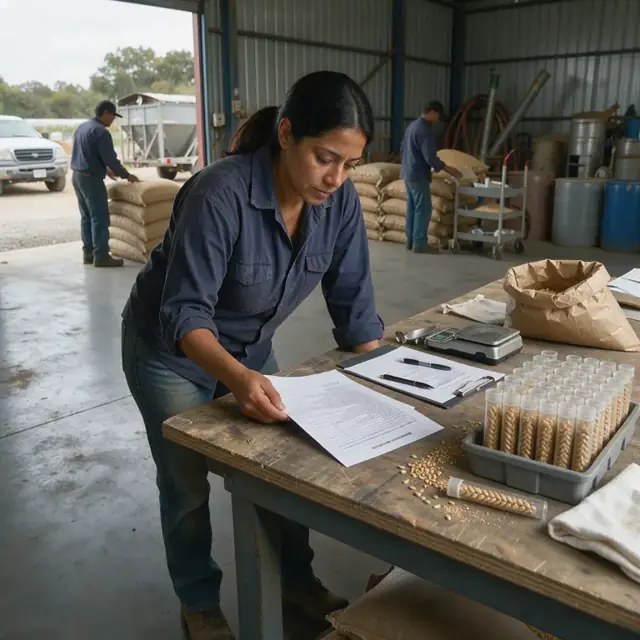
Contract and Compliance Clerk
Extract obligations from sales contracts, match grain to buyer specs and compile required chemical and delivery records.
Works in: Contract Analyzer, Ambitious Docs, Ambitious Tasks · Workflows: Contracting, delivery and compliance records
Automates
- Pulls delivery dates, grades and quantities from contracts
- Matches stored lots to contract requirements
- Assembles pesticide and fertilizer application histories
- Flags upcoming fulfillment deadlines
Stops for a person
- The grower reviews and signs every contract and load ticket
- People confirm all records before submission to buyers

Insurance and Yield Reporter
Compile planted acres, production data and supporting records for crop insurance and government reports.
Works in: Ambitious Sheets, Ambitious Docs, Ambitious Tasks · Workflows: Crop insurance, yield and acreage reporting
Automates
- Aggregates yield by field from harvest logs
- Pre-fills acreage and production forms
- Organizes scouting photos and test results
- Alerts on reporting deadlines
Stops for a person
- The grower certifies all reported numbers
- A person files final reports with the insurance provider
Workflows
Soil testing, field prep and planting schedule
Starts when: Post-harvest, pre-season and after each soil test result arrives
- Compile soil test results by field for pH, nutrients and organic matter
- Compare results to rotation plan and target yield goals
- Draft variable-rate seed and fertilizer prescriptions by zone
- Check 10-day forecast and soil temperature against planting windows
- Create a sequenced field work order with equipment and input needs
Watch for: Planting must occur within narrow soil temperature and moisture windows; Residue from previous crops affects tillage or no-till decisions
In-season scouting and input application
Starts when: Weekly during growth stages or after weather events
- Pull field observations on weeds, insects, disease and moisture stress
- Compare pest levels against economic thresholds
- Draft timed spray or sidedress orders with product rates and buffer zones
- Align applications with label restrictions and wind forecasts
- Log application dates, rates, weather and equipment used
Watch for: Restricted-use pesticides require certified applicator records; Pre-harvest intervals must be observed before any harvest
Harvest planning and execution
Starts when: When wheat reaches hard-dough stage and forecast allows
- Sample fields for moisture, test weight and protein
- Sequence fields by maturity, yield and distance to storage
- Build daily combine, truck and grain-cart schedule
- Draft elevator delivery tickets with expected grade
- Track harvested acres, yield per field and total volume
Watch for: Grain must be below 14% moisture before binning; Weather can halt harvest for days at critical times
Grain storage, testing and sales
Starts when: After each load is harvested and on market price movement
- Record bin inventory by grain type, test results and storage date
- Monitor bin temperatures and aerate when needed
- Draft cash or futures contract offers based on current bids
- Compare sample grades against elevator discounts and premiums
- Create load-out orders with target delivery dates
Watch for: Maintaining separate bins for different protein or variety; Avoiding insect infestation during long-term storage
Equipment maintenance and inventory
Starts when: After each major operation and on a seasonal cadence
- Log hours and notes from tractors, combines, sprayers and trucks
- Generate preventive maintenance checklists by machine
- Track parts usage and reorder thresholds for filters, belts and bearings
- Schedule annual safety inspections and DOT paperwork for trucks
- Draft fuel and oil consumption reports by operation
Watch for: Downtime during narrow harvest or planting windows is costly; Large parts orders must be placed weeks ahead
Contracting, delivery and compliance records
Starts when: When new forward contracts are offered and before each delivery
- Extract key terms from new purchase contracts
- Match available stored grain to contract grade and quantity
- Draft delivery schedules and load tickets
- Compile pesticide application and fertilizer records for the buyer
- Track contract fulfillment and remaining obligations
Watch for: Buyers often require specific variety, protein and clean-sample documentation; All chemical applications must be traceable by field and date
Crop insurance, yield and acreage reporting
Starts when: Before planting, after harvest and on policy deadlines
- Compile planted acres, varieties and expected yields by field
- Record actual harvested production and test data
- Draft acreage reports and production history updates
- Flag fields with prevented planting or loss claims
- Organize supporting photos and scouting notes
Watch for: Reporting deadlines are strict and vary by crop year; Accurate production history affects future premiums
Bot templates for this industry
- Wheat Farming (7 bots)
Source: U.S. Small Business Administration, Office of Size Standards, Table of Small Business Size Standards Matched to North American Industry Classification System Codes, version March 2023 (effective 2023-03-17, NAICS 2022). Size standards are shown for reference only.