

Corn Farming
Corn farmers manage soil preparation, planting, irrigation, nutrient applications, pest scouting, harvest, drying, storage and sales of grain or silage. Specialists turn weather and soil data into a planting schedule, convert scouting reports into spray and fertilizer plans, schedule equipment maintenance and harvest windows, track grain moisture and bin conditions, and prepare load-out tickets and settlement sheets for elevators or buyers. Crop insurance, USDA reports, pesticide logs and seed variety records remain with the grower.
What makes this business different
- Weather-dependent windows for planting, spraying, side-dressing and harvest that can shift by days
- Precise record-keeping for fertilizer, pesticide and herbicide applications including rates, dates, fields and wind conditions
- Grain moisture and storage management to prevent spoilage in bins
- Equipment maintenance logs, fuel usage and repair parts inventory across tractors, planters, sprayers and combines
- USDA acreage and production reporting deadlines, crop insurance acreage reports and claims
- Soil test results, variable-rate prescriptions and yield maps that guide next season inputs
- Contracts or spot sales to elevators, ethanol plants or feed mills with specific grade, moisture and test-weight requirements
Specialist bots

Planting Coordinator
Convert soil conditions, seed inventory and weather forecasts into a field-by-field planting schedule.
Works in: Ambitious Tasks, Ambitious Sheets, Process Optimizer · Workflows: Planting preparation and scheduling
Automates
- Pulls soil temperature and forecast data
- Sequences fields by priority and equipment sets
- Creates daily readiness checklists
- Tracks seed, fertilizer and planter part inventory
Stops for a person
- The grower approves final planting order and variety placement
- A person verifies planter calibration and seed treatment

Nutrient Planner
Turn soil tests and yield goals into precise variable-rate fertilizer prescriptions and application maps.
Works in: Ambitious Sheets, Ambitious Docs, Ambitious Tasks · Workflows: Nutrient and fertilizer planning
Automates
- Imports lab soil and tissue results
- Calculates nutrient removal and recommended rates by zone
- Builds load sheets and timing recommendations
- Logs actual applications against plan
Stops for a person
- The grower reviews and signs off on all application rates
- A licensed applicator confirms product choice and timing

Scout and Spray Dispatcher
Schedule weekly field scouting routes and convert observations into approved spray orders.
Works in: Ambitious Tasks, Ambitious Docs, Ambitious Sheets · Workflows: Crop scouting and pesticide application
Automates
- Assigns scouting stops by growth stage and history
- Compares pest counts to thresholds
- Drafts product recommendations and pre-harvest intervals
- Generates spray logs and buffer compliance forms
Stops for a person
- The grower or certified applicator approves every spray recommendation
- A person verifies wind conditions and enters final application data
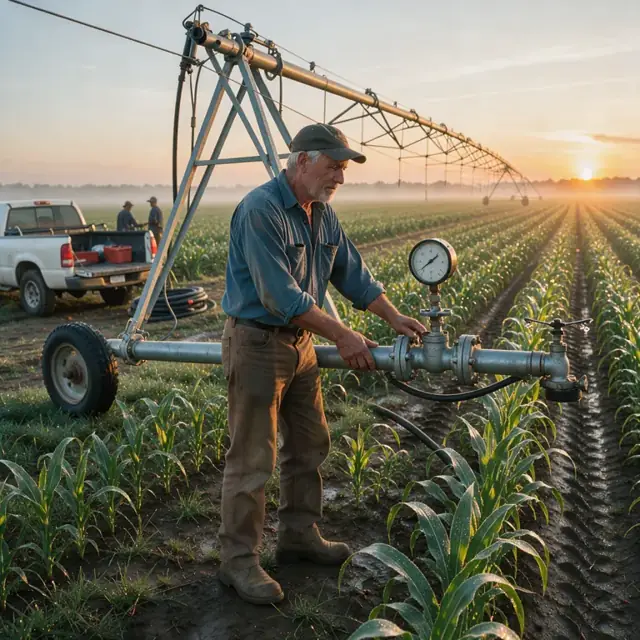
Irrigation Manager
Monitor soil moisture and weather to produce daily irrigation schedules and equipment alerts.
Works in: Ambitious Tasks, Ambitious Sheets, Process Optimizer · Workflows: Irrigation scheduling and monitoring
Automates
- Pulls probe and evapotranspiration readings
- Calculates crop water use by stage
- Builds run-time schedules for each pivot
- Flags pressure loss or leak locations
Stops for a person
- The grower sets total water limits and approves schedule changes
- A person physically checks pivot operation and performs repairs
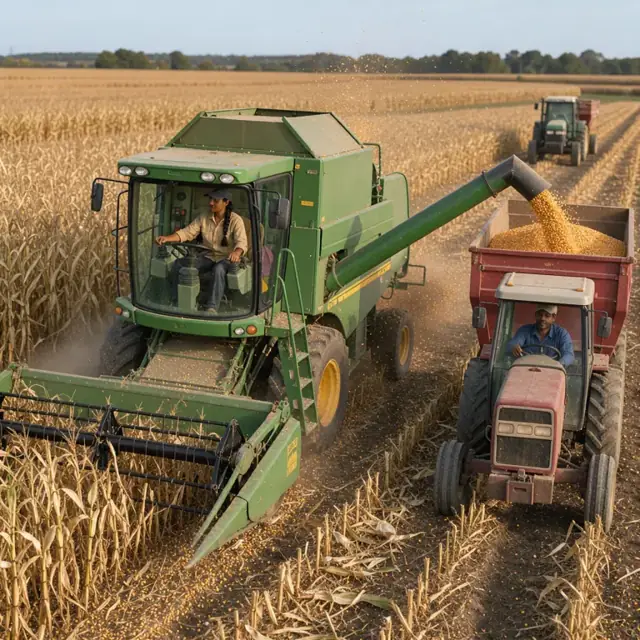
Harvest Planner
Track grain moisture across fields and sequence harvest, drying and hauling operations.
Works in: Ambitious Tasks, Ambitious Sheets · Workflows: Harvest planning and execution
Automates
- Logs daily moisture samples by field
- Sequences harvest order and truck movements
- Calculates dryer fan and heater run times
- Pre-fills load tickets with field and variety data
Stops for a person
- The grower decides final harvest start and sale destinations
- A person confirms scale weights and quality grades at delivery

Storage and Marketing Coordinator
Monitor bin conditions and draft cash sale or contract offers based on current bids and inventory quality.
Works in: Ambitious Sheets, Ambitious Docs, Ambitious Tasks · Workflows: Grain storage and marketing
Automates
- Tracks bin temperature and moisture trends
- Compares bids from multiple elevators
- Prepares settlement sheets and scale tickets
- Projects inventory by moisture and test weight
Stops for a person
- The grower approves every sale and contract
- A person signs and submits all marketing paperwork

Compliance and Reporting Clerk
Assemble pesticide logs, acreage reports and insurance documentation from field records for grower review.
Works in: Ambitious Docs, Ambitious Sheets, Ambitious Tasks · Workflows: Regulatory and insurance reporting
Automates
- Compiles application records by product and field
- Populates USDA and insurance forms with acreage and production data
- Tracks renewal and filing deadlines
- Maintains cover-crop and conservation documentation
Stops for a person
- The grower personally reviews and signs off on all reports before submission
- A person confirms accuracy of chemical logs and signs insurance forms
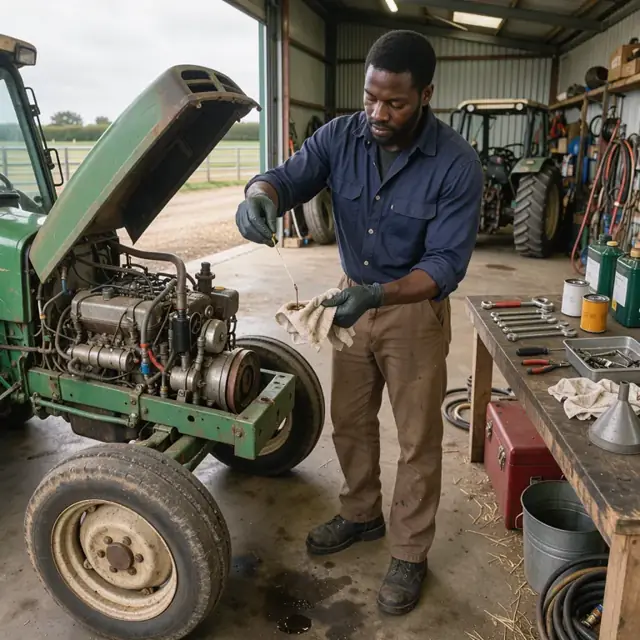
Equipment Maintenance Coordinator
Track equipment hours, generate preventive maintenance schedules and maintain parts inventory ahead of seasonal operations.
Works in: Ambitious Tasks, Ambitious Sheets, Process Optimizer · Workflows: Equipment maintenance and inventory
Automates
- Pulls maintenance logs by machine and hours
- Builds schedules aligned to field operations
- Creates parts reorder lists and tracks fuel and fluid levels
- Flags items needing licensed service
Stops for a person
- The grower approves all repair spending and schedules
- A licensed mechanic performs and signs off on safety-critical repairs

Post-Harvest Coordinator
Convert post-harvest soil and weather data into cover crop planting and field preparation schedules.
Works in: Ambitious Tasks, Ambitious Sheets, Process Optimizer · Workflows: Post-harvest field operations
Automates
- Pulls weather station data and long-range forecasts
- Sequences cover-crop planting windows after main crop harvest
- Generates task lists for tillage and residue management
- Coordinates custom applicator availability
Stops for a person
- The grower approves the final post-harvest field plan
- A person verifies equipment readiness for fall operations

Yield Data Analyst
Analyze yield data and soil tests to produce next-season variable-rate seeding and input prescriptions.
Works in: Ambitious Sheets, Ambitious Docs, Process Optimizer · Workflows: Yield data review and next-season planning
Automates
- Imports yield monitor data and creates zone maps
- Calculates removal rates for the next season
- Generates variable-rate seeding recommendations
- Compares multi-year yield performance by hybrid
Stops for a person
- The grower reviews and approves all seed and input recommendations
- A person verifies map layers before loading into equipment
Workflows
Planting preparation and scheduling
Starts when: Soil reaches workable temperature in spring or after harvest for cover crops
- Review soil test results and variable-rate fertilizer maps
- Confirm seed variety, population and planting depth per field
- Build a sequenced planting schedule by field priority, equipment availability and weather forecast
- Check planter calibration and draft maintenance tasks
- Create equipment and input readiness checklist
Watch for: Planting must occur within narrow soil temperature and weather windows; Seed treatments and inoculants must match variety and regulatory labels
Nutrient and fertilizer planning
Starts when: After soil tests or tissue sampling and before each application window
- Import latest soil and tissue test data into field sheets
- Calculate required nitrogen, phosphorus, potassium and micronutrient rates per zone
- Draft application maps and load sheets for spreaders or sprayers
- Schedule side-dress or fertigation timing around growth stage and rainfall
- Log actual product, rate, date and applicator for each field
Watch for: Nitrogen timing affects leaching and yield; applications must avoid heavy rain forecasts; Regulatory limits on total nutrients per acre by watershed
Crop scouting and pesticide application
Starts when: Weekly during growing season or when pest thresholds are reported
- Assign scouting routes by field and growth stage
- Record pest pressure, weed escapes and disease observations
- Compare findings against economic thresholds
- Draft spray recommendations with product, rate, carrier volume and pre-harvest interval
- Generate application logs and buffer-zone compliance checklist
Watch for: Wind speed, temperature inversions and buffer requirements must be respected; Restricted-use products require certified applicator sign-off
Irrigation scheduling and monitoring
Starts when: Daily during dry periods after emergence
- Pull soil moisture probe or evapotranspiration data per pivot zone
- Calculate daily water use by growth stage and weather
- Build weekly irrigation schedule with start times and run durations
- Flag equipment issues such as leaks or pressure drops
- Log applied water amounts for each field
Watch for: Water rights or district allocation limits must not be exceeded; Avoid irrigating immediately before or after certain chemical applications
Harvest planning and execution
Starts when: When field scouting shows grain at physiological maturity
- Monitor moisture samples daily across fields
- Sequence harvest order by moisture, yield potential and buyer delivery windows
- Schedule combine, grain cart and truck logistics
- Draft daily load tickets with field, variety, moisture and test weight
- Coordinate dryer or bin fan run times to reach safe storage moisture
Watch for: Grain must be below 15% moisture for long-term storage; Weather or frost can force early harvest at higher moisture requiring more drying
Grain storage and marketing
Starts when: After harvest and on weekly basis during storage
- Track bin temperatures, moisture and CO2 levels
- Draft aeration or turning schedules
- Compare current bids from multiple buyers against futures and basis
- Prepare settlement sheets and scale tickets for loads sold
- Forecast cash flow from expected sales
Watch for: Storage must maintain grain quality to meet contract specifications; Basis contracts and futures positions affect sale timing
Regulatory and insurance reporting
Starts when: On set USDA deadlines, insurance renewal and after major events
- Compile planted acreage, prevented planting and production data
- Generate pesticide application records by product and field
- Draft crop insurance acreage reports and production history updates
- Track cover crop planting for conservation compliance
- Prepare documentation for any loss claims
Watch for: Deadlines for FSA and RMA reports are fixed and non-negotiable; All chemical applications must include certified applicator name and license number
Equipment maintenance and inventory
Starts when: Weekly and before each major operation
- Review maintenance logs for tractors, planters, sprayers and combines
- Generate parts and filter reorder list based on hours and upcoming tasks
- Draft preventive maintenance schedule aligned with planting, spraying and harvest windows
- Track fuel usage and bulk chemical inventory levels
- Flag equipment that requires licensed mechanic or safety inspection
Watch for: Downtime during narrow weather windows can delay entire operations; Parts and fluids must be on hand before seasonal peaks
Post-harvest field operations
Starts when: Immediately after main crop harvest
- Review yield maps to identify compaction or nutrient zones
- Schedule tillage, chopping or strip-till operations
- Select and order cover-crop seed mixes
- Build planting schedule for cover crops by field
- Create equipment readiness checklist for fall work
Watch for: Residue management must be completed before soil temperature drops; Cover crop species and seeding rates must follow conservation program rules
Yield data review and next-season planning
Starts when: After harvest data is downloaded and before next season prescriptions
- Import raw yield monitor files and clean data
- Create management zones from yield, soil and elevation layers
- Calculate nutrient removal rates by zone
- Generate variable-rate seeding and input recommendations
- Compare hybrid performance across fields and years
Watch for: Accurate yield maps require proper combine calibration and moisture correction; Multi-year data must be cleaned before use in prescriptions
Bot templates for this industry
- Corn Farming (10 bots)
Source: U.S. Small Business Administration, Office of Size Standards, Table of Small Business Size Standards Matched to North American Industry Classification System Codes, version March 2023 (effective 2023-03-17, NAICS 2022). Size standards are shown for reference only.