

Rice Farming
Rice farms plant, flood, drain, harvest and mill or sell grain in bulk. For an operation that plants specific varieties each spring, floods fields, manages irrigation through summer, harvests in fall and sells to mills or direct buyers, the specialists turn planting plans into seed orders, irrigation schedules into daily water checks, harvest forecasts into equipment readiness, and grain samples into sales contracts and storage plans. Crop rotation, water rights, pest scouting and USDA reporting stay with the grower.
What makes this business different
- Variety-specific planting windows, seed treatments and seeding rates that vary by field history and soil type
- Water rights, diversion permits and daily irrigation scheduling with flood, pivot or drip systems
- Flood management: levee maintenance, water depth monitoring and controlled draining before harvest
- Pest and disease scouting with thresholds for weeds, rice water weevils, blast and sheath blight
- Harvest timing by moisture content, equipment readiness and weather windows
- Grain storage, drying, sampling, quality testing and bulk sales contracts
- Crop insurance, USDA reports, organic certification records and field-by-field rotation history
- Equipment maintenance logs for tractors, combines, levee plows and irrigation pumps
Specialist bots
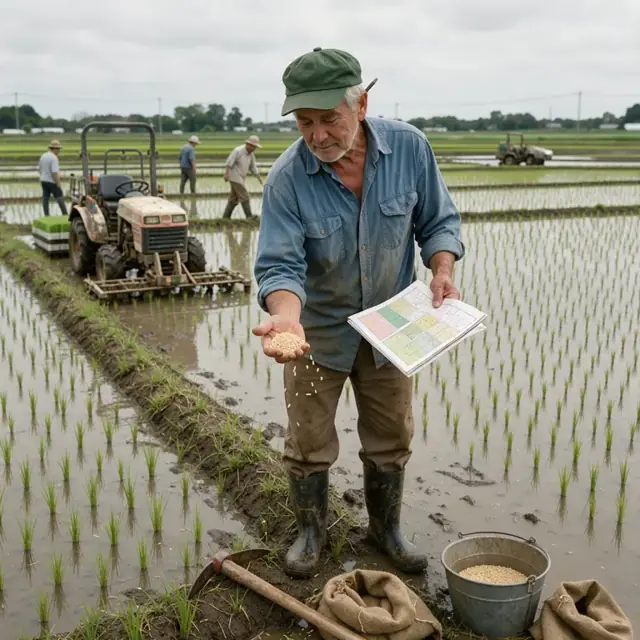
Planting Coordinator
Convert field history and forecasts into a detailed seed order and planting schedule.
Works in: Ambitious Sheets, Ambitious Tasks, Process Optimizer · Workflows: Planting plan and seed ordering
Automates
- Calculates seed, fertilizer and treatment needs per field
- Builds the planting calendar against weather and equipment windows
- Drafts purchase lists for seed suppliers
- Creates daily field prep and planting tasks
Stops for a person
- The grower selects final varieties and approves all seed purchases
- Planting dates are confirmed by the grower after reviewing soil conditions

Irrigation Manager
Maintain daily water depth and usage logs while respecting water rights and district rules.
Works in: Ambitious Tasks, Ambitious Sheets, Ambitious Docs · Workflows: Irrigation and water management
Automates
- Pulls rainfall and evapotranspiration data for each field
- Calculates required water adjustments
- Logs pump hours and gate settings
- Drafts weekly water reports
Stops for a person
- The grower approves any deviation from normal water rights usage
- A person physically checks critical levees and structures
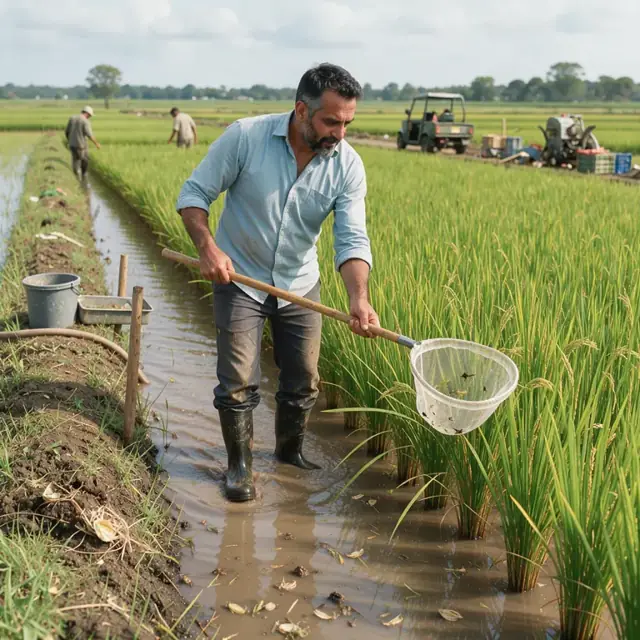
Scout Analyst
Organize weekly scouting routes, record observations and flag treatments above economic thresholds.
Works in: Ambitious Tasks, Ambitious Sheets, Ambitious Docs · Workflows: Crop scouting and pest management
Automates
- Generates optimized scouting routes by growth stage
- Compares pest counts to treatment thresholds
- Drafts spray or cultural recommendations
- Updates field history database
Stops for a person
- The grower decides which treatments to apply and when
- All chemical recommendations are reviewed by a licensed applicator

Harvest Planner
Track grain moisture and readiness to create an optimal harvest sequence and equipment checklist.
Works in: Ambitious Sheets, Ambitious Tasks, Process Optimizer · Workflows: Harvest preparation and scheduling
Automates
- Monitors moisture samples and projects harvest dates
- Sequences fields to minimize drying costs and quality loss
- Builds equipment maintenance and labor task lists
- Prepares bin and dryer readiness checklists
Stops for a person
- The grower makes final go-no-go decisions on harvest start
- Equipment repairs are scheduled and paid for by the owner
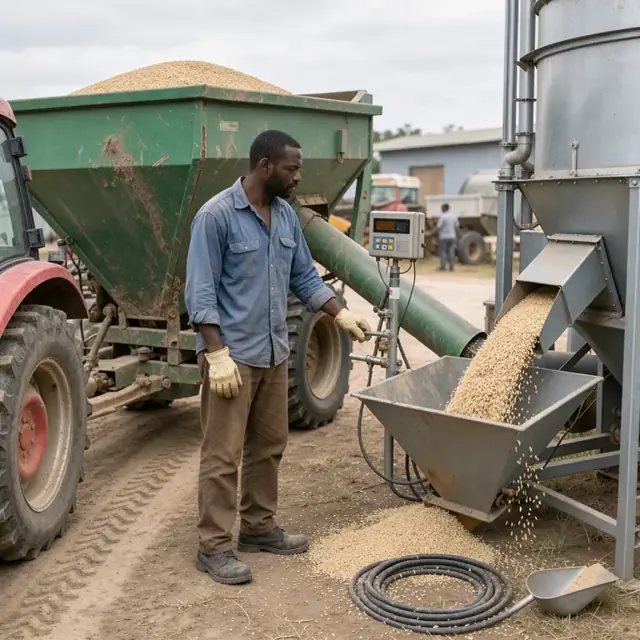
Grain Handling Coordinator
Log incoming harvest loads, manage drying and assign storage while preserving lot identity.
Works in: Ambitious Sheets, Ambitious Tasks, Ambitious Docs · Workflows: Grain handling, drying and storage
Automates
- Records load weights, moisture and variety
- Directs grain to the correct dryer or storage bin
- Tracks drying progress and aeration
- Maintains lot-by-lot inventory
Stops for a person
- The grower approves any blending of lots or quality adjustments
- A person performs final quality grading before sale

Sales and Contract Coordinator
Match stored grain inventory to buyer needs and draft sales contracts with delivery schedules.
Works in: Ambitious Sheets, Ambitious Docs, Contract Analyzer · Workflows: Sales contract and buyer coordination
Automates
- Analyzes inventory by quality and variety
- Compares current bids to storage costs
- Drafts contract language and delivery windows
- Schedules loading and trucking
Stops for a person
- The grower approves every contract and price
- All contracts are signed by an authorized person
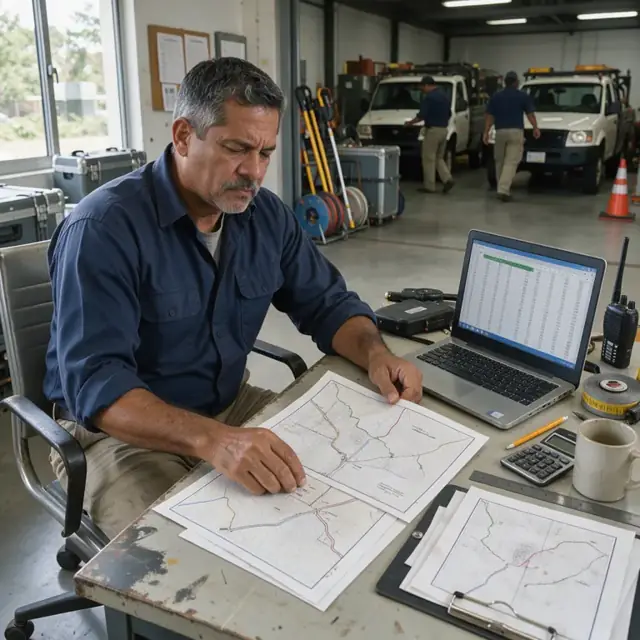
Compliance and Reporting Clerk
Compile field records, prepare required USDA and insurance reports and track renewal dates.
Works in: Ambitious Docs, Ambitious Sheets, Ambitious Tasks · Workflows: Compliance, insurance and reporting
Automates
- Aggregates acreage, yield and input data
- Populates report forms with season data
- Flags upcoming filing deadlines and renewals
- Maintains application and conservation records
Stops for a person
- The grower reviews and signs every official report before submission
- People confirm that all regulatory requirements are met
Workflows
Planting plan and seed ordering
Starts when: After harvest or in late winter
- Review last season's yield maps and soil tests by field
- Select varieties and calculate seed needed per acre
- Draft seed, fertilizer and treatment purchase orders
- Schedule field prep and planting dates against weather forecast
- Create a planting task list with equipment and crew needs
Watch for: Seed must match certified variety and treatment requirements; Planting must occur within narrow temperature and soil moisture windows
Irrigation and water management
Starts when: Daily during growing season when fields are flooded
- Check current water depth and forecasted rainfall in each field
- Adjust gates, pumps or pivots to maintain target depth
- Log water usage against allocated rights
- Flag fields needing drain or reflood
- Draft weekly water report for district or state submission
Watch for: Legal water rights and diversion limits must never be exceeded; Flood depth affects weed control, nutrient uptake and disease risk
Crop scouting and pest management
Starts when: Weekly from emergence through heading
- Generate scouting route by field and growth stage
- Record weed pressure, insect counts, disease symptoms and nutrient deficiencies
- Compare findings against economic thresholds
- Draft treatment recommendations with product, rate and timing
- Update field history with observations
Watch for: Thresholds differ by variety, region and organic versus conventional systems; Scouting data must be tied to specific GPS locations within fields
Harvest preparation and scheduling
Starts when: Four weeks before expected harvest window
- Monitor grain moisture and maturity across fields
- Draft harvest sequence by moisture, variety and buyer requirements
- Check combine, dryer, cart and truck readiness
- Schedule labor and custom harvest if needed
- Prepare bins or silos for incoming grain
Watch for: Moisture must be at proper level to avoid drying penalties or quality loss; Weather can force rapid changes to harvest order
Grain handling, drying and storage
Starts when: During and immediately after harvest
- Record incoming load weights, moisture and variety per field
- Route wet grain to dryer or storage
- Monitor drying temperature and final moisture
- Sample each load for quality and foreign material
- Assign storage locations and track inventory by lot
Watch for: Identity preservation for specific varieties or organic grain; Temperature and aeration logs required for safe storage
Sales contract and buyer coordination
Starts when: When storage is full or buyer prices are favorable
- Analyze current inventory by variety, quality and quantity
- Draft offers or respond to buyer bids
- Generate contract terms including price, delivery window and quality specs
- Schedule loading and transportation
- Record delivery confirmation and payment status
Watch for: Contracts often specify moisture, test weight, milling yield and absence of defects; Loading must match buyer receiving hours and truck requirements
Compliance, insurance and reporting
Starts when: Seasonal deadlines and after key events
- Compile acreage, production and yield data by field
- Prepare USDA, FSA and crop insurance reports
- Track chemical and fertilizer applications with dates, rates and locations
- Maintain water usage, conservation practice and soil health records
- Flag upcoming certification or renewal dates
Watch for: Reports must be filed by strict federal and state deadlines; The grower confirms all final submissions
Bot templates for this industry
- Rice Farming (7 bots)
Source: U.S. Small Business Administration, Office of Size Standards, Table of Small Business Size Standards Matched to North American Industry Classification System Codes, version March 2023 (effective 2023-03-17, NAICS 2022). Size standards are shown for reference only.