

Oilseed and Grain Combination Farming
Oilseed and grain combination farms grow, harvest, store and sell soybeans, corn, wheat, sunflower, canola and other oilseeds and grains on large acreage. Specialists convert planting intentions and weather data into field schedules, turn harvest samples into quality and yield records, manage grain storage and dryer schedules, create sales contracts and track deliveries to elevators or processors while maintaining equipment, inputs inventory and regulatory paperwork.
What makes this business different
- Multi-crop rotation planning across hundreds or thousands of acres with varying soil types and drainage
- Weather-dependent planting, spraying, irrigation and harvest windows that shift daily
- Grain storage with drying, aeration, moisture and temperature monitoring to prevent spoilage
- Yield mapping, crop insurance reporting, soil testing and nutrient management plans
- Equipment maintenance logs, fuel usage, parts inventory and seasonal repair scheduling
- Contract pricing, delivery commitments to elevators or processors and loadout coordination
- Federal, state and local reporting for acreage, pesticide use, fertilizer application and conservation programs
- Permits and licensing for pesticide application, grain handling and water use where required
Specialist bots

Planting Coordinator
Convert weather forecasts, soil data and rotation plans into daily planting and field work schedules.
Works in: Ambitious Tasks, Ambitious Sheets, Process Optimizer · Workflows: Planting schedule and field readiness
Automates
- Pulls soil and weather data for each field
- Builds prioritized daily task lists by equipment and acreage
- Calculates seed and input requirements for the coming week
- Adjusts schedule when rain or temperature changes
Stops for a person
- The farm operator approves final daily planting order and any changes to rotation
- A person confirms equipment is serviced and licensed applicators are available before work begins

Crop Inputs Manager
Calculate, track and reorder seed, fertilizer and crop protection products to keep fields supplied without overstocking.
Works in: Ambitious Sheets, Ambitious Docs, Ambitious Tasks · Workflows: Crop inputs and inventory management
Automates
- Calculates per-field requirements from planting maps and soil tests
- Subtracts current stock and drafts purchase lists by supplier
- Logs actual application rates and remaining inventory
- Maintains safety data sheets, buffer maps and application logs
Stops for a person
- The operator places and approves all chemical and fertilizer purchases
- A licensed applicator confirms rates, buffer zones and permit compliance before spraying
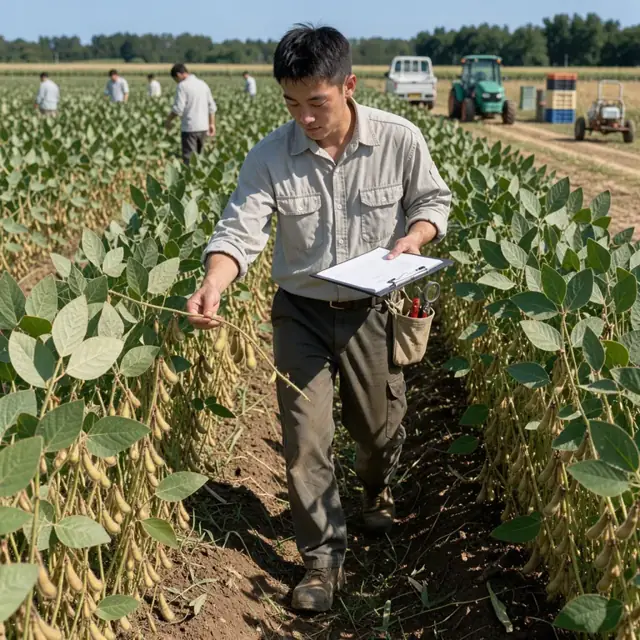
Field Scout and Harvest Scheduler
Create scouting routes, record field observations and prepare harvest task sequences by maturity and weather.
Works in: Ambitious Tasks, Ambitious Sheets, Process Optimizer · Workflows: Field scouting and harvest preparation
Automates
- Generates weekly scouting routes by crop stage
- Logs pest, disease and moisture readings from field observations
- Estimates harvest windows and orders fields for combining
- Builds harvest equipment and labor requirements
Stops for a person
- The farm manager reviews scouting findings and decides on treatments or desiccants
- Harvest order is approved by the operator each morning

Grain Storage and Loadout Operator
Monitor drying, storage conditions and inventory levels while scheduling loadouts to meet sales contracts.
Works in: Ambitious Sheets, Ambitious Tasks, Ambitious Docs · Workflows: Grain drying, storage and loadout
Automates
- Records moisture and test weight from each load
- Creates aeration and dryer run schedules
- Tracks bin inventory by crop, variety and quality
- Generates loadout orders matching contract specifications
Stops for a person
- The operator verifies grain quality before loading trucks
- A person physically checks bin conditions, signs scale tickets and confirms loadout

Sales Contract Administrator
Track market prices, draft sales contracts, schedule deliveries and reconcile scale tickets with payments.
Works in: Ambitious Docs, Ambitious Sheets, Contract Analyzer · Workflows: Sales contract and delivery management
Automates
- Monitors elevator and processor bids
- Drafts contract terms with quantities, grade and delivery windows
- Schedules deliveries against bin inventory
- Reconciles scale tickets with contracts and drafts invoices
Stops for a person
- The owner approves and signs every sales contract
- A person confirms delivered grades meet contract specifications before final settlement
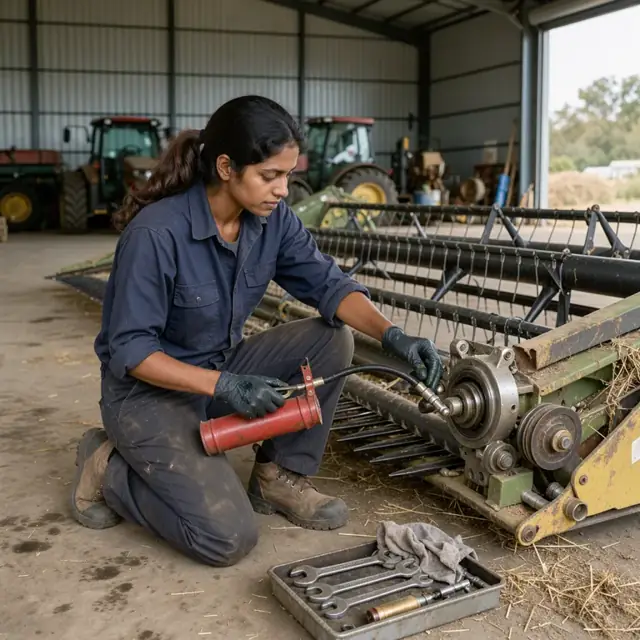
Equipment Maintenance Clerk
Maintain service schedules, parts inventory and repair logs for all tractors, combines and implements.
Works in: Ambitious Tasks, Ambitious Sheets, Ambitious Docs · Workflows: Equipment maintenance and asset tracking
Automates
- Generates post-operation maintenance checklists
- Tracks hours, fuel and parts usage per machine
- Orders parts based on seasonal repair plans
- Maintains digital equipment files for insurance and tax
Stops for a person
- Mechanics perform and sign off on all repairs
- The operator approves major repair expenditures and verifies equipment readiness
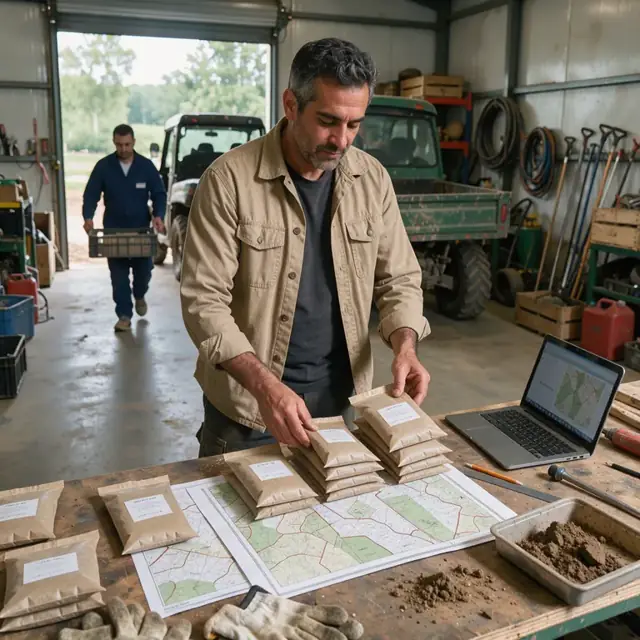
Compliance and Reporting Coordinator
Compile application records, acreage data and test results to prepare required government and insurance reports.
Works in: Ambitious Docs, Ambitious Sheets, Ambitious Tasks · Workflows: Regulatory and conservation reporting
Automates
- Organizes planting and application logs by field
- Prepares draft forms for acreage, pesticide and nutrient reports
- Tracks conservation and crop insurance deadlines
- Maintains soil test and yield map archives
Stops for a person
- The farm operator reviews and signs all submitted reports
- People verify that recorded applications match actual field practices
- The bot never certifies compliance
Workflows
Planting schedule and field readiness
Starts when: Soil temperature thresholds reached or forecast window opens in spring
- Check soil temperature, moisture and forecast for each field using current sensors and weather data
- Review crop rotation plan and available seed variety inventory against planned acres
- Create daily planting task list by field, acreage, planter and tractor requirements
- Flag fields needing tillage, fertilizer or pre-emergent herbicide first
- Draft seed, fuel and input needs for the next seven days and flag equipment service status
Watch for: Planting must occur within narrow weather windows; Equipment must be fully serviced and permitted applicators ready before the window opens
Crop inputs and inventory management
Starts when: Before each application season and when reorder thresholds are hit
- Calculate required seed, fertilizer, herbicide and insecticide per field from planting maps and soil tests
- Subtract current inventory levels and draft purchase orders by supplier with lead times
- Track actual usage rates during application and log amounts applied per field
- Maintain safety data sheets, application records, buffer-zone maps and pesticide permits
- Monitor par levels for critical items that cannot be sourced mid-season and generate reorder alerts
Watch for: Chemical storage, mixing and application must follow label rates, buffer zones and applicator licensing; Fertilizer and pesticide orders require lead time, specific transport and spill-response plans
Field scouting and harvest preparation
Starts when: Weekly during growing season and when crops reach maturity
- Generate scouting routes by field, growth stage and priority risks
- Record pest pressure, weed escapes, disease incidence and grain moisture levels
- Estimate harvest dates, yields and quality per field from scouting data
- Create harvest task list with combine, grain cart, truck and labor needs
- Flag fields ready for desiccant application or immediate harvest based on weather and contracts
Watch for: Harvest order depends on moisture content, weather forecasts and contract delivery deadlines; Grain quality at harvest directly affects sale price, storage options and insurance claims
Grain drying, storage and loadout
Starts when: Each harvest day and when storage bins reach capacity
- Record incoming moisture, test weight and quality samples from each field load
- Build dryer and aeration schedule to reach safe storage moisture without over-drying
- Monitor bin temperatures, moisture and generate fan run times to prevent hot spots
- Draft loadout orders for truck or rail based on current sales contracts and buyer windows
- Log inventory by bin, crop, variety, test results and update remaining storage capacity
Watch for: Preventing spoilage requires constant monitoring of stored grain temperature and moisture; Loadout must match contract grade, quality specifications and delivery windows exactly
Sales contract and delivery management
Starts when: When prices reach targets or delivery windows open
- Monitor current bids from local elevators and processors
- Draft sales contracts specifying quantity, grade, price, basis and delivery period
- Schedule truck or rail deliveries against current storage inventory and dryer status
- Record scale tickets, reconcile with contracts and note any quality adjustments
- Generate invoices, track payments and update accounts receivable
Watch for: Basis contracts, futures hedges and delivery obligations must be tracked precisely; Grain must meet exact grade specifications at delivery or risk rejection and price discounts
Equipment maintenance and asset tracking
Starts when: After each major operation and on a seasonal cadence
- Create post-planting, post-spray and post-harvest maintenance checklists for tractors, combines, sprayers and grain carts
- Track fuel, oil, grease and parts usage by machine and hour meter reading
- Schedule winter repairs, part orders and shop time based on usage and manufacturer intervals
- Maintain equipment logs for tax depreciation, insurance and lender requirements
- Flag machines needing inspection, calibration or permit-related checks before next season
Watch for: Large machinery must be ready exactly when weather allows fieldwork; Parts for older equipment can have long lead times and must be stocked in advance
Regulatory and conservation reporting
Starts when: After planting, application, harvest and on government deadlines
- Compile planted acreage, crop variety, location and soil test data
- Log all pesticide, fertilizer and nutrient applications with dates, rates, locations and applicator details
- Prepare crop insurance acreage reports, production history and yield data submissions
- Track conservation program compliance, buffer strips and wetland records
- Draft renewal forms for pesticide applicator licenses, grain warehouse permits and program participation
Watch for: Reporting deadlines are fixed with penalties for late filing; Application records must match actual field activities exactly and be signed by the licensed applicator
Bot templates for this industry
Source: U.S. Small Business Administration, Office of Size Standards, Table of Small Business Size Standards Matched to North American Industry Classification System Codes, version March 2023 (effective 2023-03-17, NAICS 2022). Size standards are shown for reference only.