

All Other Grain Farming
All other grain farms grow, harvest, store and sell specialty or niche grains such as millet, buckwheat, rye, spelt, sorghum and ancient grains. The operation plants on a seasonal schedule, monitors fields for pests and moisture, harvests at precise times, dries and stores grain, then sells to buyers or mills. Specialists turn planting intentions into field assignments and input orders, turn weather and scouting data into spray or irrigation decisions, turn harvest samples into storage plans and sales offers, and keep equipment, permits and buyer contracts current.
What makes this business different
- Seasonal planting and harvest windows dictated by weather, soil temperature and day length
- Field-specific records for seed variety, fertilizer, pesticide applications and harvest dates required by buyers and regulators
- Moisture content, test weight and cleanliness standards that determine storage, price and rejection risk
- Equipment maintenance and calibration logs for planters, sprayers, combines and grain dryers
- Buyer contracts with quality clauses, delivery windows and traceability requirements
- Grain storage monitoring for temperature, aeration and pest control to prevent spoilage
- Crop insurance, organic or non-GMO certifications and local agricultural permits that must be renewed on time
Specialist bots
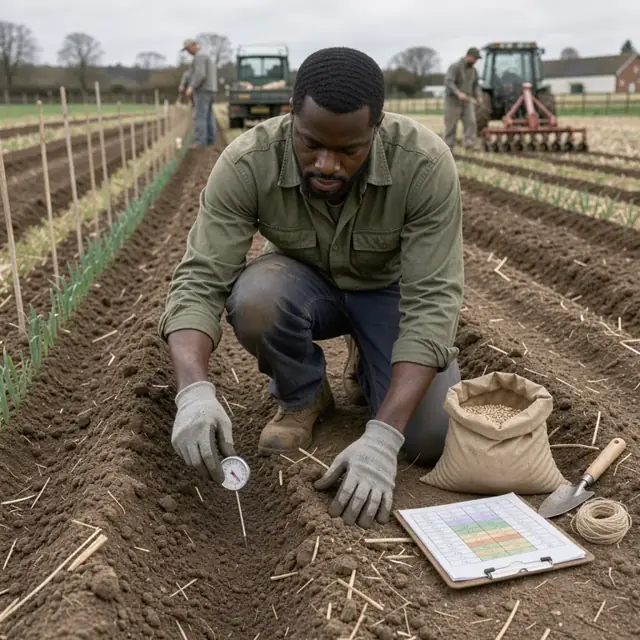
Planting Coordinator
Turn soil and weather data into a precise planting schedule, seed orders and field assignments.
Works in: Ambitious Tasks, Ambitious Sheets, Process Optimizer · Workflows: Planting preparation and field assignment
Automates
- Compares soil tests and rotation history per field
- Calculates seed and input quantities
- Builds day-by-day planting schedule
- Drafts purchase orders for seed and fertilizer
- Creates equipment readiness checklists
Stops for a person
- The grower approves final variety selections and planting dates
- A person places and confirms all purchases
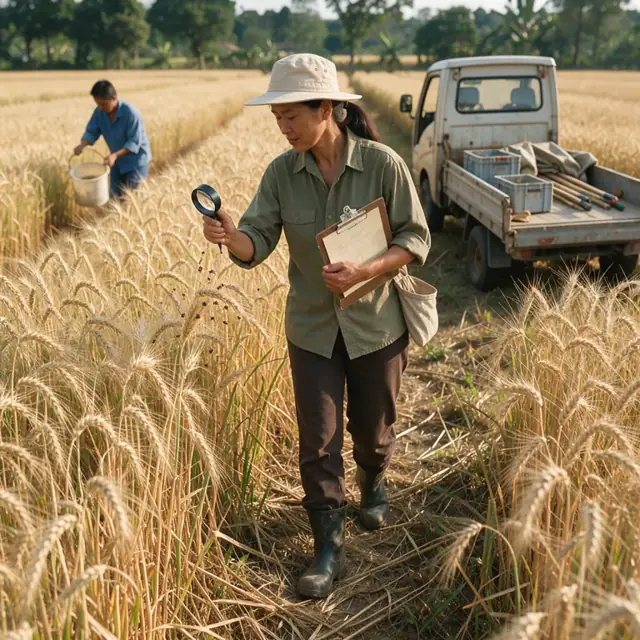
Field Scout Analyst
Turn weekly field observations into treatment decisions and updated activity logs.
Works in: Ambitious Tasks, Ambitious Sheets, Ambitious Docs · Workflows: In-season field scouting and treatment
Automates
- Generates weekly scouting routes by growth stage
- Compares pest counts to economic thresholds
- Drafts spray or irrigation recommendations
- Updates field history with findings and applications
Stops for a person
- The grower confirms all chemical or biological treatments
- A licensed applicator performs and verifies applications

Harvest Planner
Turn moisture samples into daily harvest sequences, equipment assignments and drying plans.
Works in: Ambitious Tasks, Ambitious Sheets · Workflows: Harvest scheduling and execution
Automates
- Records moisture and test weight per field
- Builds harvest order and crew assignments
- Coordinates combine and truck movements
- Schedules dryer time or bin space
Stops for a person
- The operator decides on final harvest start and equipment adjustments
- A person reviews and files daily harvest logs
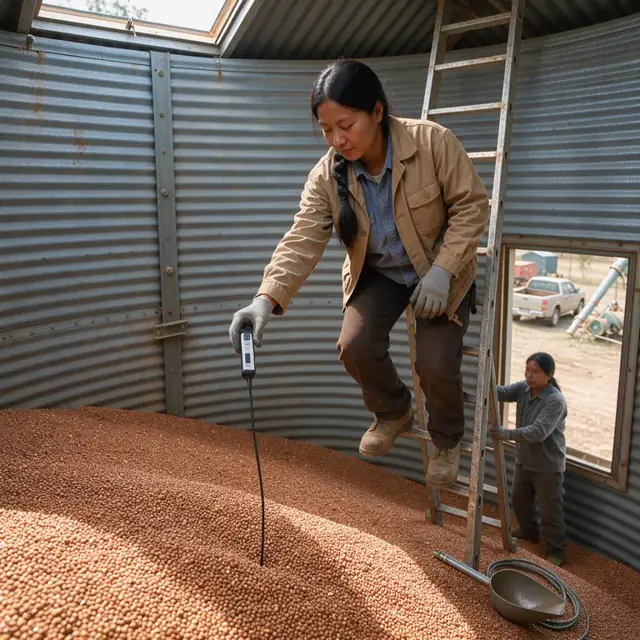
Grain Storage Manager
Monitor bin conditions, assign incoming grain and maintain quality during storage.
Works in: Ambitious Tasks, Ambitious Sheets, Ambitious Docs · Workflows: Post-harvest storage and conditioning
Automates
- Assigns grain to bins by variety and quality
- Sets and tracks aeration and temperature targets
- Logs daily bin readings
- Flags when turning or fumigation is needed
- Generates outbound grading records
Stops for a person
- The owner approves any fumigation or major quality interventions
- A person performs physical bin checks and sampling

Sales and Contract Coordinator
Match current grain inventory to buyer needs and manage contracts and load-out.
Works in: Contract Analyzer, Ambitious Sheets, Ambitious Tasks · Workflows: Sales contracting and delivery
Automates
- Compares inventory to buyer specifications
- Drafts offers and contract summaries
- Analyzes price, delivery and testing clauses
- Creates shipping manifests and certificates
Stops for a person
- The owner approves every contract and price
- A person confirms load quality before trucks leave
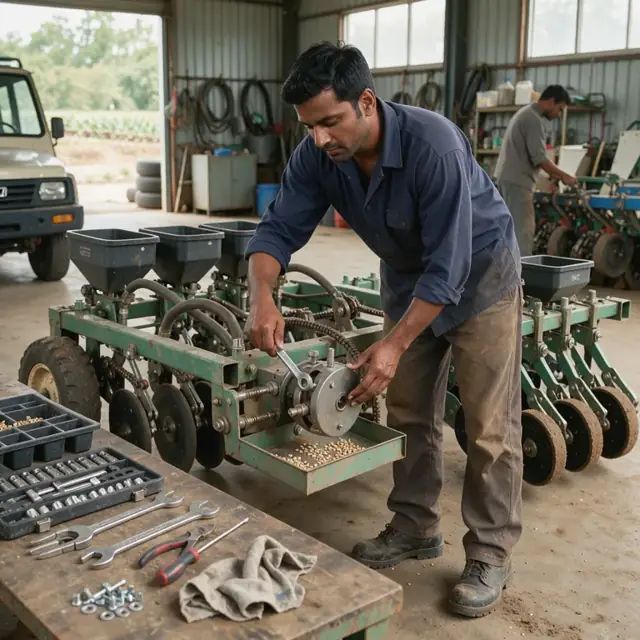
Equipment Maintenance Coordinator
Maintain calibration and service records for all planting, spraying and harvest equipment.
Works in: Ambitious Tasks, Ambitious Sheets, Ambitious Docs · Workflows: Equipment maintenance and calibration
Automates
- Generates preventive maintenance schedules
- Records calibration data for planters and sprayers
- Tracks parts usage and drafts reorder lists
- Logs accumulated hours and flags service needs
Stops for a person
- A certified technician performs major repairs
- The owner approves all significant expenditures
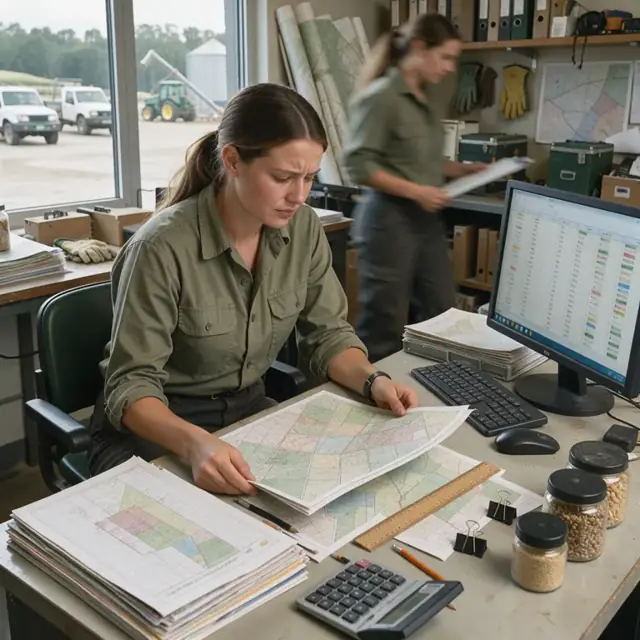
Compliance and Records Clerk
Keep pesticide, fertilizer, certification and insurance records current and audit-ready.
Works in: Ambitious Docs, Ambitious Sheets, Ambitious Tasks · Workflows: Regulatory and certification records
Automates
- Compiles application logs after each field operation
- Tracks renewal dates for insurance and certifications
- Drafts required reports and maps
- Maintains traceability from field to buyer
Stops for a person
- The grower confirms accuracy of all chemical records
- People submit and sign official forms and certifications
Workflows
Planting preparation and field assignment
Starts when: Soil temperature reaches target or on the first of each planting month
- Review soil test results and previous crop rotation for each field
- Select seed varieties and calculate required quantities
- Create equipment readiness checklist for planters and tractors
- Draft input purchase orders for seed, fertilizer and inoculants
- Assign fields to planting days based on weather forecast
Watch for: Planting must occur within narrow soil temperature and moisture windows; Rotation history affects variety choice and input rates
In-season field scouting and treatment
Starts when: Weekly during growing season or after weather event
- Generate scouting route by field priority and growth stage
- Record pest pressure, weed incursions, moisture levels and disease symptoms
- Compare findings against economic thresholds
- Draft treatment recommendations and input orders
- Update field activity log with application details
Watch for: Accurate timing of applications to meet pre-harvest intervals; Buffer zones near waterways and neighboring fields
Harvest scheduling and execution
Starts when: Grain moisture reaches target level
- Sample moisture and test weight from each field
- Build daily harvest sequence and equipment assignments
- Coordinate combine, grain cart and truck movements
- Draft daily harvest logs with field, variety, yield and moisture
- Schedule immediate drying or storage upon delivery to bin
Watch for: Harvest must occur at precise moisture to avoid discounts or spoilage; Equipment breakdowns during narrow harvest window create large losses
Post-harvest storage and conditioning
Starts when: Grain arrives from field or on a daily cadence during harvest
- Record incoming grain by field, variety, moisture and test weight
- Assign bin and set aeration and temperature targets
- Monitor and log bin conditions daily
- Draft fumigation or turning schedule if pests or hotspots appear
- Generate outbound sampling and grading records
Watch for: Maintaining grain below 14 percent moisture and 60 degrees to prevent mold; Traceability from bin back to specific field
Sales contracting and delivery
Starts when: Buyer inquiry, weekly market check or storage space needed
- Compile current inventory by variety, grade and quantity
- Draft offers matching buyer quality specifications
- Analyze contract terms for price, delivery window and testing clauses
- Schedule load-out and transportation
- Create shipping manifest and certificate of analysis
Watch for: Buyers frequently require third-party testing and certificates; Delivery must meet exact moisture and cleanliness specs or loads are rejected
Equipment maintenance and calibration
Starts when: Before each season, after 100 hours of use and on fixed dates
- Generate preventive maintenance checklist for each piece of equipment
- Record calibration results for planters, sprayers and yield monitors
- Track parts inventory and draft reorder lists
- Log maintenance completed and hours accumulated
- Flag items needing professional service
Watch for: Planter and sprayer calibration directly affects yield and regulatory compliance; Combines and dryers must be ready at exact seasonal windows
Regulatory and certification records
Starts when: After each field activity and on renewal dates
- Compile application logs for seed, fertilizer and pesticides
- Track crop insurance, organic certification and buyer audit deadlines
- Draft renewal applications and supporting maps
- Maintain traceability records linking grain to fields and inputs
- Generate reports for government programs or buyers
Watch for: Records must be kept for multiple years and available for inspection; Certification rules differ by buyer and end market
Bot templates for this industry
- All Other Grain Farming (7 bots)
Source: U.S. Small Business Administration, Office of Size Standards, Table of Small Business Size Standards Matched to North American Industry Classification System Codes, version March 2023 (effective 2023-03-17, NAICS 2022). Size standards are shown for reference only.