

Potato Farming
Potato farms plant, irrigate, scout, harvest, store and sell bulk or packed potatoes. Specialists turn soil and weather data into planting maps, scout reports into spray and irrigation plans, harvest yields into storage assignments and sales orders, while keeping equipment logs, pesticide records, seed certifications and food-safety documentation current. The grower makes final calls on varieties, chemicals, storage conditions and contract terms.
What makes this business different
- Multi-variety planting with specific seed-piece sizes, spacing, row configurations and rotation schedules across fields
- Seasonal cadence: soil prep in early spring, planting, irrigation and scouting through summer, harvest in fall, storage and sales through winter
- Real-time soil moisture, weather station and pest scouting data that must trigger immediate irrigation, fungicide or harvest decisions
- Heavy equipment including planters, irrigators, harvesters, trucks and storage ventilation systems that require daily pre-use checks and maintenance logs
- Pesticide, fertilizer and water-use reporting with exact application rates, dates, field maps and buffer-zone compliance
- Seed potato certification, grade inspection and traceability from field to storage bin or buyer
- Bulk storage with temperature, humidity and sprout-inhibitor monitoring plus separate bins for different varieties and quality grades
- Contract and spot-market sales with sampling, grading, packing and load-out coordination
Specialist bots

Planting Coordinator
Convert soil tests, rotation rules and equipment availability into precise GPS planting maps and seed orders.
Works in: Ambitious Sheets, Ambitious Tasks, Process Optimizer · Workflows: Planting plan and field mapping
Automates
- Merges soil and yield maps into field blocks
- Assigns varieties, spacing and seed quantities
- Builds the planting sequence and equipment checklist
- Creates planter guidance files
Stops for a person
- The grower selects final varieties and signs off on the planting map
- Seed treatment and cleaning between varieties is verified by the farm manager
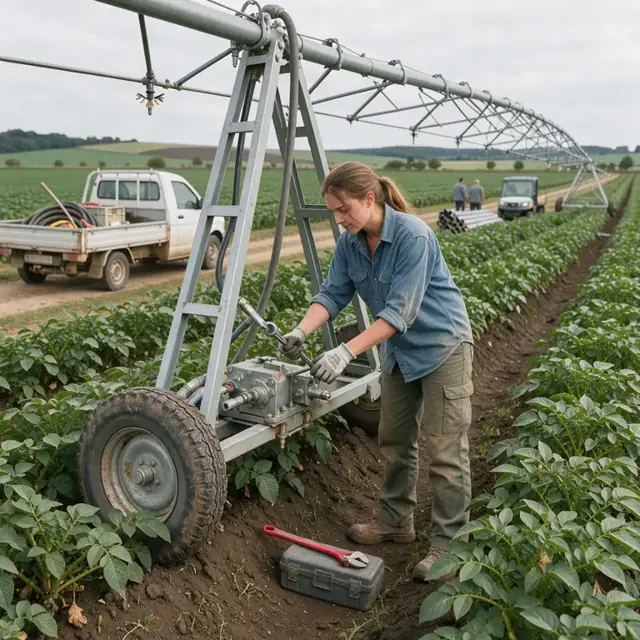
Irrigation Planner
Turn daily soil moisture and weather data into weekly irrigation schedules that respect water rights.
Works in: Ambitious Sheets, Ambitious Tasks · Workflows: Irrigation and soil moisture scheduling
Automates
- Pulls probe and weather station readings
- Calculates crop water use by growth stage
- Builds timed pivot or drip schedules
- Tracks cumulative water applied for reporting
Stops for a person
- The grower approves any emergency irrigation or schedule changes
- Water-use totals are reviewed before regulatory submission
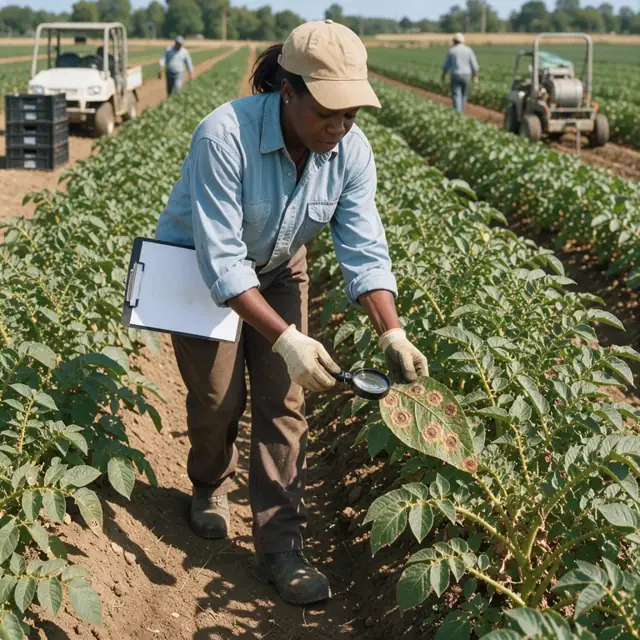
Scout and Spray Analyst
Convert field scouting observations into spray plans and application records.
Works in: Ambitious Tasks, Ambitious Docs, Ambitious Sheets · Workflows: Field scouting and spray planning
Automates
- Logs scout data by GPS point
- Compares findings to action thresholds
- Drafts product, rate and timing recommendations
- Generates regulatory application forms
Stops for a person
- The grower or licensed applicator approves every spray plan
- Actual mixing and application are performed and signed by certified personnel

Harvest Dispatcher
Turn maturity test results into daily harvest block assignments, equipment schedules and tonnage tracking.
Works in: Ambitious Tasks, Ambitious Sheets · Workflows: Harvest scheduling and execution
Automates
- Schedules harvest blocks by maturity and weather
- Assigns harvesters, trucks and support equipment
- Tracks harvested tonnage by variety and field
- Creates post-harvest clean-down lists
Stops for a person
- The grower decides final harvest start dates and variety priorities
- Equipment operators perform and log all safety and maintenance checks
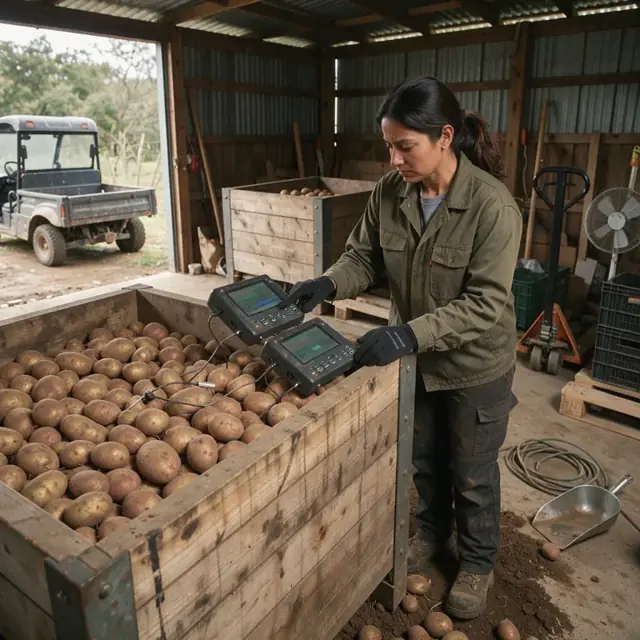
Storage Manager
Monitor bin conditions, schedule ventilation and sprout control, and maintain inventory by variety and grade.
Works in: Ambitious Tasks, Ambitious Sheets, Ambitious Docs · Workflows: Storage and post-harvest management
Automates
- Logs daily temperature, humidity and CO2 readings
- Schedules ventilation and treatment cycles
- Alerts on quality issues by bin
- Generates weekly inventory reports
Stops for a person
- The grower reviews and approves all treatment applications
- Any bin adjustments or movements are directed by farm staff

Sales and Load-out Coordinator
Match buyer orders to stored inventory, schedule grading and load-out, and prepare shipping documents.
Works in: Ambitious Tasks, Ambitious Docs, Ambitious Sheets · Workflows: Sales order and load-out fulfillment
Automates
- Matches orders to bin inventory by grade
- Schedules load-out and grading times
- Drafts bills of lading and compliance packets
- Updates inventory after each shipment
Stops for a person
- The grower approves contract terms and final pricing
- A person performs final grading, sampling and signs all load documents
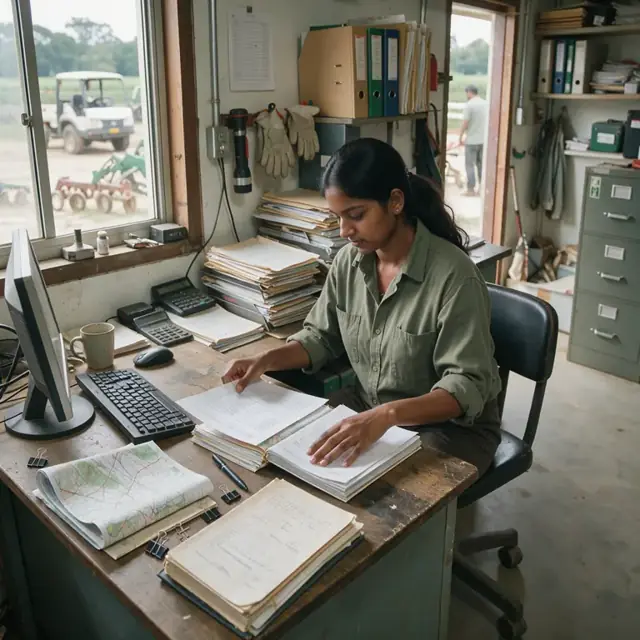
Compliance and Records Clerk
Compile pesticide, fertilizer, water-use and certification records and prepare them for grower approval.
Works in: Ambitious Docs, Ambitious Sheets, Ambitious Tasks · Workflows: Regulatory and certification records
Automates
- Organizes application logs with maps and rates
- Tracks renewal dates for licenses and certifications
- Builds pre-audit checklists
- Maintains traceability from field to buyer
Stops for a person
- The grower personally reviews and signs every regulatory document
- All inspections and corrective actions are performed and documented by licensed personnel
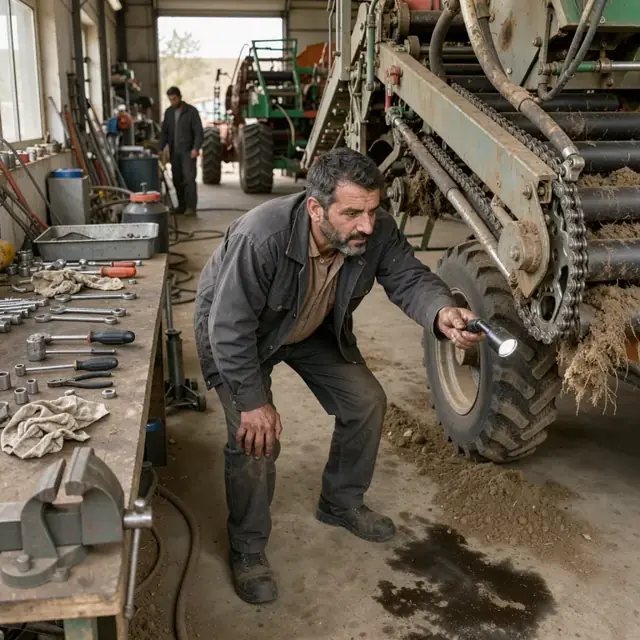
Equipment Maintenance Coordinator
Track daily pre-use inspections, schedule maintenance and maintain equipment logs for all farm machinery.
Works in: Ambitious Tasks, Ambitious Sheets, Ambitious Docs · Workflows: Equipment maintenance and safety checks
Automates
- Generates daily equipment checklists
- Logs operating hours and maintenance events
- Schedules seasonal service and part orders
- Tracks calibration records for sprayers and planters
Stops for a person
- Farm staff perform and sign all daily safety checks
- The grower approves major repairs or equipment purchases
Workflows
Planting plan and field mapping
Starts when: Soil tests complete and spring fieldwork window opens
- Import current soil nutrient maps and previous-year yield data by field section
- Assign seed varieties, seed-piece sizes, planting depth and row spacing to each field block
- Generate GPS-guided planter maps and seed-order quantities
- Schedule planting sequence accounting for equipment availability and weather forecast
- Create pre-planting equipment checklist and seed-treatment log
Watch for: Crop rotation rules and certified seed requirements must be strictly followed; Planter equipment must be cleaned between varieties to prevent disease spread
Irrigation and soil moisture scheduling
Starts when: Daily soil moisture probe and weather station readings during growing season
- Pull latest evapotranspiration, rainfall and soil moisture data for each pivot or block
- Calculate daily water requirements per variety and growth stage
- Build weekly irrigation schedule with start times, durations and flow rates
- Flag any blocks needing emergency irrigation or pump maintenance
- Log actual water applied and update cumulative totals for regulatory reporting
Watch for: Water rights and usage caps differ by district and must never be exceeded; Irrigation must avoid bloom or certain growth stages for some varieties
Field scouting and spray planning
Starts when: Weekly scouting cadence or pest threshold alert
- Record scout observations on insects, weeds, disease and nutrient stress by GPS point
- Cross-reference findings against economic thresholds and label requirements
- Generate spray plan with product, rate, timing, buffer zones and re-entry intervals
- Create applicator checklist and equipment calibration log
- Draft regulatory application record for approval before mixing
Watch for: Only approved products and exact rates may be used; buffer zones must be observed; All spray records must be kept for the required number of years
Harvest scheduling and execution
Starts when: Maturity samples reach target and weather window opens
- Confirm field maturity, skin set and dry-matter tests
- Assign harvest blocks to harvester crews and truck routes
- Generate daily harvest plan with equipment assignments and bin or truck targets
- Track harvested tonnage per field and variety
- Create post-harvest equipment clean-down and storage prep checklist
Watch for: Harvest timing is critical to avoid bruising, disease and storage issues; Different varieties and quality grades must be kept separate from the field onward
Storage and post-harvest management
Starts when: Daily during storage season and after each load-in or load-out
- Monitor and log temperature, humidity and CO2 levels in each bin
- Schedule and record sprout inhibitor or ventilation cycles
- Flag any bins showing condensation, hot spots or quality decline
- Generate weekly inventory report by variety, grade and owner
- Prepare bins for next season with cleaning and maintenance logs
Watch for: Storage conditions must prevent sprouting, rot and weight loss; Traceability from field to bin must be maintained at all times
Sales order and load-out fulfillment
Starts when: Buyer contract or spot order received
- Match order to available inventory by variety, grade and storage bin
- Schedule load-out date, grading station time and truck arrival
- Generate pack list, bill of lading and food-safety compliance documents
- Record weights, grades and any rejections at load-out
- Update inventory and trigger reorder or storage adjustment
Watch for: Federal and state grade standards must be met before loading; All shipments require proper temperature and traceability documentation
Regulatory and certification records
Starts when: After every application, inspection or renewal date
- Compile pesticide, fertilizer and water-use logs with maps and rates
- Track seed certification, equipment maintenance and worker training records
- Generate pre-inspection checklists for food-safety, organic or export audits
- Alert on upcoming renewal dates for licenses and certifications
- Organize all documents for grower review before submission
Watch for: Exact application dates, rates, wind conditions and buffer compliance are mandatory; The grower must personally confirm and sign all regulatory filings
Equipment maintenance and safety checks
Starts when: Daily before use, after each season and on scheduled service dates
- Generate daily pre-operation checklist for planters, harvesters, irrigators and trucks
- Log hours, fluid levels, tire pressure and any faults
- Schedule seasonal deep maintenance and part orders
- Track calibration of sprayers, planters and graders
- Flag any equipment that fails safety or regulatory inspection
Watch for: All heavy equipment requires documented daily inspections before operation; Maintenance records must be available for insurance and regulatory audits
Bot templates for this industry
- Potato Farming (8 bots)
Source: U.S. Small Business Administration, Office of Size Standards, Table of Small Business Size Standards Matched to North American Industry Classification System Codes, version March 2023 (effective 2023-03-17, NAICS 2022). Size standards are shown for reference only.