

Orange Groves
Orange groves manage citrus orchards, schedule irrigation and nutrient applications, monitor for pests and disease, coordinate seasonal harvest crews, pack and ship fresh fruit, and maintain compliance with agricultural permits and food-safety standards. Specialists turn weather and soil data into irrigation plans, scouting reports into spray schedules, harvest estimates into crew assignments and packing plans, and keep track of reorders for fertilizer, fuel and packaging while the grower confirms all chemical applications and regulatory paperwork.
What makes this business different
- Seasonal cycles with distinct dormant, bloom, fruit-set, sizing and harvest windows that shift with weather
- Irrigation scheduling based on evapotranspiration, soil moisture probes and freeze protection
- Integrated pest management with regular grove scouting, trap counts and targeted spray windows
- Harvest labor coordination that scales with maturity tests, weather and packing-house capacity
- Traceability from block to bin to shipment with lot numbers and food-safety audit logs
- Permits for pesticide applicators, nutrient plans, water-use reporting and citrus canker or HLB quarantine compliance
- Equipment maintenance for tractors, sprayers, harvesters and irrigation lines with fuel and parts inventory
- Fresh-fruit packing that meets grade, size, color and pack-style standards for domestic or export markets
Specialist bots
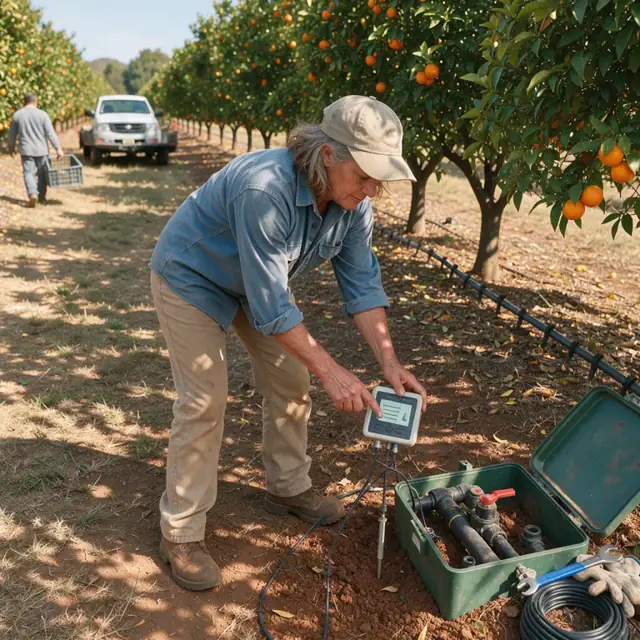
Irrigation Planner
Convert daily soil, weather and growth-stage data into precise irrigation and fertigation schedules for each grove block.
Works in: Ambitious Sheets, Ambitious Tasks, Process Optimizer · Workflows: Irrigation and nutrient scheduling
Automates
- Pulls evapotranspiration and probe data
- Calculates daily water and nutrient needs
- Builds zone-specific run-time schedules
- Flags freeze or leaching events
- Drafts daily application logs
Stops for a person
- The grower reviews and approves every chemical injection schedule
- Water district restrictions are confirmed by the owner

Pest and Disease Scout Coordinator
Turn scouting data and trap counts into spray recommendations that respect economic thresholds and pre-harvest intervals.
Works in: Ambitious Tasks, Ambitious Docs, Ambitious Sheets · Workflows: Pest and disease scouting
Automates
- Generates weekly scouting routes by block
- Records trap and visual data
- Compares findings to action thresholds
- Drafts product-rate and timing recommendations
- Creates follow-up scouting tasks
Stops for a person
- A licensed applicator confirms and signs every spray recommendation
- The grower decides on organic versus conventional options

Harvest Dispatcher
Convert maturity test results and packing-house capacity into daily crew assignments, bin tickets and harvest routes.
Works in: Ambitious Tasks, Ambitious Sheets · Workflows: Harvest planning and crew dispatch
Automates
- Pulls brix, acid and size sample data
- Forecasts daily volume by block
- Assigns crews and equipment to ripest blocks
- Generates lot-numbered bin tickets
- Drafts crew start-time messages
Stops for a person
- The grower sets final harvest order and approves crew sizes
- Crew foremen confirm daily safety briefings

Packing and Shipping Coordinator
Turn incoming field bins into pack plans, traceability labels and shipping documents that meet buyer and regulatory standards.
Works in: Ambitious Docs, Ambitious Sheets, Ambitious Tasks · Workflows: Packing and shipping coordination
Automates
- Records bin weights and block lots
- Creates daily pack plans by grade and carton style
- Generates barcoded labels and PLU stickers
- Drafts bills of lading and cold-treatment logs
- Tracks carton and pallet inventory
Stops for a person
- The packing-house manager approves all pack plans
- Phytosanitary certificates are signed by a licensed inspector

Supply and Equipment Planner
Maintain fertilizer, pesticide, fuel and parts inventory while scheduling equipment maintenance to avoid downtime.
Works in: Ambitious Sheets, Ambitious Tasks, Process Optimizer · Workflows: Fertilizer, chemical and equipment inventory, Grove equipment and irrigation maintenance
Automates
- Subtracts applied materials from stock
- Calculates reorder quantities against seasonal needs
- Drafts supplier purchase lists
- Schedules maintenance for tractors and sprayers
- Tracks fuel and parts usage
Stops for a person
- The owner places and approves every chemical or fertilizer purchase
- Restricted materials are physically verified before storage
- Mechanics approve all repair work orders
- The owner verifies backflow preventer certifications
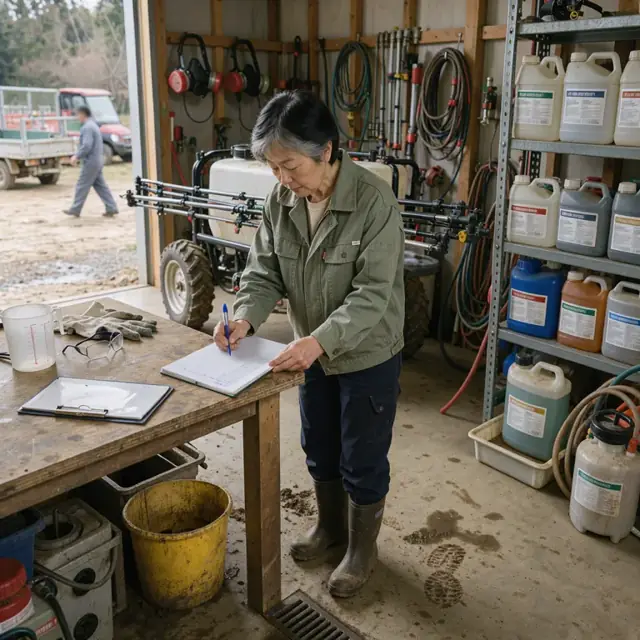
Compliance and Record Clerk
Compile spray records, irrigation logs, permit renewals and audit checklists so the grower can confirm regulatory requirements.
Works in: Ambitious Docs, Ambitious Sheets, Ambitious Tasks · Workflows: Regulatory and food-safety documentation
Automates
- Compiles application records with date, rate and location
- Logs water and nutrient volumes
- Tracks license and permit renewal dates
- Generates audit-ready checklists
- Flags blocks under any hold or quarantine
Stops for a person
- The licensed applicator personally reviews and signs all pesticide records
- The grower confirms which rules apply to each block
- People handle all submissions to regulatory agencies
Workflows
Irrigation and nutrient scheduling
Starts when: Daily soil-moisture and weather data update or weekly review
- Pull evapotranspiration, rainfall and soil-probe readings for each block
- Calculate water and fertilizer requirements per variety and growth stage
- Build timed irrigation schedule for drip or micro-sprinkler zones
- Flag freeze-protection or leaching events
- Draft application log for review
Watch for: Water restrictions and well permits vary by district and season; Nutrient plans must align with state best-management practices
Pest and disease scouting
Starts when: Weekly or after rain or degree-day thresholds
- Generate block-specific scouting routes and trap counts
- Record visual symptoms, leaf samples and trap data
- Compare findings against economic thresholds
- Draft targeted spray recommendations with product, rate and pre-harvest interval
- Create follow-up inspection task
Watch for: Pesticide applications require licensed applicator sign-off; Quarantine pests trigger immediate regulatory reporting
Harvest planning and crew dispatch
Starts when: Maturity samples reach target brix or color
- Sample fruit from each block for brix, acid, size and color
- Forecast daily harvest volume against packing-house slots
- Assign crews and equipment to blocks with ripest fruit first
- Generate bin and ticket templates with block and lot numbers
- Draft crew start times and safety brief
Watch for: Labor must match daily packout capacity to avoid field heat damage; Weather can cancel or accelerate harvest windows
Packing and shipping coordination
Starts when: Bins arrive at packing house
- Record incoming bin weights and block lots
- Create pack plan by grade, size and carton style
- Generate traceability labels and PLU or barcode stickers
- Draft bills of lading and temperature logs for refrigerated trucks
- Track inventory of cartons, pallets and cooling space
Watch for: Export shipments require phytosanitary certificates and cold-treatment verification; Food-safety audits demand one-up one-down traceability
Fertilizer, chemical and equipment inventory
Starts when: After each application and monthly
- Subtract used fertilizer, pesticides and fuel from current stock
- Calculate reorder quantities against seasonal forecasts
- Draft purchase lists by supplier with required safety data sheets
- Schedule delivery and storage by compatibility
- Track sprayer and tractor maintenance due dates
Watch for: Restricted-use pesticides must be stored and logged separately; Fuel tanks require spill-prevention and secondary containment
Regulatory and food-safety documentation
Starts when: After each spray, irrigation event or on fixed dates
- Compile spray records with applicator, product, rate, date and location
- Log irrigation volumes and nutrient applications
- Track renewal dates for pesticide licenses, grove registrations and water permits
- Prepare audit-ready checklists for GAP, FSMA or buyer requirements
- Flag any block under quarantine or hold
Watch for: Applicators must personally confirm and sign spray logs; State and federal rules change by county and export market
Grove equipment and irrigation maintenance
Starts when: Monthly or after each major use
- Generate preventive-maintenance calendar for tractors, sprayers and harvesters
- Create work orders for filter changes, pump repairs and line flushes
- Track parts inventory and fuel usage
- Draft safety-inspection checklists before seasonal use
- Record completed repairs with before-and-after photos
Watch for: Backflow preventers on irrigation systems require annual certification; Heavy equipment needs documented operator training
Bot templates for this industry
- Orange Groves (6 bots)
Source: U.S. Small Business Administration, Office of Size Standards, Table of Small Business Size Standards Matched to North American Industry Classification System Codes, version March 2023 (effective 2023-03-17, NAICS 2022). Size standards are shown for reference only.