

Apple Orchards
Apple orchards grow, thin, harvest, pack and sell fresh apples through direct markets, u-pick, farm stands, wholesale and cider production. Specialists turn weather and bloom data into spray and irrigation schedules, monitor fruit set and sizing, convert harvest estimates into crew assignments and packing plans, track inventory across cold-storage rooms by variety and grade, and manage sales orders while maintaining food-safety and organic records. The grower makes final calls on chemicals, harvest dates and market pricing.
What makes this business different
- Seasonal cycles of pruning in winter, bloom monitoring in spring, thinning in early summer, harvest in fall and dormant sprays
- Weather-driven decisions for frost protection, irrigation, pest scouting and spray timing that must be logged for compliance
- Multiple apple varieties with different bloom times, maturity dates, storage life and market windows
- Labor crews for hand thinning, picking and packing that scale sharply during harvest
- Cold storage rooms managed by variety, grade, atmosphere and pull dates with constant temperature and humidity logs
- Food safety, GAP, organic certification and pesticide applicator records that require detailed application and harvest interval tracking
- Direct-market channels including u-pick, farm stand, CSA, wholesale and cider that each need separate order, pricing and inventory tracking
Specialist bots

Seasonal Orchard Planner
Build the annual calendar of pruning, bloom, thinning, harvest and market activities from historical and current orchard data.
Works in: Ambitious Sheets, Ambitious Tasks, Process Optimizer · Workflows: Seasonal orchard planning
Automates
- Compares prior season performance by variety
- Generates pruning and spray timing recommendations
- Forecasts labor and equipment demand
- Builds the master phenology calendar
Stops for a person
- The grower approves all chemical and nutrient plans
- Final yield targets are set by the owner

Bloom and Frost Monitor
Track daily weather, bloom stage and frost risk to recommend protection measures and update pollination plans.
Works in: Ambitious Tasks, Ambitious Sheets, Ambitious Docs · Workflows: Bloom and frost management
Automates
- Pulls sensor data and forecasts frost risk
- Records bloom progression notes
- Schedules wind machine or sprinkler activation windows
- Updates bee activity and spray restrictions
Stops for a person
- The grower decides on actual frost protection deployment
- All spray decisions during bloom are confirmed by the owner

Thinning Coordinator
Assess fruit set, create crew assignments and track thinning progress to achieve target crop loads.
Works in: Ambitious Tasks, Ambitious Sheets, Process Optimizer · Workflows: Fruit thinning and crop load management
Automates
- Calculates fruit per tree from sample counts
- Assigns rows and blocks to thinning crews
- Tracks completion percentage per block
- Forecasts impact on final fruit size
Stops for a person
- Crew supervisors report daily progress to the grower
- Chemical thinning decisions are made only by the owner

Harvest Forecaster and Crew Dispatcher
Sample fruit maturity, forecast harvest windows and assign daily picking crews and bin movements.
Works in: Ambitious Tasks, Ambitious Sheets · Workflows: Harvest forecasting and crew dispatch
Automates
- Logs maturity samples for color, brix and firmness
- Predicts peak harvest dates by variety
- Builds daily crew and block picking schedule
- Allocates bins and transport routes
Stops for a person
- The grower confirms exact harvest start dates
- Crew foremen adjust assignments on site for weather or fruit condition
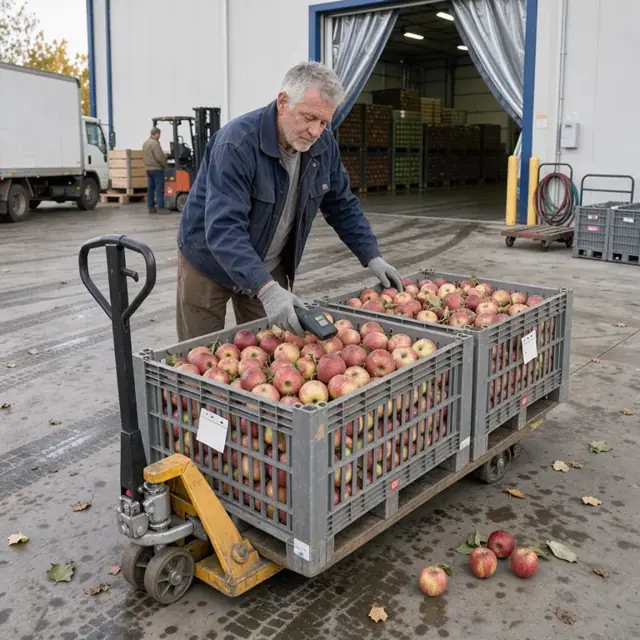
Packing and Storage Manager
Track graded packout, assign storage rooms and maintain real-time inventory by variety, grade and pull date.
Works in: Ambitious Sheets, Ambitious Tasks, Ambitious Docs · Workflows: Packing and cold storage inventory
Automates
- Converts bin counts to projected packout
- Schedules packing line by grade and market
- Assigns controlled atmosphere rooms with set points
- Generates traceability labels and inventory reports
Stops for a person
- The owner approves room atmosphere settings and long-term storage decisions
- Packhouse staff verify label accuracy before palletizing

Sales Order Coordinator
Convert incoming orders from all channels into picking, packing and delivery tasks while updating live inventory.
Works in: Ambitious Tasks, Ambitious Sheets, Email Buckets · Workflows: Sales order and market fulfillment
Automates
- Captures order by variety, grade and quantity
- Reserves inventory from specific storage rooms
- Creates pick and load tasks for the packhouse
- Drafts confirmations and updates remaining stock
Stops for a person
- The owner sets or adjusts pricing for each market channel
- All outbound deliveries or customer pickups are confirmed by staff

Spray and Scouting Recorder
Log scouting observations, draft spray plans and maintain complete pesticide application and food-safety records.
Works in: Ambitious Docs, Ambitious Sheets, Ambitious Tasks · Workflows: Pest scouting and spray recordkeeping
Automates
- Organizes weekly scouting data by block
- Calculates application rates and pre-harvest intervals
- Generates standardized spray and harvest interval records
- Flags upcoming compliance deadlines
Stops for a person
- The certified applicator reviews and approves every spray recommendation
- The grower signs and dates all final application records
- People confirm that all regulatory requirements are met
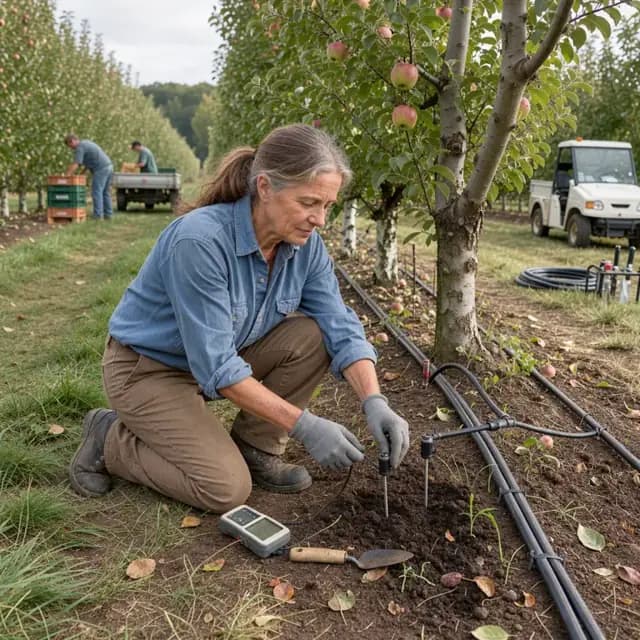
Irrigation Planner
Convert soil moisture and weather data into weekly irrigation schedules and maintain water usage logs.
Works in: Ambitious Sheets, Ambitious Tasks, Process Optimizer · Workflows: Irrigation and water management
Automates
- Analyzes probe and evapotranspiration data by block
- Builds zone-specific irrigation run schedules
- Calculates total water volume and logs actual usage
- Flags blocks at risk of drought or overwatering
Stops for a person
- The grower approves all irrigation plans and water-rights reporting
- Pump and system maintenance is scheduled by the owner
Workflows
Seasonal orchard planning
Starts when: End of previous harvest and start of dormancy
- Review last season's yield, quality and storage performance by variety
- Draft pruning, fertilization and dormant spray plan based on tree age and block layout
- Forecast labor, equipment and supply needs for the full year
- Set target yields and grade goals for each variety
- Create master calendar with bloom, thinning, harvest and market windows
Watch for: Plans must account for alternate bearing in some varieties; Grower approves all chemical and nutrient applications
Bloom and frost management
Starts when: Daily during bloom window each spring
- Record daily temperatures, wind and frost risk from on-site sensors
- Track bloom progression stage by stage and variety
- Draft frost protection schedule and crew assignments for wind machines or sprinklers
- Log any protective actions taken and outcomes
- Update pollination plan if bee activity or weather requires adjustment
Watch for: Frost events can destroy an entire crop in one night; Timing of any sprays must respect bloom and pollinator safety
Fruit thinning and crop load management
Starts when: Six to eight weeks after bloom
- Assess fruit set density by variety and block
- Draft crew assignments and target fruit per tree or per spur
- Schedule hand-thinning passes with timing windows
- Track progress and remaining load per block
- Forecast resulting harvest size and timing
Watch for: Over-thinning or under-thinning directly affects fruit size and next year's bloom; Chemical thinning options require precise weather and timing
Harvest forecasting and crew dispatch
Starts when: Beginning of each variety's maturity window
- Sample fruit for color, firmness, sugar and starch levels
- Update maturity forecast and projected harvest dates by block
- Build daily picking crew schedule and block assignments
- Prepare bins, bin tags and transport plan
- Draft packing and storage room allocation based on volume
Watch for: Harvest must occur at exact maturity for each variety's market; Labor demand spikes and must be coordinated with housing and transport
Packing and cold storage inventory
Starts when: Daily during and after harvest
- Convert bin receipts into graded packout estimates
- Schedule packing line runs by variety and grade
- Assign storage rooms with atmosphere and temperature targets
- Track inventory by variety, grade, count and pull date
- Generate labels and traceability records for each pallet
Watch for: Apples continue to ripen in storage; pull dates are critical; Traceability from block to final package required for food safety
Sales order and market fulfillment
Starts when: Incoming wholesale, farm stand or u-pick orders
- Capture order details including variety, grade, count and delivery date
- Check against current cold storage inventory and projected packout
- Draft picking and loading schedule from storage rooms
- Create delivery or pickup confirmation
- Update remaining inventory after fulfillment
Watch for: Direct market pricing differs from wholesale; U-pick and farm stand inventory must be refreshed daily
Pest scouting and spray recordkeeping
Starts when: Weekly during growing season and before each application
- Log scouting results for insects, disease and weeds by block
- Draft spray recommendations with product, rate and timing
- Generate application record including weather, REI and PHI
- Track harvest intervals to ensure safe picking dates
- Maintain organic or conventional compliance logs
Watch for: All applications must be recorded with exact rates and dates; Grower reviews and signs every spray record before filing
Irrigation and water management
Starts when: Weekly from bloom through harvest and on soil-moisture thresholds
- Review soil moisture probe data and evapotranspiration forecasts by block
- Draft weekly irrigation schedule with hours and zones
- Calculate water volume needed per variety and growth stage
- Log actual pump run times, flow rates and rainfall
- Flag blocks needing adjustment for drought or overwatering
Watch for: Water rights permits and usage logs required in many regions; Irrigation timing affects fruit size, cracking risk and storage quality
Bot templates for this industry
- Apple Orchards (8 bots)
Source: U.S. Small Business Administration, Office of Size Standards, Table of Small Business Size Standards Matched to North American Industry Classification System Codes, version March 2023 (effective 2023-03-17, NAICS 2022). Size standards are shown for reference only.