

Grape Vineyards
Grape vineyards manage seasonal cycles of pruning, canopy management, irrigation, pest control, harvest and post-harvest for table, wine and raisin grapes. Specialists turn weather, soil and vine data into weekly task lists, schedule crews and equipment, track spray records and compliance paperwork, convert harvest estimates into bin schedules and buyer contracts, and maintain equipment and chemical inventories. The grower retains all decisions on variety blocks, chemical applications, harvest timing and sales contracts.
What makes this business different
- Block-by-block tracking of grape varieties, rootstock, age and vigor that drive different treatment and harvest windows
- Strict seasonal cadence: dormant pruning in winter, shoot thinning and canopy work in spring, veraison monitoring in summer, harvest in fall
- Weather-driven scheduling with frost protection, heat spikes and rain events that can shift tasks by days
- Pesticide, fungicide and herbicide application logs with buffer zones, re-entry intervals and restricted-use permits
- Irrigation scheduling based on evapotranspiration data, soil moisture probes and vine water status
- Harvest coordination with buyers, wineries or packing houses including maturity sampling, yield estimates and transport permits
- Equipment maintenance for tractors, sprayers, harvesters and frost fans with annual inspections and calibration records
- Regulatory paperwork for pesticide use reports, water use reporting and food-safety audits that must be filed on time
Specialist bots
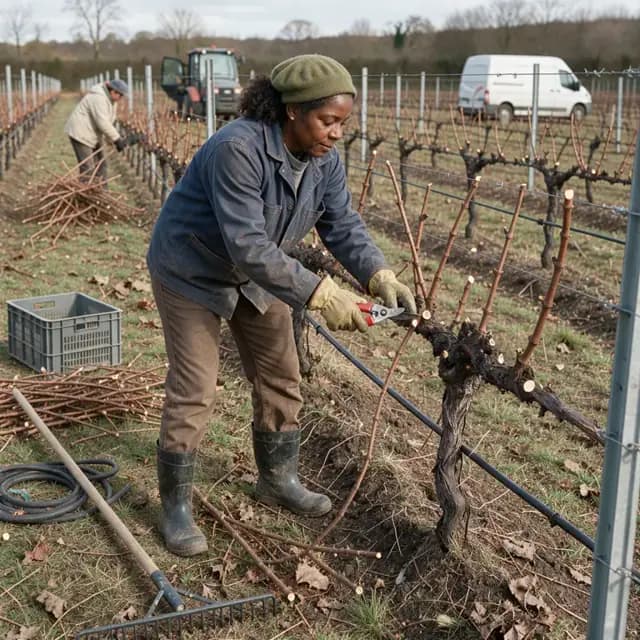
Vineyard Scheduler
Convert seasonal calendars, weather forecasts and block data into weekly crew and equipment task lists.
Works in: Ambitious Tasks, Ambitious Sheets, Process Optimizer · Workflows: Winter pruning and dormant work scheduling, Irrigation and vine water status monitoring
Automates
- Pulls weather and ET data to adjust irrigation and spray windows
- Builds block-specific task lists with required tools and crew size
- Sequences tasks to avoid weather conflicts and labor bottlenecks
- Updates progress against completed rows and remaining work
Stops for a person
- The grower approves changes to pruning severity or irrigation amounts
- Crew leads confirm actual hours and any vine issues found

Spray and Pest Management Coordinator
Turn scouting reports and growth stage data into timed spray schedules and required regulatory records.
Works in: Ambitious Tasks, Ambitious Docs, Ambitious Sheets · Workflows: Pest, disease and spray application planning
Automates
- Matches pest pressures to approved materials and rates for each block
- Calculates tank mixes, order of blocks and buffer distances
- Generates daily spray logs and re-entry notices
- Pre-fills pesticide use report templates
Stops for a person
- The grower or licensed applicator approves every material and rate before mixing
- The applicator confirms actual weather conditions and gallons applied
- A person files the final pesticide report with the county
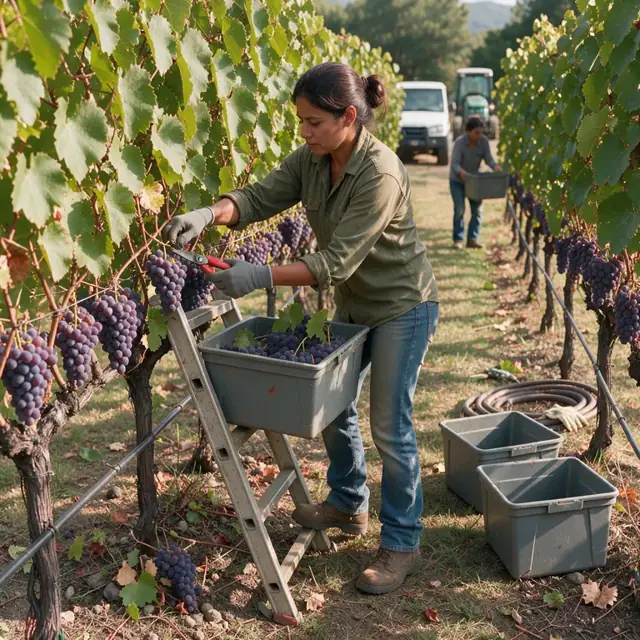
Harvest and Maturity Planner
Track grape maturity samples and convert them into block harvest dates, yield estimates and buyer delivery schedules.
Works in: Ambitious Sheets, Ambitious Tasks, Ambitious Docs · Workflows: Harvest forecasting and coordination
Automates
- Organizes Brix, acid and tasting data by block over time
- Projects harvest windows and total tonnage
- Matches estimates to open contracts and creates daily harvest task lists
- Drafts transport manifests and field harvest logs
Stops for a person
- The grower decides exact harvest date for each block
- The grower negotiates and signs every sales contract
- A person confirms final tonnage and quality with the buyer

Irrigation and Water Use Specialist
Build weekly irrigation schedules from soil, weather and vine data while tracking total water use for reporting.
Works in: Ambitious Sheets, Process Optimizer, Ambitious Tasks · Workflows: Irrigation and vine water status monitoring
Automates
- Combines ET, probe and pressure data into block recommendations
- Calculates run times and zone schedules
- Logs cumulative water applied by block and pump
- Flags maintenance needs for filters and emitters
Stops for a person
- The grower sets target vine water status and approves schedule changes
- Pump operators confirm actual hours pumped and any equipment problems

Compliance and Records Clerk
Organize spray records, water reports, maintenance logs and permit renewals so all paperwork stays current.
Works in: Ambitious Docs, Ambitious Sheets, Ambitious Tasks · Workflows: Regulatory and compliance documentation, Equipment and asset maintenance
Automates
- Compiles spray and application records into report formats
- Tracks renewal dates for licenses, insurance and certifications
- Maintains equipment maintenance calendars and calibration logs
- Prepares checklists for upcoming audits or inspections
Stops for a person
- The grower reviews and signs every pesticide use report before filing
- A licensed person verifies restricted material applications
- People handle all interactions with inspectors and regulators
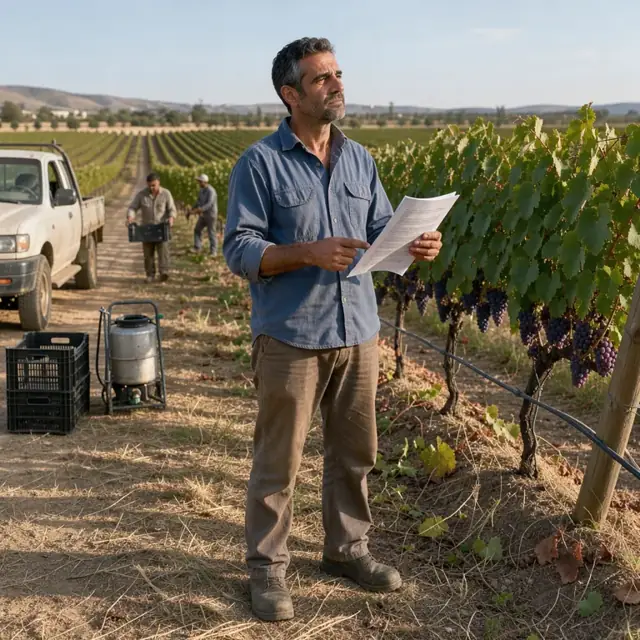
Contract and Sales Manager
Draft buyer contracts from harvest estimates, track acceptance and organize delivery schedules and settlements.
Works in: Ambitious Docs, Contract Analyzer, Ambitious Tasks · Workflows: Buyer contract and sales management
Automates
- Pulls yield estimates into contract templates by variety and block
- Highlights key terms such as price, tonnage and quality clauses
- Tracks contract status and expected delivery dates
- Organizes settlement statements after delivery
Stops for a person
- The grower approves and signs every contract and amendment
- The grower confirms final quality adjustments and payments
Workflows
Winter pruning and dormant work scheduling
Starts when: After leaf drop in late fall or when temperatures remain above freezing
- Review block maps and last season's yield data to set pruning severity targets per variety
- Generate crew task lists with specific cuts, training systems and debris removal instructions
- Assign equipment such as pruning shears, loppers and tractors with brush shredders
- Track completed rows and flag blocks needing follow-up tie-down or sucker removal
- Update vine count and projected bud load for next season's yield forecast
Watch for: Pruning must finish before bud break; delays risk poor fruit set; Different varieties require different spur or cane pruning styles
Irrigation and vine water status monitoring
Starts when: Weekly from bud break through post-harvest or when soil moisture thresholds are reached
- Pull evapotranspiration and weather station data for the vineyard location
- Compare against soil probe readings and leaf water potential measurements
- Build weekly irrigation schedule by block with hours, gallons per vine and drip emitter settings
- Draft pump and filter maintenance reminders
- Log total water applied for regulatory reporting
Watch for: Water allocation limits and drought rules vary by district and year; Over- or under-watering directly affects berry size and sugar development
Pest, disease and spray application planning
Starts when: Weekly during growing season or after scouting reports
- Review scouting notes for mildew, mites, leafhoppers or other pressures
- Match growth stage and weather forecast to approved materials and rates
- Generate spray schedule with block order, tank mixes, buffer requirements and re-entry intervals
- Create application records template for the applicator
- Flag restricted materials needing additional permits
Watch for: All applications must follow label rates, weather cutoffs and pre-harvest intervals; Records must be kept for at least two years and filed with county agricultural commissioner
Harvest forecasting and coordination
Starts when: Beginning at veraison and weekly until harvest
- Schedule maturity sampling by block for Brix, pH, titratable acidity and berry tasting
- Build harvest estimate by block and variety with projected tons and harvest dates
- Match estimates to buyer contracts or winery crush schedules
- Generate daily bin and crew schedule with equipment assignments
- Draft transport manifests and food safety field harvest logs
Watch for: Harvest timing is narrow; sugar and acid levels change daily; Contracts often specify exact tonnage, sugar targets and delivery windows
Equipment and asset maintenance
Starts when: Monthly and before each major seasonal use
- Pull maintenance logs for tractors, sprayers, harvesters, frost fans and pumps
- Generate preventive maintenance tasks with parts lists and calibration needs
- Track fuel, oil, filters and chemical inventory levels
- Flag items needing annual safety inspections or certification
- Create work orders for outside mechanics when required
Watch for: Sprayers must be calibrated before every spray season; Frost protection equipment must be ready before first freeze forecast
Regulatory and compliance documentation
Starts when: After each application, monthly and on regulatory deadlines
- Compile pesticide use reports from spray records
- Track water usage and prepare district reports
- Monitor renewal dates for business licenses, pesticide applicator certificates and insurance
- Maintain food safety and sustainability audit checklists
- Organize block maps, spray history and yield records for inspections
Watch for: Pesticide reports must be submitted within required windows or face fines; Multiple overlapping rules from county, state and federal agencies
Buyer contract and sales management
Starts when: When harvest estimates are firm and again post-harvest
- Draft tonnage offers by variety and quality metrics to existing or new buyers
- Convert accepted offers into formal contracts with delivery terms
- Track contract status and expected payments
- Generate pick-up or delivery schedules matching buyer needs
- Archive final settlement statements and quality reports
Watch for: Contracts often lock in price per ton weeks before harvest; Quality clauses can adjust final payment based on delivered fruit specs
Bot templates for this industry
- Grape Vineyards (6 bots)
Source: U.S. Small Business Administration, Office of Size Standards, Table of Small Business Size Standards Matched to North American Industry Classification System Codes, version March 2023 (effective 2023-03-17, NAICS 2022). Size standards are shown for reference only.