

Strawberry Farming
Strawberry farms grow, harvest, pack and sell fresh berries. Specialists turn field observations and weather data into daily harvest plans, harvest records into packing and cooling schedules, and orders into loadouts and reorders. Crop protection, food-safety rules, labor scheduling and buyer specifications stay with the grower.
What makes this business different
- Daily harvest windows driven by ripeness, weather and cooling capacity
- Field-by-field maturity tracking with weather, pest and irrigation logs
- Perishable fruit that must be cooled within hours and packed to buyer specs
- Labor crews scheduled daily for picking, weeding, planting and renovation
- Pest management, irrigation, fertilizer and spray records required for audits
- Buyer-specific grading, packaging and traceability from field to pallet
- Seasonal planting, renovation and winter prep cycles that span multiple months
- Direct-market, wholesale and u-pick channels with different quality and volume needs
Specialist bots
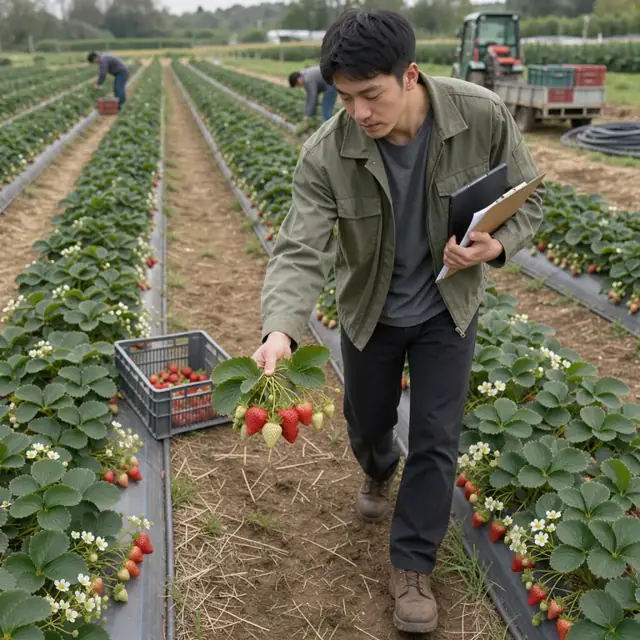
Field Scout Coordinator
Turn daily weather and sensor data into a prioritized scouting plan and record field observations.
Works in: Ambitious Tasks, Ambitious Sheets, Ambitious Docs · Workflows: Field monitoring and maturity scouting
Automates
- Pulls overnight weather and soil data
- Builds block-by-block scouting routes
- Logs ripeness, pest and irrigation notes
- Flags blocks for harvest or treatment
- Updates the central field status sheet
Stops for a person
- The grower confirms treatment recommendations
- A person verifies critical pest or disease observations
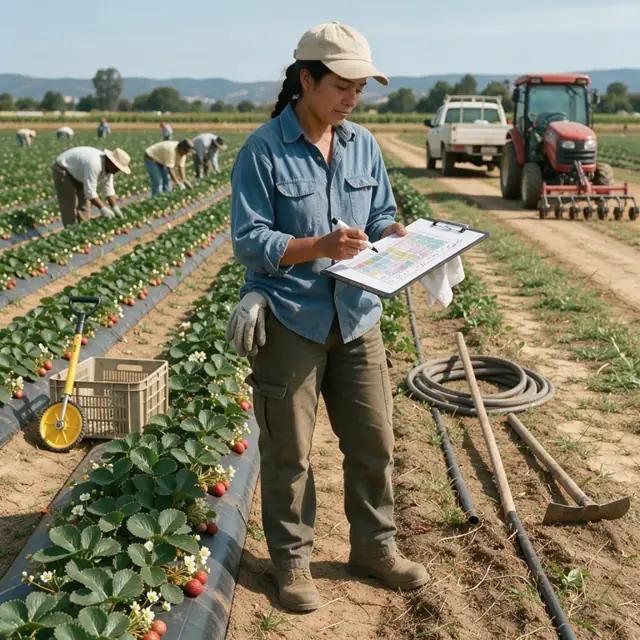
Harvest Planner
Convert field readiness data into daily crew assignments, picking maps and bin targets.
Works in: Ambitious Tasks, Ambitious Sheets, Process Optimizer · Workflows: Daily harvest and crew scheduling
Automates
- Selects blocks ready for harvest
- Estimates daily yield by variety
- Assigns crews and equipment
- Builds the picking route and instructions
Stops for a person
- The grower adjusts crew sizes and start times
- Crew foremen approve final field assignments

Packhouse and Cooling Coordinator
Route incoming fruit through grading, packing, cooling and palletizing while meeting buyer specifications.
Works in: Ambitious Tasks, Ambitious Docs, Ambitious Sheets · Workflows: Packing, cooling and palletizing
Automates
- Logs bin arrival and harvest time
- Generates packing instructions per buyer
- Tracks time in cooling rooms
- Builds pallet manifests with traceability codes
Stops for a person
- A person performs final quality grading
- The food-safety manager reviews temperature logs
- The grower approves any rejected loads
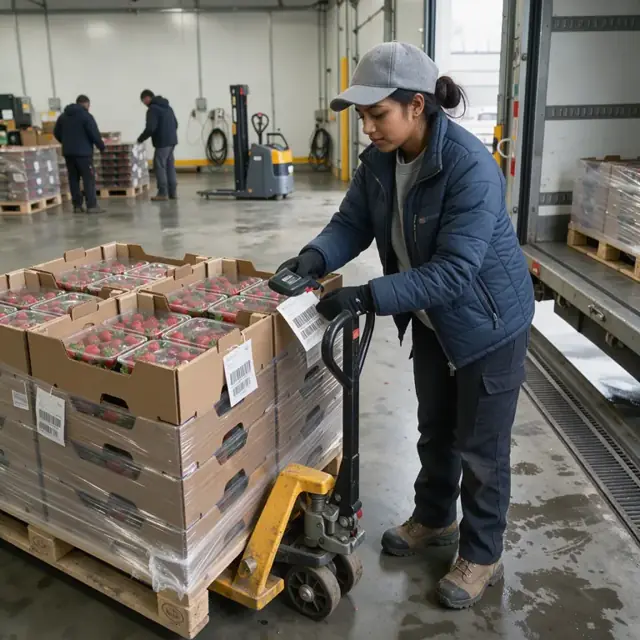
Order and Loadout Specialist
Turn buyer orders into reserved inventory, loadout sheets and shipping documents.
Works in: Ambitious Tasks, Ambitious Docs, Ambitious Sheets · Workflows: Order intake and loadout
Automates
- Captures order details and specifications
- Reserves cooler inventory or harvest volume
- Generates loadout and bill of lading
- Tracks delivery temperature requirements
Stops for a person
- The grower approves all sales commitments
- A person verifies pallet condition before loading
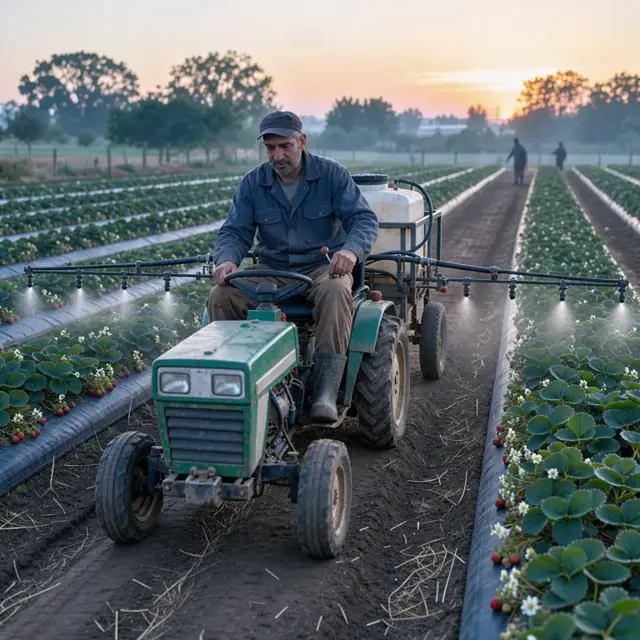
Crop Input and Spray Manager
Convert scouting reports into spray, fertilizer and irrigation schedules with complete application records.
Works in: Ambitious Tasks, Ambitious Sheets, Ambitious Docs · Workflows: Crop input and pest management
Automates
- Reviews scouting and weather data
- Generates application recommendations
- Creates spray and fertilizer records
- Tracks inventory of all crop inputs
Stops for a person
- The grower or licensed applicator approves every spray
- A person makes the actual application and signs the record
- The grower confirms buffer zones and re-entry intervals

Labor Crew Scheduler
Forecast daily labor needs, assign crews to tasks and prepare payroll summaries by block.
Works in: Ambitious Tasks, Ambitious Sheets, Ambitious Docs · Workflows: Labor crew and payroll support
Automates
- Forecasts crew requirements by task
- Builds daily assignments and routes
- Tracks hours by block and activity
- Generates payroll and costing reports
Stops for a person
- The farm manager approves crew sizes and pay rates
- A person verifies time cards and piece-rate tallies

Seasonal Planning Coordinator
Use historical yields and soil data to plan planting maps, renovation schedules and nursery orders.
Works in: Ambitious Sheets, Process Optimizer, Ambitious Docs · Workflows: Seasonal planting and renovation
Automates
- Analyzes previous season performance
- Generates planting and renovation timelines
- Creates variety and plant order lists
- Tracks bed preparation and irrigation schedules
Stops for a person
- The grower selects final varieties and planting dates
- A person confirms all nursery orders and certifications
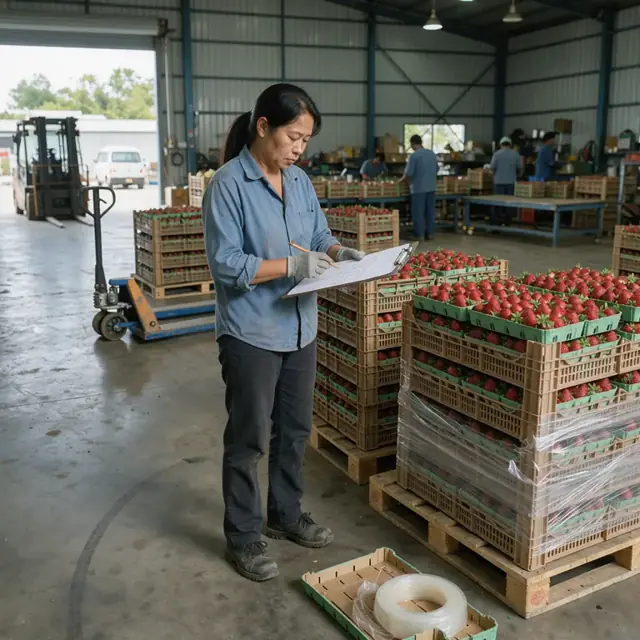
Compliance and Food-Safety Clerk
Maintain daily food-safety checklists, compile audit records and track license and permit renewals.
Works in: Ambitious Tasks, Ambitious Sheets, Ambitious Docs · Workflows: Permit, audit and food-safety paperwork
Automates
- Generates harvest and packing checklists
- Compiles spray, harvest and temperature logs
- Tracks audit, license and water-test due dates
- Prepares traceability summaries from field to pallet
Stops for a person
- The grower confirms which local and buyer rules apply
- People sign and submit all official records and audits
- The bot never certifies compliance
Workflows
Field monitoring and maturity scouting
Starts when: Daily at sunrise or after rain events
- Review overnight weather, soil moisture and pest trap data
- Generate a prioritized scouting list by block and variety
- Record observations on ripeness, disease, weeds and irrigation needs
- Flag blocks ready for harvest or needing immediate treatment
- Update the master field status dashboard
Watch for: Ripeness changes hourly in warm weather; Pest pressure spikes after rain; Accurate variety and block identification is required for traceability
Daily harvest and crew scheduling
Starts when: Each afternoon for the next morning's harvest
- Pull blocks flagged as ready from field monitoring
- Calculate expected yield per block using historical data
- Assign crew size, start times and equipment to each block
- Build the picking map and bin targets
- Draft crew instructions including food-safety and quality reminders
Watch for: Harvest must finish before temperatures rise and fruit softens; Crew size limited by available housing and transportation; Different varieties ripen at different rates
Packing, cooling and palletizing
Starts when: As fruit arrives from the field each morning
- Receive bins and verify field and harvest time
- Sort and grade berries to buyer specifications
- Pack into clamshells, baskets or bulk containers with correct labels
- Move packed product into forced-air cooling within two hours
- Build pallets with traceability codes and stack height limits
Watch for: Temperature must drop to 32-34 °F quickly to preserve shelf life; Buyer-specific label and packaging requirements; Cross-contamination prevention between blocks
Order intake and loadout
Starts when: Customer purchase order or daily market request
- Capture buyer, quantity, grade, packaging and delivery time
- Check against current inventory in cooler and forecasted harvest
- Reserve specific pallets or create a pick list
- Generate loadout sheet with traceability and temperature requirements
- Draft bill of lading and shipping confirmation
Watch for: Same-day harvest for local buyers; Strict temperature and transit time windows; Traceability must reach specific field and harvest crew
Crop input and pest management
Starts when: Weekly and after scouting reports
- Review scouting notes and weather forecast
- Generate spray, fertilizer and irrigation recommendations by block
- Create application schedule and required buffer zones
- Draft records for each material applied including rate, date and applicator
- Track inventory of fertilizers, pesticides and irrigation parts
Watch for: Restricted-entry intervals after spraying; Records must be kept for organic or buyer audits; Neighboring crops and waterways affect spray decisions
Labor crew and payroll support
Starts when: Weekly and each pay period
- Forecast crew needs for next seven days across all tasks
- Build daily crew assignments and transportation plan
- Track hours by block and task for accurate costing
- Generate piece-rate and hourly payroll summaries
- Flag any food-safety or safety training renewals
Watch for: Crew transportation from housing to fields; Different pay structures for picking versus renovation work; Labor records required for multiple regulatory programs
Seasonal planting and renovation
Starts when: End of harvest and before new planting windows
- Review yield data and disease pressure from previous season
- Generate planting map and variety order list
- Schedule renovation, fumigation or cover-crop planting
- Track nursery plant deliveries and cold storage
- Create timeline for bed prep, planting and first irrigation
Watch for: Planting windows are narrow and weather dependent; Certified disease-free planting stock required; Multi-year crop rotation and soil health plans
Permit, audit and food-safety paperwork
Starts when: Daily during harvest, weekly for sprays and on renewal dates
- Generate daily food-safety harvest and packing checklists
- Compile spray, fertilizer and harvest logs for the week
- Track pesticide applicator licenses, farm food-safety plan and audit dates
- Prepare traceability reports from field to pallet
- Draft renewal reminders for water tests, licenses and insurance
Watch for: Local, state and buyer audit rules differ by market channel; The grower confirms which requirements apply and signs all records
Bot templates for this industry
- Strawberry Farming (8 bots)
Source: U.S. Small Business Administration, Office of Size Standards, Table of Small Business Size Standards Matched to North American Industry Classification System Codes, version March 2023 (effective 2023-03-17, NAICS 2022). Size standards are shown for reference only.