

Tree Nut Farming
Tree nut farmers manage orchards of almonds, walnuts, pistachios, pecans or hazelnuts through seasonal cycles of pruning, irrigation, pest control, harvest, hulling, drying, storage and sales. Specialists turn weather and sensor data into irrigation and spray schedules, track equipment and input inventory, convert harvest samples into yield estimates and quality grades, and prepare packing, storage and shipment plans while the grower retains decisions on chemicals, contracts and compliance.
What makes this business different
- Seasonal cadence with distinct winter pruning, spring bloom, summer irrigation and pest management, and fall harvest windows that shift with weather
- Orchard blocks that differ by variety, age, rootstock and soil, each needing separate records for irrigation, sprays, harvest and yield
- Water rights, usage logs and drought contingency plans that must be tracked monthly
- Pesticide application records, buffer zones, re-entry intervals and applicator licensing that follow strict state and federal rules
- Mechanical harvest equipment including shakers, sweepers, harvesters and hullers that require maintenance schedules and fuel tracking
- Post-harvest drying to precise moisture levels, storage in bins or silos with aeration and fumigation logs
- Quality sampling, grading for size, defect and foreign material, and separate streams for inshell, shelled or value-added sales
- Buyer contracts, pool pricing, advance payments and final settlements that arrive on different calendars
- Wildlife, frost, bloom pollination and invasive pest pressures that require rapid response
Specialist bots
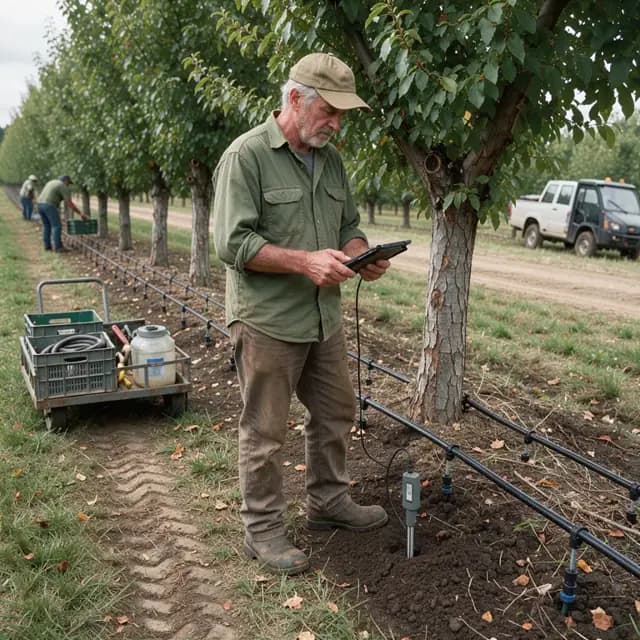
Irrigation Coordinator
Convert soil moisture, weather and evapotranspiration data into block-specific irrigation schedules and usage logs.
Works in: Ambitious Sheets, Ambitious Tasks, Process Optimizer · Workflows: Irrigation and soil moisture scheduling
Automates
- Pulls sensor and weather data by block
- Calculates daily water needs per variety
- Builds valve schedules and run times
- Tracks usage against water rights
- Flags anomalies for immediate attention
Stops for a person
- The grower approves any changes that exceed allocated water
- A person confirms final valve settings before pumps start

Pest Management Specialist
Turn weekly scouting and trap data into spray recommendations, application checklists and regulatory spray records.
Works in: Ambitious Tasks, Ambitious Sheets, Ambitious Docs · Workflows: Pest and disease scouting and spray planning
Automates
- Compares trap counts to action thresholds
- Recommends product, rate, timing and buffers
- Generates applicator checklists and re-entry notices
- Compiles full pesticide application logs
Stops for a person
- Licensed applicator confirms product choice and signs the record
- The grower approves all chemical applications before purchase or mixing

Harvest Planner
Build daily harvest sequences, equipment dispatch orders and crew assignments based on maturity sampling and equipment readiness.
Works in: Ambitious Tasks, Ambitious Sheets · Workflows: Pruning and harvest preparation planning, Harvest execution and yield tracking
Automates
- Sequences blocks by maturity and weather forecast
- Assigns shakers, sweepers and harvesters to blocks
- Tracks bin and trailer movements
- Calculates daily tonnage and crew needs
Stops for a person
- The grower decides final go or no-go on each block
- Equipment operators report mechanical issues for the planner to adjust routes

Post-Harvest Manager
Manage drying schedules, hulling sequences, bin mapping and storage conditions to maintain quality and traceability.
Works in: Ambitious Sheets, Ambitious Tasks, Ambitious Docs · Workflows: Post-harvest drying, hulling and storage
Automates
- Creates drying time estimates from moisture readings
- Sequences huller runs by variety and quality
- Maintains bin maps and lot numbers
- Monitors bin temperature and aeration fans
Stops for a person
- The grower reviews and approves any fumigation treatment
- Quality samples are pulled and evaluated by people before lot assignment

Quality and Inventory Grader
Sample lots after drying, draft grade sheets, maintain inventory by grade and prepare packing lists for sales.
Works in: Ambitious Sheets, Ambitious Docs, Ambitious Tasks · Workflows: Inventory, grading and sales preparation
Automates
- Records size, defect and foreign material percentages
- Generates lot grade reports
- Tracks inventory by variety, grade and owner
- Prepares loadout and packing lists
Stops for a person
- The grower approves final grades before any sale
- Third-party inspectors verify samples when required by contract
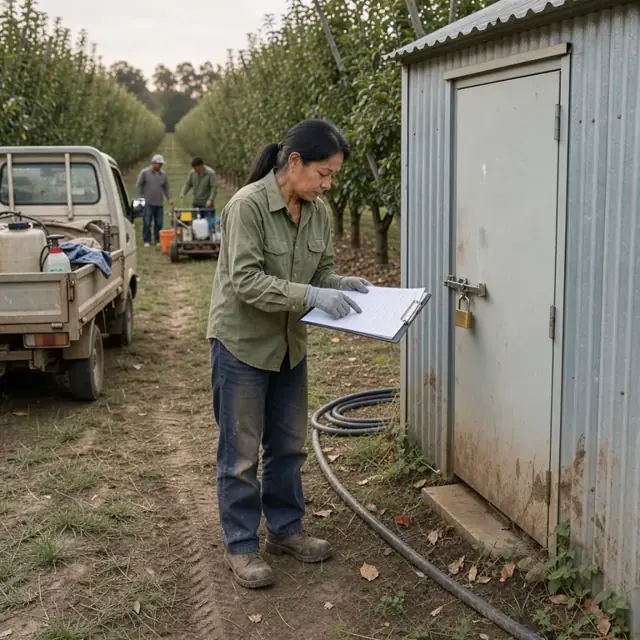
Compliance and Record Clerk
Compile pesticide records, water usage reports, license renewals and other regulatory documentation for review.
Works in: Ambitious Docs, Ambitious Sheets, Ambitious Tasks · Workflows: Regulatory, pesticide and water compliance
Automates
- Assembles spray records with all required fields
- Tracks monthly water usage against permits
- Alerts on upcoming license and insurance renewals
- Organizes records by block and year
Stops for a person
- The grower personally reviews and signs every regulatory document
- A licensed person verifies accuracy of pesticide logs before filing
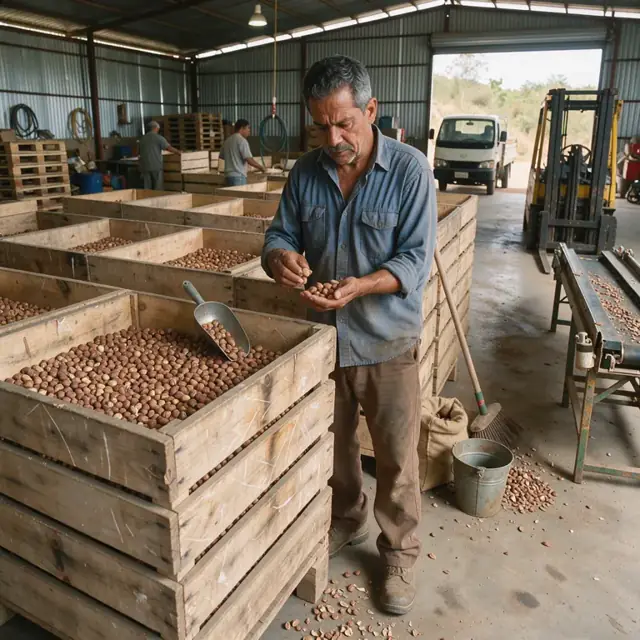
Contract and Sales Coordinator
Track buyer contracts, prepare fulfillment reports, draft shipping documents and organize settlement data.
Works in: Contract Analyzer, Ambitious Docs, Ambitious Sheets · Workflows: Inventory, grading and sales preparation
Automates
- Matches inventory to open contract quantities
- Drafts packing and bill of lading documents
- Prepares advance and final settlement summaries
- Organizes quality data for each buyer lot
Stops for a person
- The grower approves every contract, price and shipment
- People negotiate and sign all sales agreements

Equipment Maintenance Coordinator
Track mechanical harvest and spray equipment maintenance, fuel and parts inventory to keep operations ready for narrow seasonal windows.
Works in: Ambitious Sheets, Ambitious Tasks, Process Optimizer · Workflows: Equipment maintenance and inventory
Automates
- Reviews maintenance logs and sensor alerts
- Builds weekly preventive maintenance schedules
- Tracks fuel, oil and parts inventory
- Flags equipment due for service before harvest or bloom
Stops for a person
- The grower approves all parts purchases and repairs
- Mechanics perform and sign off on actual maintenance work
Workflows
Irrigation and soil moisture scheduling
Starts when: Weekly during growing season or after weather event
- Pull soil moisture probe, weather station and evapotranspiration data by orchard block
- Calculate water requirements per variety and growth stage
- Draft weekly irrigation schedule with set times, durations and valve maps
- Flag blocks needing immediate adjustment for drought or overwatering
- Log actual water applied against water rights allocation
Watch for: Different rootstocks and soil types require block-specific plans; Drought districts may impose sudden cutbacks
Pest and disease scouting and spray planning
Starts when: Weekly scouting rounds and trap counts
- Record trap counts, visual scouting notes and weather conditions by block
- Compare pest levels against treatment thresholds
- Draft spray recommendations with product, rate, timing and buffer requirements
- Generate applicator checklist and re-entry notices
- Log application details for regulatory records
Watch for: Restricted materials require licensed applicator sign-off; Pollinator protection rules limit spray windows during bloom
Pruning and harvest preparation planning
Starts when: End of harvest and again before bloom
- Assess last season's yield maps and current canopy photos
- Draft block-specific pruning crew assignments and equipment lists
- Schedule shaker, sweeper and harvester maintenance and fuel orders
- Estimate harvest crew and bin needs based on projected tonnage
- Create pre-harvest irrigation cutoff and ground preparation checklist
Watch for: Pruning style varies by variety and tree age; Harvest equipment must be moved between distant blocks
Harvest execution and yield tracking
Starts when: When nuts reach maturity and weather allows
- Confirm maturity samples and moisture tests per block
- Build daily harvest sequence and equipment dispatch order
- Track loads delivered to huller or dryer with bin tags
- Record wet and dry weights, reject percentages and field losses
- Update yield maps and inventory bins in real time
Watch for: Nuts must be picked up within hours of shaking to prevent mold; Multiple varieties cannot be commingled without segregation
Post-harvest drying, hulling and storage
Starts when: After each load arrives at the huller or on-farm facility
- Draft drying schedules based on incoming moisture readings
- Sequence hulling and shelling runs by variety and quality
- Monitor aeration and temperature in storage bins
- Create bin maps and lot numbers for traceability
- Generate daily moisture and quality test logs
Watch for: Target moisture levels differ for inshell versus shelled markets; Fumigation or controlled atmosphere treatments require separate records
Inventory, grading and sales preparation
Starts when: After drying and on buyer request
- Sample each lot for size, defect, color and foreign material
- Draft grade sheets and quality certificates
- Update storage inventory by variety, grade and owner
- Prepare packing lists and loadout orders for shipment
- Draft contract fulfillment reports for advance and final payments
Watch for: Buyers may require third-party grading or audits; Separate lots must be maintained for organic, conventional and specific contracts
Regulatory, pesticide and water compliance
Starts when: After every spray, monthly for water, and on renewal dates
- Compile pesticide application records with date, product, rate, location and applicator
- Track water usage against allocation and file monthly reports
- Monitor renewal dates for pesticide applicator licenses, water permits and insurance
- Maintain organic system plan records if applicable
- Draft summary reports for farm advisors and regulators
Watch for: Record retention periods are multi-year; The grower must personally review and sign all regulatory filings
Equipment maintenance and inventory
Starts when: Weekly and before major operations
- Review maintenance logs for shakers, sweepers, harvesters, hullers and tractors
- Draft preventive maintenance schedule and parts orders
- Track fuel, lubricants and repair inventory levels
- Flag equipment nearing service intervals or showing sensor alerts
- Update equipment readiness status for harvest and spray windows
Watch for: Harvest equipment moves between distant orchard blocks; Downtime during narrow bloom or harvest windows is costly
Bot templates for this industry
- Tree Nut Farming (8 bots)
Source: U.S. Small Business Administration, Office of Size Standards, Table of Small Business Size Standards Matched to North American Industry Classification System Codes, version March 2023 (effective 2023-03-17, NAICS 2022). Size standards are shown for reference only.