

Fruit and Tree Nut Combination Farming
Fruit and tree nut combination farms grow, harvest, pack and ship mixed perennial and seasonal crops such as apples, cherries, almonds, walnuts and berries. Specialists turn weather, bloom and market data into harvest schedules, turn field counts into packing and shipping plans, and keep food-safety, pesticide and export paperwork current. The grower makes final calls on sprays, labor crews and which lots go to fresh or processing markets.
What makes this business different
- Multi-crop blocks with different bloom times, chill hours, irrigation needs and harvest windows that overlap
- Weather-driven decisions on frost protection, irrigation, thinning and harvest timing
- Pesticide and nutrient logs, buffer zones, re-entry intervals and applicator licensing
- Food-safety and traceability from block to packed box including harvest crew records
- Labor crews scheduled for pruning, thinning, picking and packing with crew size varying by week
- Post-harvest cooling, sorting, packing and cold-storage inventory for fresh market fruit and nuts
- Buyer contracts, grade standards, export certificates and price fluctuations by variety and week
- Equipment maintenance for tractors, sprayers, harvesters, bins and packing line machinery
Specialist bots

Seasonal Crop Planner
Turn historical yields, weather patterns and market data into a full-year block-by-block production calendar.
Works in: Ambitious Sheets, Process Optimizer, Ambitious Tasks · Workflows: Seasonal crop and block planning, Equipment and asset maintenance scheduling
Automates
- Compares last season performance across blocks
- Forecasts labor, water and nutrient requirements
- Builds pruning, thinning and irrigation calendars
- Flags blocks for replanting or renovation
- Generates weekly maintenance task lists by asset
Stops for a person
- The grower approves the final season plan and any new plantings
- Crop insurance and program paperwork is reviewed by the owner before submission
- The grower confirms maintenance priorities and signs off on parts purchases

Irrigation and Frost Scheduler
Convert soil moisture, weather forecasts and water allocations into daily irrigation and frost protection schedules.
Works in: Ambitious Sheets, Ambitious Tasks, Process Optimizer · Workflows: Irrigation and frost protection scheduling
Automates
- Pulls evapotranspiration and soil sensor data
- Calculates run times per block and zone
- Creates frost call-out lists when temperatures drop
- Logs water applied against district allotments
Stops for a person
- The grower decides on any emergency irrigation changes
- Water district compliance is confirmed by the owner
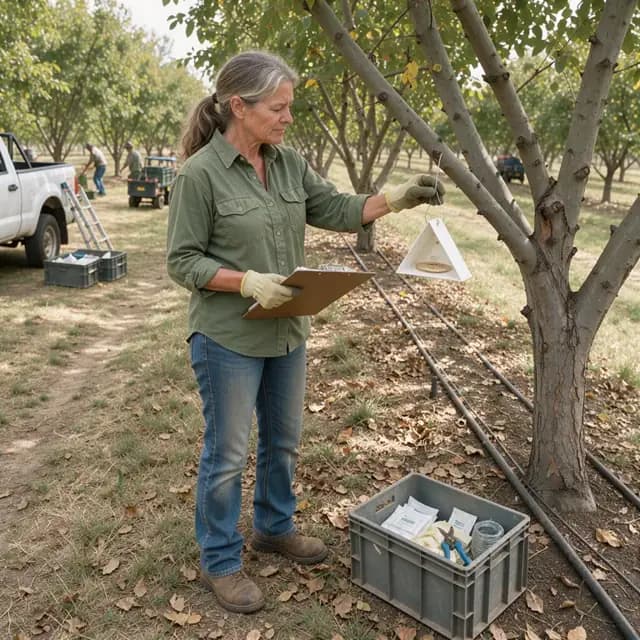
Pest Management Scout
Log weekly trap and field counts then draft targeted spray plans that meet label and buffer requirements.
Works in: Ambitious Sheets, Ambitious Tasks, Ambitious Docs · Workflows: Pest scouting and spray planning
Automates
- Records trap counts and visual scouting results by block
- Compares counts to economic thresholds
- Drafts spray mixes, rates and timing
- Generates re-entry interval notices
Stops for a person
- A licensed applicator reviews and applies every spray
- The grower confirms which materials and rates are used

Harvest and Crew Coordinator
Sample maturity, forecast daily pick volumes and assign harvest crews and bin logistics.
Works in: Ambitious Sheets, Ambitious Tasks, Process Optimizer · Workflows: Harvest forecasting and crew scheduling
Automates
- Tracks maturity samples across blocks
- Estimates daily harvest tonnage and crew needs
- Builds weekly crew and equipment schedules
- Coordinates bin delivery and return
Stops for a person
- The grower decides final harvest start dates and crew sizes
- Labor contractors are contacted only by the owner
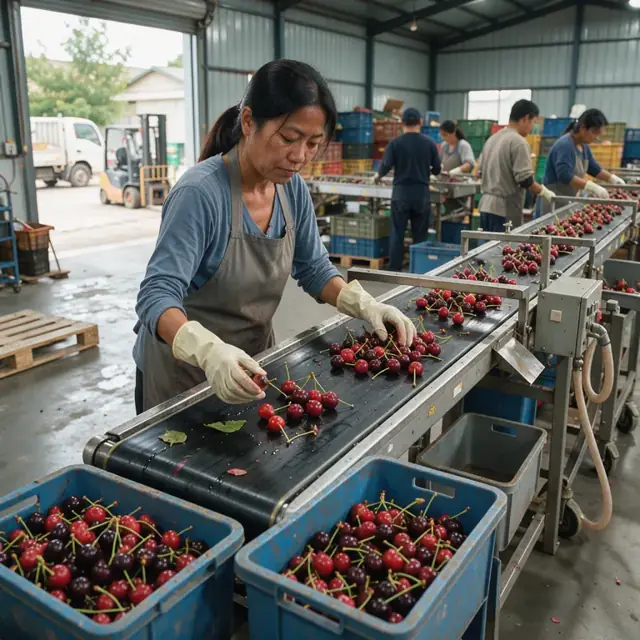
Packing and Shipping Planner
Turn incoming field lots into daily pack plans, traceability records and cold storage moves.
Works in: Ambitious Sheets, Ambitious Tasks, Ambitious Docs · Workflows: Packing and shipping coordination
Automates
- Logs field bin arrivals by block and quality
- Creates pack schedules by grade and buyer
- Generates lot codes and pallet tags
- Tracks cold room inventory levels
Stops for a person
- The owner approves which lots go to which buyer or processor
- A person verifies every traceability label before shipment
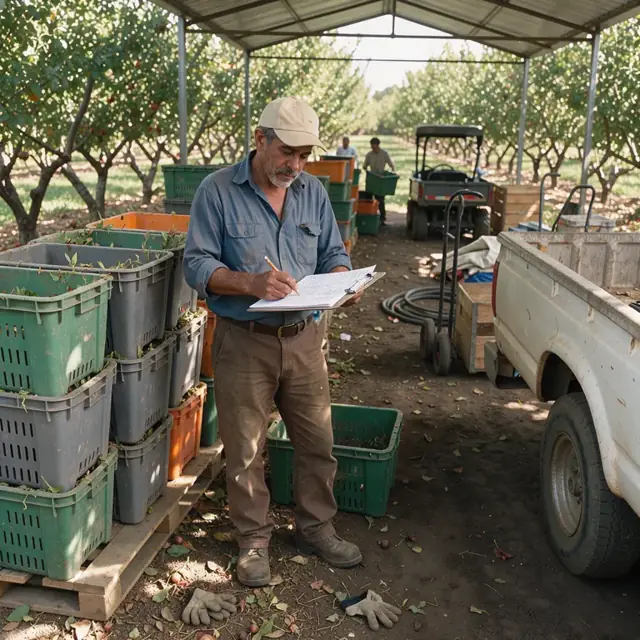
Compliance and Food Safety Clerk
Maintain daily food-safety checklists, compile spray and training records, and track all license and certification renewals.
Works in: Ambitious Tasks, Ambitious Docs, Ambitious Sheets · Workflows: Food safety and regulatory compliance
Automates
- Generates harvest crew checklists
- Compiles pesticide application and training logs
- Flags upcoming renewal and audit dates
- Organizes mock recall documentation
Stops for a person
- The grower reviews and signs every official record
- People handle all audits and corrective actions
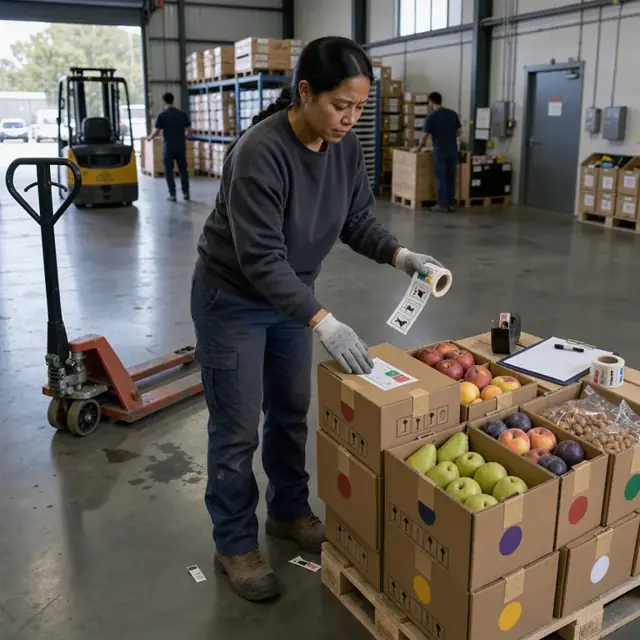
Sales Order Coordinator
Capture buyer orders, match them to available inventory and draft confirmations and load schedules.
Works in: Ambitious Docs, Ambitious Tasks, Ambitious Sheets · Workflows: Sales order and contract management
Automates
- Records order details including variety, grade and delivery dates
- Checks against current cold storage and harvest forecast
- Drafts sales confirmations and contracts
- Creates load-out tasks for the packing team
Stops for a person
- The owner approves pricing, terms and which fruit is allocated
- Export certificates are signed only by the grower
Workflows
Seasonal crop and block planning
Starts when: End of previous harvest and before bloom
- Review last season yields, quality and market returns by block and variety
- Forecast labor, water and nutrient needs for the coming year
- Draft pruning, thinning and irrigation schedules per block
- Flag blocks needing replacement or new plantings
- Create master task list for the full production cycle
Watch for: Different varieties have unique chill requirements and bloom windows; Crop insurance and government program paperwork deadlines must be met
Irrigation and frost protection scheduling
Starts when: Weekly during growing season and when frost risk appears
- Pull soil moisture, evapotranspiration and weather station data
- Build daily irrigation set times by block and irrigation zone
- Draft frost protection crew and wind machine schedules when needed
- Log water usage and compare against allocation limits
- Adjust schedule for rain or heat events
Watch for: Water rights and district delivery schedules constrain timing; Over or under watering affects fruit size, nut fill and tree health
Pest scouting and spray planning
Starts when: Weekly scouting rounds and trap counts
- Record trap counts, leaf and fruit samples by block
- Compare against treatment thresholds for each pest and disease
- Draft spray recommendations with product, rate, timing and buffer zones
- Generate applicator task list and re-entry notices
- Log application details after the spray occurs
Watch for: Restricted materials require licensed applicators and specific record formats; Maximum residue limits differ for domestic and export markets
Harvest forecasting and crew scheduling
Starts when: Beginning of each variety's maturity window
- Sample fruit and nut maturity in each block
- Estimate daily pick volumes and crew sizes needed
- Build weekly harvest calendar and crew assignments
- Coordinate with packing house on expected daily deliveries
- Draft bin and bin-runner logistics plan
Watch for: Maturity windows shift with weather and can overlap across varieties; Labor availability fluctuates with competing regional harvests
Packing and shipping coordination
Starts when: Daily once harvest begins
- Receive incoming field bins and log block and quality data
- Create daily pack plan by grade, pack style and buyer
- Draft pallet tags, lot codes and traceability records
- Schedule refrigerated truck loads and cold storage moves
- Track inventory in cold rooms by lot and variety
Watch for: Traceability must link every box back to the exact orchard block and harvest date; Different buyers require specific packaging, labeling and cooling protocols
Food safety and regulatory compliance
Starts when: Daily during harvest and on set audit dates
- Generate daily harvest crew food-safety checklists
- Compile spray records, worker training logs and mock recall files
- Track renewal dates for pesticide applicator licenses, farm certifications and export documents
- Prepare audit-ready folders when third-party inspections are scheduled
- Update traceability system with new lot information
Watch for: Local, state and buyer food-safety rules differ and change yearly; The grower reviews and signs every official record before filing
Sales order and contract management
Starts when: When buyers place orders or contracts are offered
- Capture buyer, variety, grade, volume and delivery window
- Check against current inventory and remaining harvest forecast
- Draft contract or confirmation with pricing and terms
- Create delivery and load-out task for the packing crew
- Record payment status and invoice details
Watch for: Price can be fixed, spot or pool and must be confirmed before packing; Export orders require phytosanitary certificates and specific labeling
Equipment and asset maintenance scheduling
Starts when: Weekly and before major seasonal operations
- Review maintenance logs for tractors, sprayers, harvesters and packing line equipment
- Generate preventive maintenance tasks by asset and hours of use
- Draft parts and service orders for upcoming work
- Schedule downtime windows around irrigation and harvest calendars
- Track completed repairs and update asset inventory
Watch for: Equipment must be calibrated before pesticide applications; Breakdowns during harvest require immediate rerouting of labor and bins
Bot templates for this industry
Source: U.S. Small Business Administration, Office of Size Standards, Table of Small Business Size Standards Matched to North American Industry Classification System Codes, version March 2023 (effective 2023-03-17, NAICS 2022). Size standards are shown for reference only.