

Other Food Crops Grown Under Cover
Growers who raise microgreens, herbs, leafy greens and specialty vegetables inside greenhouses or indoor vertical farms manage precise climate zones, staggered seeding schedules, daily harvests and rapid post-harvest cooling. Specialists convert customer orders and standing contracts into weekly seeding plans, track nutrient solutions and grow media inventory, schedule lighting and irrigation cycles, prepare harvest and packing lists, manage cooling and delivery routes, and maintain records for food-safety audits and organic or GAP inspections. The grower makes all final decisions on what is planted, sprayed, harvested or shipped.
What makes this business different
- Precise climate control by zone (temperature, humidity, light spectrum and photoperiod) that must be logged daily
- Staggered seeding and harvest schedules so that multiple crops reach maturity on different days of the week
- Nutrient solution mixing, EC and pH monitoring, and recirculation system cleaning logs
- Rapid post-harvest cooling, washing or packaging within hours of cutting to maintain freshness
- Standing contracts with restaurants, grocery buyers and CSA programs that require consistent weekly volumes
- Pest scouting sheets, biological control release records and spray logs that must be kept for inspections
- Cooler inventory rotation and traceability from seed lot to packed tray for every harvest
- Greenhouse permits, water testing records, and buyer-specific audit documentation that must be renewed or updated on schedule
- Equipment maintenance logs for irrigation, lighting, HVAC and recirculation systems
Specialist bots

Order Coordinator
Convert incoming orders and contract updates into confirmed weekly production requirements that feed the seeding schedule.
Works in: Ambitious Tasks, Ambitious Docs, Email Buckets · Workflows: Order intake and contract confirmation
Automates
- Reads incoming order emails and forms
- Matches requested volumes to projected yields from current schedule
- Checks delivery dates against cooler and route capacity
- Drafts acknowledgments with price and terms
- Creates weekly order tasks that link to seeding planner
Stops for a person
- The grower approves any volume increases, new crops or variety changes
- A person reviews and sends all confirmations and price changes
- Certification claims are verified by the grower before acceptance
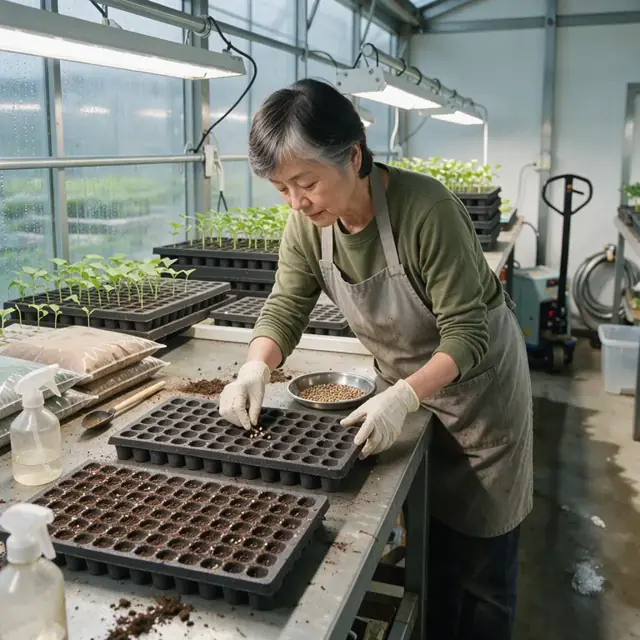
Seeding Planner
Turn weekly orders into a staggered seeding calendar that respects climate zones, rack space and harvest dates.
Works in: Ambitious Sheets, Ambitious Tasks, Process Optimizer · Workflows: Seeding and propagation schedule
Automates
- Aggregates orders for the next four weeks
- Calculates tray counts per crop and zone using yield factors
- Assigns seeding dates to avoid harvest conflicts and respect zone requirements
- Generates daily seeding task lists with seed lot numbers
- Flags seed, tray and media shortages
Stops for a person
- The grower decides final seeding quantities and any variety substitutions
- A person verifies seed lot numbers and performs the actual sowing

Climate and Irrigation Technician
Maintain daily climate targets, irrigation schedules, sensor logs and nutrient instructions for every greenhouse zone.
Works in: Ambitious Tasks, Ambitious Sheets, Ambitious Docs · Workflows: Daily climate and irrigation management
Automates
- Pulls zone target schedules from the master plan
- Compares sensor readings to targets and logs deviations
- Generates nutrient mixing and irrigation instructions
- Logs system cleaning and calibration events
- Flags out-of-range conditions and updates pest scouting schedule
Stops for a person
- The grower reviews and signs off on all deviation reports
- A person performs physical calibration of sensors, nutrient meters and irrigation equipment
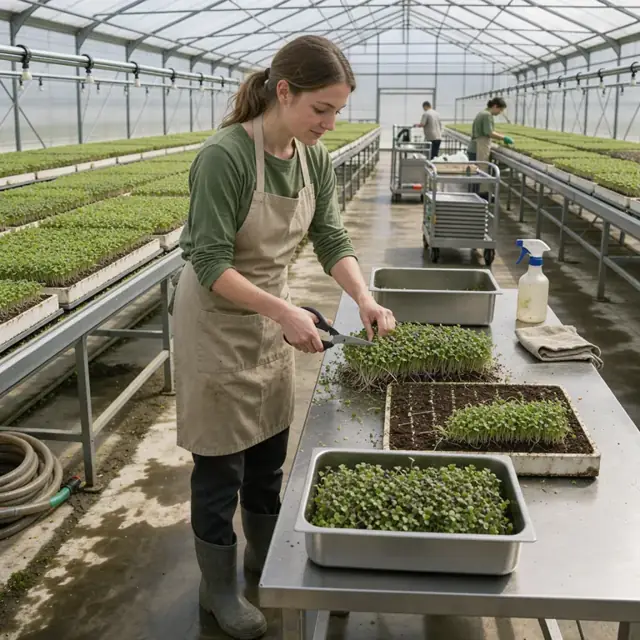
Harvest and Packing Coordinator
Create daily harvest lists, packing instructions, traceability labels and cooler updates from the current crop schedule.
Works in: Ambitious Tasks, Ambitious Docs, Ambitious Sheets · Workflows: Harvest and packing execution
Automates
- Generates harvest lists by maturity date, location and customer allocation
- Produces packing and labeling instructions specific to each crop
- Prints traceability labels with seed lot and harvest data
- Updates cooler inventory after each cut and logs cooling times
- Calculates actual versus projected yields for the inventory manager
Stops for a person
- The grower walks the crop and confirms which trays are ready to cut
- A person performs final quality check, label verification and actual harvest

Input and Inventory Manager
Convert seeding plans into purchase lists and maintain accurate stock of seeds, nutrients, media, packaging and biological controls.
Works in: Ambitious Sheets, Ambitious Tasks · Workflows: Input purchasing and inventory tracking
Automates
- Explodes seeding schedule into material requirements by lot
- Subtracts on-hand inventory and calculates reorder quantities
- Drafts supplier purchase lists
- Tracks lot numbers, expiration dates and usage per cycle
- Updates par levels based on seasonal demand
Stops for a person
- The grower approves every purchase order and spends money
- A person receives, inspects and logs all incoming seeds and live biological controls
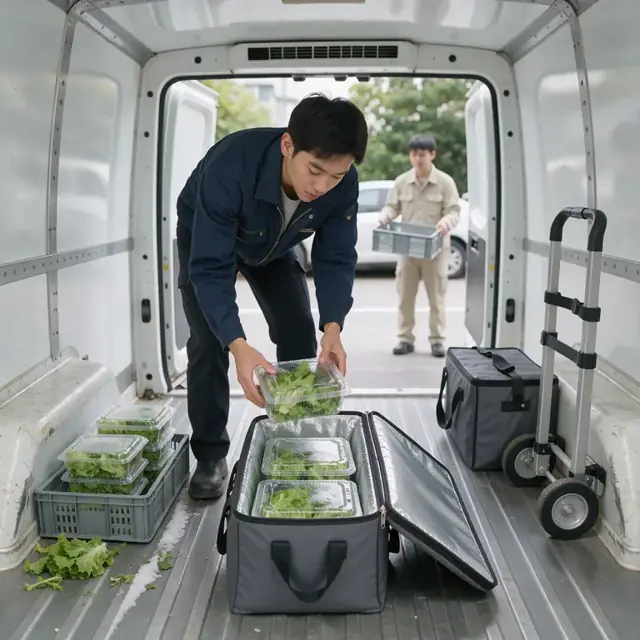
Delivery Route Planner
Match cooler inventory to orders, build refrigerated delivery routes that preserve cold chain and record each drop.
Works in: Ambitious Tasks, Ambitious Docs · Workflows: Cooler inventory and delivery routing
Automates
- Compares cooler stock to open orders and standing contracts
- Groups stops by area and time window while respecting buyer requirements
- Builds sequenced routes that maintain required temperatures
- Drafts customer notifications
- Records delivery confirmations, shortages and quality notes
Stops for a person
- The driver adjusts routes for traffic, weather or customer availability
- A person approves all customer messages before they are sent
- The grower is notified of any shortages before departure
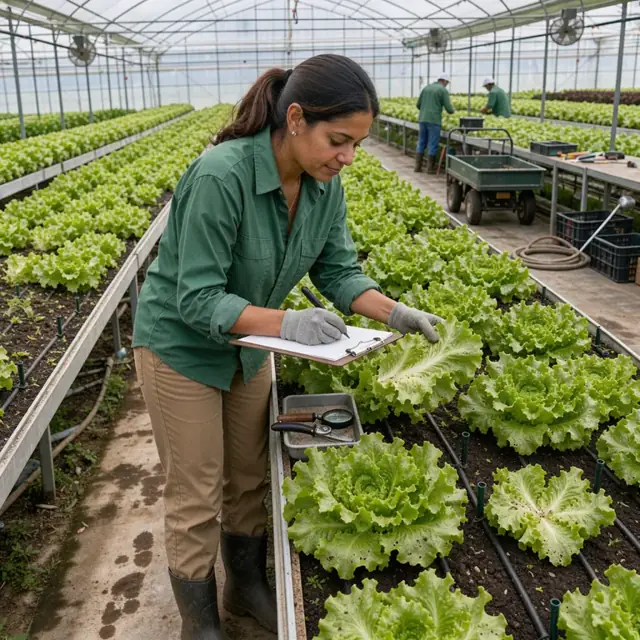
Compliance and Record Clerk
Maintain daily food-safety checklists, pest logs, traceability files, renewal reminders and inspection summaries.
Works in: Ambitious Tasks, Ambitious Docs, Ambitious Sheets · Workflows: Food safety and inspection recordkeeping
Automates
- Generates daily sanitation, hygiene and temperature checklists
- Compiles scouting, biological release and spray records
- Tracks renewal dates for permits, water tests and certificates
- Assembles traceability files from seed lot to packed product
- Drafts summary reports for upcoming inspections
- Flags upcoming deadlines for permits and testing
Stops for a person
- The grower confirms which records apply to each audit and what must be filed
- People perform all physical inspections, corrective actions, water tests and sign every official document
- The bot never certifies compliance
Workflows
Order intake and contract confirmation
Starts when: New customer order, standing contract renewal or weekly standing-order update arrives by email or form
- Capture crop type, quantity per week, delivery day and any special packaging or labeling requests
- Check requested volumes against current grow schedule and projected yields from the seeding planner
- Confirm delivery date against cooler inventory and route capacity
- Draft order acknowledgment with price and terms for approval
- Create a weekly order task that feeds the seeding and harvest planners
- Flag any changes to standing contracts for grower review
Watch for: Restaurant and grocery buyers often change quantities with less than seven days notice; Allergen or organic certification claims must be verified against current certificates before confirmation; Standing contracts require volume consistency week to week
Seeding and propagation schedule
Starts when: Weekly on a fixed planning day
- Aggregate all confirmed orders and standing contracts for the next four weeks
- Calculate required trays or cells per crop using germination and yield factors from historical sheets
- Assign seeding dates to specific climate zones and racks so harvests are staggered
- Generate a daily seeding task list with seed lot numbers and media type
- Flag any shortages of seed, trays or grow media for immediate reorder
- Compare against available rack space and lighting capacity
Watch for: Different crops require different media, lighting and nutrient strengths; Over-seeding must be limited to avoid waste of expensive greenhouse space; Seed viability windows are short and lot numbers must be tracked for traceability
Daily climate and irrigation management
Starts when: Start of each greenhouse work day
- Pull the current zone schedule for temperature, humidity, light hours and nutrient strength
- Log actual readings from sensors and note any deviations in the daily sheet
- Generate daily irrigation and nutrient mixing instructions for each zone
- Record cleaning and calibration of recirculation systems
- Flag any zone that falls outside target ranges for immediate grower review
- Update pest scouting schedule based on current zone conditions
Watch for: Power outages or equipment failures can destroy an entire crop in hours; Biological pest controls require specific temperature and humidity ranges to remain effective; All sensor logs must be retained for audit readiness
Harvest and packing execution
Starts when: Each morning when a crop reaches target maturity
- Generate daily harvest list with tray locations, expected weights and customer allocations
- Create packing instructions including wash, dry, cut, weigh and label steps
- Print traceability labels with seed lot, harvest date and crop name
- Record actual harvested weights and move remaining inventory into cooler rotation
- Draft cooler inventory update for the delivery team
- Log post-harvest cooling times and temperatures
Watch for: Leafy greens must be cooled to 34-38 °F within two hours of cutting; Certain microgreens cannot be washed and must be packed dry; Traceability must link every packed tray back to its seed lot
Input purchasing and inventory tracking
Starts when: After weekly seeding plan is finalized and on a monthly cadence
- Explode seeding schedule into seed, grow media, fertilizer and packaging requirements
- Subtract current stock levels from inventory sheets
- Draft purchase lists by supplier for seeds, nutrients, trays and biological controls
- Track lot numbers and expiration dates for every input
- Log usage and waste for each harvest cycle
- Update par levels based on seasonal demand changes
Watch for: Many seeds have short viability windows and must be ordered just in time; Biological control organisms are live and cannot be stored long; All inputs must be logged for organic or GAP audit trails
Cooler inventory and delivery routing
Starts when: Morning of each delivery day
- Pull current cooler inventory against open orders and standing contracts
- Group deliveries by geographic area and time window
- Build route sequence that respects cold-chain timing and buyer requirements
- Draft customer 'on the way' notifications for approval
- Record proof of delivery and any shortages or quality notes
- Update inventory sheets with remaining cooler stock and rotation
Watch for: Many buyers require refrigerated transport and specific drop times; Product must stay between 34-40 °F from cooler to customer hand-off; Shortages must be communicated before the driver leaves
Food safety and inspection recordkeeping
Starts when: Daily after harvest and on fixed audit dates
- Generate daily food-safety checklist including worker hygiene, equipment sanitation and cooler temperatures
- Compile pest scouting, biological release and spray records from the field sheets
- Track renewal dates for greenhouse permits, water tests and organic or GAP certificates
- Assemble traceability files from seed lot to packed product
- Draft summary reports for upcoming inspections for grower review
- Flag any upcoming renewal or testing deadlines
Watch for: Local health department and buyer audits require records available within 24 hours; Water testing and nutrient runoff logs must be kept for environmental compliance; The grower confirms which records apply to each audit and signs all official documents
Bot templates for this industry
- Other Food Crops Grown Under Cover (7 bots)
Source: U.S. Small Business Administration, Office of Size Standards, Table of Small Business Size Standards Matched to North American Industry Classification System Codes, version March 2023 (effective 2023-03-17, NAICS 2022). Size standards are shown for reference only.