

Nursery and Tree Production
Nursery and tree production grows woody plants, ornamentals, fruit trees and liners in containers or in-ground for wholesale and retail sale. Specialists turn customer orders and forecasts into production plans, schedule planting and transplanting, track inventory by grade and size, manage irrigation and pest logs, prepare for seasonal digs and shipments, and maintain compliance with phytosanitary certificates and nursery licenses. The grower makes all final decisions on what is sold, treated or discarded.
What makes this business different
- Seasonal production cycles with distinct spring shipping, summer propagation, fall digging and winter pruning windows
- Living inventory that grows and changes grade over months or years, requiring regular sizing, grading and culling
- Long lead times from propagation to saleable plant, often 12-36 months
- Irrigation scheduling, frost protection, fertilizer injection and pest scouting that must occur on precise schedules
- Regulatory paperwork for nursery licenses, phytosanitary certificates, invasive species compliance and pesticide application records
- Wholesale customers who place standing orders or call for availability by plant size and quantity
- Equipment and asset tracking for tractors, potting machines, shade cloth, mist systems and cold frames
- Weather-dependent operations that can halt digging, planting or shipping
Specialist bots

Order and Availability Verifier
Convert incoming wholesale orders into confirmed pull or production tasks and update the sales forecast.
Works in: Ambitious Tasks, Ambitious Sheets, Ambitious Docs · Workflows: Order intake and availability check
Automates
- Reads order emails and forms
- Checks current and projected inventory by grade
- Drafts confirmations and substitution options
- Creates production or digging tasks
- Updates the master forecast sheet
Stops for a person
- The grower approves substitutions or backorders
- A person sends final confirmations and handles pricing exceptions
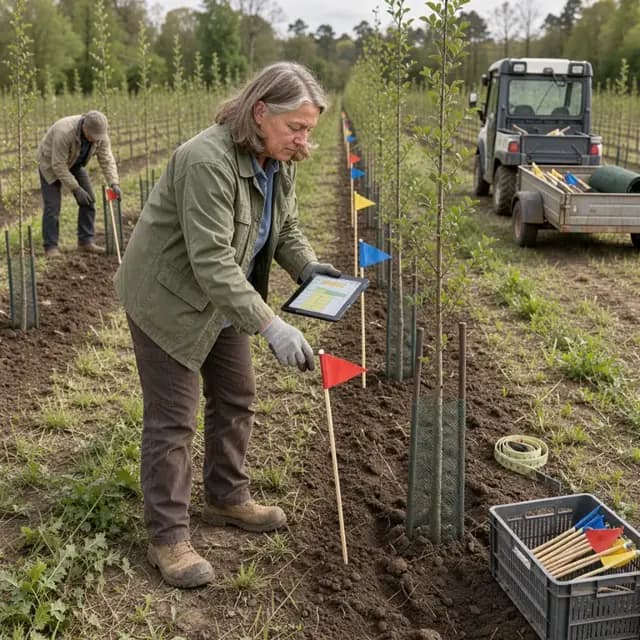
Production Scheduler
Build monthly and seasonal schedules for propagation, potting, transplanting and pruning across all blocks.
Works in: Ambitious Sheets, Process Optimizer · Workflows: Production block scheduling
Automates
- Forecasts demand and suggests new blocks
- Assigns tasks to seasonal windows
- Maps irrigation and scouting rotations
- Flags future saleable inventory
Stops for a person
- The grower decides final block locations and species mixes
- Crew leads confirm realistic daily capacities

Inventory Grader and Tracker
Maintain accurate live counts by tracking grades, culls and movements of every plant block.
Works in: Ambitious Sheets, Ambitious Tasks, Ambitious Docs · Workflows: Inventory grading and culling
Automates
- Updates counts after grading walks
- Calculates saleable quantities by size
- Flags blocks ready for shipping
- Generates availability reports for customers
Stops for a person
- The grower confirms cull decisions
- A person performs the physical grading and measurements

Irrigation and Pest Manager
Create daily irrigation, fertigation and pest scouting schedules and maintain chemical application records.
Works in: Ambitious Tasks, Ambitious Sheets, Process Optimizer · Workflows: Irrigation and pest management
Automates
- Pulls weather and soil data to suggest run times
- Builds daily zone schedules
- Logs applications with exact rates and dates
- Creates scouting routes
Stops for a person
- Licensed applicators perform and confirm all restricted material sprays
- The grower reviews and signs pesticide logs

Digging and Shipping Coordinator
Plan digging crews, prepare phytosanitary documents and build load lists for each shipment.
Works in: Ambitious Tasks, Ambitious Docs, Ambitious Sheets · Workflows: Digging and shipping preparation
Automates
- Selects blocks to dig from confirmed orders
- Builds packing lists and load plans
- Prepares certificate applications
- Drafts customer shipping notifications
Stops for a person
- The grower approves which blocks are dug and any treatments
- A certified inspector or the grower signs phytosanitary certificates
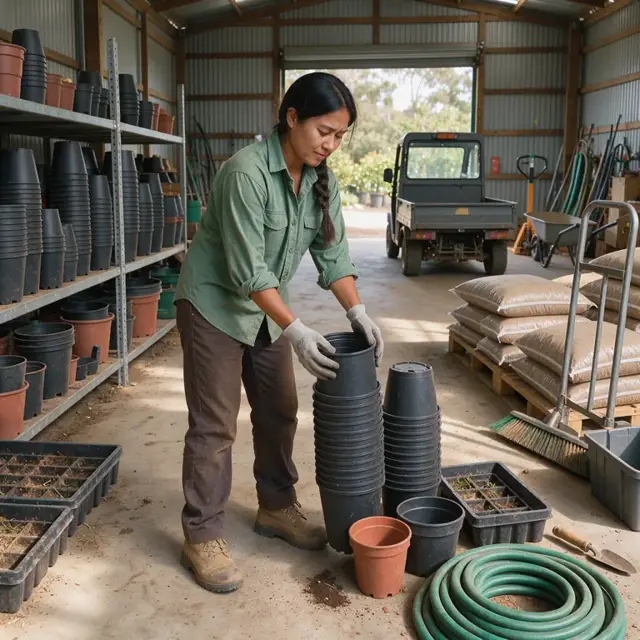
Supply and Equipment Maintainer
Track consumables, media, pots and equipment maintenance to keep operations supplied without overstocking.
Works in: Ambitious Sheets, Ambitious Tasks, Ambitious Docs · Workflows: Supply and equipment maintenance
Automates
- Calculates upcoming media and pot needs from production schedule
- Drafts reorder lists
- Schedules preventive maintenance by asset
- Tracks usage and cost by category
Stops for a person
- The owner approves all purchases and repair spending
- Mechanics perform and sign off on equipment work
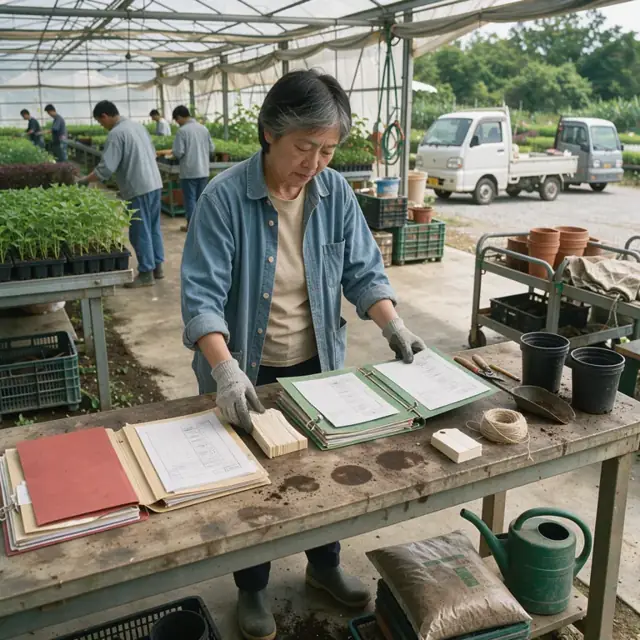
Compliance and Renewal Clerk
Track all licenses, prepare application drafts, compile application and treatment records for inspections.
Works in: Ambitious Docs, Ambitious Sheets, Ambitious Tasks · Workflows: Regulatory compliance and renewal
Automates
- Monitors renewal dates for licenses and cards
- Compiles pesticide and fertilizer logs
- Drafts phytosanitary applications
- Maintains compliance checklists
Stops for a person
- The grower reviews and signs every official document before filing
- People handle all inspections and corrective actions
- The bot never certifies compliance
Workflows
Order intake and availability check
Starts when: A wholesale buyer or retailer submits an order by email, portal or phone
- Capture species, variety, size, quantity, root type and delivery date
- Check current inventory and projected availability by grade against the order
- Draft a confirmation with price, availability and any substitutions
- Create a production or pull task with delivery window
- Update the master sales forecast
Watch for: Plants must be confirmed at the exact grade and size the customer expects; Backorders roll into future production blocks or digging schedules
Production block scheduling
Starts when: Monthly and before each seasonal window
- Forecast demand from standing orders and historical sales
- Assign new propagation, potting or field planting blocks by species and size target
- Schedule transplanting, spacing, pruning and grading events
- Allocate irrigation zones, fertilizer programs and pest management rotations
- Flag blocks that will reach saleable size in the next shipping window
Watch for: Different species have unique timelines from liner to finished plant; Field capacity and container yard space limit new blocks
Inventory grading and culling
Starts when: Weekly during active growth and before major shipping
- Walk or scan blocks to measure caliper, height and quality
- Update counts by grade and move plants between inventory categories
- Identify culls, diseased or off-type plants for removal
- Adjust the live inventory sheet with current saleable quantities
- Draft reports for standing customers on available grades
Watch for: Grades change monthly as plants grow; Accurate counts prevent overselling
Irrigation and pest management
Starts when: Daily and after weather events
- Check weather station and soil moisture data by zone
- Draft daily irrigation and fertigation schedule
- Schedule scouting routes and flag blocks needing treatment
- Record pesticide, herbicide and fungicide applications with rates and dates
- Generate applicator logs for regulatory review
Watch for: Restricted materials require licensed applicator sign-off; Records must be kept for exact number of days required by state rules
Digging and shipping preparation
Starts when: Before each major shipping window and when orders are confirmed
- Select blocks to dig based on orders and grades
- Schedule crews, equipment and refrigerated or open trucks
- Prepare phytosanitary certificates and treatment records
- Build packing lists and load diagrams by customer
- Draft shipping notifications and track delivery confirmations
Watch for: Soil temperature and moisture must allow digging without root damage; Many states require inspection before shipment
Supply and equipment maintenance
Starts when: Weekly and seasonally
- Review pot, media, fertilizer and chemical inventory against upcoming blocks
- Draft reorder lists by supplier
- Schedule maintenance for tractors, potting lines, irrigation pumps and sprayers
- Track shade cloth, frost blankets and cold-frame repairs
- Log fuel and repair costs by asset
Watch for: Media and pots must be ordered months ahead for peak potting season; Equipment breakdowns during digging or potting windows are costly
Regulatory compliance and renewal
Starts when: On fixed calendar dates and before inspections
- Track nursery license, dealer license and pesticide applicator card renewal dates
- Compile pesticide application and fertilizer records
- Draft phytosanitary certificate applications per shipment
- Maintain invasive species and endangered species compliance checklists
- Prepare documentation for audits or site inspections
Watch for: Requirements vary by state and destination country; The grower must personally review and sign official submissions
Bot templates for this industry
- Greenhouses Nurseries (3 bots)
- Nursery and Tree Production (7 bots)
Source: U.S. Small Business Administration, Office of Size Standards, Table of Small Business Size Standards Matched to North American Industry Classification System Codes, version March 2023 (effective 2023-03-17, NAICS 2022). Size standards are shown for reference only.