

Floriculture Production
Floriculture growers produce cut flowers, potted flowering plants, foliage plants and bedding plants in greenhouses and outdoor beds. Orders arrive for specific cultivars, colors, quantities and delivery dates. The specialists turn incoming orders into confirmed production schedules, propagate and grow according to climate-controlled calendars, manage fertilizer and pest programs, track bloom timing against market dates, pack and ship or deliver finished product, and maintain all pesticide, water-quality and certification records. Growing schedules, pest thresholds and post-harvest handling stay with the grower.
What makes this business different
- Precise cultivar, color, stem length and bloom-stage specifications that must be met for each order
- Climate-controlled greenhouse scheduling with overlapping crop cycles that run 4 to 16 weeks
- Integrated pest management with scouting logs, pesticide application records and re-entry intervals
- Fertigation, irrigation and nutrient schedules that change weekly by crop stage
- Cut-flower harvest windows measured in hours and post-harvest cooling and hydration requirements
- State and federal pesticide applicator licenses, water-use permits, and phytosanitary certificates for interstate or export shipments
- Repeat wholesale and retail customers who place standing orders for weekly deliveries or holiday peaks
- Seasonal surges for Valentine’s Day, Mother’s Day, holidays and spring bedding-plant sales
Specialist bots

Order Coordinator
Convert every incoming customer request into a confirmed production order with exact specifications.
Works in: Ambitious Tasks, Ambitious Docs, Email Buckets · Workflows: Order intake and confirmation
Automates
- Parses order messages and forms for cultivar, color, quantity and delivery date
- Checks projected availability against current crop calendar
- Drafts order confirmation and required deposit request
- Creates linked production task for the grower
Stops for a person
- Grower approves any substitutions or changes to cultivar or color
- A person reviews and sends all confirmations and invoices

Crop Scheduler
Build and maintain the master greenhouse production calendar that assigns every order to a specific bench or bed.
Works in: Ambitious Sheets, Process Optimizer, Ambitious Tasks · Workflows: Crop production scheduling
Automates
- Maps each confirmed order to the correct start and finish dates
- Balances overlapping crop cycles across available greenhouse space
- Highlights conflicts in climate or lighting requirements
- Adjusts the schedule when previous plantings are delayed
Stops for a person
- The grower reviews and approves the weekly master schedule
- Changes to lighting or blackout schedules are confirmed by a person
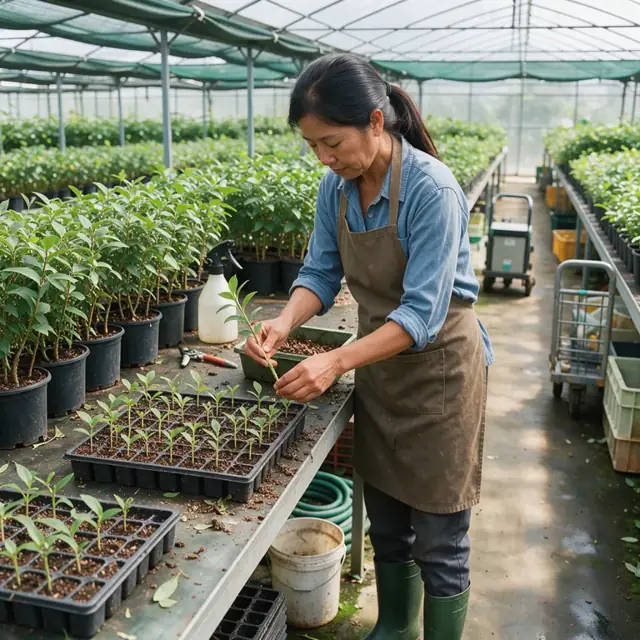
Propagation Technician
Manage mother stock, take cuttings or sow seed, and track each batch through transplant.
Works in: Ambitious Tasks, Ambitious Sheets, Ambitious Docs · Workflows: Propagation and transplanting
Automates
- Generates propagation lists by cultivar and quantity needed
- Records batch numbers, dates and propagator for traceability
- Schedules misting, heat and lighting programs for each tray
- Moves completed plugs to the correct finishing area on time
Stops for a person
- Grower verifies mother-stock health before cuttings are taken
- A person performs the physical transplanting and records observations

IPM and Crop Care Coordinator
Run daily scouting, log observations, schedule treatments and maintain all pesticide and nutrient records.
Works in: Ambitious Tasks, Ambitious Sheets, Ambitious Docs · Workflows: Daily crop care and IPM
Automates
- Generates daily scouting routes by greenhouse zone
- Logs pest counts, disease symptoms and nutrient readings
- Creates timed spray and fertigation schedules with correct rates
- Tracks re-entry intervals and pre-harvest intervals automatically
Stops for a person
- A licensed applicator performs all pesticide applications
- The grower confirms any corrective actions for off-schedule crops
- People review and file all regulatory logs

Harvest and Post-Harvest Planner
Determine exact daily harvest windows, grading standards and packing instructions for each crop.
Works in: Ambitious Tasks, Ambitious Docs, Process Optimizer · Workflows: Harvest, grading and post-harvest handling
Automates
- Calculates harvest date based on growing degree days and visual checks
- Generates bunching, sleeving and boxing instructions per customer
- Creates cooling and hydration protocols for cut flowers
- Records actual yield and quality notes after harvest
Stops for a person
- Grower walks the crop and confirms readiness before harvest begins
- A person performs final quality grading and packing

Inventory and Yield Forecaster
Track current sellable inventory, compare yields to forecasts and generate reorder lists for the next propagation cycle.
Works in: Ambitious Sheets, Ambitious Tasks, Ambitious Docs · Workflows: Inventory, yield tracking and reordering
Automates
- Updates inventory after each harvest by grade and cultivar
- Compares actual versus projected yields
- Calculates next propagation quantities based on orders and history
- Drafts lists of seeds, plugs, fertilizer and packaging to reorder
Stops for a person
- The owner approves all purchases and mother-stock replacement decisions
- Grower reviews forecast accuracy and adjusts future schedules

Compliance and Shipping Clerk
Prepare all shipping paperwork, phytosanitary certificates, invoices and maintain regulatory logs for pesticide and water use.
Works in: Ambitious Docs, Ambitious Tasks, Contract Analyzer · Workflows: Shipping, delivery and regulatory paperwork
Automates
- Generates packing lists and invoices from completed orders
- Pulls required phytosanitary and treatment records when needed
- Creates temperature-controlled shipping instructions
- Compiles monthly pesticide and fertilizer application summaries
Stops for a person
- A licensed person reviews and signs all pesticide and phytosanitary documents
- The owner approves every shipment and any money spent
- People confirm that all regulatory requirements are met before filing
Workflows
Order intake and confirmation
Starts when: A customer submits an order by email, portal, text or phone
- Capture cultivar, color, quantity, stem length or pot size, delivery date and any special requests
- Check against current crop schedule and available projected yield
- Confirm price, payment terms and any deposit required
- Draft order acknowledgment with expected harvest or ship date
- Create a production task linked to the specific greenhouse block or bed
Watch for: Color and bloom-stage requirements must be captured exactly; Orders for peak holidays are locked months in advance
Crop production scheduling
Starts when: Weekly on Monday morning and when new orders arrive
- Load confirmed orders into the master greenhouse calendar
- Assign each order to a specific bench, bed or field block
- Calculate start dates for propagation, transplant, and finish based on cultivar days-to-flower
- Flag overlapping crops that share climate or lighting needs
- Adjust for any lost or delayed previous plantings
Watch for: Multiple crops share the same greenhouse space at different stages; Lighting and blackout curtain schedules must be exact
Propagation and transplanting
Starts when: Scheduled start date for each crop
- Pull required mother-stock cuttings or seed trays
- Prepare media, trays or plugs according to cultivar protocol
- Record propagator, date, and batch number
- Schedule mist, bottom heat and lighting regime
- Move rooted plugs to finishing benches on time
Watch for: Sanitation between batches to prevent disease carry-over; Accurate tracking of cultivar batches for traceability
Daily crop care and IPM
Starts when: Every morning and after each irrigation or spray event
- Record scouting observations for pests, disease and nutrient issues
- Apply scheduled fertigation or foliar treatments
- Log pesticide product, rate, date, applicator and re-entry interval
- Adjust greenhouse vents, shade and irrigation based on weather and crop stage
- Flag any blocks that are off-schedule for corrective action
Watch for: Strict record-keeping for all pesticide applications; Worker re-entry and pre-harvest intervals must be observed
Harvest, grading and post-harvest handling
Starts when: When each crop reaches target bloom or height stage
- Schedule harvest crews for the narrow daily window
- Cut, strip, bunch or sleeve according to buyer specs
- Grade for stem length, bloom quality and defects
- Hydrate, cool and pack into boxes with correct labeling
- Record harvest date, yield per block and any quality issues
Watch for: Cut flowers must be processed and cooled within hours; Potted plants require careful sleeving to avoid damage
Inventory, yield tracking and reordering
Starts when: Weekly and after each harvest
- Update remaining sellable inventory by cultivar and grade
- Compare actual yields against projected and historical data
- Forecast next propagation needs based on standing orders and market trends
- Generate reorder list for plugs, seeds, fertilizer and packaging
- Track mother stock health and replacement schedule
Watch for: Perishable product cannot be stored long; Accurate yield data improves future scheduling
Shipping, delivery and regulatory paperwork
Starts when: Day before each scheduled shipment or delivery
- Pull and stage finished product for each customer
- Generate packing lists, invoices and phytosanitary certificates when required
- Draft temperature-controlled shipping or delivery instructions
- Record carrier, tracking numbers and condition at pickup
- File all pesticide, fertilizer and water-use logs for the period
Watch for: Cold-chain requirements for cut flowers; State-specific pesticide and export documentation
Bot templates for this industry
- Floriculture Production (7 bots)
Source: U.S. Small Business Administration, Office of Size Standards, Table of Small Business Size Standards Matched to North American Industry Classification System Codes, version March 2023 (effective 2023-03-17, NAICS 2022). Size standards are shown for reference only.