

Tobacco Farming
Tobacco farms grow, harvest, cure and bale leaf for sale to buyers and processors. Specialists turn weather, soil and market data into planting schedules, field tasks, harvest plans, curing schedules and sales contracts. The grower retains final decisions on varieties, chemical applications, curing temperatures and bale quality.
What makes this business different
- Strict seasonal calendar driven by frost dates, rainfall and day length for seedbed, transplant, topping, suckering and harvest
- Field-specific records for each variety, fertilizer, pesticide and harvest lot to meet buyer traceability requirements
- Curing barns with precise temperature and humidity control that must run continuously for days or weeks
- Labor peaks for transplanting, topping, suckering, hand-harvesting and barn loading
- Regulatory paperwork for pesticide applicator licenses, nutrient management and crop insurance
- Moisture testing and quality grading of cured leaf before baling and sale
- Contracts with tobacco buyers that specify volume, quality grades and delivery windows
Specialist bots
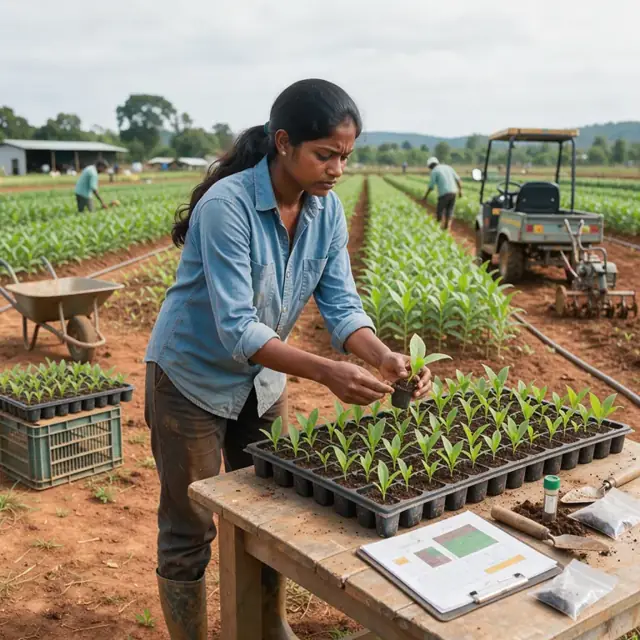
Crop Planner
Build the annual tobacco calendar from soil data, frost dates and buyer contracts.
Works in: Ambitious Sheets, Ambitious Tasks, Process Optimizer · Workflows: Seasonal crop planning, Field task scheduling and execution, Harvest and barn loading, Curing barn monitoring, Grading, baling and inventory
Automates
- Compares soil tests to variety needs
- Calculates seed, fertilizer and chemical requirements
- Builds the full-season task calendar
- Pre-fills insurance and contract forms
Stops for a person
- The grower selects final varieties and approves chemical list
- A licensed applicator reviews all planned applications
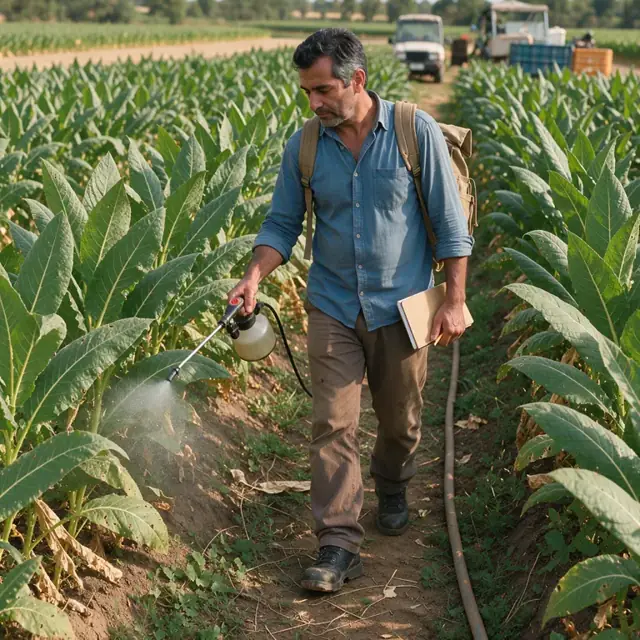
Field Operations Coordinator
Turn weekly weather and crop stage into daily field task assignments and input records.
Works in: Ambitious Tasks, Ambitious Sheets, Ambitious Docs · Workflows: Field task scheduling and execution, Harvest and barn loading, Curing barn monitoring, Regulatory and insurance paperwork
Automates
- Pulls forecast and soil data
- Generates task lists by field and crew
- Creates application logs with rates and conditions
- Flags follow-up needs
Stops for a person
- The grower or licensed applicator approves every chemical application
- Field staff confirm completion and actual conditions

Harvest Dispatcher
Schedule daily cutting, barn loading and labor based on leaf maturity.
Works in: Ambitious Tasks, Ambitious Sheets · Workflows: Harvest and barn loading, Grading, baling and inventory, Buyer contract and delivery
Automates
- Assesses maturity reports by field
- Builds cutting and barn-loading schedule
- Assigns crews and equipment
- Tracks lots to specific barns
Stops for a person
- The grower walks fields to confirm ripeness before cutting begins
- Crew leads report actual harvest volumes
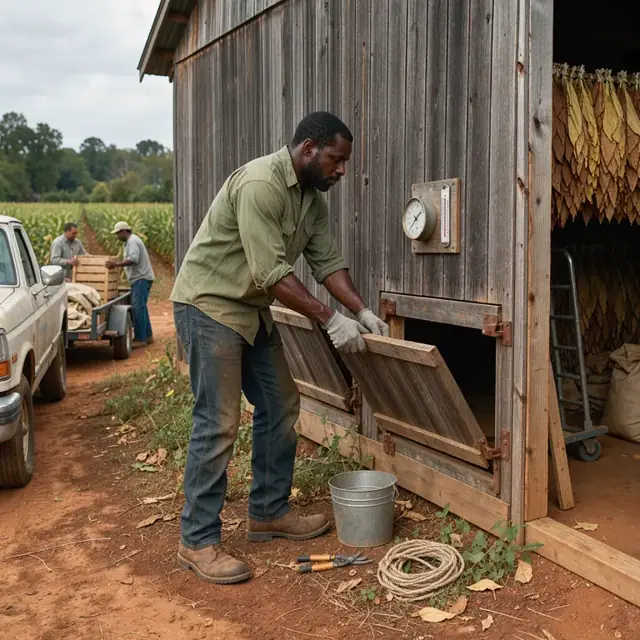
Curing Barn Manager
Monitor each barn's temperature and humidity curve and generate daily adjustment guidance.
Works in: Ambitious Tasks, Ambitious Sheets, Ambitious Docs · Workflows: Curing barn monitoring, Regulatory and insurance paperwork
Automates
- Sets target curing schedule per barn
- Logs sensor readings and flags deviations
- Suggests vent and heat adjustments
- Signals when curing stage is complete
Stops for a person
- The grower reviews and approves all temperature changes
- A person physically checks barns and equipment daily
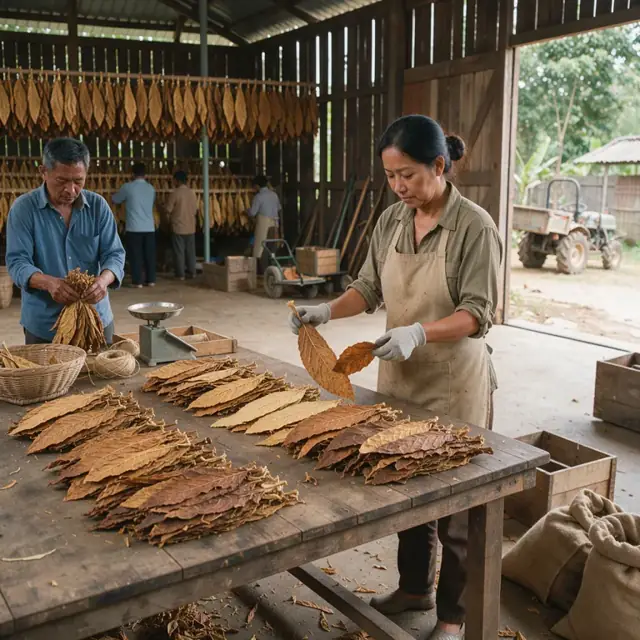
Leaf Grader and Inventory Clerk
Record moisture, assign grades, create bale labels and maintain lot inventory.
Works in: Ambitious Sheets, Ambitious Docs, Ambitious Tasks · Workflows: Grading, baling and inventory, Buyer contract and delivery, Regulatory and insurance paperwork
Automates
- Compares moisture readings to grade standards
- Generates grade sheets and bale labels
- Updates inventory by grade and contract
- Prepares traceability documents
Stops for a person
- The grower or buyer representative confirms final grades
- A person performs official moisture tests before baling

Contract and Delivery Administrator
Match graded inventory to buyer contracts and prepare delivery documents.
Works in: Ambitious Docs, Contract Analyzer, Ambitious Sheets · Workflows: Buyer contract and delivery, Regulatory and insurance paperwork
Automates
- Compares inventory to contract specifications
- Drafts delivery schedules and load lists
- Prepares bills of lading and certificates
- Updates remaining inventory
Stops for a person
- The grower reviews and signs all contracts and sales documents
- A person verifies physical loads before trucks leave
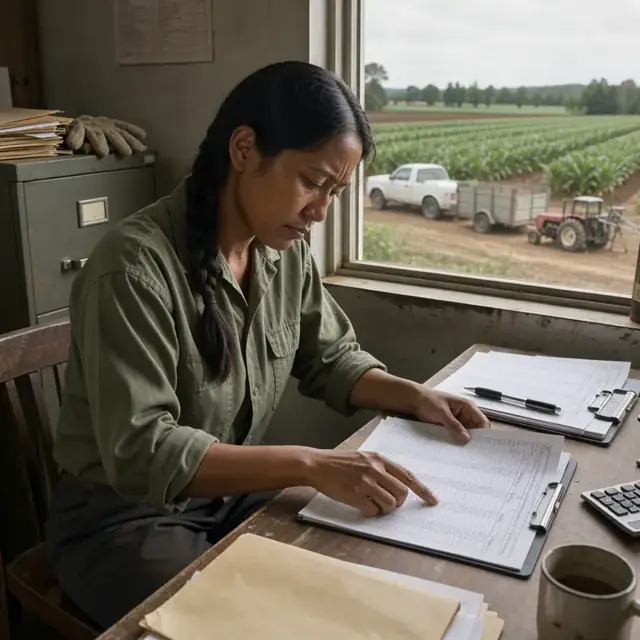
Compliance and Records Clerk
Compile regulatory logs, track license renewals and prepare reports for insurance and buyers.
Works in: Ambitious Docs, Ambitious Sheets, Ambitious Tasks · Workflows: Regulatory and insurance paperwork, Seasonal crop planning, Field task scheduling and execution
Automates
- Aggregates application and harvest logs
- Generates required reports by field
- Tracks renewal dates for licenses and insurance
- Organizes lot records for audits
Stops for a person
- The grower confirms which regulations apply each season
- People review, correct and sign every filing or report
Workflows
Seasonal crop planning
Starts when: End of previous season and before seedbed preparation
- Review soil test results and rotation history for each field
- Select varieties and calculate seed, fertilizer and chemical needs
- Build a calendar for seeding, transplanting, topping, harvesting and curing
- Draft crop insurance and buyer contract applications
- Load the plan into the master task list
Watch for: Variety choice affects disease resistance, yield and buyer acceptance; Planting must align with local last-frost date
Field task scheduling and execution
Starts when: Weekly during growing season or after weather event
- Check forecast and soil moisture against crop stage
- Generate daily task list for transplanting, cultivation, topping, suckering or scouting
- Assign equipment and labor to fields
- Record application rates, dates and conditions for each input
- Flag fields needing immediate attention
Watch for: Pesticide and fertilizer applications require licensed applicator sign-off; Records must show exact field, rate, date and weather
Harvest and barn loading
Starts when: When leaf reaches maturity
- Assess ripeness by field and stalk position
- Create daily cutting and barn-filling schedule
- Coordinate labor crews and equipment
- Track which lots go into which barn and tier
- Log harvest conditions and estimated yield
Watch for: Leaf must be harvested at precise maturity to meet grade; Weather can force rapid schedule changes
Curing barn monitoring
Starts when: Each time a barn is loaded
- Set target temperature and humidity curve for the leaf type
- Monitor sensors and draft daily adjustment schedule
- Log wet-bulb and dry-bulb readings twice daily
- Alert when curing stage changes or equipment needs service
- Generate completion report when barn is ready for unloading
Watch for: Curing lasts 5–8 weeks and cannot be interrupted; Temperature spikes or drops ruin the entire barn
Grading, baling and inventory
Starts when: After curing is complete
- Sample leaves from each barn for moisture and quality
- Draft grade sheets by lot
- Create baling schedule and bale labels
- Update inventory by grade and buyer specification
- Prepare lot traceability documents
Watch for: Moisture must be in the narrow acceptable range before baling; Buyer contracts often require specific grade mixes
Buyer contract and delivery
Starts when: After grading or when buyer offers arrive
- Match current inventory to open buyer contracts
- Draft delivery schedule and load lists
- Prepare bills of lading and grade certificates
- Record sale price, buyer and lot numbers
- Update remaining inventory
Watch for: Contracts may specify exact grades, volumes and delivery dates; All movement of tobacco must be documented for traceability
Regulatory and insurance paperwork
Starts when: After each application, season end and renewal dates
- Compile pesticide, fertilizer and harvest logs by field
- Generate nutrient management and crop insurance reports
- Track applicator license, farm permit and insurance renewal dates
- Draft renewal applications for approval
- Archive lot records for buyer audits
Watch for: Rules vary by state and buyer; the grower confirms which apply; People confirm and sign all regulatory filings
Bot templates for this industry
- Tobacco Farming (7 bots)
Source: U.S. Small Business Administration, Office of Size Standards, Table of Small Business Size Standards Matched to North American Industry Classification System Codes, version March 2023 (effective 2023-03-17, NAICS 2022). Size standards are shown for reference only.