

Cotton Farming
Cotton farms prepare soil, plant, scout, irrigate, apply inputs, defoliate and harvest cotton on open acreage. Specialists turn soil tests, weather data and scouting reports into planting schedules, irrigation plans and input orders; convert maturity forecasts into harvest dispatch, ginning schedules and warehouse documents; and maintain application logs, insurance records and buyer contracts. The grower retains all decisions on seed varieties, chemical applications, irrigation triggers, harvest timing and sales.
What makes this business different
- Planting windows dictated by soil temperature, weather forecasts and regional degree-day models
- Seasonal cycle of soil prep, planting, scouting, irrigation, defoliation and harvest with tight weather windows
- Precise application records for seed varieties, fertilizers, pesticides and defoliants required by regulators and buyers
- Irrigation scheduling based on soil moisture probes, evapotranspiration rates and water allotments
- Pest and disease scouting that drives variable-rate chemical applications and resistance management
- Equipment maintenance, fuel, repair parts and harvest contractor coordination during narrow picking windows
- Ginning, classing, warehouse storage and futures or forward contracts with cotton buyers and cooperatives
- Soil conservation, nutrient management plans, crop insurance filings and USDA program compliance paperwork
Specialist bots

Planting Coordinator
Turn soil tests, weather forecasts and degree-day models into field-ready planting and prep schedules.
Works in: Ambitious Sheets, Process Optimizer, Ambitious Tasks · Workflows: Soil prep and planting schedule
Automates
- Pulls soil test data and builds nutrient plans
- Checks weather and soil temperature forecasts
- Creates equipment and input order lists
- Generates daily planting checklists
Stops for a person
- The grower approves all chemical and seed choices
- A licensed applicator confirms restricted product plans
- Final planting dates are decided by the grower

Scout and Irrigation Scheduler
Convert weather, soil moisture and scouting data into weekly routes, irrigation schedules and treatment maps.
Works in: Ambitious Sheets, Ambitious Tasks, Process Optimizer · Workflows: Crop scouting and irrigation scheduling
Automates
- Combines probe and evapotranspiration readings
- Prioritizes fields for scouting by growth stage and risk
- Calculates daily water requirements
- Drafts variable-rate irrigation and spray maps
Stops for a person
- The grower reviews and approves all treatment recommendations
- Actual irrigation start times are set by the irrigator or grower
- Scouting findings are verified in the field by people
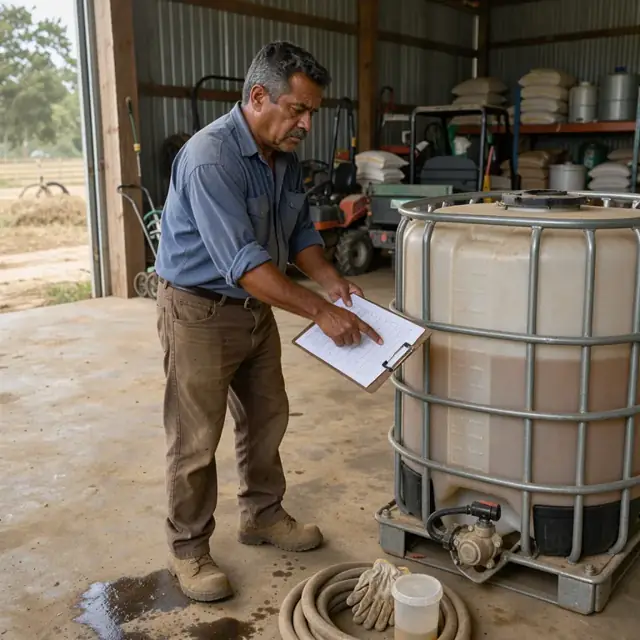
Input and Inventory Manager
Turn scouting and nutrient plans into precise purchase orders while tracking on-farm chemical, seed and fuel inventory.
Works in: Ambitious Sheets, Ambitious Tasks, Ambitious Docs · Workflows: Input purchasing and inventory
Automates
- Explodes plans into product quantities per field
- Subtracts current stock levels
- Drafts supplier purchase orders
- Maintains regulatory application and safety data logs
Stops for a person
- The grower places and approves every purchase
- Licensed applicators confirm product selections before ordering
- A person files final regulatory paperwork

Harvest Dispatcher
Coordinate defoliation, harvest equipment, modules and gin deliveries within narrow weather and maturity windows.
Works in: Ambitious Tasks, Ambitious Docs · Workflows: Harvest and defoliation coordination
Automates
- Monitors maturity and weather for defoliation timing
- Builds daily harvest dispatch lists by field
- Tracks module locations and gin delivery tickets
- Prepares warehouse and classing instructions
Stops for a person
- The grower decides exact defoliant products and harvest start dates
- Contractors and drivers receive final instructions from the grower
- Quality samples are approved by the grower before ginning
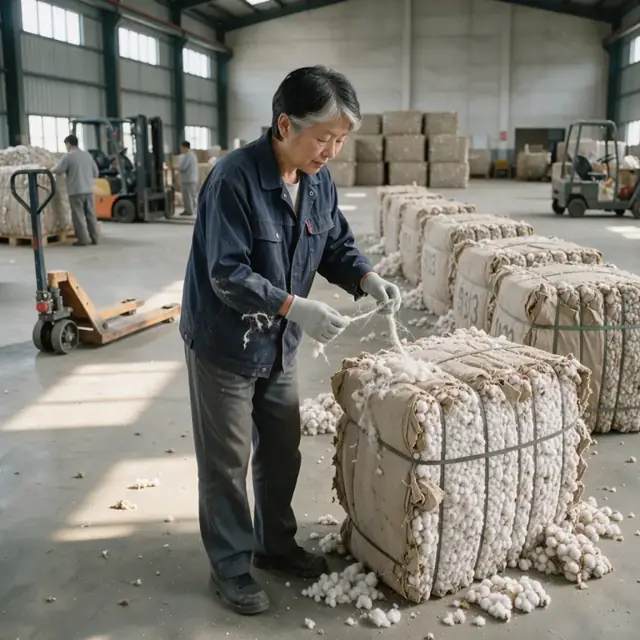
Ginning and Marketing Clerk
Draft gin contracts, track bale classing results and organize sales and warehouse documents for cotton buyers.
Works in: Ambitious Docs, Contract Analyzer, Ambitious Sheets · Workflows: Ginning, classing and sales
Automates
- Prepares gin delivery schedules and contracts
- Logs bale weights, tags and classing data
- Drafts forward contract and offer summaries
- Compiles warehouse receipt packages
Stops for a person
- The grower reviews and signs every contract and sales commitment
- Final pricing decisions and hedge positions are made by the grower
- People confirm all buyer and cooperative terms

Compliance and Records Officer
Maintain chemical application logs, insurance reports, conservation plans and USDA program documentation.
Works in: Ambitious Docs, Ambitious Sheets, Ambitious Tasks · Workflows: Regulatory and insurance paperwork
Automates
- Compiles application records after each field pass
- Tracks insurance acreage and production data
- Flags upcoming USDA and regulatory deadlines
- Organizes soil tests, invoices and yield records
Stops for a person
- The grower confirms which conservation practices apply
- All filings and certifications are reviewed and signed by the grower or licensed advisor
- People verify accuracy before submission
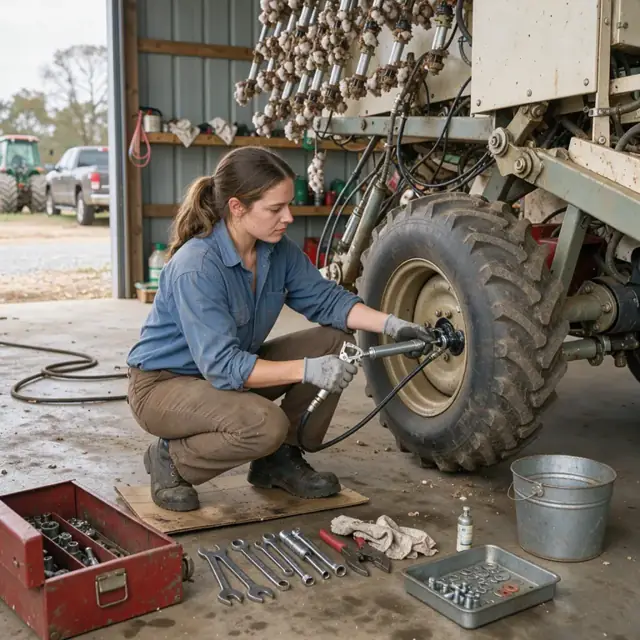
Equipment Maintenance Coordinator
Maintain preventive maintenance schedules, calibration records and readiness status for all farm machinery and vehicles.
Works in: Ambitious Tasks, Ambitious Sheets, Ambitious Docs · Workflows: Equipment and asset maintenance
Automates
- Generates weekly and pre-season checklists
- Tracks fuel, parts and repair history
- Flags licensing and inspection due dates
- Builds equipment status reports for harvest dispatch
Stops for a person
- Mechanics and operators perform and sign off on actual repairs
- The grower approves major repair expenditures
- Calibration is verified by the operator in the field
Workflows
Soil prep and planting schedule
Starts when: End of previous harvest or when soil temperature reaches threshold in spring
- Pull last season's soil test results and nutrient recommendations
- Draft field-by-field tillage, fertilizer and pre-plant herbicide plan
- Check 10-day weather forecast and soil temperature trends
- Create equipment dispatch list and seed, chemical and fuel orders
- Generate planting-date checklist for each field
Watch for: Planting must occur within narrow soil temperature and weather windows; Seed variety and treatment choices affect insurance and marketing options
Crop scouting and irrigation scheduling
Starts when: Weekly from emergence through boll opening or when soil moisture drops
- Compile weather station, soil probe and evapotranspiration data
- Draft scouting route by field priority based on growth stage and pest risk
- Record insect, weed and disease observations with photos
- Calculate daily water needs and draft irrigation schedule or variable-rate map
- Flag fields needing treatment and draft application recommendations
Watch for: Accurate pest thresholds drive spray decisions to manage resistance; Water allotments or district delivery schedules constrain irrigation timing
Input purchasing and inventory
Starts when: After scouting recommendations and before each application window
- Explode scouting and nutrient plans into product lists by field
- Compare against current inventory and on-farm storage
- Draft purchase orders by supplier for seed, fertilizer, chemicals and fuel
- Track batch numbers, delivery dates and safety data sheets
- Update regulatory application logs with product details
Watch for: Restricted-use pesticides require licensed applicator records; Just-in-time delivery to avoid storage issues on the farm
Harvest and defoliation coordination
Starts when: When boll maturity and weather forecasts align in late summer or fall
- Monitor crop for maturity and draft defoliant application schedule
- Schedule harvest equipment, modules or contractors by field
- Create daily harvest dispatch list with field readiness and weather checks
- Draft module or trailer tracking sheets and gin delivery tickets
- Prepare warehouse receipt and classing instructions
Watch for: Narrow harvest window before weather degrades fiber quality; Module or picker logistics must match gin capacity and truck availability
Ginning, classing and sales
Starts when: After harvest when modules reach the gin
- Draft gin contracts and delivery schedule
- Track module weights, gin turnout and bale tags
- Record classing results from USDA or buyer samples
- Draft sales offers or forward contract positions
- Generate warehouse receipt and invoice packages
Watch for: Fiber quality determines price and buyer acceptance; Storage and marketing decisions affect cash flow across seasons
Regulatory and insurance paperwork
Starts when: After each field operation and on seasonal deadlines
- Compile application logs for every chemical and fertilizer pass
- Update nutrient management and conservation plan tracking
- Draft crop insurance acreage reports and production records
- Track USDA program enrollment and compliance deadlines
- Organize seed invoices, soil tests and yield maps for tax and audit
Watch for: Detailed records must be kept for years for regulatory audits; Insurance and government programs require verified timely filings
Equipment and asset maintenance
Starts when: Weekly during active seasons and before major operations
- Pull preventive maintenance schedule for tractors, planters, sprayers and pickers
- Draft daily pre-operation checklists and post-harvest winterization tasks
- Track fuel, oil, parts inventory and repair history
- Flag equipment that needs licensing, inspection or calibration
- Create dispatch-ready status list for harvest fleet
Watch for: Large equipment must be ready within tight seasonal windows; Calibration of sprayers and planters is required for accurate application
Bot templates for this industry
- Cotton Farming (7 bots)
Source: U.S. Small Business Administration, Office of Size Standards, Table of Small Business Size Standards Matched to North American Industry Classification System Codes, version March 2023 (effective 2023-03-17, NAICS 2022). Size standards are shown for reference only.