

Sugarcane Farming
Sugarcane farms plant, irrigate, fertilize, scout, harvest and deliver cane to mills on tight seasonal windows. Specialists turn weather and soil data into irrigation and fertigation schedules, field observations into spray records and harvest plans, cut cane into mill delivery tickets and reorder seed cane and inputs. Mill contracts, pesticide logs, water-use reports and equipment maintenance stay with the grower.
What makes this business different
- Tight harvest windows driven by sucrose content, mill quotas and weather
- Large-scale irrigation scheduling that shifts daily with evapotranspiration and rainfall
- Integrated pest management with scouting logs and restricted-use pesticide application records
- Multi-year crop cycles: plant cane, first ratoon, second ratoon before replanting
- Equipment fleets including harvesters, loaders, transport trailers and tractors that require seasonal maintenance
- Mill delivery tickets, weight tickets and quality sampling that must match each load
- Water-use reporting, nutrient management plans and conservation compliance paperwork that varies by district
- Seed cane ordering and treatment before each planting season
Specialist bots
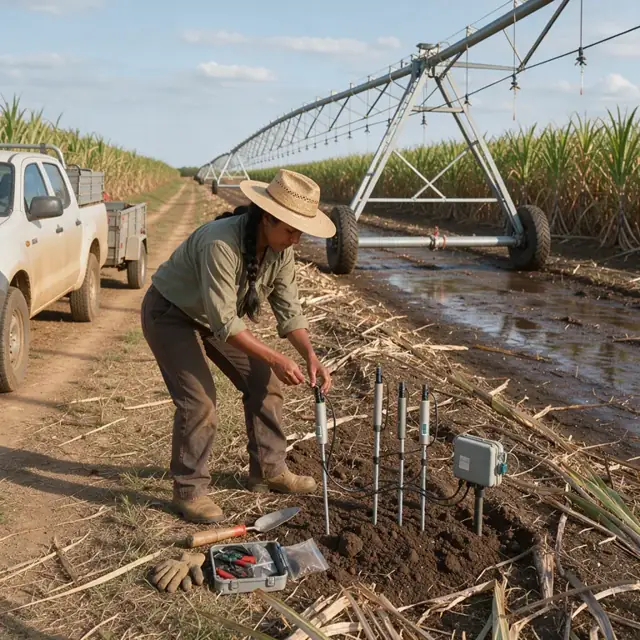
Irrigation Coordinator
Turn daily weather, soil and crop data into precise irrigation and fertigation schedules.
Works in: Ambitious Sheets, Process Optimizer, Ambitious Tasks · Workflows: Irrigation and fertigation scheduling
Automates
- Pulls evapotranspiration and rainfall forecasts
- Calculates field-specific water and nutrient requirements
- Builds daily valve and pump schedules
- Flags fertigation opportunities
- Creates operator task lists
Stops for a person
- The grower approves any changes to water allocations
- A person confirms pump starts and valve settings in the field

Field Scout Analyst
Convert weekly field observations into pest pressure maps, thresholds and spray records.
Works in: Ambitious Tasks, Ambitious Sheets, Ambitious Docs · Workflows: Field scouting and pest management
Automates
- Generates optimized scouting routes
- Logs pest counts and photos by field block
- Compares findings to action thresholds
- Drafts pesticide recommendations and application records
Stops for a person
- The grower reviews and approves all spray recommendations
- A licensed applicator confirms product choice, rate and buffer zones
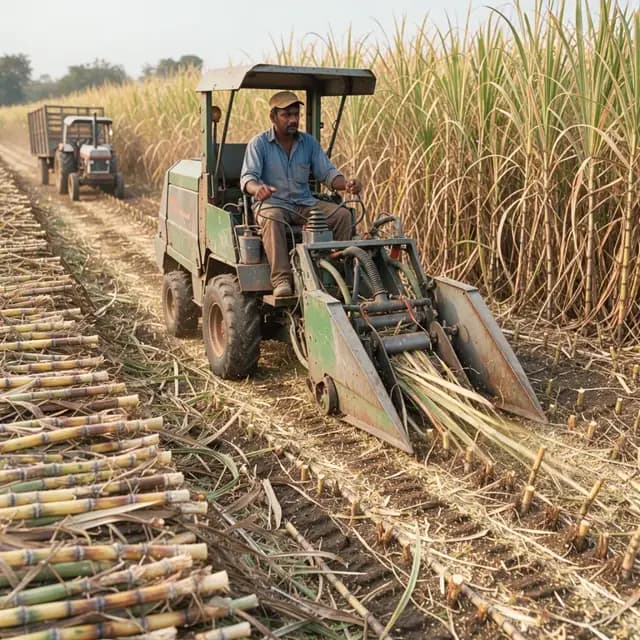
Harvest Planner
Sequence fields for cutting, assign equipment and generate mill delivery tickets.
Works in: Ambitious Sheets, Ambitious Tasks · Workflows: Harvest and mill delivery planning
Automates
- Ranks fields by sucrose and mill quota
- Builds daily harvest and haul schedule
- Creates mill ticket templates with load details
- Tracks harvested versus remaining acreage
Stops for a person
- The grower sets final harvest order and burning decisions
- A person verifies each load ticket before leaving for the mill

Planting Coordinator
Determine replant needs, order seed cane and build the planting schedule.
Works in: Ambitious Tasks, Ambitious Sheets, Ambitious Docs · Workflows: Planting and seed cane management
Automates
- Identifies fields due for replanting versus ratoon
- Calculates seed cane quantities by variety
- Schedules land prep, planting and cover operations
- Tracks variety placement across the farm
Stops for a person
- The grower selects varieties and approves seed cane orders
- A person confirms seed treatment and planting depth in the field

Fleet Maintenance Coordinator
Track equipment usage and schedule preventive maintenance around seasonal operations.
Works in: Ambitious Sheets, Ambitious Tasks, Process Optimizer · Workflows: Fleet and equipment maintenance
Automates
- Monitors hours on harvesters, tractors and trailers
- Generates maintenance tasks by meter
- Schedules repairs to avoid harvest conflicts
- Tracks critical parts inventory
Stops for a person
- The grower approves all major repair spending
- A mechanic performs and signs off on each service
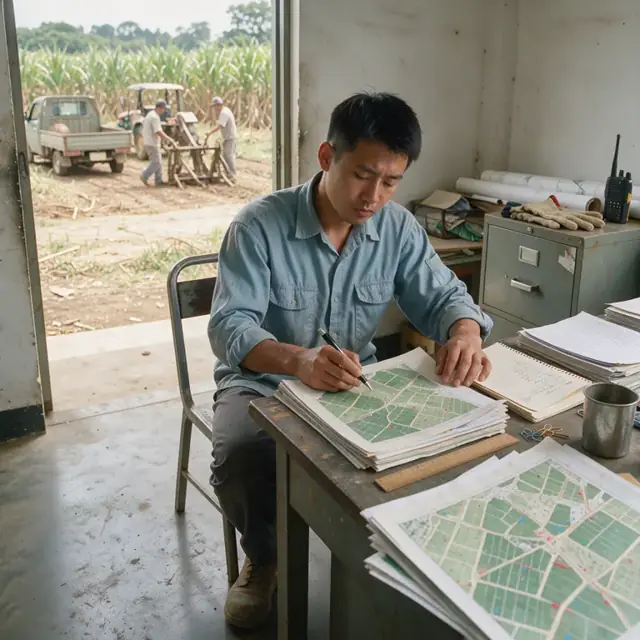
Compliance and Reporting Clerk
Assemble pesticide logs, water reports, nutrient plans and mill tonnage records for grower review.
Works in: Ambitious Docs, Ambitious Sheets, Ambitious Tasks · Workflows: Regulatory and mill compliance reporting
Automates
- Compiles application and irrigation logs
- Builds water-use and nutrient reports
- Prepares mill contract summaries
- Flags license and permit renewal dates
Stops for a person
- The grower personally reviews and signs every submission
- People handle all inspections and final filings

Input Procurement Specialist
Convert crop plans and scouting data into purchase orders for fertilizer, chemicals, fuel and seed.
Works in: Ambitious Sheets, Ambitious Tasks, Ambitious Docs · Workflows: Input purchasing and inventory
Automates
- Calculates total fertilizer and pesticide needs
- Subtracts current stock levels
- Drafts supplier purchase orders
- Tracks delivery timing against field schedules
Stops for a person
- The grower approves and places every purchase order
- A person verifies receipt and storage of restricted materials
Workflows
Irrigation and fertigation scheduling
Starts when: Daily at sunrise or after rainfall
- Pull current soil moisture, evapotranspiration and weather forecast data
- Calculate water and nutrient needs per field by growth stage and variety
- Build the 24-48 hour irrigation schedule across pivot, drip and canal systems
- Flag fields needing fertigation or chemigation
- Create task list for valve changes or pump starts
Watch for: Cane cannot be over- or under-watered during peak growth or before harvest; District water allocations must never be exceeded
Field scouting and pest management
Starts when: Weekly during growing season or after weather events
- Generate scouting routes by field priority and growth stage
- Record insect, weed, disease and rodent pressure with photos and counts
- Compare findings against economic thresholds
- Draft pesticide or biological application recommendations
- Build application records with product, rate, date and applicator
Watch for: Restricted-use pesticides require exact records and buffer zones; Pre-harvest intervals must be observed
Harvest and mill delivery planning
Starts when: Beginning of each harvest season and weekly thereafter
- Test sucrose content and estimate tonnage per field
- Sequence fields to meet mill quotas and sucrose targets
- Build daily cut and haul schedule with equipment and crew assignments
- Generate mill delivery tickets and sampling instructions
- Track harvested acres and remaining stand
Watch for: Mill closes if weather or quotas are missed; Burning or green harvest rules differ by region and air-quality district
Planting and seed cane management
Starts when: End of harvest season or when a field is scheduled for replant
- Determine which fields need replanting versus ratoon
- Calculate seed cane requirements by variety and acreage
- Order and schedule seed cane delivery and treatment
- Build planting schedule with land prep, furrow, seed placement and cover steps
- Track variety placement for disease resistance and mill preferences
Watch for: Seed cane must be fresh and treated before planting; Planting must finish before soil temperatures drop
Fleet and equipment maintenance
Starts when: Monthly and before each seasonal operation
- Pull hours and usage from each tractor, harvester, loader and trailer
- Generate preventive maintenance tasks by meter reading
- Schedule shop or field repairs around harvest windows
- Track parts inventory for harvester blades, filters and hydraulic hoses
- Create compliance inspection checklist for transport vehicles
Watch for: Harvesters and loaders cannot break down during the short harvest window; Roadworthy trailers are required for mill runs
Regulatory and mill compliance reporting
Starts when: After each application, monthly, and at season end
- Compile pesticide application logs with product, rate, location and weather
- Assemble water-use reports from meter readings and irrigation logs
- Draft nutrient management and conservation practice records
- Prepare mill contract tonnage reports and quality data
- Flag upcoming renewal dates for licenses and certifications
Watch for: Grower must personally review and sign all regulatory submissions; Records must be kept for multiple years per district rules
Input purchasing and inventory
Starts when: After scouting reports, before planting and monthly
- Explode scouting and crop plans into fertilizer, pesticide and seed needs
- Subtract current inventory levels
- Draft purchase orders by supplier for bulk fertilizer, chemicals and fuel
- Track delivery dates against application windows
- Log usage and remaining stock after each operation
Watch for: Fertilizer and chemical storage must meet safety and spill regulations; Just-in-time delivery reduces storage duration of restricted materials
Bot templates for this industry
- Sugarcane Farming (7 bots)
Source: U.S. Small Business Administration, Office of Size Standards, Table of Small Business Size Standards Matched to North American Industry Classification System Codes, version March 2023 (effective 2023-03-17, NAICS 2022). Size standards are shown for reference only.