

Hay Farming
Hay farms grow, cut, bale, store and sell alfalfa, grass and mixed hay to livestock operators, horse farms and feed stores. The operation follows a seasonal cycle of soil prep, planting or stand maintenance, multiple cuttings per year, field drying, baling, storage and delivery. Specialists turn weather and growth data into cutting schedules, turn field counts into bale inventories, convert orders into loading and delivery plans, and keep equipment, fertilizer and seed records current. The grower makes final calls on when to cut, bale quality and pricing.
What makes this business different
- Weather-dependent cutting windows that can shift by days or hours
- Multiple cuttings per season with different yields and quality grades
- Large equipment such as tractors, mowers, rakes, balers and loaders that require maintenance logs and fuel tracking
- Bale inventory by type, cutting, moisture level and storage location
- Soil tests, fertilizer applications, pest scouting and nutrient records for each field
- Seasonal labor for baling, stacking and loading plus supplier contracts for seed, fertilizer and twine
- Sales to repeat buyers with standing orders, spot sales and delivery or pickup options
- Moisture testing, bale probing, storage ventilation and fire-prevention checks
- Regulatory recordkeeping for nutrient applications, crop insurance and equipment inspections
Specialist bots

Field Scout
Monitor weather, growth stage and field conditions to recommend when each field should be cut.
Works in: Ambitious Sheets, Ambitious Tasks, Ambitious Docs · Workflows: Field growth and weather monitoring
Automates
- Pulls daily weather and forecast data
- Tracks degree days and soil moisture trends
- Logs scouting notes and flags issues
- Updates the seasonal cutting forecast
Stops for a person
- The grower decides the final cutting order
- Any pesticide or fertilizer recommendation is reviewed by the grower

Cutting Scheduler
Turn field readiness and weather into crew and equipment dispatch orders for mowing and raking.
Works in: Ambitious Tasks, Ambitious Sheets · Workflows: Cutting schedule and crew dispatch
Automates
- Checks weather windows against field readiness
- Assigns equipment and crew to fields
- Creates work orders with maps and targets
- Logs start and finish times
Stops for a person
- The grower approves the final daily cutting plan
- Crew confirms equipment readiness before dispatch
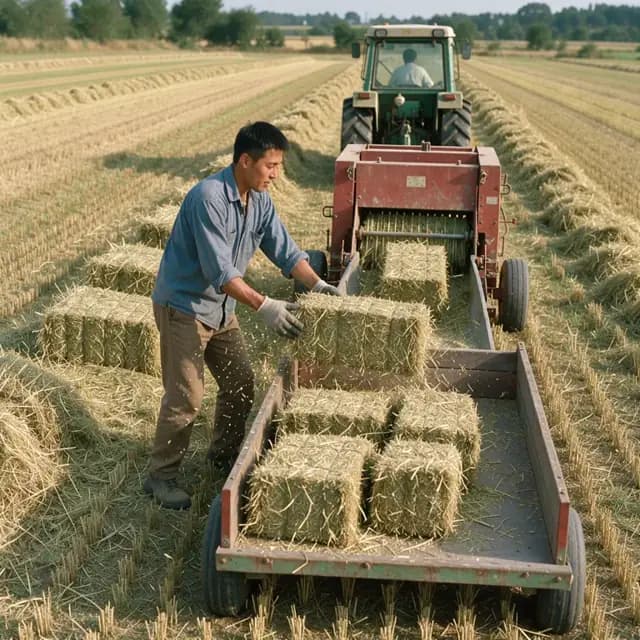
Bale Inventory Manager
Record bale counts, moisture tests and storage locations after each baling run and keep running inventory by grade.
Works in: Ambitious Sheets, Ambitious Tasks, Ambitious Docs · Workflows: Baling, moisture testing and inventory update
Automates
- Logs moisture probe readings and bale counts per field
- Assigns grade and cutting to each lot
- Updates stack maps and available inventory
- Flags any out-of-spec bales
Stops for a person
- The grower reviews moisture and quality calls
- Adjustments for sales or spoilage are confirmed by a person
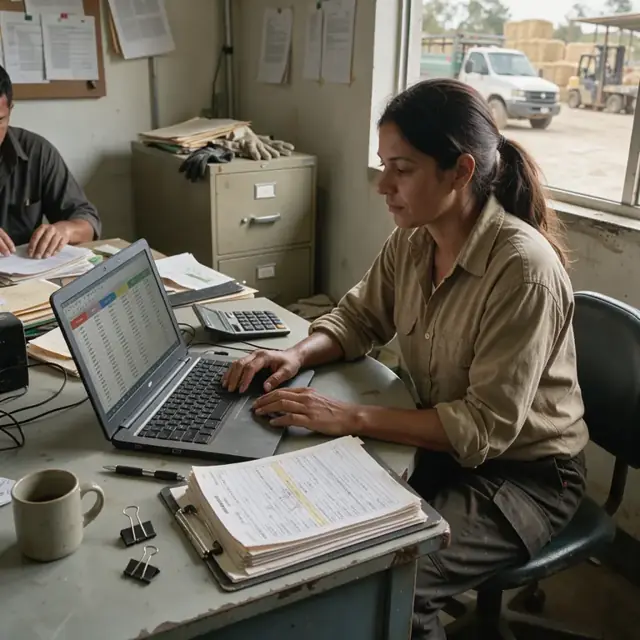
Order Coordinator
Convert incoming hay orders into confirmed requests against current inventory and create loading tasks.
Works in: Ambitious Tasks, Ambitious Docs, Email Buckets · Workflows: Order intake and fulfillment
Automates
- Captures buyer, type, cutting and quantity
- Checks availability by lot and location
- Drafts confirmation with price and terms
- Creates the load ticket task
Stops for a person
- The grower sets or approves pricing and any substitutions
- A person sends the final confirmation and handles payment
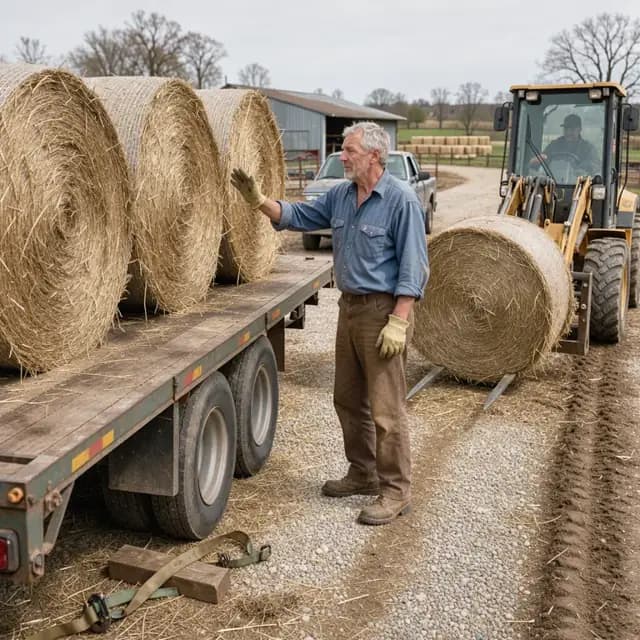
Dispatch and Load Planner
Plan daily truck loads, generate load tickets and coordinate deliveries or customer pickups.
Works in: Ambitious Tasks, Ambitious Sheets · Workflows: Loading and delivery dispatch
Automates
- Groups orders by route or pickup time
- Assigns trailers and drivers
- Creates load tickets with origin and weight
- Updates inventory after each load
Stops for a person
- Drivers confirm safe loading and weight limits
- The grower approves any changes to delivery sequence
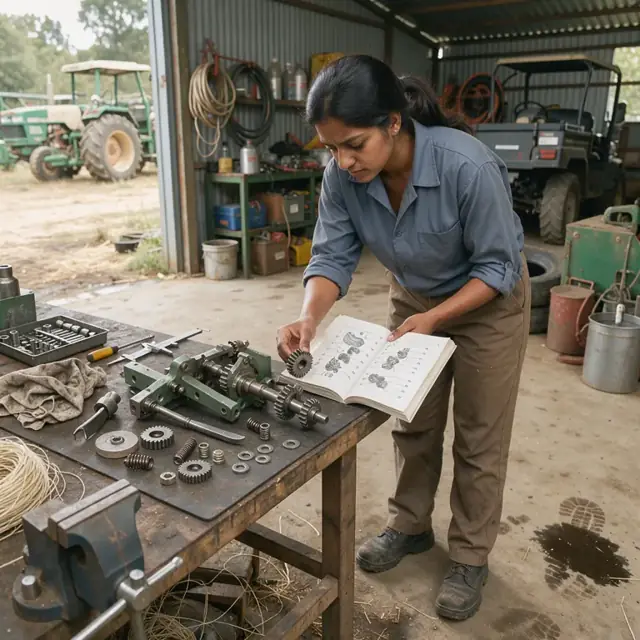
Input and Equipment Supply Tracker
Maintain fertilizer, seed, fuel, twine and equipment parts inventory and draft purchase lists from soil tests and usage logs.
Works in: Ambitious Sheets, Ambitious Tasks, Ambitious Docs · Workflows: Fertilizer, seed and supply purchasing
Automates
- Compares soil-test needs to application records
- Tracks usage and par levels for consumables
- Builds reorder lists by supplier
- Schedules equipment maintenance
Stops for a person
- The grower approves all purchases and application plans
- Regulatory paperwork is reviewed and signed by the owner
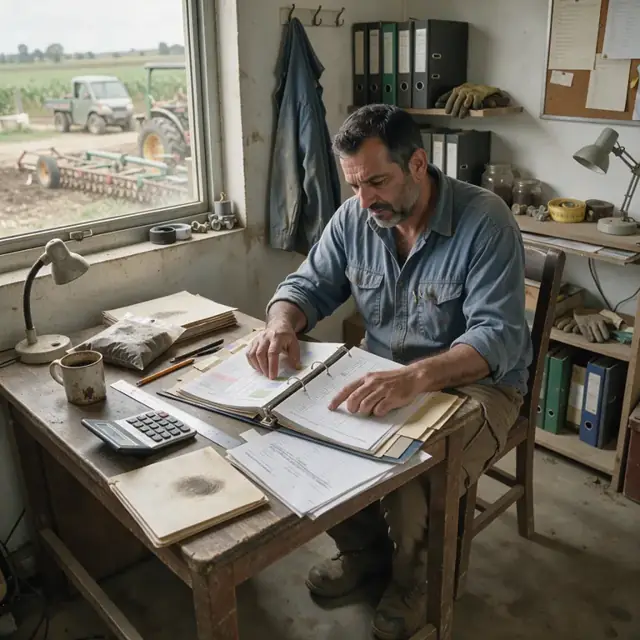
Records and Compliance Clerk
Organize soil tests, application logs, maintenance records and year-end summaries for each field.
Works in: Ambitious Docs, Ambitious Sheets, Ambitious Tasks · Workflows: Compliance, soil and equipment recordkeeping, Permit, license and inspection management
Automates
- Compiles application logs with dates and rates
- Stores soil-test results by field
- Tracks renewal dates for insurance and leases
- Generates seasonal summary reports
- Prepares inspection checklists and renewal drafts
Stops for a person
- The grower reviews and signs every regulatory document
- People confirm that all filings meet local requirements
Workflows
Field growth and weather monitoring
Starts when: Daily during growing season and before each planned cutting
- Pull current weather forecast, soil moisture and degree-day accumulation
- Record visual scouting notes or drone imagery for each field
- Compare growth stage and height against target for next cut
- Flag any pest, weed or disease pressure
- Update the shared cutting forecast
Watch for: Rain or humidity can delay cutting by days and affect hay quality; Different fields reach readiness at different times
Cutting schedule and crew dispatch
Starts when: When a field reaches target height and weather window opens
- Confirm soil moisture and forecast for next five days
- Assign tractor, mower and rake to the field
- Draft work order with field map, expected acres and target moisture
- Notify crew and suppliers of start time
- Log start and finish times for each operation
Watch for: Equipment must be moved between fields efficiently; Grower must approve any change to cutting order
Baling, moisture testing and inventory update
Starts when: After each cutting is raked and ready to bale
- Record moisture readings from multiple bales per field
- Assign bale count, average weight and grade to the field and cutting
- Update storage location and stack map
- Flag any high-moisture or damaged bales for separate handling
- Reconcile equipment hours and fuel used
Watch for: Moisture above target risks mold or spontaneous combustion in storage; Bale weights vary by cutting and crop type
Order intake and fulfillment
Starts when: Customer order arrives by phone, text or email
- Capture buyer, hay type, cutting, bale count or tonnage and delivery or pickup date
- Check against current inventory by grade and location
- Draft order confirmation with price and terms
- Create loading and delivery task
- Update remaining inventory forecast
Watch for: Buyers often request specific cuttings or test results; Standing orders must be reserved before spot sales
Loading and delivery dispatch
Starts when: Morning of each scheduled delivery or pickup day
- Group orders by truck route or customer pickup time
- Assign tractor, trailer and driver to each load
- Generate load ticket with bale count, weight and field of origin
- Draft delivery or pickup confirmations
- Record completed loads and update inventory
Watch for: Trucks have weight limits and road restrictions; Hay must be covered during transport in wet weather
Fertilizer, seed and supply purchasing
Starts when: After soil tests, at season start and when inventory drops below par
- Compile needs from soil-test results and expected acreage
- Build purchase list for fertilizer, lime, seed, twine and fuel
- Track supplier contracts and price quotes
- Log application or usage per field
- Maintain equipment maintenance schedule and parts inventory
Watch for: Fertilizer applications must match nutrient plans and regulatory buffers; Parts for older hay equipment can have long lead times
Compliance, soil and equipment recordkeeping
Starts when: After each field operation and on fixed calendar dates
- Log fertilizer, pesticide and manure applications with dates, rates and locations
- File soil-test results and nutrient-management updates
- Schedule and record equipment maintenance and inspections
- Track crop insurance, lease payments and tax-basis inventory
- Generate year-end summary by field and cutting
Watch for: Application records must be kept for multiple years; The grower reviews and signs all regulatory filings
Permit, license and inspection management
Starts when: On renewal dates, before application seasons and before inspections
- Track expiration dates for business licenses, nutrient-management plans and crop-insurance policies
- Compile required documentation for state or county inspections
- Generate pre-inspection checklists for equipment, storage facilities and field buffers
- Draft renewal applications for review
- Update field maps with any new regulatory buffer or setback requirements
Watch for: Rules vary by state for nutrient applications near waterways; All filings and inspection responses are reviewed and signed by the grower
Bot templates for this industry
- Hay Farming (7 bots)
Source: U.S. Small Business Administration, Office of Size Standards, Table of Small Business Size Standards Matched to North American Industry Classification System Codes, version March 2023 (effective 2023-03-17, NAICS 2022). Size standards are shown for reference only.