

Sugar Beet Farming
Sugar beet farms plant, irrigate, fertilize, monitor for pests and diseases, harvest and deliver beets to processors under seasonal contracts. The specialists turn planting schedules into field maps and seed orders, scout reports into spray plans, harvest forecasts into equipment schedules and transport loads, while keeping pesticide logs, soil tests and contract delivery windows current. Field rotations, weather windows and processor quality specs stay with the grower.
What makes this business different
- Multi-year crop rotation schedules across dozens of fields with varying soil types
- Precise planting dates driven by soil temperature, frost risk and processor contracts
- Season-long irrigation scheduling that shifts weekly with weather and evapotranspiration data
- Integrated pest management scouting that triggers targeted sprays only when thresholds are met
- Harvest timing that balances beet sugar content, processor delivery slots and weather
- Detailed pesticide, fertilizer and water-use records required for processor contracts and audits
- Specialized equipment for planting, cultivating, defoliating and harvesting that must be maintained and shared across fields
- Contractual delivery windows to nearby processing plants with quality penalties for low sugar or damaged beets
Specialist bots

Planting Coordinator
Convert soil tests, rotation plans and processor contracts into detailed planting maps, seed orders and equipment schedules.
Works in: Ambitious Sheets, Ambitious Tasks, Ambitious Docs · Workflows: Planting schedule and seed ordering
Automates
- Builds field-by-field planting calendar
- Calculates seed, fertilizer and inoculant quantities
- Drafts purchase orders for seed suppliers
- Generates equipment readiness checklists
Stops for a person
- The grower approves final variety selections and planting dates
- A person places and pays for all seed and input orders
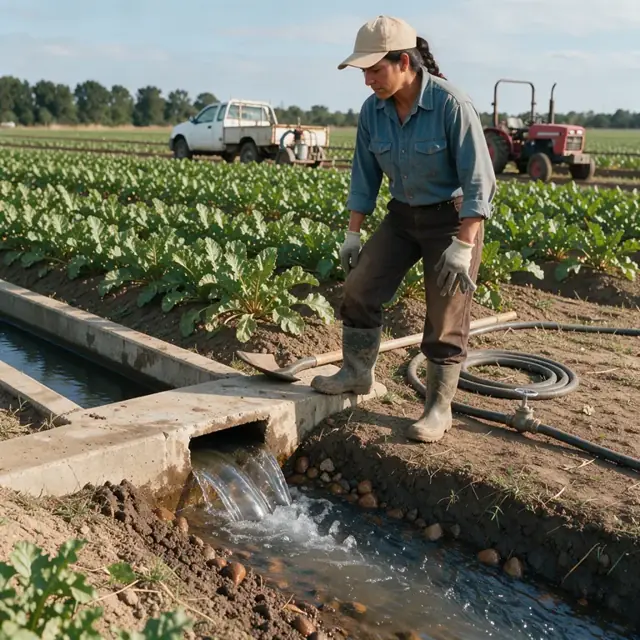
Irrigation Planner
Turn weather, soil moisture and crop stage data into weekly irrigation schedules and equipment maintenance tasks.
Works in: Ambitious Sheets, Ambitious Tasks, Process Optimizer · Workflows: Irrigation scheduling and water tracking
Automates
- Calculates evapotranspiration-based water needs
- Builds daily pivot or ditch schedules by field
- Tracks total water applied against allocations
- Creates pump and filter maintenance tasks
Stops for a person
- The grower confirms schedule before water is released
- Any changes to water rights or allocations are entered by the owner
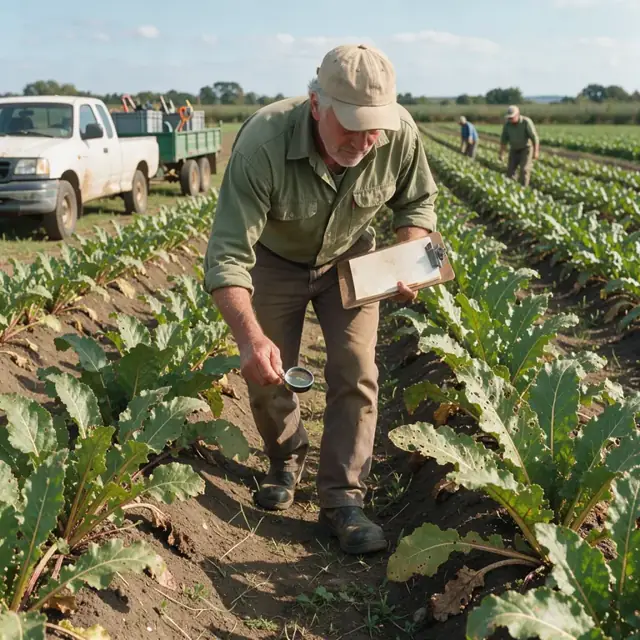
Scout and Spray Analyst
Convert weekly field scouting observations into targeted spray recommendations that respect thresholds and buffer requirements.
Works in: Ambitious Tasks, Ambitious Sheets, Ambitious Docs · Workflows: Pest and disease scouting to spray plan
Automates
- Compares scout data against economic thresholds
- Generates product, rate and timing recommendations
- Creates GPS application maps
- Logs application details including weather at time of spray
Stops for a person
- A certified applicator reviews and signs every spray plan
- The grower approves any product substitutions

Harvest Dispatcher
Turn beet sugar samples and processor quotas into daily harvest schedules, equipment assignments and load tickets.
Works in: Ambitious Tasks, Ambitious Sheets · Workflows: Harvest forecasting and equipment dispatch
Automates
- Forecasts harvest volumes by field and sugar content
- Builds two-week rolling harvest plan
- Assigns harvesters, trucks and support machinery
- Prepares daily delivery manifests
Stops for a person
- The grower sets final harvest start dates and adjusts for weather
- A person confirms every load ticket before trucks leave the field

Contract and Delivery Clerk
Track deliveries against processor contracts, organize quality results and prepare renewal documents.
Works in: Ambitious Docs, Ambitious Sheets, Contract Analyzer · Workflows: Contract compliance and delivery management
Automates
- Compares cumulative deliveries to contract tonnage
- Organizes scale tickets and lab results
- Flags fields at risk of quality penalties
- Prepares contract renewal paperwork
Stops for a person
- The grower reviews and signs all documents sent to the processor
- People confirm that all required records are accurate before submission
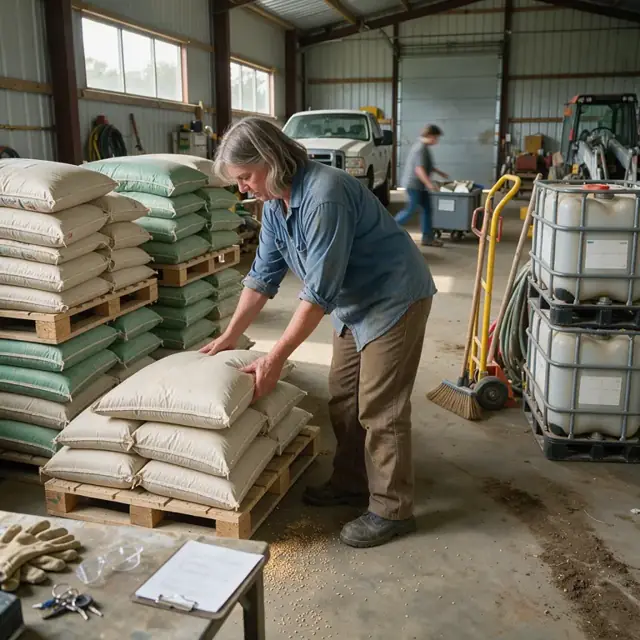
Input and Inventory Manager
Reconcile deliveries and applications to maintain accurate stock of seed, fertilizer and crop protection products.
Works in: Ambitious Sheets, Ambitious Tasks, Ambitious Docs · Workflows: Fertilizer, chemical and seed inventory
Automates
- Subtracts field applications from inventory
- Calculates remaining seasonal needs
- Drafts reorder lists by supplier
- Tracks disposal of containers and unused product
Stops for a person
- The owner approves and pays for every reorder
- Restricted materials are physically handled only by licensed staff

Records and Compliance Verifier
Compile all field operation logs, test results and maintenance records required for processor contracts and audits.
Works in: Ambitious Docs, Ambitious Sheets, Ambitious Tasks · Workflows: Regulatory and contract recordkeeping
Automates
- Organizes daily logs by field and operation
- Matches test results to specific fields
- Flags upcoming license and contract renewals
- Assembles summary reports for audits
Stops for a person
- The grower reviews every report before it leaves the farm
- A certified applicator confirms spray records
- People verify that all regulatory requirements are met
Workflows
Planting schedule and seed ordering
Starts when: After soil temperature reaches threshold in early spring or on contract renewal
- Review soil test results and rotation history for each field
- Build a planting map showing varieties, rates and dates
- Calculate total seed, inoculant and starter fertilizer needed
- Draft seed and input purchase orders by supplier
- Create equipment readiness checklist for planters and tractors
Watch for: Planting must occur within a narrow weather window; Seed varieties are chosen for sugar yield and disease resistance per processor specs
Irrigation scheduling and water tracking
Starts when: Weekly from emergence through harvest or after significant rainfall
- Pull evapotranspiration and weather forecast data for each field
- Calculate daily water requirements by growth stage and soil moisture
- Build weekly irrigation schedule for pivots, ditches or drip systems
- Log actual water applied and flag any deviations
- Draft maintenance tasks for pumps, filters and pivots
Watch for: Water rights and allocation limits must never be exceeded; Over or under watering directly affects root sugar concentration
Pest and disease scouting to spray plan
Starts when: Weekly field walks or when trap counts or weather models signal risk
- Record scouting observations on weed pressure, insects, disease and nutrient deficiency
- Compare findings against economic threshold tables
- Generate targeted spray plan with product, rate, timing and buffer zones
- Create application maps for sprayers with GPS guidance
- Log the spray event with weather conditions at application
Watch for: Spray records must include wind speed, temperature and exact product batch; Pre-harvest intervals must be respected before any harvest begins
Harvest forecasting and equipment dispatch
Starts when: Beginning in late summer when beets reach target sugar levels
- Sample beet sugar content and tare across representative fields
- Forecast daily harvest volumes against processor delivery quotas
- Build rolling two-week harvest schedule by field and equipment set
- Assign defoliators, harvesters, trucks and support equipment
- Draft daily load tickets and delivery manifests
Watch for: Processor delivery slots are limited and must be reserved weeks ahead; Mud, rain or frost can halt harvest for days
Contract compliance and delivery management
Starts when: Weekly during harvest and at contract renewal
- Track cumulative deliveries against annual contract tonnage
- Monitor quality results from processor samples
- Draft and organize load tickets, scale tickets and test results
- Flag any fields at risk of quality penalties
- Prepare renewal documents for next season's acreage and variety commitments
Watch for: Beets must meet minimum sugar, maximum tare and disease limits; All chemical applications must be recorded before delivery
Fertilizer, chemical and seed inventory
Starts when: After each major input order and at season close
- Reconcile deliveries against purchase orders
- Subtract applications from on-hand stock by product and field
- Calculate remaining needs for the season
- Draft reorder lists before critical windows
- Log disposal of unused product and empty containers
Watch for: Restricted-use pesticides require locked storage and usage logs; Fertilizer must be stored separately from seeds and chemicals
Regulatory and contract recordkeeping
Starts when: After every field operation and on fixed calendar dates
- Compile daily logs of planting, irrigation, spraying and harvest
- Organize soil, water and tissue test results by field
- Maintain equipment maintenance and calibration records
- Prepare summary reports for processor audits
- Flag upcoming renewal dates for licenses, insurance and contracts
Watch for: Records must be kept for multiple years for crop insurance and processor verification; All applications must be signed off by a certified applicator
Bot templates for this industry
- Sugar Beet Farming (7 bots)
Source: U.S. Small Business Administration, Office of Size Standards, Table of Small Business Size Standards Matched to North American Industry Classification System Codes, version March 2023 (effective 2023-03-17, NAICS 2022). Size standards are shown for reference only.