

Peanut Farming
Peanut farms plant, irrigate, scout, harvest, dry, shell and store peanuts on seasonal cycles. Specialists turn weather and soil data into planting plans, field observations into spray and irrigation schedules, harvest readiness into equipment dispatch and drying plans, and test results plus contracts into storage, sales and reorder decisions. Rotation records, pesticide logs, seed certification and buyer grade sheets stay with the grower.
What makes this business different
- Multi-year crop rotation with soil tests and cover crops to prevent nematode and disease buildup
- Seasonal cadence of planting in spring, irrigation and scouting through summer, digging and combining in fall, drying and storage in winter
- Weather-dependent decisions on irrigation, fungicide timing and harvest windows
- Equipment assets including planters, sprayers, diggers, combines, dryers and storage bins that require maintenance and calibration
- Pesticide application logs, buffer zones, worker safety training and restricted-use permits
- Grade samples, aflatoxin testing and buyer contracts that determine price and acceptance
- Seed inventory from certified varieties with treatment records and germination tests
- Field maps, yield data per block and historical rotation records for compliance and planning
Specialist bots

Seed and Planting Planner
Turn soil tests and rotation history into certified seed orders, variety maps and planting schedules.
Works in: Ambitious Sheets, Ambitious Tasks, Ambitious Docs · Workflows: Planting preparation and seed ordering
Automates
- Compares soil tests to variety requirements
- Calculates seed amounts per field
- Drafts purchase lists and schedules planter work
- Builds color-coded field maps
Stops for a person
- The grower selects final varieties and approves seed purchases
- A person verifies seed tags and treatment records on arrival

Irrigation Coordinator
Convert soil moisture and weather data into weekly irrigation schedules by pivot zone.
Works in: Ambitious Sheets, Ambitious Tasks, Process Optimizer · Workflows: Irrigation and soil-moisture scheduling
Automates
- Pulls probe and weather data
- Calculates crop water use by growth stage
- Builds daily run-time schedules
- Logs applied water per field
Stops for a person
- The grower approves schedule changes based on rain forecasts
- Pump and pivot maintenance is performed by people

Scout and Spray Dispatcher
Turn scouting observations into spray recommendations, application logs and equipment assignments.
Works in: Ambitious Tasks, Ambitious Sheets, Ambitious Docs · Workflows: Field scouting and pesticide application
Automates
- Generates weekly scouting routes
- Compares pest counts to thresholds
- Drafts product-rate and timing recommendations
- Builds application record forms
Stops for a person
- The certified applicator reviews and signs every spray record
- The grower confirms buffer zones and weather windows
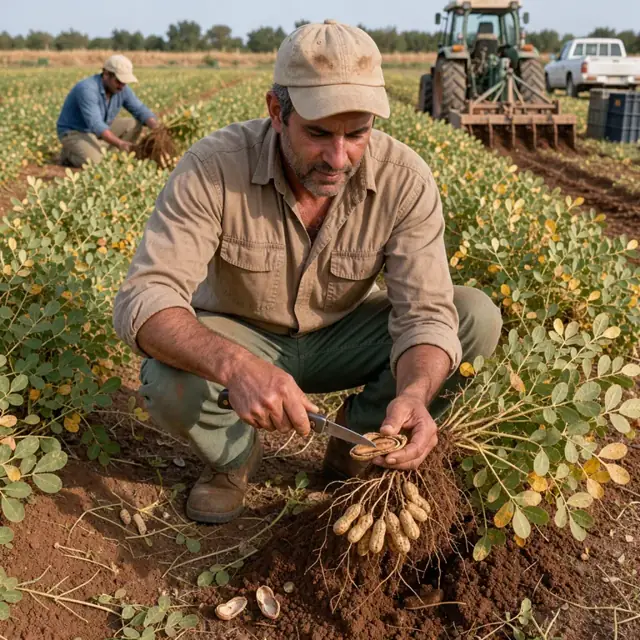
Harvest Readiness Scheduler
Track pod maturity samples and turn results into digger, inverter and combine dispatch plans.
Works in: Ambitious Tasks, Ambitious Sheets, Process Optimizer · Workflows: Harvest readiness and equipment dispatch
Automates
- Schedules pod-blast sampling routes
- Forecasts optimal digging dates
- Assigns equipment and crew to fields
- Checks dryer and storage availability
Stops for a person
- The grower makes final go or no-go decision on each field
- Equipment operators adjust for field conditions on site
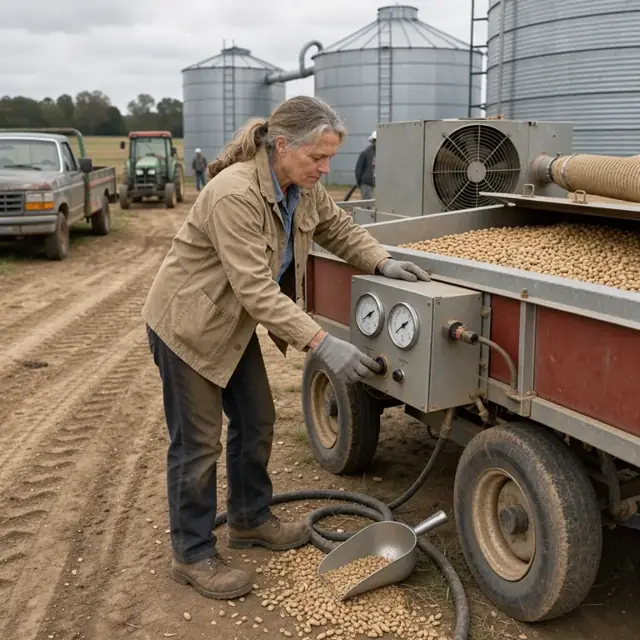
Drying and Storage Manager
Monitor drying curves, manage bin inventory and track grade and aflatoxin results.
Works in: Ambitious Sheets, Ambitious Tasks, Ambitious Docs · Workflows: Post-harvest drying and storage management
Automates
- Builds dryer temperature schedules
- Tracks moisture reduction over time
- Logs bin contents by variety and test results
- Flags lots nearing contract specifications
Stops for a person
- The grower reviews and approves all movements between bins
- Third-party graders and labs provide official grade sheets
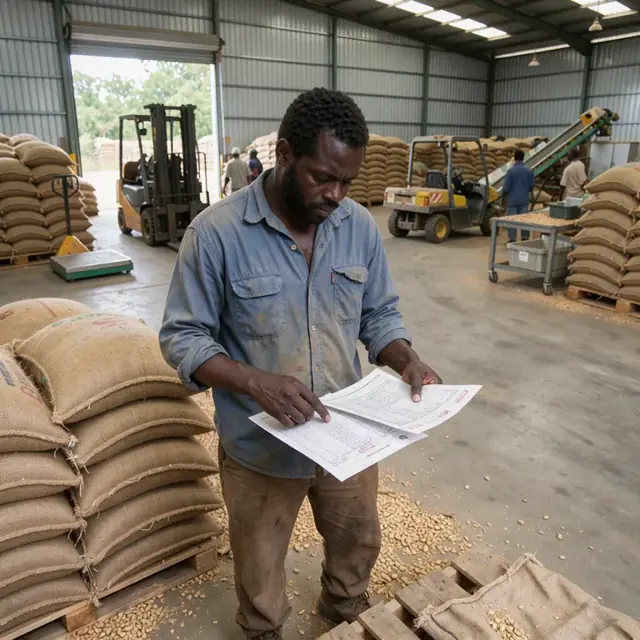
Contract and Sales Clerk
Match graded peanut lots to buyer contracts, draft delivery tickets and track remaining commitments.
Works in: Ambitious Docs, Ambitious Sheets, Contract Analyzer · Workflows: Contract management and sales
Automates
- Compares lot grades to contract specs
- Drafts load-out and delivery schedules
- Calculates remaining contract balances
- Prepares settlement statements
Stops for a person
- The grower approves every sale and contract amendment
- A person signs and files all buyer paperwork

Compliance and Records Officer
Organize pesticide logs, insurance reports, seed certifications and renewal checklists for grower review.
Works in: Ambitious Docs, Ambitious Sheets, Ambitious Tasks · Workflows: Regulatory and certification paperwork
Automates
- Compiles spray and safety records
- Tracks renewal dates for permits and insurance
- Organizes test results and field histories
- Generates filing checklists
Stops for a person
- The grower reviews and signs every official record and report
- People confirm all regulatory requirements are met before filing
Workflows
Planting preparation and seed ordering
Starts when: End of previous harvest or soil-test results in late winter
- Review soil-test results and rotation history per field
- Select certified peanut varieties and calculate seed needs
- Draft seed and inoculant purchase orders by supplier
- Schedule planter calibration and equipment maintenance
- Create field maps showing planting dates and varieties
Watch for: Only certified seed with treatment records may be planted; Planting depth and spacing vary by soil type and variety
Irrigation and soil-moisture scheduling
Starts when: Weekly during growing season or when soil probes trigger
- Pull current soil-moisture probe and weather-station data
- Compare evapotranspiration forecast to crop stage
- Build weekly irrigation schedule by pivot or zone
- Flag fields needing immediate water or that risk overwatering
- Log applied water amounts for each field
Watch for: Water rights, meters and reporting limits differ by district; Avoiding leaf spot and pod rot from incorrect moisture levels
Field scouting and pesticide application
Starts when: Weekly scouting schedule or pest-threshold alerts
- Generate scouting route and checklist for each block
- Record insect, weed, disease and nematode observations
- Compare findings against economic thresholds
- Draft spray recommendations and timing windows
- Create application logs with product, rate, date and weather
Watch for: Restricted-use products require certified applicator logs; Buffer zones near waterways and neighboring crops must be observed
Harvest readiness and equipment dispatch
Starts when: Late summer when pod maturity samples begin
- Schedule weekly pod-blast and maturity samples per field
- Track hull-scrape percentages and forecast digging date
- Assign digger, inverter and combine routes
- Draft harvest crew and equipment dispatch list
- Prepare drying and storage capacity check
Watch for: Peanuts must be dug at exact maturity to avoid yield loss; Weather can force rapid changes to harvest order
Post-harvest drying and storage management
Starts when: Upon completion of combining each field
- Record incoming wet tonnage and moisture readings
- Build dryer schedule and temperature curves
- Monitor drying progress and move to storage bins
- Sample for aflatoxin and grade factors
- Update bin inventory by variety, grade and owner
Watch for: Drying temperature must stay below thresholds to prevent quality loss; Aflatoxin levels determine marketability and sale price
Contract management and sales
Starts when: After grading results or on buyer request
- Match stored lots to open contracts by grade and volume
- Draft delivery schedules and load-out tickets
- Analyze current market prices versus contract terms
- Generate settlement statements for approved sales
- Track remaining contract balances and renewal options
Watch for: Buyer specifications for grade, damage and foreign material are strict; All movements must be traceable to field and bin
Regulatory and certification paperwork
Starts when: After each application, harvest and on renewal dates
- Compile pesticide application records and worker safety logs
- Update crop insurance, FSA reports and rotation history
- Track seed certification, variety trial and export paperwork deadlines
- Organize grade certificates, aflatoxin tests and bin inspection results
- Draft renewal checklists for licenses and permits
Watch for: Federal and state rules on pesticide records, conservation compliance and insurance reporting change yearly; The grower confirms and signs all filings
Bot templates for this industry
- Peanut Farming (7 bots)
Source: U.S. Small Business Administration, Office of Size Standards, Table of Small Business Size Standards Matched to North American Industry Classification System Codes, version March 2023 (effective 2023-03-17, NAICS 2022). Size standards are shown for reference only.