

Beef Cattle Ranching and Farming
Beef cattle ranchers manage cow-calf herds on pasture, track breeding and calving seasons, raise calves to weaning or feedlot weight, maintain grazing rotations, order feed and supplements, schedule veterinary care and vaccinations, prepare for seasonal branding weaning and sales, and handle required animal-health and movement paperwork. Specialists turn ranch observations into scheduled tasks, breeding and health records into action plans, and market data into sale decisions while the rancher retains all final approvals on spending, treatments, sales and filings.
What makes this business different
- Seasonal breeding and calving windows that drive all other schedules
- Grazing rotations, water sources and pasture rest periods that must be tracked across large acreage
- Animal identification, health records, vaccinations and movement documentation required for interstate or export sales
- Feed and supplement purchases timed to seasonal availability, drought or winter
- Weaning, branding, pregnancy checking and sale events that require coordination of labor, equipment and buyers
- Herd inventory counts that change daily with births, deaths, sales and purchases
- Veterinary protocols, withdrawal times for medications and carcass quality records that stay with the rancher
Specialist bots
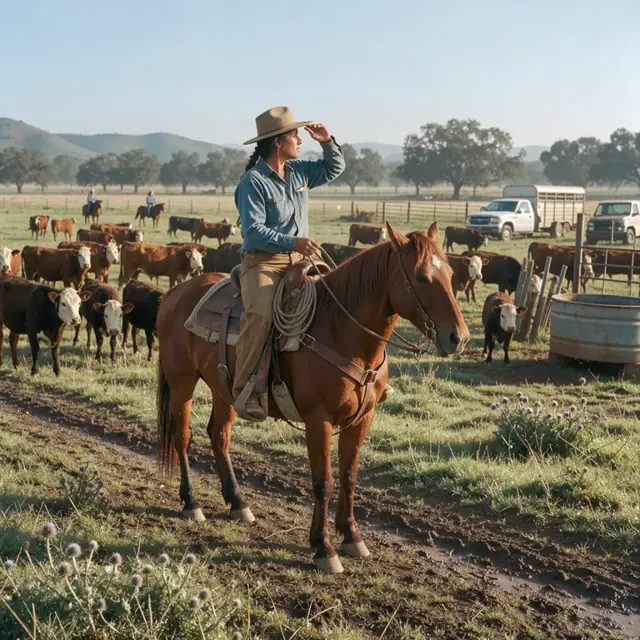
Daily Herd Observer
Capture daily pasture observations, animal counts and immediate issues into structured tasks and records.
Works in: Ambitious Tasks, Ambitious Sheets, Ambitious Docs · Workflows: Daily pasture and herd observation
Automates
- Converts rancher voice notes or texts into standardized daily logs
- Flags missing or visibly sick animals for follow-up
- Creates tasks for fence or water repairs
- Maintains the running herd count by pasture
Stops for a person
- The rancher reviews and approves all health or injury observations before treatment
- A person confirms counts during large gathers

Breeding and Calving Manager
Track breeding groups, expected calving dates and generate daily calving watch lists.
Works in: Ambitious Sheets, Ambitious Tasks, Ambitious Docs · Workflows: Breeding and calving management
Automates
- Calculates expected calving windows from bull turnout dates
- Builds the rotating calving watch schedule
- Records birth data and creates newborn care tasks
- Maintains dam and sire lineage notes
Stops for a person
- The rancher decides which cows receive veterinary assistance during calving
- All breeding bull selections are approved by the owner

Herd Health Scheduler
Build vaccination, pregnancy check and treatment schedules while tracking withdrawal times.
Works in: Ambitious Tasks, Ambitious Sheets, Ambitious Docs · Workflows: Herd health and veterinary scheduling
Automates
- Generates seasonal vaccination and pregnancy check lists by animal group
- Pulls prior treatment history to avoid repeats
- Calculates withdrawal dates for any medications used
- Drafts supply orders for upcoming health work
Stops for a person
- The rancher or veterinarian confirms all treatment protocols
- A person administers and logs every vaccination or treatment
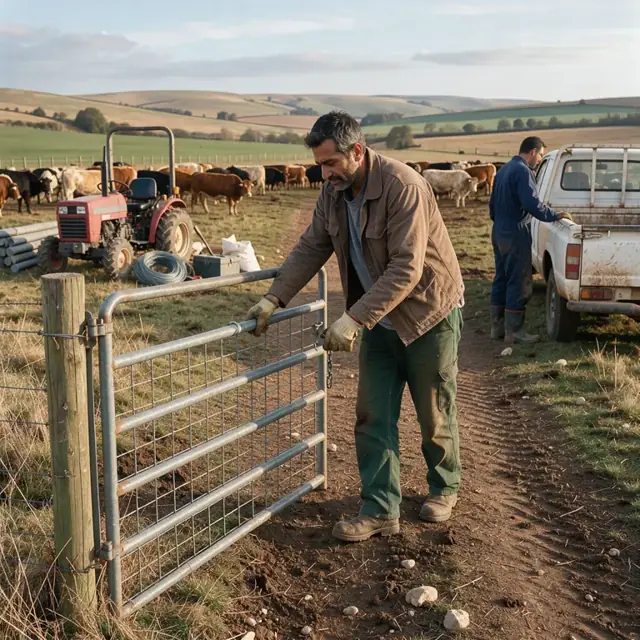
Grazing and Pasture Planner
Create rotation schedules, calculate supplemental feed needs and schedule infrastructure maintenance.
Works in: Ambitious Sheets, Process Optimizer, Ambitious Tasks · Workflows: Grazing rotation and pasture management
Automates
- Maps current cattle numbers against pasture forage estimates
- Suggests optimal move dates and rest periods
- Calculates hay or supplement requirements during shortfalls
- Lists fence and water system tasks before each move
Stops for a person
- The owner approves every pasture move and feed purchase
- Actual forage conditions are verified by the rancher before changes

Weaning and Sale Prep Coordinator
Organize weaning, branding and sale events including health paperwork and buyer coordination.
Works in: Ambitious Tasks, Ambitious Docs, Contract Analyzer · Workflows: Weaning, branding and sale preparation, Animal health and movement permit paperwork
Automates
- Identifies animals meeting weight and age criteria for sale
- Builds the event day task list and labor needs
- Prepares draft health certificates and movement documents
- Organizes load-out schedules and buyer instructions
Stops for a person
- The rancher selects which animals are sold and at what price
- All official paperwork is reviewed and signed by the owner or veterinarian

Feed and Supplement Buyer
Calculate feed requirements, maintain inventory levels and draft purchase orders for hay and minerals.
Works in: Ambitious Sheets, Ambitious Tasks, Ambitious Docs · Workflows: Feed and supplement purchasing
Automates
- Projects total winter or drought feed needs from herd size
- Subtracts current hay and supplement stocks
- Drafts orders by supplier with delivery dates
- Logs feed test results and suggested ration changes
Stops for a person
- The owner places and pays for every feed order
- The rancher decides final ration adjustments

Herd Records and Asset Clerk
Reconcile monthly herd inventory, maintain equipment maintenance logs and organize required paperwork.
Works in: Ambitious Sheets, Ambitious Docs, Ambitious Tasks · Workflows: Herd inventory and equipment tracking
Automates
- Reconciles births, deaths and sales against physical counts
- Tracks equipment service due dates for trucks and trailers
- Maintains tag and supply inventories
- Organizes movement and health records by animal
Stops for a person
- The owner reviews and approves all inventory and financial summaries
- A person confirms physical counts during gathers
- The bot never certifies any official compliance documents
Workflows
Daily pasture and herd observation
Starts when: Morning and evening ranch checks or automated sensor alerts
- Log counts of cattle seen by pasture, noting any missing or sick animals
- Record water levels, fence integrity and forage conditions
- Create tasks for any immediate issues such as downed fences or injured cattle
- Update the daily herd health sheet with observations
- Flag animals needing follow-up for branding, treatment or weaning
Watch for: Large pastures may require multiple observation points or drone assists; Predator activity and weather events must be noted immediately
Breeding and calving management
Starts when: Start of breeding season and ongoing through calving window
- Schedule bulls with cows based on pasture groups and genetic goals
- Track breeding dates and expected calving windows using bull turnout records
- Generate daily calving watch list and shift schedule
- Record each birth with tag number, dam, date, sex and any assistance needed
- Create follow-up tasks for colostrum intake, tagging and health checks
Watch for: Calving season requires 24-hour monitoring during peak weeks; Accurate dam-calf pairing is essential for genetic and health records
Herd health and veterinary scheduling
Starts when: Seasonal vaccination windows, observed illness or scheduled vet visit
- Build the vaccination, deworming and pregnancy-check schedule by age and group
- Pull treatment and withdrawal records for any previously treated animals
- Draft a supply and vaccine order list for the upcoming work
- Log all treatments, dosages and withdrawal dates
- Create follow-up observation tasks for treated cattle
Watch for: Strict adherence to label withdrawal times before sale or slaughter; Veterinarian-client-patient relationship paperwork must be current
Grazing rotation and pasture management
Starts when: Weekly or after each pasture move
- Review forage growth, rainfall and cattle numbers per pasture
- Draft the next 30-day rotation schedule with rest periods
- Calculate supplemental feed needs if forage is short
- Schedule fence and water system repairs for the next move
- Update the master grazing map and records
Watch for: Drought or rapid grass growth can force unscheduled moves; Federal or state grazing permits may require specific rest and utilization reporting
Weaning, branding and sale preparation
Starts when: Target weaning age, branding window or sale contract dates
- Identify calves ready by age, weight and market schedule
- Build the work-day schedule for branding, castration, vaccination and weaning
- Draft sale lot lists with weights, tags and descriptions
- Prepare required health certificates and movement permits
- Coordinate truck and buyer arrival times
Watch for: Buyers and transporters require accurate load-out lists and paperwork; Branding and weaning are high-labor events needing extra hands and equipment
Feed and supplement purchasing
Starts when: Monthly inventory review or before winter
- Calculate total herd feed needs based on current numbers and pasture conditions
- Subtract on-hand hay, grain and mineral inventory
- Draft purchase orders by supplier for hay, cubes, mineral or protein tubs
- Track delivery dates and storage locations
- Log feed test results and adjust rations
Watch for: Winter feeding volumes can double during severe weather; Hay quality varies widely by cutting and supplier
Herd inventory and equipment tracking
Starts when: End of each month and before major sales
- Reconcile birth, death, purchase and sale records against physical count
- Update age and group breakdowns for breeding and sale planning
- Track equipment maintenance due dates for trucks, trailers, tractors and ATVs
- Maintain list of ear tags, medicines and supplies on hand
- Generate reports for lenders or government programs if required
Watch for: Accurate inventory is required for tax, loan collateral and insurance purposes; Equipment used on public lands may need specific inspection records
Animal health and movement permit paperwork
Starts when: Before any sale, transport or vet treatment and on annual renewal dates
- Compile treatment and vaccination history for each animal or lot
- Draft health certificates, brand inspection forms and interstate movement permits
- Track expiration dates for premises ID, veterinary feed directives and brand papers
- Log all withdrawal periods after medication use
- Prepare annual summary reports for state brand boards or USDA programs
Watch for: Paperwork must be signed by a licensed veterinarian or the owner; Rules vary by destination state and buyer requirements
Bot templates for this industry
- Beef Cattle Ranching and Farming (7 bots)
Source: U.S. Small Business Administration, Office of Size Standards, Table of Small Business Size Standards Matched to North American Industry Classification System Codes, version March 2023 (effective 2023-03-17, NAICS 2022). Size standards are shown for reference only.