

Cattle Feedlots
Cattle feedlots receive weaned calves, feed them to finish weight on high-energy rations, manage health and pen conditions, then ship finished cattle to processors. For an operation that buys groups of calves, feeds them in pens with automated waterers and feed bunks, and ships truckloads weekly, the specialists turn supplier and buyer messages into lot records, daily feed calls into bunk sheets and ingredient orders, health observations into treatment plans, and pen inventories into shipping manifests. Rations, veterinary protocols and environmental compliance stay with the yard manager and veterinarian.
What makes this business different
- Receiving and processing new cattle with individual or lot identification, vaccinations and initial health checks
- Daily feed mixing and delivery by bunk, with adjustments for weather, intake and cattle performance
- Pen management including dust control, mud, manure removal and water quality monitoring
- Health monitoring for respiratory illness, lameness and bloat with treatment records and withdrawal times
- Weekly or bi-weekly shipments of finished cattle with load-out scheduling, weighing and trucking coordination
- Ingredient purchasing for corn, distillers grains, hay, supplements and minerals with just-in-time inventory to control costs
- Regulatory paperwork for environmental permits, nutrient management, animal welfare and veterinary feed directives
- Supplier contracts for feeder cattle and buyer contracts for finished cattle with pricing and delivery terms
Specialist bots

Cattle Receiving Coordinator
Turn each arriving truckload of feeder cattle into complete lot records, pen assignments and initial health tasks.
Works in: Ambitious Tasks, Ambitious Docs, Ambitious Sheets · Workflows: Cattle receiving and processing
Automates
- Captures supplier, count, weight and source data from delivery messages
- Assigns lot IDs and pen locations
- Generates initial vaccination and monitoring checklists
- Creates the receiving report and pen inventory update
Stops for a person
- The yard manager approves pen assignments and commingling decisions
- A licensed veterinarian or certified person oversees all initial treatments
- A person confirms and files the receiving report

Daily Feed Formulator
Convert pen bunk scores and performance data into precise daily feed calls and delivery sheets.
Works in: Ambitious Sheets, Process Optimizer, Ambitious Tasks · Workflows: Daily feed call and bunk management
Automates
- Reviews intake and bunk scores by pen
- Calculates ration adjustments for weather and weight gain targets
- Builds the feed truck delivery schedule
- Pulls exact ingredient quantities from inventory
Stops for a person
- The feedlot manager reviews and approves all ration changes
- A person verifies mixer accuracy before loading the truck
- A person confirms the feed delivery sheet before the truck departs
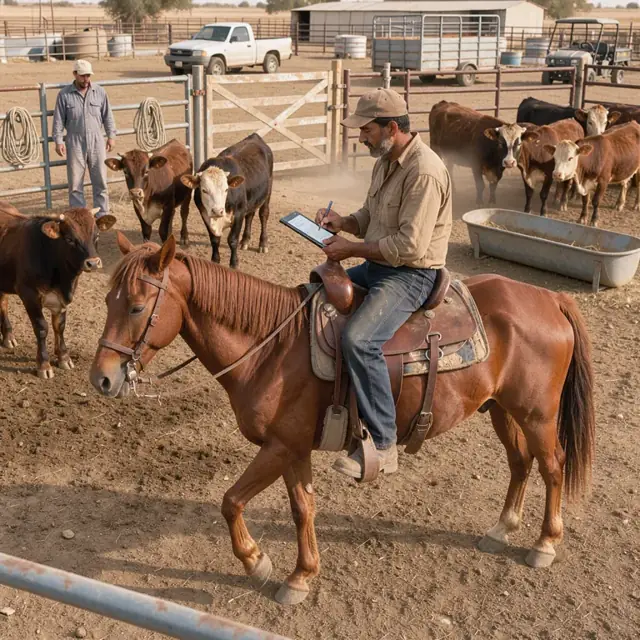
Cattle Health Technician
Log daily pen observations and generate treatment plans that follow veterinary protocols.
Works in: Ambitious Tasks, Ambitious Docs, Ambitious Sheets · Workflows: Health observation and treatment
Automates
- Records observed sick cattle from rider reports
- Builds treatment plans using approved protocols
- Calculates withdrawal dates for each animal
- Updates lot health and performance records
Stops for a person
- The veterinarian reviews and signs off on treatment plans
- A person administers all injections and verifies records
- A person confirms withdrawal times before any cattle are shipped
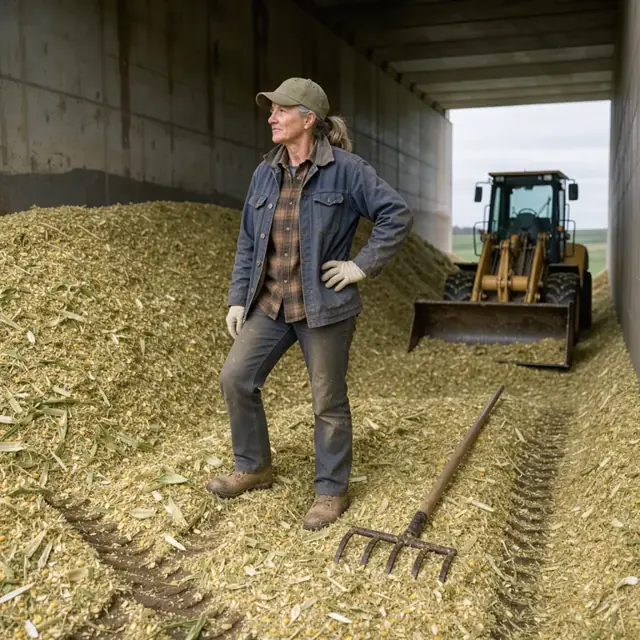
Feed Ingredient Buyer
Forecast ingredient needs, maintain par levels and draft purchase orders for corn, grains and supplements.
Works in: Ambitious Sheets, Ambitious Tasks, Ambitious Docs · Workflows: Feed ingredient purchasing and inventory
Automates
- Projects weekly feed usage from current cattle inventory
- Subtracts current bin and bunker inventory
- Drafts purchase lists by supplier with target prices
- Tracks delivery confirmations and quality test results
Stops for a person
- The owner approves all purchases and negotiates final prices
- A person inspects incoming feed deliveries for quality
- A person signs and sends the final purchase orders
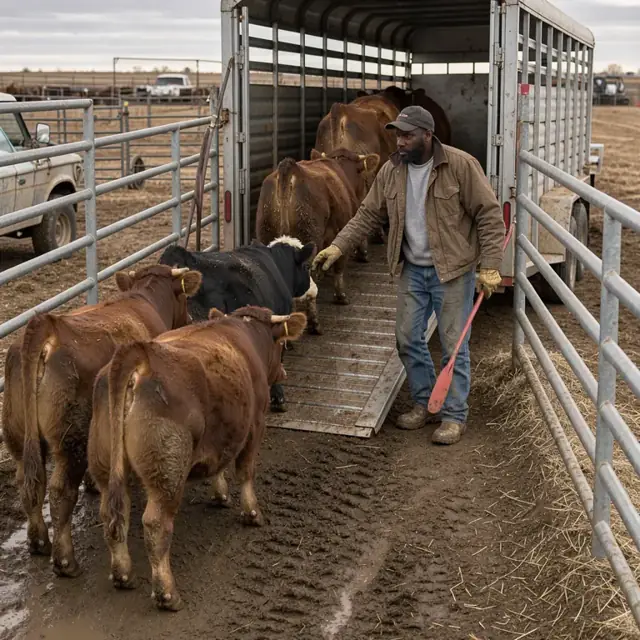
Shipping and Load-out Coordinator
Identify finished cattle, prepare load manifests and coordinate trucks with buyers.
Works in: Ambitious Tasks, Ambitious Docs, Ambitious Sheets · Workflows: Finished cattle shipping and load-out
Automates
- Sorts pens by weight and days on feed
- Generates load manifests and shipping documents
- Schedules truck arrival times
- Closes out lot records after shipment
Stops for a person
- The yard manager approves which cattle are shipped
- A certified weigher and person oversee actual load-out
- A person reviews and signs all shipping certificates before trucks leave

Pen Maintenance Planner
Track pen conditions and schedule scraping, bedding and water system maintenance.
Works in: Ambitious Tasks, Ambitious Sheets, Process Optimizer · Workflows: Pen maintenance and environmental management
Automates
- Assesses daily weather impact on pens
- Schedules equipment for manure removal and leveling
- Logs water quality and dust control activities
- Generates nutrient management tracking reports
Stops for a person
- The yard manager decides on equipment deployment each day
- Environmental compliance decisions are made by licensed people
- A person confirms and files all environmental logs
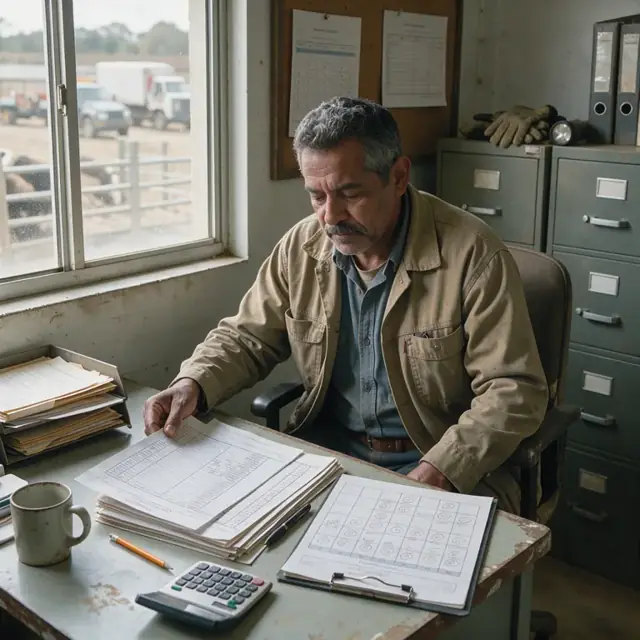
Compliance and Records Clerk
Organize treatment logs, veterinary directives and environmental reports for review.
Works in: Ambitious Docs, Ambitious Sheets, Ambitious Tasks · Workflows: Regulatory and veterinary compliance
Automates
- Compiles daily treatment and feed additive records
- Tracks permit and directive expiration dates
- Assembles monthly and shipment documentation packets
- Flags upcoming regulatory deadlines
Stops for a person
- The yard manager and veterinarian review all reports before filing
- People confirm that all regulatory requirements are met
- A person signs and submits all final reports and filings
Workflows
Cattle receiving and processing
Starts when: A truckload of feeder cattle arrives from supplier
- Record supplier, lot number, head count, average weight and source information
- Assign to pens and apply lot tags or electronic IDs
- Administer initial vaccines, dewormers and health treatments per protocol
- Draft the receiving report and update pen inventory
- Create a monitoring task for the first 30 days
Watch for: Accurate source and health records required for traceability; New arrivals must be isolated or commingled per biosecurity rules
Daily feed call and bunk management
Starts when: Each morning and after weather events
- Review yesterday's bunk scores and cattle intake by pen
- Calculate today's ration amounts and adjustments for each pen
- Generate the feed delivery sheet for the feed truck driver
- Order or pull ingredients from inventory for the mixer
- Record actual feed delivered and any refusals
Watch for: Rations change with cattle weight, weather and performance targets; Feed must be mixed accurately to prevent digestive issues
Health observation and treatment
Starts when: Daily pen rides or when cattle show signs of illness
- Log observed sick or lame cattle by pen and ID
- Draft a treatment plan following veterinary protocols
- Schedule pull and treat animals in the hospital pen
- Record all treatments, dosages and withdrawal dates
- Update performance and health records for the lot
Watch for: Strict adherence to veterinary feed directives and withdrawal times before shipping; All treatments must be logged for audits
Feed ingredient purchasing and inventory
Starts when: Weekly and when inventory drops below par
- Forecast ingredient needs based on current head count and rations
- Compare against on-hand stocks in bins and bunkers
- Draft purchase orders for corn, grains, hay and supplements
- Track pricing, delivery schedules and quality tests
- Update inventory sheets after each delivery
Watch for: Commodity prices fluctuate daily requiring timely purchases; Storage space for silage, hay and grains is limited
Finished cattle shipping and load-out
Starts when: Buyer contract delivery window or when cattle reach target weight
- Sort cattle by weight and finish grade from pen inventories
- Draft the load manifest, weights and buyer paperwork
- Schedule trucks and coordinate with the buyer
- Generate shipping certificates and bills of lading
- Update lot closeout records after shipment
Watch for: Accurate weighing and grading at load-out; Trucks must be scheduled to avoid yard congestion
Pen maintenance and environmental management
Starts when: Daily, after storms and on a weekly schedule
- Assess pen conditions for mud, dust and manure buildup
- Schedule scraping, leveling or bedding as needed
- Monitor and log water troughs, drainage and dust control
- Generate the weekly manure and nutrient management log
- Track any required environmental samples or reports
Watch for: Local rules on runoff, dust and odor must be followed; Manure handling affects both cattle health and regulatory compliance
Regulatory and veterinary compliance
Starts when: Monthly, on renewal dates and before shipments
- Compile treatment records, feed additive logs and veterinary directives
- Track expiration dates for permits, licenses and insurance
- Draft routine environmental and animal welfare reports
- Prepare documentation packages for buyers or auditors
- Flag any upcoming renewal or testing deadlines
Watch for: Rules vary by state for nutrient management plans and veterinary oversight; All records must be ready for unannounced inspections
Bot templates for this industry
- Cattle Feedlots (7 bots)
Source: U.S. Small Business Administration, Office of Size Standards, Table of Small Business Size Standards Matched to North American Industry Classification System Codes, version March 2023 (effective 2023-03-17, NAICS 2022). Size standards are shown for reference only.