

Dairy Cattle and Milk Production
Dairy farms manage herds of milking cows, collect milk on fixed twice-daily schedules, cool and store it, then ship to processors or cooperatives on tanker pickup days. Specialists turn milking schedules and herd data into daily task lists, health and breeding events into action plans, feed and bedding purchases into inventory orders, milk volumes and quality tests into shipping manifests, and regulatory paperwork into renewal trackers. Veterinary calls, milk pricing, and animal welfare decisions stay with the farm owner and herdsman.
What makes this business different
- Twice-daily milking on a rigid schedule with cows moved in precise groups to the parlor or robots
- Individual cow tracking for health, lactation stage, breeding, dry-off and calving dates
- Milk must be cooled to 40°F or below within two hours and held in bulk tanks until tanker arrival
- Feed rations change weekly based on herd size, lactation stage and forage test results
- Regulatory testing for somatic cell count, antibiotics, bacteria and butterfat with zero-tolerance holds
- Manure management, nutrient plans, environmental permits and veterinary drug logs that must be current
- Seasonal breeding and calving waves that drive milk volume forecasts and labor needs
- Repeat tanker pickups, cooperative membership rules and milk-hauler contracts
Specialist bots

Milking Coordinator
Turn twice-daily milking requirements and cow status into precise shift task lists and logs.
Works in: Ambitious Tasks, Ambitious Sheets, Process Optimizer · Workflows: Daily milking and parlor operations
Automates
- Sorts cows by group and special needs for each milking
- Generates the milking order and diversion flags
- Logs yield and health observations per cow
- Creates post-milking cleaning checklists
Stops for a person
- The herdsman reviews and approves any cow moved to hospital pen
- A person verifies that antibiotic milk was fully diverted

Herd Health and Breeding Manager
Track individual cow events and generate daily action lists for breeding, health and transitions.
Works in: Ambitious Tasks, Ambitious Sheets, Ambitious Docs · Workflows: Herd health and breeding events, Calving and dry-cow management
Automates
- Identifies cows due for breeding, pregnancy checks or dry-off
- Builds pen-specific action lists with protocols
- Forecasts calving dates and maternity pen moves
- Updates lactation and inventory records
Stops for a person
- The owner or veterinarian confirms all breeding and treatment decisions
- A person performs pregnancy ultrasound and records results
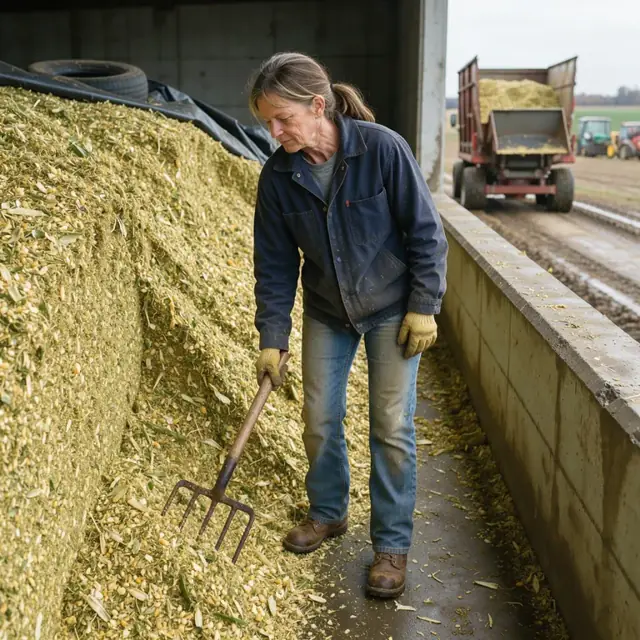
Feed and Inventory Planner
Calculate weekly feed needs, adjust rations and draft purchase orders for forages and bedding.
Works in: Ambitious Sheets, Ambitious Tasks, Process Optimizer · Workflows: Feed purchasing and inventory
Automates
- Computes dry-matter requirements by lactation group
- Subtracts current inventory from needs
- Drafts supplier orders and delivery schedules
- Updates ration when new forage tests arrive
Stops for a person
- The owner approves every feed purchase and price
- Nutritionist reviews and signs off on ration changes
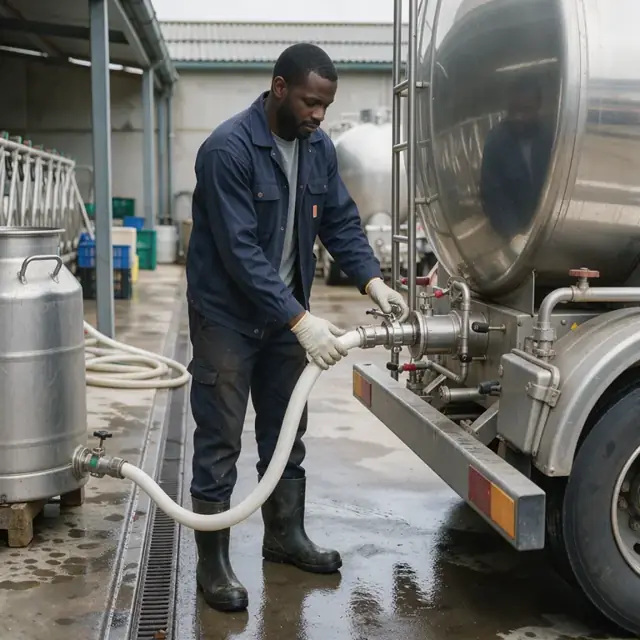
Milk Shipping and Quality Clerk
Prepare shipping manifests, verify quality tests and log tanker pickups.
Works in: Ambitious Docs, Ambitious Sheets, Ambitious Tasks · Workflows: Milk shipping and quality compliance
Automates
- Reads bulk tank sensors for volume and temperature
- Generates manifests with component data
- Checks clearance before loading
- Records lab sample chain of custody
Stops for a person
- A person performs the on-farm antibiotic inhibitor test and signs the manifest
- The tanker driver and farm representative both confirm loading temperature
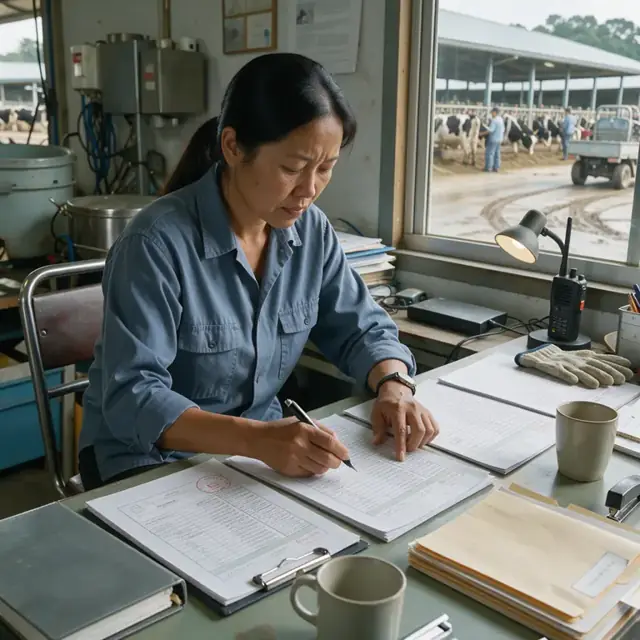
Regulatory Compliance Tracker
Maintain logs for nutrient management, drug use, permits and test history.
Works in: Ambitious Docs, Ambitious Sheets, Ambitious Tasks · Workflows: Regulatory and permit tracking
Automates
- Generates monthly manure and nutrient logs
- Tracks renewal dates for permits and licenses
- Compiles test history for cooperative reports
- Builds audit-ready checklists
Stops for a person
- The owner confirms which local and state rules currently apply
- People perform and sign off on all official inspections and corrective actions

Milking Equipment Maintainer
Schedule and log preventive maintenance for milking machines, tanks and cooling systems.
Works in: Ambitious Tasks, Ambitious Sheets, Process Optimizer · Workflows: Milking equipment and facility maintenance
Automates
- Pulls weekly maintenance schedules
- Records vacuum, pulsation and wash data
- Flags anomalies for service
- Tracks parts inventory
Stops for a person
- A licensed technician performs all repairs and annual inspections
- The owner approves any major equipment purchase or service call
Workflows
Daily milking and parlor operations
Starts when: Start of each milking shift (typically 5 am and 4 pm)
- Pull the current cow list sorted by group and lactation stage
- Generate the milking order and any special-needs flags (mastitis, fresh cows, antibiotics)
- Record each cow's milk yield, conductivity and any observed issues
- Draft the post-milking teat-dip and cleaning checklist
- Log bulk tank temperature and agitator status
Watch for: Cows with antibiotic treatment must be milked last and milk diverted; Parlor or robot wash cycles must be verified before next group enters
Herd health and breeding events
Starts when: Daily at 6 am and on event due dates
- Scan the herd database for cows due for breeding, pregnancy checks, dry-off or vaccinations
- Build the action list with cow ID, pen location and protocol
- Record vet or technician findings and treatments
- Update expected calving dates and move cows to maternity pen when due
- Flag any animal that requires isolation or hospital pen
Watch for: Breeding windows are narrow and must be strictly observed; Drug withdrawal times affect which cows can enter the milking string
Feed purchasing and inventory
Starts when: Weekly and after forage tests
- Calculate total dry-matter needs by lactation group using current ration
- Subtract on-hand silage, hay, grain and mineral stocks
- Draft purchase orders for forages, concentrates and bedding by supplier
- Adjust ration when new test results arrive
- Track feed refusals and waste from bunks
Watch for: Forage quality changes with each new harvest and must be retested; Bulk commodity prices fluctuate weekly
Milk shipping and quality compliance
Starts when: Morning of each tanker pickup day and after every load
- Read current bulk tank volume, temperature and last test results
- Generate the shipping manifest with farm ID, volume, butterfat and protein
- Check for antibiotic or inhibitor test clearance before loading
- Draft the pickup confirmation and temperature log for the driver
- Record sample numbers sent to the lab
Watch for: Any positive antibiotic test causes the entire load to be rejected; Tanker must arrive within the cooling window or milk must be dumped
Calving and dry-cow management
Starts when: Weekly forecast and when cows reach due dates
- Forecast next 30 days of expected calvings from breeding records
- Move cows to close-up dry pen at 21 days pre-calving
- Generate maternity pen checklist and colostrum collection plan
- Track fresh-cow health for the first 30 days in milk
- Update herd inventory and projected milk production curve
Watch for: Spring and fall calving waves create labor and facility bottlenecks; Colostrum quality and timely feeding are critical for calf survival
Regulatory and permit tracking
Starts when: Monthly, quarterly and on renewal dates
- Generate monthly nutrient management and manure application logs
- Track veterinary feed directive and drug purchase records
- Remind before nutrient management plan, CAFO permit or milk permit renewals
- Compile somatic cell, bacteria and component test history for cooperative reports
- Maintain current animal-welfare and environmental audit checklists
Watch for: Different states and cooperatives have varying record-retention rules; Inspections can occur with little notice
Milking equipment and facility maintenance
Starts when: Weekly and after each milking
- Pull preventive-maintenance schedule for milking machines, bulk tank and cooling system
- Record pulsation, vacuum and wash-cycle data
- Flag any equipment showing abnormal readings
- Schedule service calls and track parts inventory
- Generate the daily parlor sanitation and CIP verification log
Watch for: Milking equipment must pass regulatory inspection at set intervals; Cooling system failure can ruin an entire tank of milk in hours
Bot templates for this industry
- Dairies (3 bots)
- Dairy Cattle and Milk Production (6 bots)
Source: U.S. Small Business Administration, Office of Size Standards, Table of Small Business Size Standards Matched to North American Industry Classification System Codes, version March 2023 (effective 2023-03-17, NAICS 2022). Size standards are shown for reference only.