

Hog and Pig Farming
Hog and pig farms manage breeding herds, farrowing, nursery, grower and finishing phases, track animal health and weights, schedule feed and veterinary care, maintain biosecurity and environmental compliance records, and prepare market hogs for transport. Specialists turn farrowing schedules into daily chore lists, health observations into treatment plans and veterinary calls, feed orders into bulk purchasing plans, and market readiness data into load-out schedules and buyer coordination while the farm owner retains decisions on medications, sales and regulatory filings.
What makes this business different
- Multi-stage production with separate farrowing, nursery, grower and finisher barns that require distinct daily protocols and movement schedules
- Strict biosecurity and all-in all-out batch management to control disease spread between groups of pigs
- Daily feed formulation and bulk ingredient ordering based on current herd size, weight bands and growth stage
- Animal health monitoring, treatment records, vaccination schedules and veterinary visit coordination
- Manure management, nutrient management plans, environmental permits and water quality sampling logs
- Market weight tracking, sort loss minimization, transport scheduling and buyer contracts
- Breeding and farrowing records, weaning dates, mortality tracking and herd performance metrics
- Biosecurity protocols between barns, equipment disinfection and shower-in shower-out procedures
- Regulatory paperwork for nutrient management, CAFO permits, health certificates and transport manifests
Specialist bots

Breeding and Farrowing Coordinator
Maintain the breeding and farrowing schedule, assign farrowing spaces and generate daily chore lists for the sow herd.
Works in: Ambitious Tasks, Ambitious Sheets, Process Optimizer · Workflows: Breeding and farrowing cycle management
Automates
- Tracks estrus, breeding, gestation and due dates
- Assigns sows to crates or rooms by expected farrow date
- Generates daily heat-check, insemination, farrowing and piglet processing tasks
- Records actual farrowing events, litter sizes and weaning dates
- Flags sows needing attention for review
Stops for a person
- The farm owner approves any induced farrowing, culling or early weaning decisions
- Veterinarian confirms treatment protocols for sows
- Farm staff verify all piglet processing was completed

Daily Barn Operations Specialist
Create and track daily chore lists, record health observations and manage pig movements across all production stages.
Works in: Ambitious Tasks, Ambitious Sheets · Workflows: Daily barn operations and health checks
Automates
- Builds stage-specific daily chore lists for each barn
- Logs mortality, health notes and performance data by pen
- Flags groups showing signs of illness or poor performance
- Creates movement tasks when pigs meet weight, age or health criteria
Stops for a person
- Farm staff confirm all observations and treatments performed each day
- Owner reviews any unusual mortality spikes or disease flags
- Biosecurity protocol adherence is verified by people

Feed and Ingredient Planner
Convert current herd inventory, weight bands and growth stages into precise weekly feed orders and inventory tracking.
Works in: Ambitious Sheets, Ambitious Tasks · Workflows: Feed formulation, ordering and inventory
Automates
- Calculates feed requirements by weight band, stage and diet phase
- Subtracts current inventory to create bulk order lists
- Schedules deliveries by supplier and required date
- Tracks feed quality, consumption variances and refusals
Stops for a person
- The owner approves and places all feed orders and spends money
- Nutritionist reviews any proposed diet formula changes
- Delivery receipts and quality tests are verified by people
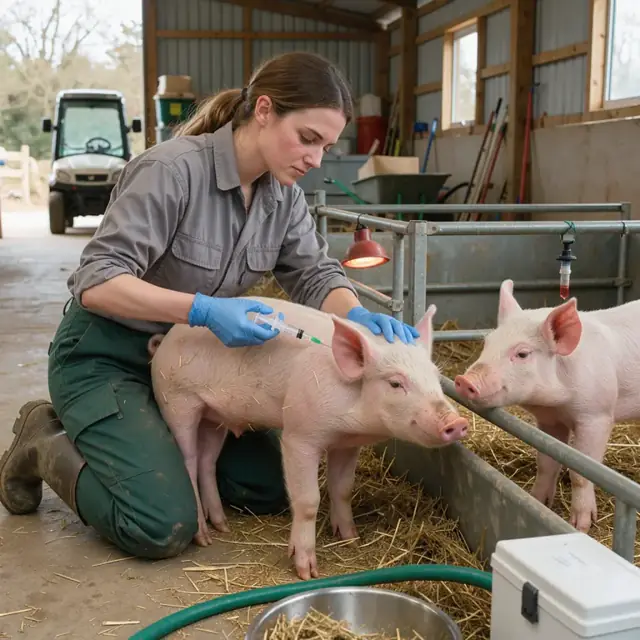
Health and Veterinary Coordinator
Aggregate health observations, identify treatment needs, draft protocols and maintain all veterinary and treatment records.
Works in: Ambitious Tasks, Ambitious Docs, Ambitious Sheets · Workflows: Health monitoring and veterinary coordination
Automates
- Compiles daily health, mortality and treatment data by group
- Highlights groups needing intervention or sampling
- Drafts medication orders, water additives and veterinary visit schedules
- Maintains vaccination, treatment and withdrawal records
Stops for a person
- The owner or veterinarian approves all medication use and protocols
- A person confirms withdrawal dates before any marketing
- Veterinarian signs off on health certificates and treatment plans

Market and Load-out Coordinator
Track market weights, project sale dates, schedule load-outs and coordinate required transport documents with buyers.
Works in: Ambitious Sheets, Ambitious Tasks, Ambitious Docs · Workflows: Market readiness, sorting and load-out scheduling
Automates
- Projects days to market weight from sampling data
- Calculates expected sort loss and sale volumes
- Drafts load-out schedules and buyer communications
- Generates required transport manifests and health certificates
- Records actual sale weights, prices and any transport issues
Stops for a person
- The owner selects which groups to market and approves all contracts and pricing
- A person reviews and signs all health certificates before loading
- Truck drivers and receiving personnel confirm delivery details
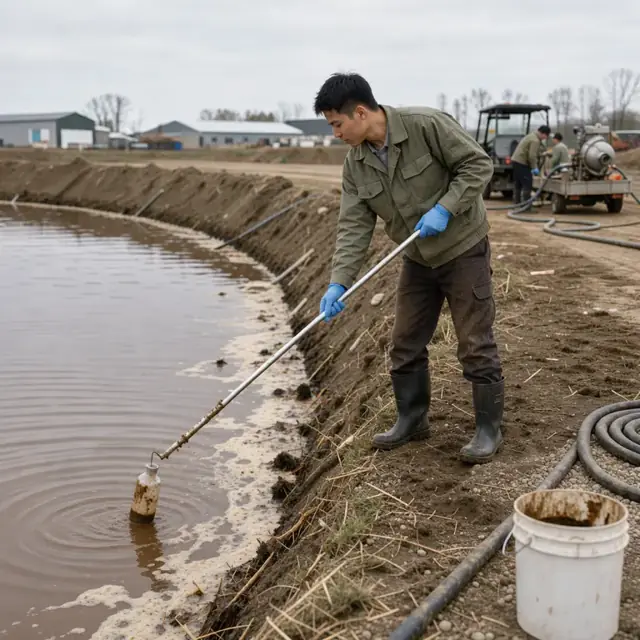
Manure and Environmental Compliance Clerk
Track manure storage and nutrients, generate application schedules and maintain all environmental sampling and permit records.
Works in: Ambitious Sheets, Ambitious Docs, Ambitious Tasks · Workflows: Manure management and environmental compliance
Automates
- Monitors storage levels, nutrient content and weather constraints
- Creates field application schedules aligned to the nutrient management plan
- Logs application events, rates, locations and sample results
- Tracks renewal dates for permits, plans and sampling requirements
Stops for a person
- The owner confirms all application timing, rates and locations
- People perform sampling, submit regulatory reports and handle inspections
- The owner files all required environmental paperwork

Herd and Asset Inventory Manager
Reconcile pig counts, track equipment maintenance and forecast replacement needs for barns and assets.
Works in: Ambitious Sheets, Ambitious Tasks · Workflows: Herd inventory, asset tracking and maintenance
Automates
- Reconciles pig inventory by stage, barn and group
- Tracks mortality, culls and movements for accuracy
- Schedules maintenance for feeders, waterers, ventilation and generators
- Projects replacement needs for crates, gates and other assets
- Creates repair or calibration work orders
Stops for a person
- Farm staff verify actual pig counts during monthly reconciliation
- The owner approves all equipment purchases, repairs and capital spending
- Maintenance completion is confirmed by technicians or staff
Workflows
Breeding and farrowing cycle management
Starts when: Weekly review or when a sow shows estrus or is due
- Pull the current breeding, gestation and due-date list from records
- Assign sows to farrowing crates or rooms based on expected farrow date and parity
- Generate daily farrowing chore list including heat detection, artificial insemination, induction if approved and piglet processing tasks
- Record actual farrowing dates, litter sizes, stillborns, weaning dates and sow condition
- Flag any sows needing extra observation, culling or veterinary attention for review
Watch for: Accurate 114-day gestation tracking is required to avoid overcrowding farrowing rooms; Piglet processing including teeth clipping, tail docking, iron shots and castration must occur within 24 hours of birth; Owner must approve any induced farrowing or early weaning
Daily barn operations and health checks
Starts when: Start of each day
- Generate barn-specific chore lists differentiated by farrowing, nursery, grower or finisher stage
- Record mortality, treatments, lameness, respiratory signs and fecal scores by pen or room
- Log feed consumption, water usage and any equipment issues per barn
- Flag any pens showing signs of illness, poor gain or abnormal behavior
- Create movement tasks for pigs ready to shift between production stages
Watch for: Biosecurity protocols including boot dips, dedicated equipment and shower procedures must be followed between barns; Early detection of respiratory or enteric disease is critical to prevent outbreak spread; All observations and treatments are verified by barn staff before records are finalized
Feed formulation, ordering and inventory
Starts when: Weekly and after each group moves stages
- Calculate current herd inventory by weight band, stage and average daily gain
- Apply stage-specific diet formulas to project weekly feed needs for corn, soybean meal, vitamins and medications
- Subtract current on-farm inventory and project delivery dates
- Draft bulk ingredient orders by supplier with exact quantities and delivery windows
- Track feed delivery, quality tests, bunk refusals and any formulation adjustments
Watch for: Feed must be ordered with sufficient lead time for bulk delivery without running out or overfilling bins; Diet changes must align exactly with pig movement dates to avoid digestive upset; Owner approves all feed orders and any nutritionist-recommended formula changes
Health monitoring and veterinary coordination
Starts when: Daily observations or when treatment thresholds are met
- Aggregate daily health observations, mortality data and treatment logs by group
- Identify trends requiring intervention such as respiratory outbreaks, scours or lameness
- Draft treatment protocols, medication orders and water additive plans for approval
- Schedule veterinary visits, on-farm processing or diagnostic sampling based on herd status
- Maintain vaccination, treatment and withdrawal period records by group for audit
Watch for: Medication withdrawal periods must be strictly observed before marketing animals; All treatments and antibiotics require owner or veterinarian sign-off before administration; Veterinarian confirms protocols; farm owner approves all medication purchases
Market readiness, sorting and load-out scheduling
Starts when: Weekly weight sampling or when groups approach market weight
- Sample and record weights from each finishing barn using scales or visual estimation
- Project days to target market weight, calculate sort loss and forecast sale volumes
- Draft load-out schedule, coordinate with buyer or packer and arrange trucking
- Generate required veterinary health certificates, transport manifests and movement records
- Record actual weights, sort loss, price received and any transport issues after delivery
Watch for: Pigs must meet packer specifications on weight, backfat and lean yield; Transport must be scheduled to minimize stress, avoid extreme temperatures and meet welfare standards; Owner selects which groups to market and approves all buyer contracts and pricing
Manure management and environmental compliance
Starts when: After each application or on scheduled sampling dates
- Track manure storage levels, nutrient content from lab analysis and pit temperatures
- Generate field application schedules based on approved nutrient management plan, crop needs and weather forecast
- Log field application dates, rates, locations, incorporation method and weather conditions
- Schedule and record required water, soil, air quality and groundwater samples
- Maintain complete records for state nutrient management plan, CAFO permit and renewal filings
Watch for: Applications must follow approved nutrient management plan, avoid frozen ground or heavy rain forecast and prevent runoff; Records must be available for regulatory inspection at any time; Owner confirms all application timing, rates and submits any required regulatory reports
Herd inventory, asset tracking and maintenance
Starts when: Monthly and after major events such as weaning or marketing
- Reconcile actual pig count against records by barn, stage and group
- Track mortality, culls, movements and performance to maintain accurate inventory
- Schedule preventive maintenance for feeders, waterers, ventilation fans, heaters and backup generators
- Forecast replacement needs for farrowing crates, gates, pen dividers and other barn assets
- Draft repair, replacement or calibration work orders for equipment
Watch for: Accurate pig counts are essential for feed ordering, marketing projections and regulatory reporting; Backup power systems and emergency equipment must be tested regularly per biosecurity and safety protocols; Barn staff verify actual pig counts; owner approves all equipment purchases, repairs and capital spending
Bot templates for this industry
- Hog and Pig Farming (7 bots)
Source: U.S. Small Business Administration, Office of Size Standards, Table of Small Business Size Standards Matched to North American Industry Classification System Codes, version March 2023 (effective 2023-03-17, NAICS 2022). Size standards are shown for reference only.