

Broilers and Other Meat Type Chicken Production
Broiler and meat-type chicken producers manage breeder flocks, hatch chicks, raise birds through grow-out cycles in barns, schedule processing plant pickups, maintain biosecurity and feed inventories, track flock performance and health records, and coordinate live-haul transport. Specialists convert placement orders into barn schedules, turn feed formulas and daily consumption into reorder quantities, schedule veterinary checks and vaccinations, prepare birds for processing pickup, and maintain regulatory and food-safety documentation that producers review and approve.
What makes this business different
- Strict 6-8 week grow-out cycles per flock with precise placement and pickup dates coordinated with the processing plant
- Biosecurity protocols including downtime between flocks, footbaths, visitor logs and all-in all-out barn management
- Daily feed, water and mortality tracking with rapid response to health events or spikes in mortality
- Vaccination, medication and withdrawal periods that must be logged before processing eligibility
- Live-haul scheduling with weight targets, catch crews and transport permits that change by season and weather
- Breeder flock lighting, egg collection and hatchery coordination that runs on a separate annual calendar
- Records for feed mill certifications, environmental permits, nutrient management plans and processing plant audits
Specialist bots

Placement Coordinator
Align processing plant orders with barn availability, chick supply and grow-out calendars.
Works in: Ambitious Tasks, Ambitious Sheets · Workflows: Flock placement and barn scheduling
Automates
- Checks barn downtime and cleanout status
- Matches chick hatch dates to placement windows
- Builds the full grow-out calendar for each flock
- Drafts placement confirmations for the plant
Stops for a person
- The producer approves every placement date and density
- The live production manager confirms barn readiness after sanitation

Daily Flock Monitor
Track daily feed, water, mortality and health indicators and flag any issues for immediate action.
Works in: Ambitious Sheets, Ambitious Tasks, Process Optimizer · Workflows: Daily flock monitoring and health
Automates
- Pulls and compares consumption and mortality data
- Flags deviations from breed standards
- Creates prioritized walk-through task lists
- Logs treatments with withdrawal timers
Stops for a person
- The grower walks the barn and confirms mortality and health observations
- Any medication decision is made and recorded by the producer or veterinarian
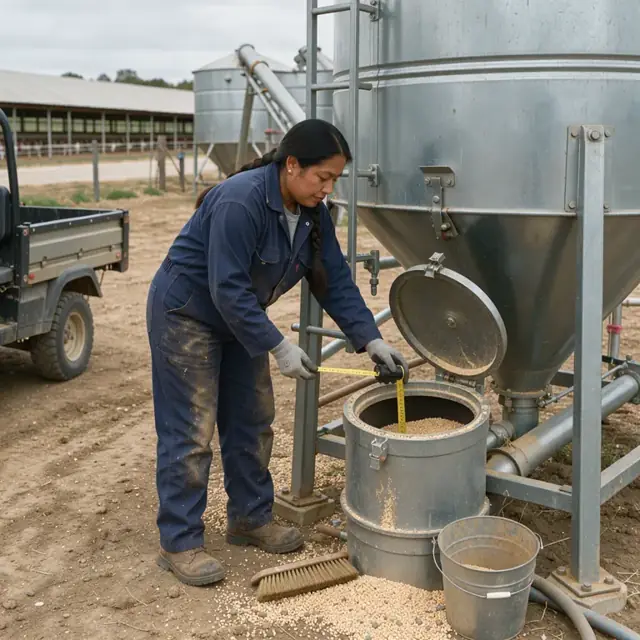
Feed Inventory Manager
Calculate daily feed usage, maintain bin inventory and draft accurate orders for the feed mill.
Works in: Ambitious Sheets, Ambitious Tasks, Ambitious Docs · Workflows: Feed ordering and inventory
Automates
- Projects days of feed remaining by barn and age
- Selects the correct formula for the growth stage
- Generates reorder quantities and delivery windows
- Records actual delivered weights against orders
Stops for a person
- The producer places and pays for every feed order
- The grower confirms bin cleaning between flocks

Processing Pickup Scheduler
Coordinate live weights, plant pickup windows, catch crews and transport for each flock.
Works in: Ambitious Tasks, Ambitious Docs · Workflows: Processing pickup coordination
Automates
- Projects market weight from sample weighs
- Requests or confirms pickup slots with the plant
- Schedules catch crews and live-haul trucks
- Compiles the flock manifest and withdrawal records
Stops for a person
- The producer reviews and approves all plant communications and manifests
- The live production manager verifies bird condition before loading

Health and Vaccination Clerk
Maintain vaccination schedules, treatment logs, withdrawal dates and flock health records.
Works in: Ambitious Docs, Ambitious Sheets, Ambitious Tasks · Workflows: Vaccination and veterinary scheduling
Automates
- Generates vaccination calendars by breed
- Tracks all treatments and withdrawal periods
- Prepares records for veterinary visits
- Updates processing eligibility status
Stops for a person
- The producer or veterinarian approves every medication or vaccine used
- Final records are reviewed and signed by the grower before submission

Biosecurity and Compliance Officer
Run biosecurity checklists, visitor logs, cleanout verification and compile records for audits.
Works in: Ambitious Tasks, Ambitious Docs, Ambitious Sheets · Workflows: Biosecurity and regulatory documentation
Automates
- Generates cleanout and downtime checklists
- Maintains digital visitor and vehicle logs
- Compiles weekly and closeout flock records
- Organizes documents required by the plant and agencies
Stops for a person
- The producer personally reviews and approves every document before it is sent or filed
- The grower confirms that all sanitation steps were completed
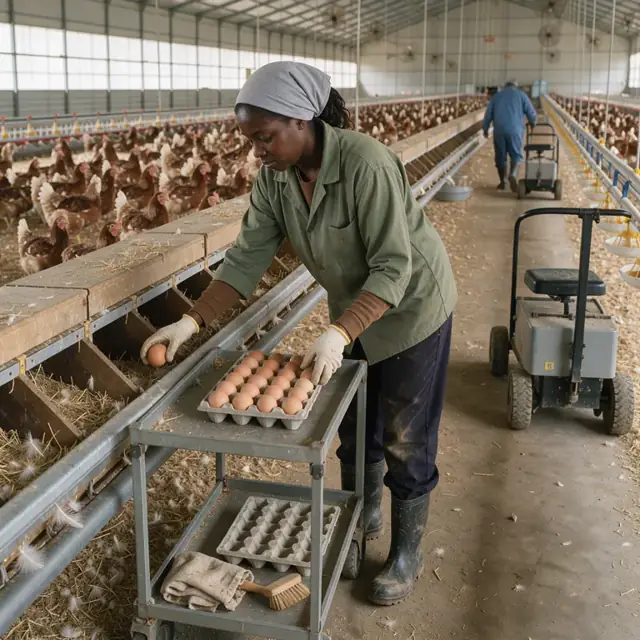
Breeder and Hatchery Coordinator
Track breeder flock performance, egg production and coordinate chick hatching and delivery.
Works in: Ambitious Sheets, Ambitious Tasks, Ambitious Docs · Workflows: Breeder flock and hatchery coordination
Automates
- Monitors weekly egg production and hatch rates
- Schedules set dates with the hatchery
- Forecasts chick supply against placement needs
- Adjusts lighting and feeding programs on schedule
Stops for a person
- The producer approves all changes to breeder feeding or lighting
- Hatchery confirmations are reviewed before any chick movement
Workflows
Flock placement and barn scheduling
Starts when: Processing plant issues a new placement order or a barn becomes available after cleanout
- Confirm barn readiness after required downtime and litter removal
- Align chick delivery date with breeder hatch schedule and plant needs
- Assign target placement density, lighting program and feed type
- Create the grow-out calendar with weigh days, vaccination dates and projected pickup
- Draft the placement confirmation for the plant and chick supplier
Watch for: Plant pickup slots are limited and must be reserved months ahead; Seasonal heat or cold affects placement density and ventilation plans
Daily flock monitoring and health
Starts when: Each morning and after any health alert
- Pull yesterday's feed consumption, water usage and mortality by barn
- Compare against breed standards and flag deviations
- Generate a prioritized task list for walk-throughs, culls and treatments
- Log any medication or vaccine given with withdrawal dates
- Update the shared flock dashboard for the producer
Watch for: Early detection of respiratory or enteric disease can prevent whole-flock loss; Mortality spikes must be reported to the plant and veterinarian immediately
Feed ordering and inventory
Starts when: Weekly and when bin levels reach reorder point
- Calculate remaining days of feed based on current consumption and flock age
- Draft the next feed order by formula (starter, grower, finisher, withdrawal)
- Coordinate with the feed mill for delivery timing to avoid bin overflow or shortages
- Record delivery weights and adjust inventory sheets
- Track ingredient costs and any mill quality issues
Watch for: Feed must match exact withdrawal periods before processing; Bins must be completely emptied and cleaned between flocks
Processing pickup coordination
Starts when: Four weeks before projected market weight or when plant sends pickup window
- Weigh sample birds and project average live weight against plant targets
- Request or accept specific pickup date and time from the plant
- Schedule catch crew, forklift and live-haul trucks
- Prepare load-out plan including barn lighting and bird handling protocols
- Generate the flock manifest with medication and withdrawal records
Watch for: Birds must meet plant weight, uniformity and condemnation limits; Weather can cancel or shift live-haul schedules on short notice
Vaccination and veterinary scheduling
Starts when: Breed-specific vaccination calendar or when vet flags a need
- Pull the flock's vaccination and medication history
- Draft the schedule for upcoming shots, water treatments or spray vaccination
- Coordinate with the veterinarian or crew for on-farm visit
- Update withdrawal and processing eligibility dates
- Log all treatments in the permanent flock record
Watch for: Withdrawal times must be strictly observed before pickup; Certain vaccines require special storage and mixing protocols
Biosecurity and regulatory documentation
Starts when: Before every placement, weekly during grow-out and at flock closeout
- Generate the barn cleanout and downtime checklist
- Maintain visitor and vehicle logs
- Compile weekly mortality, feed and treatment records
- Prepare environmental and nutrient management reports for state agencies
- Assemble the complete flock file for the processing plant audit
Watch for: Different states and plants have distinct record retention and audit formats; The producer must personally review and sign every document sent to regulators or the plant
Breeder flock and hatchery coordination
Starts when: Weekly for active breeder barns and on the annual lighting calendar
- Track egg production, fertility and hatch rates from breeder houses
- Schedule candling, set dates and chick delivery to broiler barns
- Adjust lighting and feeding programs for breeders
- Forecast chick supply against upcoming placement orders
- Maintain pedigree and health records required by the hatchery
Watch for: Breeder flocks run on a 40-60 week cycle separate from broiler grow-out; Hatchery slots must be reserved and coordinated with multiple farms
Bot templates for this industry
Source: U.S. Small Business Administration, Office of Size Standards, Table of Small Business Size Standards Matched to North American Industry Classification System Codes, version March 2023 (effective 2023-03-17, NAICS 2022). Size standards are shown for reference only.