

Poultry Hatcheries
Poultry hatcheries receive fertile eggs from breeder farms, incubate them under controlled conditions, monitor hatch rates, grade and sex day-old chicks or poults, and ship them to broiler, layer or turkey growers. Specialists convert incoming flock orders into setter schedules, turn setter data into hatch-day pull plans, maintain incubator and hatcher environments, manage egg and chick inventory, and prepare shipping manifests while the hatchery manager oversees biosecurity, temperature logs and veterinary paperwork.
What makes this business different
- Fertile eggs delivered on precise dates from multiple breeder flocks with varying genetic lines
- Strict 21-day incubation cycles for chickens or 28-day cycles for turkeys with setter and hatcher phases
- Precise environmental controls: temperature, humidity, ventilation and turning schedules that cannot deviate
- Biosecurity protocols, sanitation logs, veterinary health certificates and reportable-disease tracking
- Sexing, grading and vaccinating of day-old birds before packing
- Seasonal demand spikes for broiler placements in spring and layer replacements in fall
- Live-animal transport regulations, chick boxes, heat packs or cooling packs and delivery windows
Specialist bots
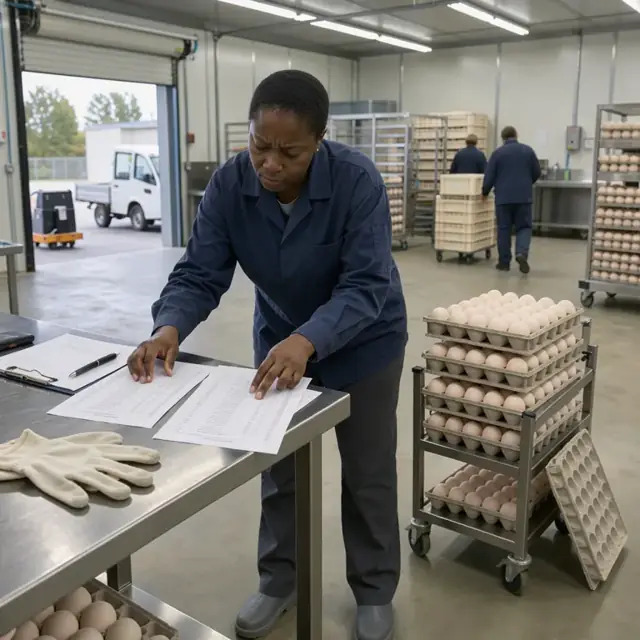
Order Coordinator
Convert every customer request for chicks or hatching eggs into a confirmed production order tied to the hatch calendar.
Works in: Ambitious Tasks, Ambitious Docs, Email Buckets · Workflows: Breeder egg and chick order intake
Automates
- Reads incoming order messages and forms
- Matches requested breed, quantity and date to available setter capacity
- Drafts order confirmations with pricing
- Creates linked production tasks
Stops for a person
- The hatchery manager approves special genetic or vaccination requests
- A person sends final confirmations and handles pricing exceptions
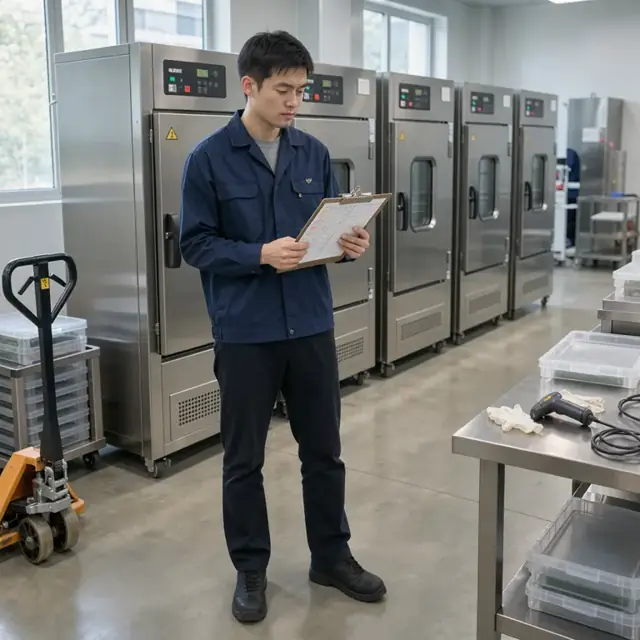
Incubation Scheduler
Assign egg orders to specific setters and hatchers while balancing machine loads and forecasting pull dates.
Works in: Ambitious Sheets, Process Optimizer · Workflows: Incubation scheduling and capacity planning
Automates
- Assigns orders to machine trays by hatch date
- Balances airflow and temperature loads across incubators
- Forecasts transfer and pull dates
- Flags maintenance or sanitation conflicts
Stops for a person
- The manager reviews and adjusts the weekly setter calendar
- Any deviation from standard temperature settings requires approval

Egg Receiver and Candler
Inspect, candle, disinfect and log all incoming fertile eggs before they enter the setters.
Works in: Ambitious Tasks, Ambitious Sheets, Ambitious Docs · Workflows: Egg receiving and candling
Automates
- Records supplier flock data and egg counts
- Calculates net settable eggs after candling
- Generates disinfection and setting instructions
- Updates central inventory by genetic line
Stops for a person
- A technician performs the actual candling and removes rejects
- The manager confirms any flock that shows anomalies

Incubator Environment Monitor
Track and log temperature, humidity and ventilation data across all machines and recommend corrections.
Works in: Ambitious Sheets, Ambitious Tasks, Process Optimizer · Workflows: Incubator and hatcher monitoring
Automates
- Pulls sensor data from each incubator and hatcher
- Compares readings to breed-specific targets
- Flags deviations and suggests adjustments
- Compiles daily environmental summary reports
Stops for a person
- The hatchery manager reviews all flagged deviations
- Any physical machine adjustments are performed by licensed staff

Hatch Pull and Processing Coordinator
Orchestrate the timing of hatcher pulls, chick counting, sexing, vaccination and packing.
Works in: Ambitious Tasks, Ambitious Docs, Ambitious Sheets · Workflows: Hatch day pull and chick processing
Automates
- Calculates optimal pull times based on hatch progress
- Generates grading, sexing and vaccination checklists
- Creates packing lists and box counts
- Prepares health certificate templates
Stops for a person
- Trained staff perform actual sexing, grading and injections
- The manager signs all veterinary health certificates

Shipping and Delivery Dispatcher
Group packed chick orders by delivery route, prepare manifests and track on-time live-animal deliveries.
Works in: Ambitious Tasks, Ambitious Docs, Email Buckets · Workflows: Chick shipping and delivery dispatch
Automates
- Groups orders by geographic region
- Builds route sequences with time windows
- Drafts grower notification messages
- Logs delivery outcomes and transit conditions
Stops for a person
- The driver confirms route feasibility and weather impacts
- All shipping manifests and certificates are approved before trucks leave

Biosecurity and Compliance Clerk
Maintain daily sanitation checklists, equipment logs, veterinary paperwork and regulatory renewal reminders.
Works in: Ambitious Tasks, Ambitious Docs, Ambitious Sheets · Workflows: Biosecurity and regulatory paperwork
Automates
- Generates daily cleaning and footbath checklists
- Tracks testing and certification due dates
- Compiles records for audits
- Warns before licenses or insurance expire
Stops for a person
- The hatchery manager confirms which regulatory requirements apply to each flock
- All official submissions, test samples and audit responses are handled by people
- The bot never certifies compliance
Workflows
Breeder egg and chick order intake
Starts when: A grower or integrator submits a chick or egg order by form, email or portal
- Capture breed or genetic line, quantity, delivery date, sexing requirement and any vaccination requests
- Check against current flock inventory, setter capacity and hatch calendar
- Confirm egg supply from approved breeders matches the needed setter date
- Draft order acknowledgment with price and delivery terms
- Create a production task linked to the specific setter tray group
Watch for: Genetic line must be recorded exactly to maintain customer contracts; Orders placed after cutoff for a given hatch day roll to the next available cycle
Incubation scheduling and capacity planning
Starts when: Weekly or when new orders are confirmed
- Assign incoming egg orders to specific setter machines and tray positions based on hatch date
- Balance loads across machines to maintain uniform airflow and temperature
- Forecast hatch dates and required hatcher transfers 18 days in advance for chickens
- Flag any conflicts with ongoing sanitation or maintenance windows
- Generate a weekly setter calendar for the floor team
Watch for: Machines have fixed capacities and cannot be overloaded; Different genetic lines may require slight temperature or humidity offsets
Egg receiving and candling
Starts when: When breeder eggs arrive at the hatchery dock
- Record supplier, flock age, quantity and condition of each pallet
- Run candling to remove clears, cracked or contaminated eggs before setting
- Log egg weight and uniformity data for each flock
- Disinfect eggs and place into setter trays according to the schedule
- Update inventory sheets with net settable eggs
Watch for: Eggs must be set within hours of arrival to avoid temperature swings; Any reportable disease signs must trigger immediate quarantine
Incubator and hatcher monitoring
Starts when: Daily at shift start and every four hours
- Pull temperature, humidity, CO2 and turning records from each machine
- Compare readings against breed-specific targets and flag deviations
- Draft daily adjustment recommendations for minor tweaks
- Track hatch window progress by pulling sample trays on transfer day
- Log any equipment alarms or power interruptions
Watch for: Even small deviations in temperature or humidity can crash hatch rates; All environmental logs must be kept for veterinary audits
Hatch day pull and chick processing
Starts when: Morning of scheduled hatch pull day
- Schedule the exact time to pull each hatcher based on hatch progress
- Count and grade chicks or poults for quality, culls and sex
- Apply vaccines or other treatments per customer specification
- Pack into chick boxes with proper ventilation, heat or cooling packs
- Generate packing slips and health certificates
Watch for: Chicks must be packed and shipped within 24 hours of hatch; Sexing accuracy and vaccination records are customer requirements
Chick shipping and delivery dispatch
Starts when: After packing on hatch day
- Group orders by delivery region and truck route
- Draft route sequence with latest arrival windows to protect live birds
- Prepare temperature-controlled transport manifests
- Send pre-arrival notifications to growers
- Record delivery confirmations and any transit issues
Watch for: Live birds cannot be held in extreme heat or cold during transit; Routes must avoid delays that exceed 12 hours post-hatch
Biosecurity and regulatory paperwork
Starts when: Daily, weekly and on renewal or audit dates
- Generate daily sanitation and footbath checklists
- Track veterinary certificates, NPIP paperwork and flock health tests
- Monitor reportable disease testing schedules by breeder source
- Maintain equipment calibration and incubator validation records
- Draft renewal reminders for licenses and insurance
Watch for: State and federal veterinary rules differ by species and destination state; All records must be ready for unannounced audits
Bot templates for this industry
- Poultry Hatcheries (7 bots)
Source: U.S. Small Business Administration, Office of Size Standards, Table of Small Business Size Standards Matched to North American Industry Classification System Codes, version March 2023 (effective 2023-03-17, NAICS 2022). Size standards are shown for reference only.