

Other Poultry Production
Other poultry producers raise turkeys, ducks, geese, quail and specialty birds in barns, hoop houses or pasture systems, managing breeding, hatching, brooding, grow-out, health monitoring, feed and biosecurity. Specialists turn incoming orders or production targets into weekly placement schedules, convert flock data into feed and supply orders, schedule moves between barns, track health and mortality, prepare birds for processing or live sales, and maintain movement records, veterinary paperwork and environmental logs while the grower makes all final calls on flock health and sales.
What makes this business different
- Strict biosecurity protocols separating flocks by age, health status and barn to prevent disease spread
- All-in all-out or staggered placement schedules with precise brooding, grow-out and processing timelines
- Daily mortality, water and feed consumption tracking that signals health or equipment issues
- Sourcing day-old poults or chicks from specific hatcheries on exact dates with health certificates
- Feed formulation and bulk ordering that changes by growth stage and seasonal pasture availability
- Permits for movement between sites, processing plant certificates, veterinary feed directives and environmental compliance logs
- Seasonal demand peaks for holiday turkeys, spring ducklings or game birds for hunting preserves
- Pasture rotation records, litter management and nutrient management plans for manure
Specialist bots
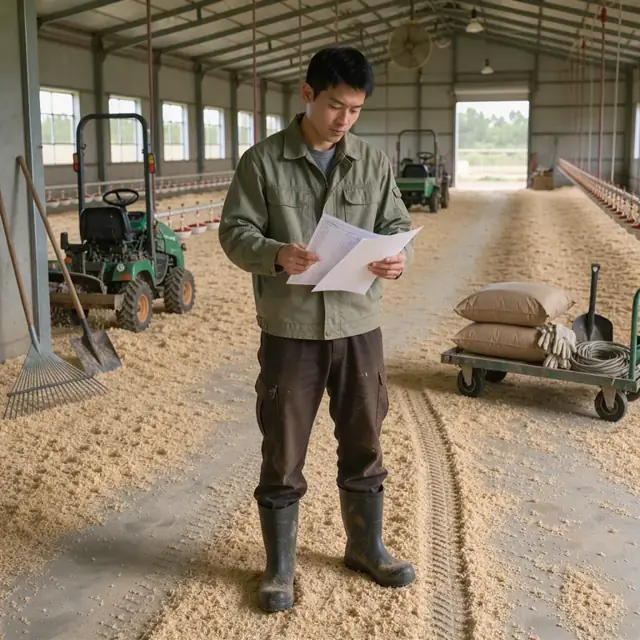
Order and Production Coordinator
Convert buyer orders and production contracts into confirmed placement targets and barn assignments.
Works in: Ambitious Tasks, Ambitious Docs, Ambitious Sheets · Workflows: Customer order and production target intake
Automates
- Parses incoming order details and required specifications
- Checks against current barn and placement calendar
- Drafts confirmation and deposit request
- Creates the production task with target dates
Stops for a person
- The grower approves any non-standard breed or date requests
- A person sends all confirmations and handles contract signatures

Flock Placement Scheduler
Build weekly placement, brooding and grow-out schedules that respect biosecurity and barn downtime.
Works in: Ambitious Sheets, Ambitious Tasks · Workflows: Flock placement and brooding schedule
Automates
- Aligns new flocks with cleaning intervals and age separation rules
- Schedules hatchery deliveries against brooding capacity
- Creates timed brooding plans with temperature curves
- Generates daily placement checklists
Stops for a person
- The grower adjusts any schedule that changes flock health protocols
- Final placement decisions are always made by the owner

Feed and Inventory Manager
Calculate stage-specific feed requirements, maintain bin inventory and draft supplier orders.
Works in: Ambitious Sheets, Ambitious Tasks, Ambitious Docs · Workflows: Feed ordering and inventory management
Automates
- Projects feed needs by current flock count and growth stage
- Subtracts on-hand inventory from bulk bins
- Drafts purchase orders by feed mill and delivery day
- Tracks feed conversion ratios and waste
Stops for a person
- The grower approves and places every feed order
- Changes to medicated rations require veterinary approval first

Daily Flock Health Monitor
Record and analyze daily mortality, feed and water data to flag health or equipment concerns.
Works in: Ambitious Sheets, Ambitious Tasks, Process Optimizer · Workflows: Daily flock health and consumption monitoring
Automates
- Compiles morning counts of mortality and consumption
- Compares data against breed-specific benchmarks
- Creates alert tasks for abnormal trends
- Maintains running flock weight and uniformity records
Stops for a person
- The grower decides when to call a veterinarian or adjust ventilation
- All treatment decisions are made and logged by people
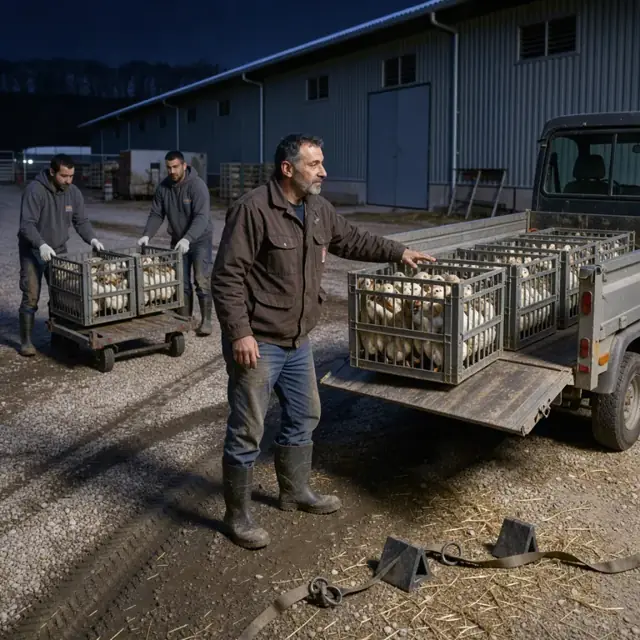
Movement and Processing Coordinator
Schedule bird catch, loading, transport and processing while preparing all required movement documents.
Works in: Ambitious Tasks, Ambitious Docs, Contract Analyzer · Workflows: Bird movement and processing coordination
Automates
- Books processing plant slots and confirms requirements
- Builds load-out timelines by house
- Generates movement and health certificates for review
- Updates farm inventory after shipments
Stops for a person
- The grower approves every load-out plan and signs certificates
- A person physically verifies bird condition before loading

Biosecurity and Compliance Clerk
Maintain daily biosecurity logs, track veterinary directives and flag permit renewals.
Works in: Ambitious Tasks, Ambitious Docs, Ambitious Sheets · Workflows: Biosecurity, veterinary and permit tracking
Automates
- Generates daily biosecurity and sanitation checklists
- Tracks veterinary visit and withdrawal records
- Alerts before permits or certificates expire
- Organizes litter and mortality management logs
Stops for a person
- The owner confirms which regulations apply to each flock
- People review, sign and file all official paperwork
- The bot never certifies compliance
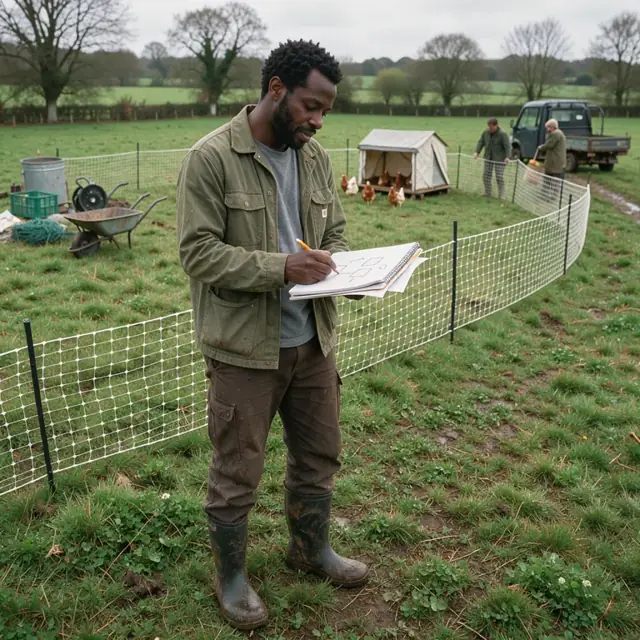
Seasonal Production Planner
Forecast seasonal demand, barn utilization and supplier needs for holiday and pasture-based production cycles.
Works in: Ambitious Sheets, Process Optimizer, Ambitious Tasks · Workflows: Seasonal production forecasting
Automates
- Analyzes past placement and sales patterns by species
- Projects barn availability against upcoming peaks
- Suggests breeder or hatchery order volumes
- Drafts commitment letters for processors and suppliers
Stops for a person
- The grower sets final production targets and signs commitments
- All financial projections are reviewed by the owner before use
Workflows
Customer order and production target intake
Starts when: A buyer places an order for live birds, processed poultry or a production contract is signed
- Capture species, breed, quantity, target weight, delivery or processing date and any special requirements
- Check against current flock schedule and barn availability
- Confirm health certificate and movement permit feasibility for the requested date
- Draft order confirmation with pickup or delivery window
- Create a production task with target placement date and specifications
Watch for: Holiday turkey orders must be locked months in advance with deposit; Breed-specific requests may require separate hatching or sourcing
Flock placement and brooding schedule
Starts when: Weekly on Monday or after new order intake
- Align new placements with all-in all-out rules and barn downtime for cleaning
- Schedule chick or poult arrivals from hatcheries against brooding space
- Build a 7-day brooding plan with temperature, lighting and feed transitions
- Flag any overlapping movements that require extra biosecurity steps
- Generate placement checklist for litter, heaters and drinkers
Watch for: Brooding temperatures must be exact for the first 7-14 days; Minimum downtime between flocks is required for sanitation
Feed ordering and inventory management
Starts when: Weekly and when any flock reaches a new growth stage
- Calculate total feed needs by flock age, species and current count
- Subtract current bin and on-farm inventory
- Draft purchase orders for starter, grower, finisher or layer rations by supplier
- Track bulk delivery windows that avoid weekends or peak traffic
- Log feed conversion and waste from previous flocks
Watch for: Feed changes must be gradual to avoid digestive upset; Medicated feed requires veterinary feed directives that people approve
Daily flock health and consumption monitoring
Starts when: Each morning when staff enter the barn
- Record mortality, culls and any abnormal signs per house
- Log water and feed consumption against expected benchmarks
- Flag deviations that may indicate equipment failure or disease
- Create task list for any immediate repairs or veterinary checks
- Update running flock record with current weights and uniformity
Watch for: Early detection of respiratory or enteric disease is critical; Water line pressure and temperature affect consumption readings
Bird movement and processing coordination
Starts when: When any flock reaches target weight or processing date approaches
- Confirm processing plant slot and required health certificates
- Schedule catch crew, transport and any required permits
- Build a load-out schedule by barn and pen to minimize stress
- Generate movement documents and chain-of-custody records
- Update inventory after birds leave the farm
Watch for: Load-out must occur in darkness or low light for turkeys and ducks; Transport times and temperatures are regulated by species
Biosecurity, veterinary and permit tracking
Starts when: Daily for logs, weekly for audits and on renewal dates
- Generate daily biosecurity checklist for footbaths, clothing changes and visitor logs
- Track veterinary visit dates, prescriptions and withdrawal periods
- Monitor permit and certificate expirations for interstate movement or processing
- Maintain litter and mortality composting records for environmental plans
- Draft renewal paperwork for people to review and file
Watch for: Rules vary by state and by whether birds are for meat, breeding or exhibition; The grower must personally confirm any health or regulatory actions
Seasonal production forecasting
Starts when: Quarterly and before major holidays
- Review historical placement and sales data by species
- Project barn availability against expected holiday or seasonal demand
- Suggest adjustments to breeder flock sizes or hatchery orders
- Identify windows for pasture rotation or barn maintenance
- Draft supplier and processor commitment letters for approval
Watch for: Thanksgiving turkey demand requires placements starting in spring; Pasture-based systems are limited by weather and grass growth
Bot templates for this industry
- Other Poultry Production (7 bots)
Source: U.S. Small Business Administration, Office of Size Standards, Table of Small Business Size Standards Matched to North American Industry Classification System Codes, version March 2023 (effective 2023-03-17, NAICS 2022). Size standards are shown for reference only.