

Goat Farming
Goat farms raise meat, dairy or fiber goats on pasture or dry lots. Daily and seasonal workflows include herd checks, feeding, kidding, milking, parasite control, pasture rotation, equipment upkeep and sales of live animals, milk or fiber. Specialists turn daily observations and breeding records into feeding and kidding plans, pasture data into rotation schedules, health observations into treatment calendars, milk weights into sales coordination and buyer inquiries into health-certificate paperwork while the farmer makes every animal-care, treatment and spending decision.
What makes this business different
- Seasonal breeding and kidding that drive feed, labor and sales cycles
- Daily milking for dairy herds with strict sanitation, cooling and equipment-cleaning rules
- Pasture rotation and supplemental feed planning based on real-time forage, herd size and weather
- Parasite monitoring, vaccinations, hoof care and health records that follow veterinary withdrawal periods
- Fencing, water systems, shelters and equipment that must be maintained to prevent injury or escapes
- Sales of live goats, milk or fiber that require health certificates, veterinary paperwork and transport permits
- Individual or group tracking for weights, pedigrees, milk yield, breeding and medication history
Specialist bots

Herd Observer
Turn daily pasture observations and overnight reports into feeding plans, health flags and supply needs.
Works in: Ambitious Tasks, Ambitious Sheets, Ambitious Docs · Workflows: Daily herd observation and feeding
Automates
- Compiles weather, birth and health reports
- Builds group feeding recommendations
- Flags animals needing care or isolation
- Tracks current herd counts by pen and pasture
Stops for a person
- The farmer approves any feeding changes or treatments
- A person performs all hands-on animal checks, treatments and counts

Kidding Season Coordinator
Convert breeding records into kidding schedules, supply lists and newborn tracking.
Works in: Ambitious Tasks, Ambitious Sheets, Process Optimizer · Workflows: Kidding and newborn care planning
Automates
- Calculates expected due dates from breeding data
- Assigns shelters and monitoring shifts
- Generates colostrum and kidding-supply requirements
- Creates initial kid identification records as births are entered
Stops for a person
- The farmer confirms all breeding and kidding interventions
- A person handles all actual births, colostrum feeding and newborn care

Milking and Dairy Scheduler
Turn lactation and health data into daily milking orders, sanitation checklists and milk sales projections.
Works in: Ambitious Tasks, Ambitious Sheets, Ambitious Docs · Workflows: Milking and dairy processing schedule
Automates
- Sequences does for milking by stage and health
- Generates full equipment-cleaning sequences
- Records and totals daily milk weights
- Projects weekly milk volumes and coordinates pickup
Stops for a person
- The farmer approves all milk sales and transport arrangements
- A person operates the milking equipment and performs all sanitation
Herd Health and Parasite Manager
Analyze observations and test results to produce treatment schedules, withdrawal calendars and health records.
Works in: Ambitious Tasks, Ambitious Sheets, Ambitious Docs · Workflows: Health monitoring and parasite management
Automates
- Evaluates fecal and visual health indicators by group
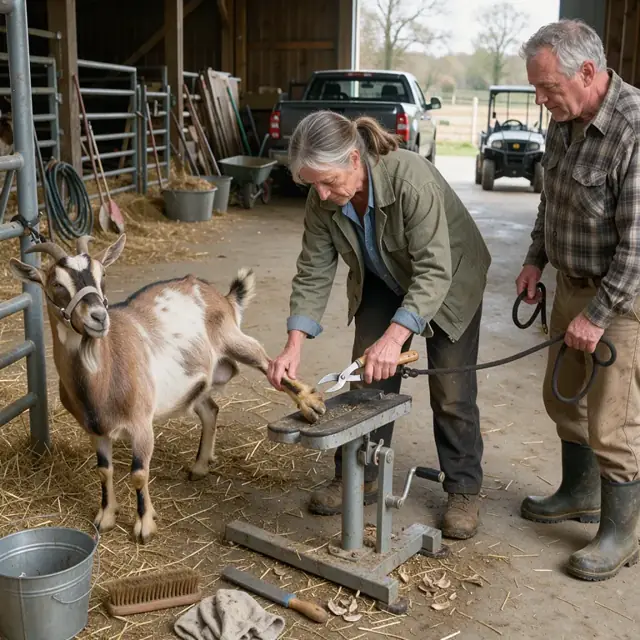
- Builds deworming, vaccination and hoof-care calendars
- Tracks medication withdrawal periods before sales
- Maintains individual and group health histories
Stops for a person
- The farmer or veterinarian decides on all treatments and medications
- A person administers all medications, trims hooves and performs examinations

Forage and Pasture Planner
Convert pasture measurements and weather forecasts into rotation plans, supplemental feed orders and fence tasks.
Works in: Ambitious Sheets, Process Optimizer, Ambitious Tasks · Workflows: Forage and pasture rotation planning
Automates
- Measures forage height and recovery across paddocks
- Creates weekly rotation schedule by herd needs
- Calculates hay and grain shortfalls
- Schedules fence and water-point maintenance
Stops for a person
- The farmer approves all pasture moves and feed purchases
- A person installs, repairs fencing and moves animals
Sales and Transport Coordinator
Match buyer requests to current inventory and prepare health certificates, permits, loading schedules and invoices.
Works in: Ambitious Docs, Contract Analyzer, Ambitious Tasks · Workflows: Animal sales and transport preparation
Automates
- Matches animals to buyer specifications by age, weight and health
- Drafts veterinary health certificates and transport permits
- Builds loading, biosecurity and transport schedules
- Prepares invoice and payment-terms drafts
Stops for a person
- The farmer approves all sales, sets final prices and signs documents
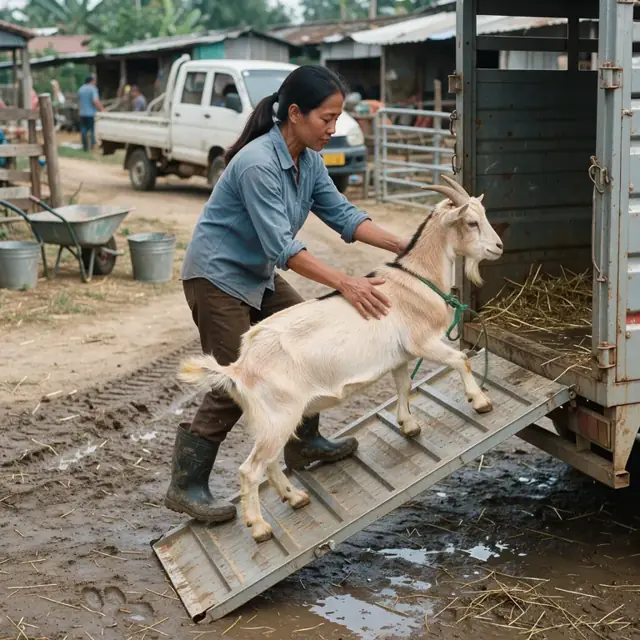
- A person loads animals, drives transport and signs all paperwork

Equipment and Infrastructure Clerk
Maintain schedules for fencing, shelters, vehicles, milking machines and refrigeration upkeep.
Works in: Ambitious Tasks, Ambitious Sheets, Ambitious Docs · Workflows: Equipment and infrastructure upkeep
Automates
- Generates monthly maintenance checklists
- Tracks service intervals for tractors, milkers and trailers
- Lists required repair parts and materials
- Logs all completed maintenance
Stops for a person
- The farmer approves all purchases and major repairs
- A person performs all physical maintenance, repairs and winterization
Workflows
Daily herd observation and feeding
Starts when: Each morning and evening
- Compile overnight reports of births, injuries or behavioral changes
- Assess current pasture forage height, water supply and weather effects
- Draft group-specific feeding plan with hay, grain, minerals and browse amounts
- Flag animals needing hoof trimming, deworming, isolation or vet attention
- Update herd counts by group and draft immediate supply reorder list
Watch for: Feed quantities must match lactation, pregnancy, growth stage and body condition; Water systems freeze or clog in extreme weather and must be verified daily
Kidding and newborn care planning
Starts when: Breeding confirmation or start of kidding window
- Calculate expected kidding dates from breeding and ultrasound records
- Assign does to kidding pens or shelters and build monitoring rotation
- Generate supply list for colostrum, heat lamps, iodine, ear tags and disinfectants
- Create kid identification records as births are logged
- Plan transition of does and kids into nursing, milking or sales groups
Watch for: Late-gestation does require increased energy feed and close observation; Kidding often occurs at night and requires rapid response to complications
Milking and dairy processing schedule
Starts when: Daily during lactation
- Build milking order by lactation stage, health status and udder condition
- Generate full sanitation and equipment-cleaning checklist
- Record individual milk weights, quality notes and any abnormalities
- Draft cooling, storage and bulk-tank pickup schedule
- Calculate weekly milk volume and prepare sales or transport documents
Watch for: Milking equipment must be cleaned and sanitized between each use or group; Milk must reach proper cooling temperature within regulatory time limits
Health monitoring and parasite management
Starts when: Weekly and after rain or heavy grazing
- Analyze fecal egg counts, body-condition scores and visual observations by group
- Draft targeted deworming, vaccination and hoof-trim schedule
- Calculate and flag medication withdrawal periods before any sale or milking
- Update individual or group health records
- Prepare list of animals needing veterinary examination
Watch for: Parasite resistance requires rotation of treatment classes; Withdrawal times must be strictly observed before meat or milk can be sold
Forage and pasture rotation planning
Starts when: Weekly and after weather or growth changes
- Measure forage height, recovery and ground cover across paddocks
- Build seven-day rotation schedule matched to herd size and nutritional needs
- Calculate supplemental hay, grain or mineral shortfalls
- Schedule fence repairs, temporary electric fencing and water-point moves
- Record grazing impact and note paddocks needing reseeding or rest
Watch for: Overgrazing permanently damages pasture root systems; Drought or heavy rain can eliminate forage availability overnight
Animal sales and transport preparation
Starts when: Buyer inquiry received or seasonal sale window opens
- Match buyer requirements to current inventory by age, weight, breed and health status
- Draft health certificate, veterinary inspection forms and transport permits
- Build loading schedule, biosecurity steps and transport route
- Create invoice and payment-terms draft for approval
- Update herd inventory and ownership records after sale
Watch for: Interstate movement requires specific veterinary certificates and permits; Animals must be handled calmly to reduce transport stress and injury
Equipment and infrastructure upkeep
Starts when: Monthly and before seasonal peaks
- Generate checklist for fences, gates, shelters, waterers and handling facilities
- Track service intervals for tractors, milking machines, trailers and refrigeration units
- Draft parts and repair-material lists
- Schedule winterization, seasonal storage or major maintenance tasks
- Log all completed work for insurance and tax purposes
Watch for: Fencing failures lead to escaped animals and liability; Milking or cooling equipment breakdowns can ruin milk inventory quickly
Bot templates for this industry
- Goat Farming (7 bots)
Source: U.S. Small Business Administration, Office of Size Standards, Table of Small Business Size Standards Matched to North American Industry Classification System Codes, version March 2023 (effective 2023-03-17, NAICS 2022). Size standards are shown for reference only.