

Finfish Farming and Fish Hatcheries
Finfish farms and hatcheries manage breeding tanks, incubation systems and grow-out ponds or pens. They track broodstock, monitor water quality, schedule feedings and harvests, manage disease testing and compliance sampling, and coordinate live-haul transport to processors or direct buyers. Specialists convert hatchery logs into feed orders, schedule fingerling transfers, optimize tank rotations and draft regulatory reports while the farm manager confirms all water chemistry, treatments and shipments.
What makes this business different
- Continuous water-quality monitoring for dissolved oxygen, pH, ammonia, temperature and salinity with alarms that cannot be missed
- Staggered hatching and grow-out cycles that require precise calendar scheduling across multiple tanks and ponds
- Live animal health tracking including vaccination, disease testing and mortality logs that must be kept for regulators
- Feed management that adjusts daily rations by biomass and life stage while minimizing waste and water fouling
- Permitting, discharge sampling, veterinary oversight and fish-health certificates required before any transfer or sale
- Seasonal production peaks for stocking and harvest that strain labor and transport capacity
- Biosecurity protocols that restrict movement between sites and require disinfection logs for all equipment
Specialist bots

Water Quality Monitor
Continuously track sensor data across all systems and generate immediate correction alerts.
Works in: Ambitious Tasks, Ambitious Sheets, Process Optimizer · Workflows: Daily water quality monitoring and alerts
Automates
- Pulls and logs real-time sensor readings
- Compares values to species-specific limits
- Calculates required adjustments such as aeration time or water exchange
- Drafts alert messages with exact tank identifiers
- Maintains rolling 24-hour trend graphs
Stops for a person
- The farm manager confirms all chemical or treatment additions
- Any sensor calibration or repair is performed by a person

Hatchery Scheduler
Build and maintain the multi-month calendar of spawning, incubation and larval rearing events.
Works in: Ambitious Tasks, Ambitious Sheets, Ambitious Docs · Workflows: Breeding and hatching schedule
Automates
- Assigns tanks and environmental profiles to each batch
- Generates daily task lists for each life stage
- Tracks hatch success and grading dates
- Alerts when photoperiod or temperature must change
Stops for a person
- The hatchery manager approves induced-spawning hormone orders and timing
- All temperature and lighting changes are physically verified by staff
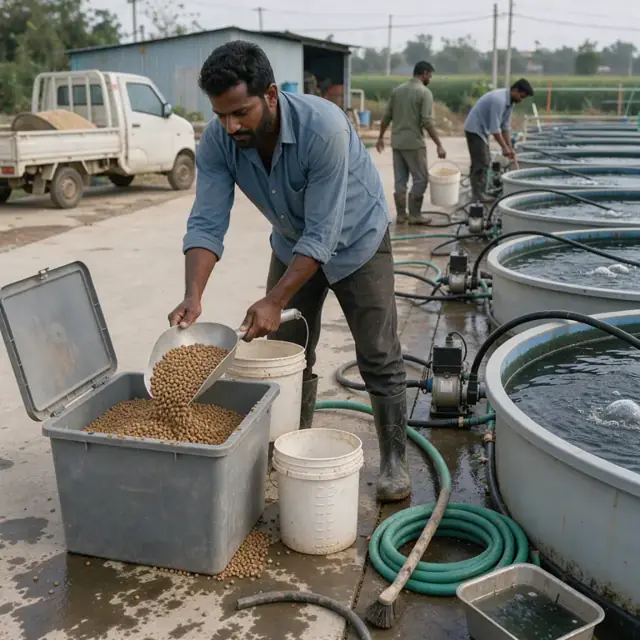
Feed and Biomass Planner
Convert current biomass estimates into daily feed rations and reorder quantities.
Works in: Ambitious Sheets, Ambitious Tasks, Process Optimizer · Workflows: Feed ordering and biomass tracking
Automates
- Updates biomass from length-weight samples
- Calculates feed amounts by tank and life stage
- Compares usage against inventory and drafts supplier orders
- Tracks feed conversion and waste metrics
Stops for a person
- The farm manager places and approves every feed purchase
- Any change in feed type or medication must be confirmed by the veterinarian
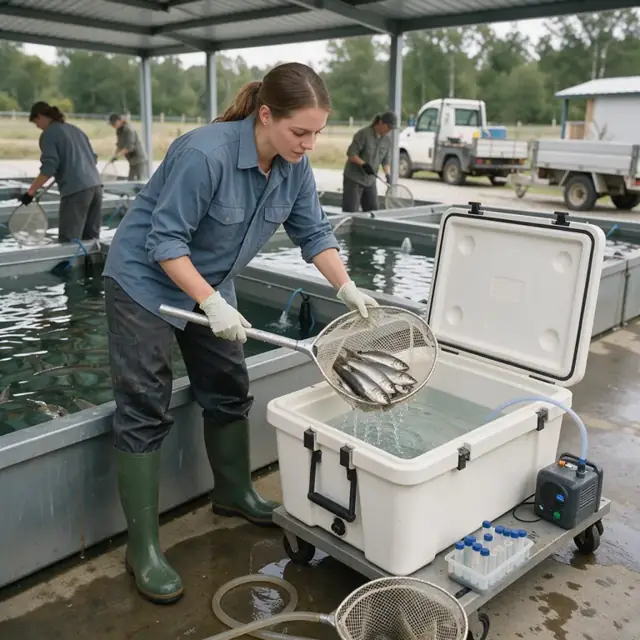
Fish Health Coordinator
Generate sampling plans, prepare lab paperwork and track all health and disease records.
Works in: Ambitious Tasks, Ambitious Docs, Ambitious Sheets · Workflows: Fish health sampling and veterinary coordination
Automates
- Randomizes fish to be sampled from each population
- Creates chain-of-custody and shipping documents
- Logs clinical signs and mortality events
- Prepares summary reports for the veterinarian
Stops for a person
- A licensed veterinarian reviews all diagnostic results and prescribes treatments
- The farm manager confirms quarantine or treatment decisions

Harvest and Transport Dispatcher
Plan harvest dates, prepare transport orders and compile all required health and shipping documents.
Works in: Ambitious Tasks, Ambitious Docs, Contract Analyzer · Workflows: Harvest and live transport planning
Automates
- Selects populations ready for market by size and health status
- Calculates transport density and oxygen requirements
- Drafts routes, loading schedules and customer confirmations
- Assembles health certificates and bills of lading
Stops for a person
- The farm manager approves every harvest and sale
- A person physically verifies fish condition before loading
- All shipping documents are signed by authorized staff

Equipment and Asset Maintainer
Track all pumps, aerators, nets and probes and schedule their preventive maintenance.
Works in: Ambitious Sheets, Ambitious Tasks, Ambitious Docs · Workflows: Equipment and asset maintenance
Automates
- Maintains equipment register by location and service interval
- Generates weekly maintenance task lists
- Tracks calibration due dates for probes and meters
- Calculates spare parts reorder points
Stops for a person
- Technicians perform all repairs and calibrations
- The farm manager approves capital purchases for new or replacement equipment

Compliance and Reporting Clerk
Compile water, discharge and health data into regulatory templates and track all permit renewals.
Works in: Ambitious Docs, Ambitious Sheets, Ambitious Tasks · Workflows: Regulatory sampling and reporting
Automates
- Pulls required data from monitoring and health logs
- Populates state and federal report forms
- Flags upcoming permit, drug and discharge renewal dates
- Maintains organized digital archive of submitted documents
Stops for a person
- The farm manager reviews and signs every report before submission
- People confirm that all regulatory requirements have been met
Workflows
Daily water quality monitoring and alerts
Starts when: Scheduled sensor readings every four hours and any manual test entry
- Pull latest sensor data for each tank, raceway and pond
- Compare readings against species-specific thresholds for oxygen, ammonia, pH and temperature
- Flag any parameter outside target range and calculate required adjustment
- Draft alert message with exact values and suggested corrective action
- Log the event and any treatment applied
Watch for: Low dissolved oxygen or high ammonia can kill stock within hours; Different life stages require different parameter tolerances
Breeding and hatching schedule
Starts when: Start of each production cycle or when new broodstock arrives
- Review broodstock inventory and maturity stage
- Build calendar for induced spawning, egg incubation and larval rearing
- Assign tanks and set temperature and lighting profiles
- Generate daily checklist of feeding, water exchange and grading tasks
- Track hatch rates and culls for each batch
Watch for: Photoperiod and temperature must be controlled precisely to trigger spawning; Larval stages need separate systems with finer mesh screens and enriched feeds
Feed ordering and biomass tracking
Starts when: Weekly and after every grading or sampling event
- Update biomass estimate for each pen or tank using latest length-weight samples
- Calculate daily feed ration by species, life stage and water temperature
- Compare against current inventory and draft purchase order for next feed delivery
- Record feed conversion ratios and uneaten feed observations
- Adjust future projections based on observed growth and mortality
Watch for: Overfeeding rapidly degrades water quality; Feed must be ordered in temperature-stable lots matched to fish size
Fish health sampling and veterinary coordination
Starts when: Monthly, before any transfer or on suspicion of disease
- Generate randomized sampling plan for each population
- Create chain-of-custody forms and shipping labels for lab samples
- Log any observed lesions, behavior changes or mortality spikes
- Draft summary report for the veterinarian
- Schedule follow-up treatments or vaccinations
Watch for: Regulatory agencies require specific testing frequencies and methods; Positive disease results can trigger quarantine of entire site
Harvest and live transport planning
Starts when: When fish reach market size or when customer order is confirmed
- Select pens or tanks ready for harvest based on size distribution
- Calculate required transport volume, oxygen and temperature needs
- Draft loading schedule, route and emergency contacts
- Prepare health certificates and bills of lading
- Log post-harvest survival and water quality during transit
Watch for: Fish must be fasted prior to transport; Permits and health certificates must be current before leaving the farm
Equipment and asset maintenance
Starts when: Weekly and before seasonal transitions
- List all pumps, aerators, nets, graders and backup generators by location
- Create preventive maintenance tasks with due dates
- Track calibration of water-quality probes and dissolved-oxygen meters
- Draft parts reorder list when inventory drops below reorder point
- Record downtime and impact on fish populations
Watch for: Backup power and redundant aerators are required by most permits; Fouled equipment can spread pathogens between systems
Regulatory sampling and reporting
Starts when: Monthly, quarterly and on renewal dates
- Compile water discharge, benthic and fish-health data from logs
- Populate required state and federal reporting templates
- Track expiration of aquaculture permits, drug approvals and discharge permits
- Draft renewal applications with supporting documentation
- Maintain digital archive of all signed reports
Watch for: Different agencies require reports on different schedules and formats; All discharge and medication records must be available for unannounced inspections
Bot templates for this industry
- Finfish Farming and Fish Hatcheries (7 bots)
Source: U.S. Small Business Administration, Office of Size Standards, Table of Small Business Size Standards Matched to North American Industry Classification System Codes, version March 2023 (effective 2023-03-17, NAICS 2022). Size standards are shown for reference only.