

Shellfish Farming
Shellfish farms grow oysters, clams, mussels and scallops in leased coastal waters using bags, trays, longlines or bottom culture. Operators manage seed purchases, site permits, seasonal planting and harvesting cycles driven by tides and water temperature, track growth to market size, maintain gear inventory, schedule vessels and crews, coordinate with buyers or direct-to-market sales, and handle food-safety logs, depuration records and lease compliance paperwork.
What makes this business different
- Tide, weather and water-quality windows that dictate when crews can work on leases
- Multi-year crop cycles with staggered plantings and harvests by species and size
- Seed and spat purchases timed to seasonal hatchery availability and nursery stages
- Gear and equipment maintenance: bags, cages, longlines, buoys and vessels
- State and local leases, permits, water-quality certifications and harvest tags
- Food-safety and traceability records including water sampling, Vibrio plans and temperature logs
- Direct wholesale to restaurants, distributors or on-farm sales with rapid cooling and live transport
- Biosecurity and predator control that must be logged per lease site
Specialist bots

Seed Acquisition Coordinator
Forecast seed needs, place orders with hatcheries and track receipt into nursery systems.
Works in: Ambitious Sheets, Ambitious Tasks, Ambitious Docs · Workflows: Seed and spat purchasing
Automates
- Compares current inventory to planting forecast
- Drafts purchase orders with quantities and delivery windows
- Logs batch numbers and acclimation steps
- Updates traceability sheets
Stops for a person
- The owner approves all seed purchases and supplier choices
- Any deviation from standard survival assumptions is reviewed by the grower

Planting and Grow-out Scheduler
Create crew task lists and gear deployment plans matched to tidal and weather windows.
Works in: Ambitious Tasks, Ambitious Sheets · Workflows: Planting and grow-out scheduling
Automates
- Pulls tide and weather data to identify workable days
- Assigns seed lots to lease sites and gear types
- Generates daily crew checklists
- Logs planting density and dates per site
Stops for a person
- The captain or owner confirms final daily schedule and crew assignments
- Site selection changes due to weather are decided by people

Gear and Vessel Maintenance Manager
Track all gear inventory, schedule maintenance and forecast replacement needs.
Works in: Ambitious Sheets, Ambitious Tasks, Process Optimizer · Workflows: Gear and vessel maintenance
Automates
- Maintains inventory of bags, cages, lines and buoys
- Creates weekly cleaning and repair task lists
- Schedules vessel service and safety checks
- Forecasts gear purchases for next cycles
Stops for a person
- The owner approves all repair expenditures and new gear orders
- Vessel captains review and sign off on maintenance logs
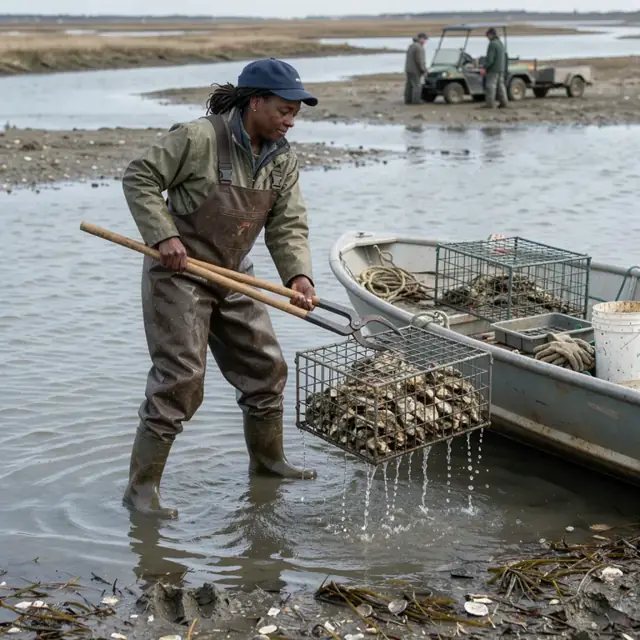
Harvest Operations Planner
Select ready shellfish areas, schedule harvests and generate tags and transport plans.
Works in: Ambitious Tasks, Ambitious Docs · Workflows: Harvest and post-harvest handling
Automates
- Matches market size data to lease areas
- Builds daily harvest schedule and crew assignments
- Generates required harvest tags with lease and lot data
- Creates cooling and delivery routes
Stops for a person
- The owner or captain verifies harvest area classification before any harvest begins
- A person reviews and attaches all tags to sacks before leaving the site
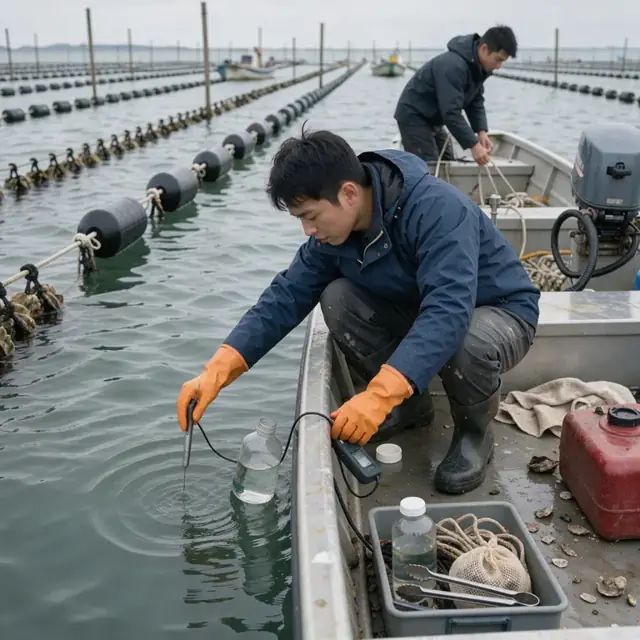
Water Quality and Safety Clerk
Maintain sampling schedules, record test results and prepare food-safety and traceability documents.
Works in: Ambitious Sheets, Ambitious Tasks, Ambitious Docs · Workflows: Water quality and food safety monitoring
Automates
- Generates weekly sampling task lists and locations
- Logs temperature, salinity and lab results
- Prepares harvest tags and chain-of-custody records
- Flags out-of-range results for review
Stops for a person
- The owner confirms sampling locations and responds to any flagged results
- All regulatory reports and corrective actions are reviewed and submitted by people
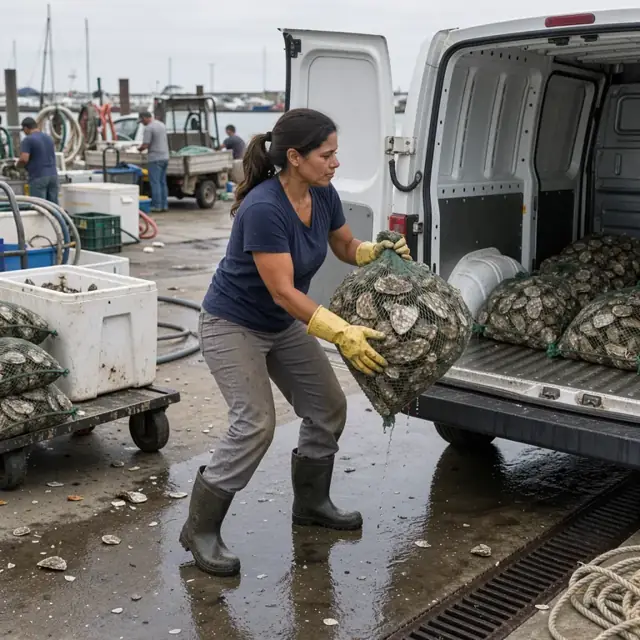
Sales and Buyer Coordinator
Convert buyer orders into harvest tasks, packing lists and delivery instructions.
Works in: Ambitious Tasks, Ambitious Docs, Email Buckets · Workflows: Sales order and buyer coordination
Automates
- Checks order against current inventory and open windows
- Drafts packing lists, tags and invoices
- Schedules harvest and delivery timing
- Tracks order status and buyer confirmations
Stops for a person
- The owner approves pricing, credit terms and final delivery commitments
- A person confirms product quality and temperature before loading

Permit and Compliance Clerk
Track all lease, permit and reporting deadlines and organize required regulatory paperwork.
Works in: Ambitious Docs, Ambitious Sheets, Ambitious Tasks · Workflows: Lease, permit and regulatory paperwork
Automates
- Maintains calendar of renewal and reporting dates
- Drafts lease and permit renewal forms with current data
- Compiles monthly production reports
- Organizes inspection records and biosecurity logs
Stops for a person
- The owner reviews and signs all applications and reports before submission
- People confirm accuracy of maps, coordinates and production figures
Workflows
Seed and spat purchasing
Starts when: End of previous nursery cycle or quarterly by species
- Review current inventory of seed by size and species against planting forecast
- Draft purchase orders for hatchery or nursery suppliers based on expected survival rates
- Schedule delivery or pickup dates to match tidal planting windows
- Record receipt, acclimation and nursery placement
- Update inventory sheets with batch numbers for traceability
Watch for: Seed must arrive during specific temperature and salinity windows; Survival rates vary by supplier and require historical tracking
Planting and grow-out scheduling
Starts when: Optimal tidal and water-temperature windows
- Check weather, tide charts and water-quality reports for safe working days
- Assign seed to specific lease sites and gear types using the construction-scheduler
- Create daily task lists for crews including site access and gear deployment
- Log planting density, date and batch for each bag or longline
- Flag sites needing predator netting or anti-fouling treatment
Watch for: Work limited to low-tide windows that shift daily; Gear placement must match lease coordinates and depth restrictions
Gear and vessel maintenance
Starts when: Weekly and after each harvest cycle
- Generate checklist of bags, cages, lines and buoys needing cleaning, repair or replacement
- Track inventory of replacement gear and materials
- Schedule vessel haul-outs, engine service and safety inspections
- Record maintenance completed per lease site and equipment ID
- Forecast gear needs for upcoming planting cycles
Watch for: Biofouling and storm damage require rapid response; Vessel and gear must meet USCG and state commercial fishing requirements
Harvest and post-harvest handling
Starts when: When shellfish reach market size and during approved harvest windows
- Use growth data and sampling to select ready lease areas
- Build daily harvest schedule by site, species, volume and buyer
- Generate tags with harvest date, lease number, species and quantity
- Create cooling and transport plan to maintain live product temperature
- Log chain-of-custody from lease to buyer
Watch for: Harvest only permitted during approved classification periods and Vibrio control windows; Rapid cooling required to meet NSSP temperature rules
Water quality and food safety monitoring
Starts when: Weekly sampling schedule and before every harvest
- Generate sampling schedule and site locations based on lease map
- Record water temperature, salinity and bacterial test results in sheets
- Flag any exceedances and trigger closure protocols
- Prepare harvest tags and depuration records for each lot
- Maintain running log of Vibrio and marine biotoxin plans
Watch for: Testing frequency increases during warm months; All records must be available for state inspectors on demand
Sales order and buyer coordination
Starts when: Incoming order from restaurant, distributor or direct customer
- Capture requested species, size, quantity and delivery date
- Check against current harvestable inventory and open windows
- Draft packing list, tags and invoice
- Schedule crew pickup time and route to buyer or cooler
- Record delivery confirmation and payment status
Watch for: Live product must move quickly with temperature control; Buyers often require specific size grades and sack counts
Lease, permit and regulatory paperwork
Starts when: Monthly, on renewal dates and before planting or harvest
- Track expiration dates for leases, aquaculture permits, business licenses and vessel registrations
- Draft renewal applications and supporting maps or reports
- Compile monthly production and harvest reports required by state agencies
- Maintain site-specific biosecurity and predator control logs
- Organize records for annual inspections
Watch for: Multiple overlapping state, federal and local jurisdictions apply; Lease coordinates and boundaries must be verified with GPS
Bot templates for this industry
- Shellfish Farming (7 bots)
Source: U.S. Small Business Administration, Office of Size Standards, Table of Small Business Size Standards Matched to North American Industry Classification System Codes, version March 2023 (effective 2023-03-17, NAICS 2022). Size standards are shown for reference only.