

Other Aquaculture
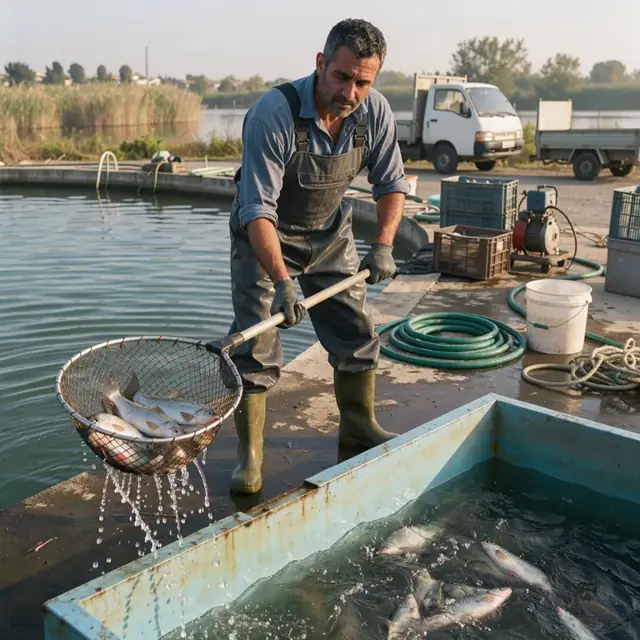
Other Aquaculture farms raise fish, shellfish, or aquatic plants in ponds, tanks, or recirculating systems for food, bait, or ornamental markets. For an operation that hatches, grows, harvests, and ships live fish or shrimp on a weekly or seasonal schedule, the specialists turn customer orders into harvest plans, convert plans into feed and water-quality schedules, track inventory of fingerlings and equipment, and prepare shipping manifests and health certificates. Water chemistry, disease monitoring, and regulatory permits remain with the farm manager.
What makes this business different
- Live animals or plants with strict water-quality, temperature, and dissolved-oxygen requirements that must be maintained 24/7
- Seasonal production cycles: spawning, nursery, grow-out, and harvest windows dictated by species and market demand
- Batch or continuous stocking with tracking of age cohorts, densities, and mortality
- Perishable feed, chemicals, and probiotics purchased on schedule with inventory par levels and waste logs
- Harvest, packing, and shipping of live product with temperature-controlled transport and arrival-time windows
- State aquaculture permits, veterinary health certificates, import/export documentation, and water-discharge records
- Repeat wholesale and hobbyist customers who reorder specific sizes or quantities and expect consistent quality
Specialist bots

Order Taker
Turn every customer request for live aquatic stock into a confirmed order linked to harvest and health requirements.
Works in: Ambitious Tasks, Ambitious Docs, Email Buckets · Workflows: Order intake and confirmation
Automates
- Reads incoming order messages and forms
- Captures species, size, quantity, delivery date and water specs
- Checks against current inventory and harvest calendar
- Drafts the confirmation and required certificate list
- Creates the linked harvest task
Stops for a person
- The farm manager approves any off-cycle or large-volume requests
- Health-certificate language is reviewed by the manager before sending
- A person sends confirmations and handles payment
Harvest Planner
Convert weekly orders into a timed harvest, grading and packing schedule.
Works in: Ambitious Tasks, Process Optimizer, Ambitious Docs · Workflows: Harvest and packing schedule
Automates
- Groups orders by species, size grade and destination
- Builds the hour-by-hour harvest and packing sequence
- Flags special oxygenation or temperature needs
- Generates packing lists and labels
Stops for a person
- The manager adjusts the sequence based on weather or tank conditions
- Final labels and counts are verified by a person before packing

Water Quality Technician
Monitor sensor data, calculate daily feed rations and log adjustments to keep culture water in safe ranges.
Works in: Ambitious Sheets, Ambitious Tasks, Process Optimizer · Workflows: Daily water quality and feeding
Automates
- Pulls and compares sensor readings against thresholds
- Calculates feed amounts by biomass and temperature
- Drafts treatment and follow-up tasks
- Updates feed and chemical inventory
Stops for a person
- The manager reviews and approves any chemical additions
- Critical deviations trigger an immediate manager alert

Inventory Manager
Track animal cohorts, feed stocks, chemicals and equipment to maintain accurate counts and reorder points.
Works in: Ambitious Sheets, Ambitious Tasks, Ambitious Docs · Workflows: Fingerling, feed and equipment inventory
Automates
- Records stocking, mortality and harvest removals
- Explodes harvest plans into feed and supply needs
- Drafts reorder lists by supplier
- Maintains equipment maintenance and calibration logs
Stops for a person
- The owner places all purchases and approves inventory adjustments
- Mortality events above threshold are reviewed by the manager

Shipping Coordinator
Prepare shipping manifests, health certificates and carrier instructions for live aquatic shipments.
Works in: Ambitious Docs, Ambitious Tasks, Contract Analyzer · Workflows: Shipping and transport coordination
Automates
- Groups shipments by destination and cutoff
- Drafts manifests and temperature instructions
- Pulls and populates health certificate templates
- Prepares 'on the way' notifications
Stops for a person
- The manager signs and stamps all health certificates
- A person approves every outbound message and document

Compliance Clerk
Maintain permit calendars, generate harvest checklists and organize records required for audits and health certificates.
Works in: Ambitious Tasks, Ambitious Docs, Ambitious Sheets · Workflows: Permit, health and regulatory paperwork
Automates
- Generates daily harvest and water-test checklists
- Tracks renewal dates for licenses and permits
- Populates batch traceability records
- Flags upcoming reporting deadlines
Stops for a person
- The farm manager confirms which regulations apply to each shipment
- People review, sign and file all official documents
- The bot never certifies compliance

Customer Host
Thank customers after delivery, gather feedback and prompt reorders of preferred sizes and species.
Works in: Email Buckets, Ambitious Tasks, Ambitious Docs · Workflows: Customer follow-up and reordering
Automates
- Drafts post-delivery thank-yous and feedback requests
- Remembers customer size and species preferences
- Drafts seasonal availability notices
Stops for a person
- The owner approves every message before sending
- Quality or health concerns are escalated to the manager immediately
Workflows
Order intake and confirmation
Starts when: A customer submits an order by form, email or portal for live product by size, quantity and delivery date
- Capture species, size grade, quantity, delivery window and any special handling notes
- Check availability against current inventory and upcoming harvest schedule
- Confirm water-quality parameters match the customer's requirements
- Draft the order confirmation and health-certificate requirements
- Create a harvest task linked to the specific cohort
Watch for: Live-product orders must match exact size and health status; Orders placed after the weekly cutoff move to the next available harvest
Harvest and packing schedule
Starts when: Weekly cutoff or seasonal harvest window
- Lock the order list for the harvest day
- Group orders by species, size and destination
- Build a timed harvest plan: netting, grading, holding, packing and loading
- Flag orders requiring separate oxygenation or temperature settings
- Generate packing lists and labels with species, count, origin and handling instructions
Watch for: Tank capacity and oxygenation equipment limit the number of animals harvested at once; Stress minimization requires precise timing between netting and packing
Daily water quality and feeding
Starts when: Daily at set times and after any weather or feed event
- Pull current sensor readings for dissolved oxygen, pH, temperature and ammonia
- Compare readings to species-specific thresholds and flag deviations
- Calculate and draft the daily feed ration by cohort and biomass
- Log treatments or adjustments and schedule follow-up checks
- Update inventory of feed, probiotics and testing reagents
Watch for: Parameters must stay within narrow ranges to prevent mortality events; Feeding rates change with water temperature and animal growth stage
Fingerling, feed and equipment inventory
Starts when: After each stocking, harvest and weekly
- Record new fingerling receipts, mortalities and harvest removals by cohort
- Explode harvest plan into feed requirements and subtract from on-hand stock
- Draft reorder lists for feed, salt, chemicals and packing supplies
- Track equipment such as nets, aerators, graders and transport tanks
- Maintain mortality and growth records for each batch
Watch for: Live animals cannot be overstocked; densities must stay below regulatory and biological limits; Feed must be rotated by manufacture date to prevent spoilage
Shipping and transport coordination
Starts when: Morning of each shipping day
- Group shipments by destination and carrier cutoff
- Draft routes and temperature-controlled carrier instructions
- Prepare shipping manifests, health certificates and chain-of-custody forms
- Draft 'on the way' and 'arrived' notifications for approval
- Record delivery confirmation and any transit issues
Watch for: Live animals must arrive within safe time and temperature windows; Certain states require specific veterinary inspection timing
Permit, health and regulatory paperwork
Starts when: Before each harvest, on renewal dates and after inspections
- Generate the harvest-day checklist: water tests, mortality logs, grading photos
- Draft veterinary health certificates and import permits
- Track aquaculture license, discharge permit and insurance renewal dates
- Maintain batch records required for traceability audits
Watch for: Rules vary by federal, state and importing jurisdiction; The farm manager confirms which documents are needed for each shipment
Customer follow-up and reordering
Starts when: Day after delivery and on seasonal cadence
- Draft thank-you and quality-feedback request
- Remind repeat buyers when next size or seasonal stock will be ready
- Track preferred sizes, quantities and water parameters for each customer
- Draft seasonal availability and promotion notices
Watch for: Never send offers or documents without owner approval; Quality complaints must be reviewed by the farm manager immediately
Bot templates for this industry
- Other Aquaculture (7 bots)
Source: U.S. Small Business Administration, Office of Size Standards, Table of Small Business Size Standards Matched to North American Industry Classification System Codes, version March 2023 (effective 2023-03-17, NAICS 2022). Size standards are shown for reference only.