

Apiculture
Beekeepers manage hives for honey production, pollination services and queen rearing. They inspect colonies on a seasonal schedule, extract and package honey in batches, move hives to crop fields for pollination contracts, track disease and varroa treatments, maintain equipment and records for permits and food-safety audits, and sell to repeat wholesale and retail customers.
What makes this business different
- Seasonal colony inspections and splits that must follow local bloom and weather windows
- Pollination contracts with strict timing, hive strength minimums and movement permits
- Varroa mite and disease monitoring with treatment logs that must be kept for regulators
- Batch honey extraction, filtering, moisture testing and labeling for retail or wholesale sale
- Hive equipment inventory including frames, boxes, smokers, extractors and protective gear
- Food safety and organic certification records, including hive location maps and harvest dates
- Repeat customers for honey, beeswax, nucs, queens and pollination services
Specialist bots

Colony Inspection Coordinator
Turn every yard visit into structured health records, mite counts and follow-up tasks.
Works in: Ambitious Tasks, Ambitious Sheets, Ambitious Docs · Workflows: Colony inspection and health monitoring
Automates
- Generates the daily inspection checklist by yard
- Organizes frame notes and varroa sample results
- Flags colonies needing treatment or requeening
- Updates the yard status map
Stops for a person
- The beekeeper confirms queen status and decides treatments
- A person performs all physical hive inspections and sampling
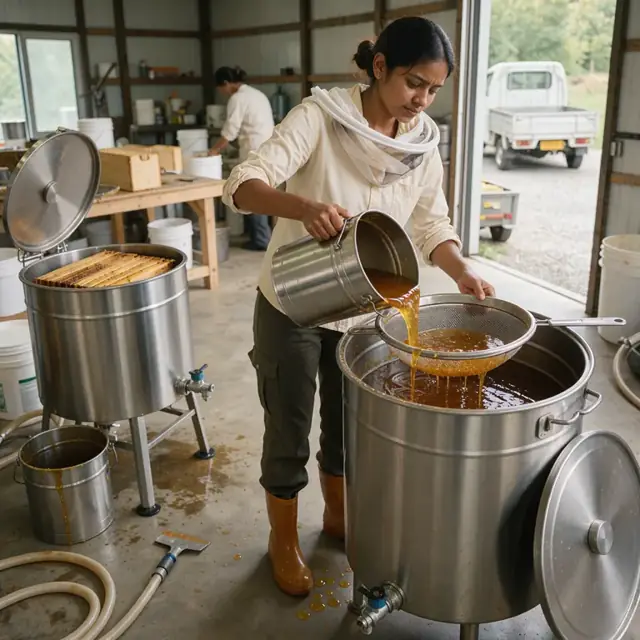
Honey Harvest and Processing Scheduler
Convert capped supers into an extraction batch plan, moisture tests and labeled inventory.
Works in: Ambitious Tasks, Ambitious Sheets, Process Optimizer · Workflows: Honey harvest and processing
Automates
- Builds the extraction day schedule by yard
- Logs moisture readings and flags batches
- Generates lot-numbered labels with harvest dates
- Tracks finished inventory by container size
Stops for a person
- The beekeeper approves which supers to pull and final moisture results
- A person performs the actual extraction and filtering
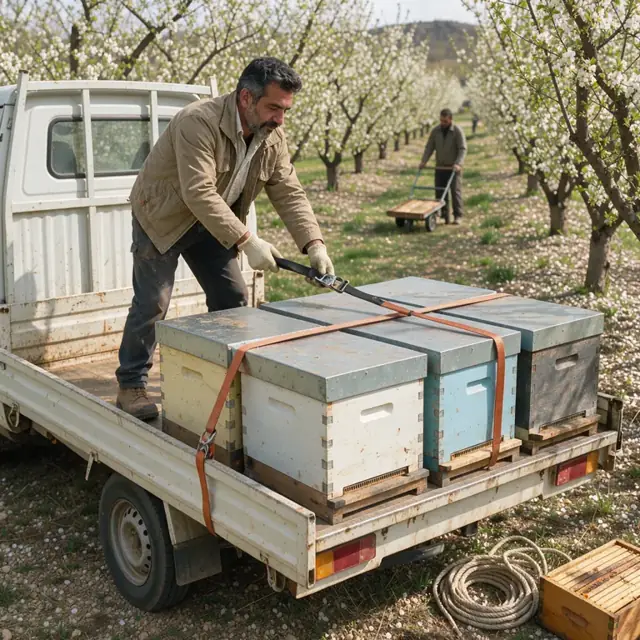
Pollination Contract Manager
Turn grower requests into signed pollination contracts and movement schedules.
Works in: Ambitious Docs, Contract Analyzer, Ambitious Tasks · Workflows: Pollination contract intake and scheduling
Automates
- Populates contract templates with crop and date details
- Checks colony inventory against contract requirements
- Drafts placement and pickup dates
- Tracks permit needs for hive transport
Stops for a person
- The beekeeper reviews and signs every contract
- A person verifies hive strength before loading for pollination

Equipment and Inventory Steward
Maintain accurate counts of hive components, tools and consumables across all yards.
Works in: Ambitious Sheets, Ambitious Tasks, Ambitious Docs · Workflows: Beekeeping equipment and inventory management
Automates
- Tracks boxes, frames and foundations by location
- Creates repair and reorder lists
- Schedules wax rendering and equipment rotation
- Updates asset locations after seasonal moves
Stops for a person
- The beekeeper approves all purchases and major repairs
- A person physically inspects and repairs woodenware

Queen Rearing and Nuc Planner
Build and track the seasonal queen grafting and nuc production schedule from demand forecasts.
Works in: Ambitious Tasks, Ambitious Sheets, Process Optimizer · Workflows: Queen rearing and nuc production
Automates
- Forecasts queen and nuc demand from past orders
- Creates the grafting and mating calendar
- Tracks performance notes for each queen line
- Prepares shipping labels for live shipments
Stops for a person
- The beekeeper selects genetic lines and performs grafting
- A person inspects and confirms quality of finished queens and nucs

Sales Order and Fulfillment Coordinator
Convert customer orders for honey, wax, queens or nucs into packed, labeled and scheduled shipments.
Works in: Ambitious Tasks, Ambitious Docs, Email Buckets · Workflows: Sales order and customer fulfillment
Automates
- Captures order details and checks inventory
- Generates lot-specific labels and invoices
- Schedules pickup or shipping windows
- Records customer preferences for future orders
Stops for a person
- The beekeeper approves pricing and special requests
- A person packs and ships all live bees and honey products

Regulatory Compliance Clerk
Organize all inspection, treatment, harvest and movement records for regulatory review.
Works in: Ambitious Docs, Ambitious Sheets, Ambitious Tasks · Workflows: Regulatory and food-safety recordkeeping
Automates
- Compiles mite counts and treatment logs
- Builds seasonal hive location reports
- Tracks permit and certification renewal dates
- Assembles annual summary packets
Stops for a person
- The beekeeper confirms accuracy of all records before submission
- People handle all inspections and sign official documents
- The bot never certifies compliance
Workflows
Colony inspection and health monitoring
Starts when: Weekly during active season or before scheduled hive moves
- Pull the inspection checklist for each apiary yard
- Record frame-by-frame notes on brood, honey stores, queen presence and temperament
- Sample for varroa mite counts and flag colonies needing treatment
- Draft treatment or feeding plan and schedule follow-up
- Update the master yard map with current colony status
Watch for: Treatments must match exact timing windows and local regulations; Queenless or weak colonies need immediate splits or requeening
Honey harvest and processing
Starts when: When supers are capped and nectar flow ends
- Select supers ready for extraction by yard and hive
- Create a batch extraction schedule with equipment cleaning steps
- Test moisture content of each batch
- Filter, settle and fill containers with lot numbers and harvest dates
- Generate labels and move inventory into storage
Watch for: Moisture must stay below legal thresholds to prevent fermentation; All equipment must be food-grade and cleaned between uses
Pollination contract intake and scheduling
Starts when: Grower request or annual renewal period
- Capture crop type, acreage, required hive strength and exact placement dates
- Check against current colony inventory and available transport dates
- Draft contract with strength guarantees, payment terms and liability clauses
- Schedule hive movement and obtain any required transport permits
- Create tasks for pre-move inspection and post-placement follow-up
Watch for: Hive strength must be verified by a person before loading; Movement dates are dictated by crop bloom windows
Beekeeping equipment and inventory management
Starts when: End of each season and before major operations
- Inventory boxes, frames, foundations and tools by yard
- Flag damaged or missing items and draft repair or purchase lists
- Schedule wax rendering, frame replacement and smoker maintenance
- Track protective clothing and extractor condition
- Update asset locations after moves
Watch for: Frames must be rotated or replaced on a multi-year cycle to control disease; Wax recycling must be documented for organic certification
Queen rearing and nuc production
Starts when: Spring and early summer planning window
- Forecast demand for queens and nucs from past sales and waitlists
- Build a grafting and mating nuc schedule based on colony strength
- Track cell builders, mating nucs and introduction dates
- Record laying patterns and performance for each queen line
- Prepare shipping boxes and labels for nuc and queen orders
Watch for: Genetic lines and grafting dates must stay with the beekeeper; Nucs must meet minimum frame and bee counts before sale
Sales order and customer fulfillment
Starts when: Customer order for honey, wax, queens or nucs
- Capture product, quantity, packaging and delivery or pickup preference
- Check against current inventory and harvest or rearing schedule
- Draft invoice and label requirements
- Schedule pickup, delivery or shipping
- Record feedback and repeat purchase notes
Watch for: Honey lot numbers must be traceable to specific hives and dates; Live bees require temperature-controlled shipping windows
Regulatory and food-safety recordkeeping
Starts when: After each inspection, treatment, harvest or on renewal dates
- Compile inspection notes, mite counts and treatment records
- Log hive locations for the season and generate movement reports
- Create harvest batch records with moisture tests and fill dates
- Track permit, license and organic certification renewal deadlines
- Assemble annual summary reports for regulators
Watch for: Exact hive location histories are required by many states; All records must be kept in a format inspectors can review
Bot templates for this industry
- Apiculture (7 bots)
Source: U.S. Small Business Administration, Office of Size Standards, Table of Small Business Size Standards Matched to North American Industry Classification System Codes, version March 2023 (effective 2023-03-17, NAICS 2022). Size standards are shown for reference only.