

Horses and Other Equine Production
Equine operations breed, raise, train and board horses for sport, recreation, therapy and work. Daily care, seasonal breeding cycles, training progress, show schedules, health documentation and client coordination are managed by specialists that turn veterinary notes into care tasks, breeding records into foaling calendars, training logs into sales listings, show entries into travel plans, and client requests into confirmed bookings. All medical decisions, sales contracts, veterinary filings and regulatory submissions stay with the owner or licensed veterinarian.
What makes this business different
- Daily feeding, turnout, stall cleaning, grooming and hoof care for each horse with individualized diets, medications and turnout groups
- Seasonal breeding cycles with teasing, ultrasound monitoring, artificial insemination or live cover, gestation tracking and 24-hour foaling watch
- Health records including vaccinations, deworming schedules, Coggins tests, health certificates, prescriptions and veterinary treatment logs
- Training and exercise schedules that vary by horse age, discipline (dressage, jumping, western, trail), condition and client-owned versus farm-owned status
- Show, sale, competition and clinic entries with strict deadlines, entry forms, release waivers, membership numbers, travel arrangements and equipment checklists
- Pasture, barn and arena maintenance including fence repair, footing management, hay, bedding, grain and supplement inventory with seasonal adjustments
- Client, boarder, trainer and buyer communications for lessons, training updates, breeding contracts, sales listings and monthly billing
- State-specific regulatory requirements for equine health certificates, transport documentation, event participation and import or export paperwork
Specialist bots
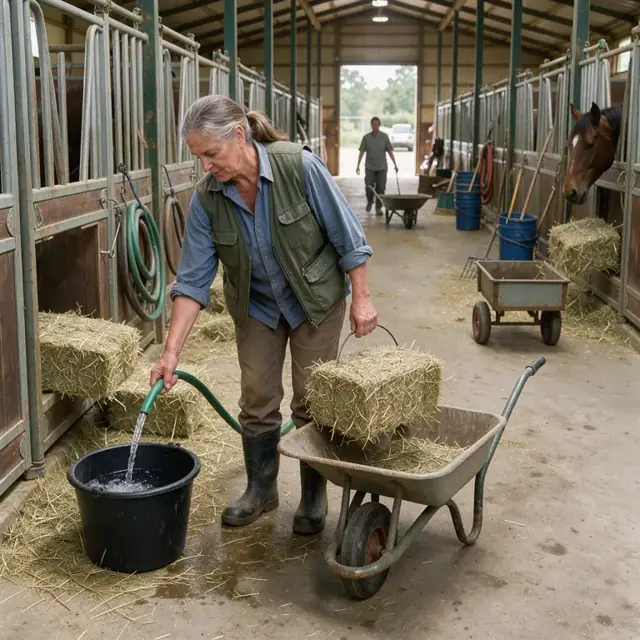
Daily Care Coordinator
Turn each horse's individual needs into a daily schedule of feeding, turnout, cleaning and observation tasks.
Works in: Ambitious Tasks, Ambitious Sheets, Process Optimizer · Workflows: Daily horse care and feeding
Automates
- Generates per-horse feeding, supplement and medication lists
- Creates stall cleaning, turnout and grooming task assignments
- Logs daily observations and flags potential health issues
- Maintains medication and treatment administration records
Stops for a person
- Barn manager reviews and adjusts turnout groups for safety
- Staff confirm task completion and report any health concerns
- Veterinarian approves any changes to medications or diets
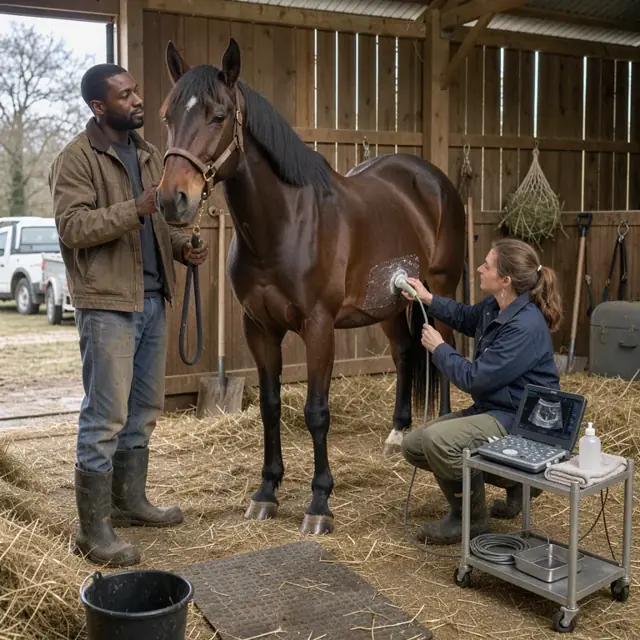
Breeding and Foaling Manager
Maintain breeding calendars, track mare cycles and prepare foaling watch schedules and alerts.
Works in: Ambitious Tasks, Ambitious Sheets, Ambitious Docs · Workflows: Breeding and foaling management
Automates
- Builds teasing, ultrasound, breeding and gestation timelines
- Calculates expected foaling dates and creates watch rotations
- Generates foaling kit checklists and emergency contact lists
- Drafts breeding contract and deposit reminder templates
Stops for a person
- Veterinarian confirms all breeding, ultrasound and insemination decisions
- Owner approves breeding contracts, stud fees and foaling staffing
- Foaling attendants receive final schedule from the owner

Health Records Clerk
Organize veterinary records, schedule preventive care and prepare health certificate requests.
Works in: Ambitious Docs, Ambitious Sheets, Ambitious Tasks · Workflows: Health, vaccination and testing records
Automates
- Logs exam notes, diagnoses and treatment plans
- Schedules vaccinations, deworming, dental and farrier visits
- Prepares Coggins test and health certificate request forms
- Alerts before documents or preventive care expire
Stops for a person
- Veterinarian reviews and signs all health documents and certificates
- Owner confirms which vaccines, tests and treatments are used
- People file official paperwork with laboratories or state agencies

Training Schedule Coordinator
Build weekly training, exercise and lesson calendars matched to each horse's discipline, progress and client needs.
Works in: Ambitious Tasks, Ambitious Sheets, Process Optimizer · Workflows: Training and exercise scheduling
Automates
- Creates ride, training and lesson timetables
- Tracks progress notes, farrier visits and therapy appointments
- Adjusts schedules for weather, arena conditions or veterinary limits
- Coordinates client lesson times and rider assignments
Stops for a person
- Trainers approve or revise each horse's weekly plan
- Owner sets priorities for sales and show prospects
- Riders report back on actual sessions and any issues observed

Show and Event Planner
Compile show and sale entries, assemble travel plans and track all required paperwork and deadlines.
Works in: Ambitious Tasks, Ambitious Docs, Contract Analyzer · Workflows: Show, sale and event entry management
Automates
- Assembles entry forms, waivers, membership data and class selections
- Builds travel, stabling and hauling itineraries with checklists
- Tracks deadlines, health paper requirements and post-event tasks
- Prepares follow-up lists for results, billing and veterinary rechecks
Stops for a person
- Owner or trainer approves every entry, expense and travel plan
- Veterinarian issues and signs all health certificates
- Driver and barn manager confirm hauling and on-site care arrangements

Facility and Feed Inventory Manager
Track hay, bedding, supplements, tack and facility maintenance needs and draft reorder lists.
Works in: Ambitious Sheets, Ambitious Tasks, Process Optimizer · Workflows: Facility, feed and equipment inventory
Automates
- Calculates weekly and seasonal consumption rates
- Generates supplier reorder lists with delivery timing
- Tracks equipment, fence, arena and pasture maintenance items
- Flags seasonal supply changes and storage requirements
Stops for a person
- Owner places and pays for all purchases and orders
- Barn manager verifies actual usage against projections
- Staff report equipment repairs or pasture conditions needing attention

Client and Sales Communicator
Draft progress updates, sales listings, billing summaries and contract templates for review.
Works in: Ambitious Docs, Email Buckets, Contract Analyzer · Workflows: Client, boarder and sales communications
Automates
- Composes training updates, breeding reports and foaling alerts
- Builds horse sales listings with history and media placeholders
- Prepares monthly board, training or breeding invoices
- Organizes client feedback and referral request templates
Stops for a person
- Owner reviews and approves every message, listing and invoice before sending
- Owner or attorney approves all sales contracts and performance claims
- Trainer verifies accuracy of training and competition details
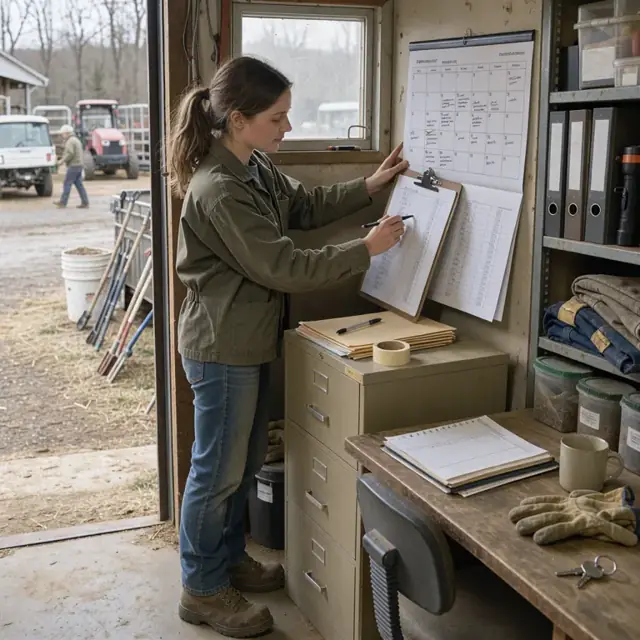
Compliance and Permit Clerk
Track regulatory deadlines, generate health certificate requests and maintain compliance checklists.
Works in: Ambitious Tasks, Ambitious Docs, Ambitious Sheets · Workflows: Regulatory permits, health certificates and compliance paperwork
Automates
- Generates transport, event and health certificate checklists
- Tracks expiration dates for certificates, licenses and insurance
- Prepares draft submission forms for laboratories and agencies
- Maintains biosecurity logs and visitor records
Stops for a person
- The owner and veterinarian confirm which permits, tests and filings apply
- Veterinarian signs all official health certificates
- People submit and file all regulatory paperwork
Workflows
Daily horse care and feeding
Starts when: Start of each day or shift
- Generate individualized feeding list by horse, diet, supplements, medications and turnout group
- Create stall cleaning, turnout, grooming, hoof check and observation tasks
- Log any observed injuries, lameness, behavior changes or feed refusals
- Update medication and supplement administration records
- Flag any horse needing veterinary attention that day for immediate review
Watch for: Horses on restricted diets or medications must be fed separately to prevent cross-contamination; Turnout order and group dynamics affect safety and must be reviewed daily
Breeding and foaling management
Starts when: Start of breeding season, when a mare is booked for breeding or when pregnancy is confirmed
- Track teasing schedule, follicle monitoring and ovulation detection
- Build ultrasound, insemination or live-cover calendar and confirmations
- Generate gestation timeline, due-date alerts and foaling watch rotation
- Create foaling kit checklist, emergency contact list and veterinary notification plan
- Draft breeding contract reminders and deposit tracking
Watch for: Accurate heat detection and ovulation timing is critical to breeding success; Foaling requires 24-hour monitoring in the final weeks with overnight staffing
Health, vaccination and testing records
Starts when: On intake of new horse, after each veterinary visit or on scheduled due dates
- Record veterinary exam notes, diagnoses, prescribed treatments and follow-up instructions
- Schedule and track vaccinations, deworming, dental floats, farrier and chiropractic visits
- Generate Coggins test requests, health certificate drafts and laboratory submissions
- Maintain digital copies of all lab results, prescriptions and prior records
- Alert before any required tests, certificates or vaccinations expire
Watch for: Negative Coggins test is required for almost all transport, events and sales; State and event-specific health papers have short validity windows and must be renewed
Training and exercise scheduling
Starts when: Weekly or when a new horse enters training or a client books lessons
- Build weekly ride, training and lesson calendar by horse, discipline, rider availability and progress goals
- Track progress notes, farrier visits, massage, chiropractic or other therapies
- Flag horses approaching sales readiness, competition fitness or needing rehabilitation protocols
- Coordinate lesson times for client-owned horses and confirm rider assignments
- Adjust schedule for weather, arena conditions, veterinary restrictions or equipment needs
Watch for: Young horses and those in rehabilitation need specific low-impact protocols; Multiple disciplines require different arena setups, tack and trainer certifications
Show, sale and event entry management
Starts when: When an entry deadline approaches, a client requests participation or a sale prospect is identified
- Compile required entry forms, release waivers, membership numbers and class selections
- Draft travel itinerary, stabling requests, hauling arrangements and equipment checklists
- Coordinate veterinary health papers, transport permits and arrival notifications
- Track class schedules, scratch deadlines, results and post-event billing
- Organize follow-up tasks including prize claims, veterinary rechecks and client reports
Watch for: Deadlines are strict and entry fees are often non-refundable; Hauling, overnight stabling, on-site care and biosecurity add complex logistics
Facility, feed and equipment inventory
Starts when: Weekly, before seasonal changes and after large events
- Calculate remaining hay, bedding, grain, supplements and medications
- Create reorder lists by supplier with delivery windows and storage requirements
- Track fence, arena footing, barn maintenance, pasture rotation and reseeding needs
- Inventory tack, blankets, wraps, show equipment and seasonal items such as fly spray or heaters
- Flag any equipment needing repair or replacement before next use
Watch for: Bulk hay and bedding purchases require adequate dry storage planning; Pasture rotation and reseeding follow local weather and soil conditions
Client, boarder and sales communications
Starts when: On a regular cadence, after key events or when requested by client or prospect
- Draft training updates, lesson summaries, breeding progress reports or foaling alerts
- Prepare horse sales listings with history, photos, videos and performance records
- Generate monthly board, training or breeding invoices with supporting logs
- Collect and organize client feedback, referral requests and satisfaction notes
- Draft and organize breeding or sales contract templates for review
Watch for: High-value sales require detailed contracts and independent veterinary pre-purchase exams; All client-facing messages, listings and offers must be reviewed before sending
Regulatory permits, health certificates and compliance paperwork
Starts when: Before transport, events, sales or on fixed renewal dates
- Generate checklists for required health certificates, transport permits and event memberships
- Track expiration dates for facility licenses, veterinarian accreditations and insurance
- Prepare draft health certificate requests and laboratory submission forms
- Log biosecurity protocols and visitor sign-in records for disease prevention
- Maintain current copies of all regulatory filings and event participation proofs
Watch for: Requirements differ by state for interstate transport and event entry; The owner and veterinarian confirm which permits and tests apply in each case
Bot templates for this industry
- Horses and Other Equine Production (8 bots)
Source: U.S. Small Business Administration, Office of Size Standards, Table of Small Business Size Standards Matched to North American Industry Classification System Codes, version March 2023 (effective 2023-03-17, NAICS 2022). Size standards are shown for reference only.