

Fur-Bearing Animal and Rabbit Production
Fur-bearing animal and rabbit producers raise rabbits, mink, foxes, chinchillas and other animals in pens or hutches for pelts, meat, breeding stock and by-products. Operations manage seasonal breeding cycles, daily feeding and health checks, record pedigrees, maintain biosecurity logs, schedule pelting or live sales, track feed and bedding inventory, and handle regulatory paperwork for animal welfare, transport and environmental compliance. The specialists convert breeding and sales orders into colony schedules, turn daily observation notes into health and inventory records, and convert production forecasts into feed orders and harvest plans while the producer retains all animal-handling decisions.
What makes this business different
- Strict seasonal breeding windows tied to daylight length and species-specific gestation periods
- Daily health, mortality and behavior logs with pedigree tracking for each animal
- Biosecurity protocols including quarantine areas, disinfection schedules and visitor logs
- Feed and bedding inventory managed by weight and type with just-in-time bulk purchasing
- Separate record streams for pelt quality grading, meat yield and breeding value
- Transport permits, health certificates and animal-welfare inspection readiness
- Cold storage or freezer scheduling for pelts after harvest
- Repeat buyers for breeding stock and seasonal pelt auctions
Specialist bots
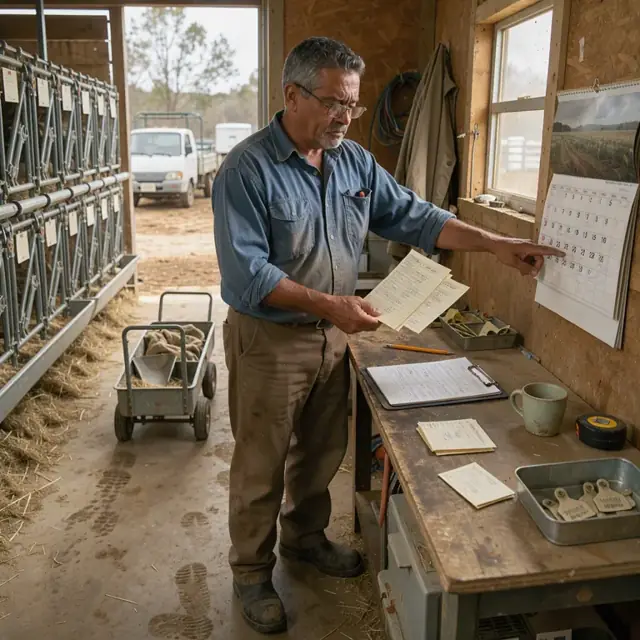
Breeding Cycle Planner
Convert seasonal windows, pedigree goals and customer orders into precise mating and kindling schedules.
Works in: Ambitious Tasks, Ambitious Sheets, Process Optimizer · Workflows: Breeding cycle planning
Automates
- Reviews pedigree and genetic records
- Assigns mating pairs and dates
- Calculates expected kindling and weaning timelines
- Generates daily breeding task lists
Stops for a person
- The producer selects which animals to breed and approves pairings
- Any changes to breeding goals are decided by the owner

Daily Husbandry Logger
Capture and organize daily health, feeding and behavior observations across the colony.
Works in: Ambitious Tasks, Ambitious Sheets, Ambitious Docs · Workflows: Daily health and husbandry logging
Automates
- Pulls the morning observation checklist
- Structures notes into standardized records
- Flags animals needing follow-up
- Produces a daily summary dashboard
Stops for a person
- The producer reviews and signs off on all health flags
- Veterinary decisions are made only by the owner or licensed veterinarian
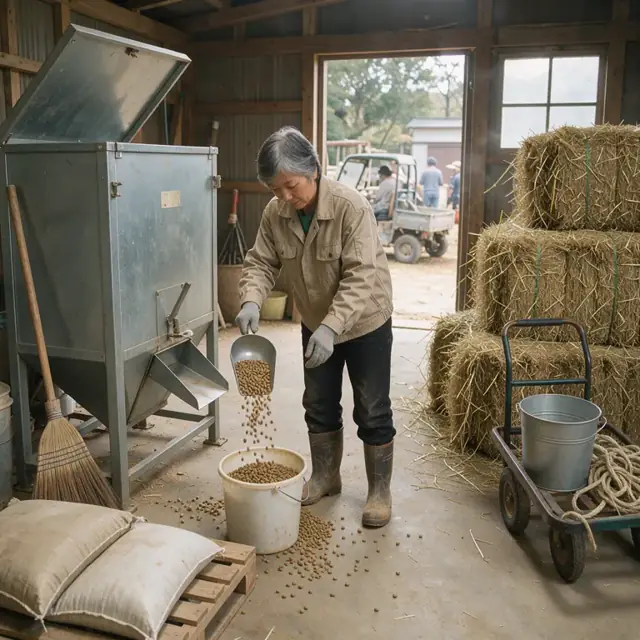
Feed and Bedding Manager
Forecast feed and bedding needs from colony size and generate timely purchase lists.
Works in: Ambitious Sheets, Ambitious Tasks · Workflows: Feed and bedding purchasing
Automates
- Calculates daily and weekly requirements by animal class
- Tracks current stock levels
- Drafts reorder lists by supplier
- Monitors for spoilage and rotation
Stops for a person
- The owner places and approves all purchases
- Any feed formulation changes are decided by the producer
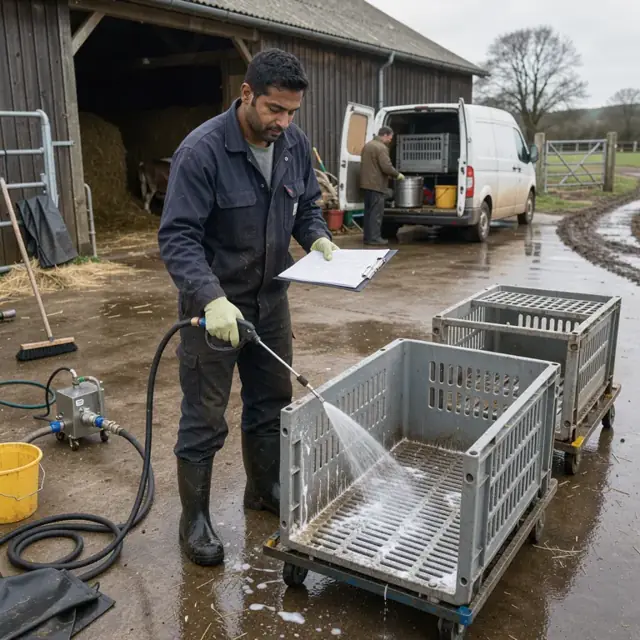
Health and Compliance Clerk
Maintain welfare checklists, treatment logs and regulatory permit calendars.
Works in: Ambitious Tasks, Ambitious Docs, Ambitious Sheets · Workflows: Health, welfare and permit tracking
Automates
- Generates daily welfare and sanitation checklists
- Logs treatments and test results
- Tracks expiration dates for permits and certificates
- Prepares draft inspection summaries
Stops for a person
- The producer confirms which regulations apply to the operation
- All official submissions and inspection responses are handled by the owner
- The bot never certifies compliance

Harvest and Sales Scheduler
Select animals for pelting or sale and build accurate harvest, shipping and storage schedules.
Works in: Ambitious Tasks, Ambitious Sheets, Ambitious Docs · Workflows: Pelting and live-sale scheduling
Automates
- Identifies animals meeting target criteria from records
- Builds timed harvest and shipping plans
- Reserves freezer capacity
- Generates required transport documents
Stops for a person
- The producer makes final selection of animals to be harvested or sold
- All transport permits are signed by the owner

Sales Order Coordinator
Turn buyer inquiries into confirmed orders linked to harvest and shipping schedules.
Works in: Ambitious Tasks, Ambitious Docs, Email Buckets · Workflows: Sales order and customer intake
Automates
- Parses incoming order details and requirements
- Checks against current inventory and forecast
- Drafts confirmation and pricing
- Creates linked fulfillment tasks
Stops for a person
- The owner approves pricing and final confirmation to the buyer
- Payment and contract terms are handled by the producer
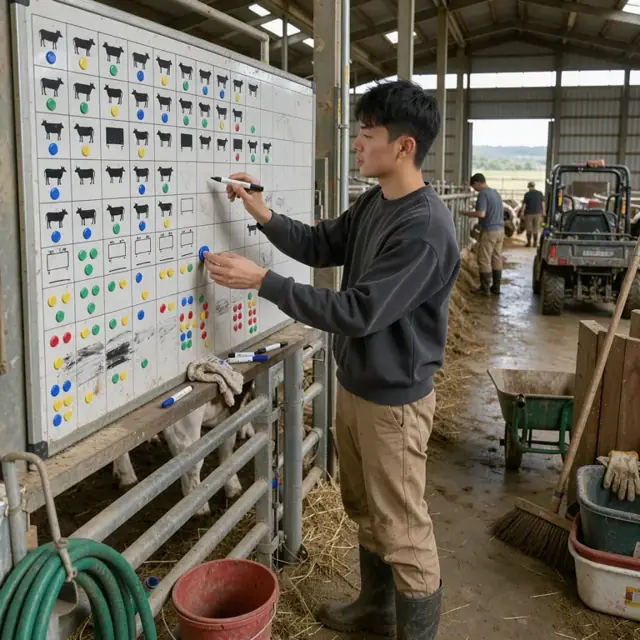
Colony Forecaster
Project future population, space and resource needs from breeding and harvest plans.
Works in: Ambitious Sheets, Process Optimizer, Ambitious Tasks · Workflows: Colony size and capacity forecasting
Automates
- Models population growth by species and stage
- Compares against housing capacity
- Highlights upcoming bottlenecks
- Updates multi-month feed projections
Stops for a person
- The owner sets culling, expansion and breeding targets
- All decisions to expand or reduce the herd are made by the producer
Workflows
Breeding cycle planning
Starts when: Start of each seasonal breeding window or on customer order for breeding stock
- Review colony pedigree records and genetic goals
- Assign does and bucks to breeding groups or individual matings
- Generate dated breeding cards and nest-box placement schedule
- Forecast kindling dates and weaning moves
- Flag any health or quarantine conflicts
Watch for: Gestation and weaning timelines vary sharply by species; Overcrowding must be avoided to prevent stress and cannibalism
Daily health and husbandry logging
Starts when: Start of each morning round
- Pull yesterday's observation task list
- Record feed consumption, water intake, mortalities and behavior notes
- Update weight or body-condition scores for selected animals
- Flag animals needing veterinary attention or isolation
- Generate daily summary report for the producer
Watch for: Accurate individual animal identification in large colonies; Rapid detection of disease outbreaks
Feed and bedding purchasing
Starts when: Weekly and after each bulk delivery
- Calculate total feed requirement from current colony count and growth stages
- Subtract current inventory and project days until next order
- Draft purchase list by supplier for pellets, hay, supplements and bedding
- Track storage conditions and rotation of stock
- Log waste or spoilage
Watch for: Feed must be kept dry and free of rodents; Sudden colony size changes from kindling or harvest affect demand sharply
Health, welfare and permit tracking
Starts when: Daily for observations and on fixed regulatory dates
- Generate daily welfare checklist including pen cleanliness and enrichment
- Record any treatments or vet visits
- Track renewal dates for transport permits, premises registration and health certificates
- Maintain vaccination and testing logs by species
- Prepare draft reports for upcoming inspections
Watch for: Different states and export markets require distinct documentation; All animal movements must be traceable
Pelting and live-sale scheduling
Starts when: When animals reach target age or weight or on buyer order
- Select animals meeting grade or weight criteria from records
- Build a harvest or shipping schedule with dates and quantities
- Reserve freezer or cold-storage space
- Generate shipping labels, health certificates and transport manifests
- Update inventory after removal
Watch for: Pelt quality depends on exact harvest timing relative to molt cycle; Live sales require clean transport crates and health paperwork
Sales order and customer intake
Starts when: Receipt of inquiry or order for pelts, meat, breeding stock or by-products
- Capture buyer requirements for quantity, grade, age and delivery date
- Check against current inventory and harvest forecast
- Draft pricing and availability confirmation
- Create a fulfillment task linked to harvest or shipping schedule
- Record deposit or payment status
Watch for: Buyers often require specific pelt sizes or color phases; Breeding stock sales include detailed pedigree documents
Colony size and capacity forecasting
Starts when: Monthly and before each breeding season
- Project population growth from current breeding schedule and expected litter sizes
- Compare against pen and barn capacity
- Identify upcoming space or feed bottlenecks
- Suggest adjustments to breeding numbers or culling targets
- Update long-term feed and bedding projections
Watch for: Rapid exponential growth during kindling season; Seasonal space needs for nest boxes and grow-out pens
Bot templates for this industry
Source: U.S. Small Business Administration, Office of Size Standards, Table of Small Business Size Standards Matched to North American Industry Classification System Codes, version March 2023 (effective 2023-03-17, NAICS 2022). Size standards are shown for reference only.