

All Other Animal Production
All other animal production covers specialty livestock, fiber animals, exhibition stock, and exotic species raised for meat, fiber, pets, breeding stock, or byproducts. Operations follow seasonal breeding and birthing calendars, maintain individual animal health and movement records, manage custom feed mixes by life stage, schedule veterinary care and regulatory inspections, prepare sales documentation including health certificates, and coordinate customer pickups or deliveries while tracking inventory of feed, bedding, medications and replacement animals. Specialists turn inquiries into sales with required paperwork, maintain breeding and health event logs, forecast seasonal supply needs, schedule inspections and veterinary visits, and assemble transport and exhibition documentation.
What makes this business different
- Breeding and birthing calendars that vary by species, with gestation periods ranging from weeks to months
- Individual animal identification, health, vaccination, treatment and movement records that must be kept for years
- Custom feed and supplement mixes adjusted for growth stage, pregnancy, lactation or exhibition conditioning
- Biosecurity protocols, veterinary visit logs, disease testing and state agricultural department reporting
- Seasonal inventory peaks for feed, bedding, medications, vaccines and replacement breeding stock
- Sales of live animals, fiber, meat or breeding stock that require current health certificates and transport permits
- Customer visits, pickups or deliveries scheduled only when animals meet age, weight and health criteria and weather allows safe transport
- Exhibition customers who require detailed pedigree records, health certificates and care instructions
Specialist bots

Sales Coordinator
Convert customer inquiries into confirmed sales contracts with accurate animal and health documentation.
Works in: Ambitious Docs, Contract Analyzer, Ambitious Tasks · Workflows: Sales intake and contract preparation
Automates
- Parses inquiry messages and forms for species, quantity and special requirements
- Checks current inventory, upcoming readiness dates and health status
- Drafts sales contracts, health certificate templates and buyer instructions
- Creates linked tasks and updates individual animal records
Stops for a person
- Owner approves all prices, health guarantees and contract terms before sending
- Veterinarian or owner verifies all health statements and withdrawal periods
- Owner signs and sends final contracts
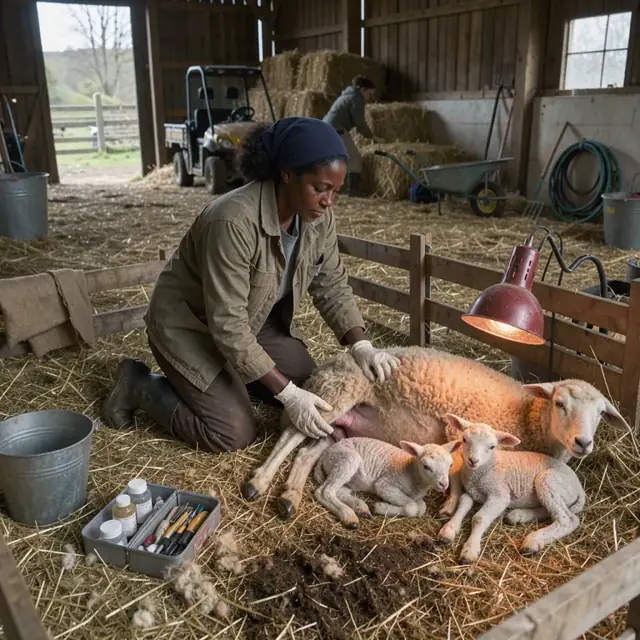
Breeding and Birthing Manager
Maintain breeding calendars by species, track reproductive status and generate daily observation lists.
Works in: Ambitious Sheets, Ambitious Tasks, Process Optimizer · Workflows: Breeding and birthing schedule management
Automates
- Updates breeding and due-date calendars from individual animal history
- Flags animals needing breeding, pregnancy checks or birthing intervention
- Generates daily observation task lists and suggested ration changes
- Logs outcomes from breeding, ultrasound and birthing events
Stops for a person
- Owner or herdsman confirms all breeding pairings and records actual births
- Veterinarian reviews ultrasound results or health findings
- Owner approves changes to housing or feed for pregnant animals
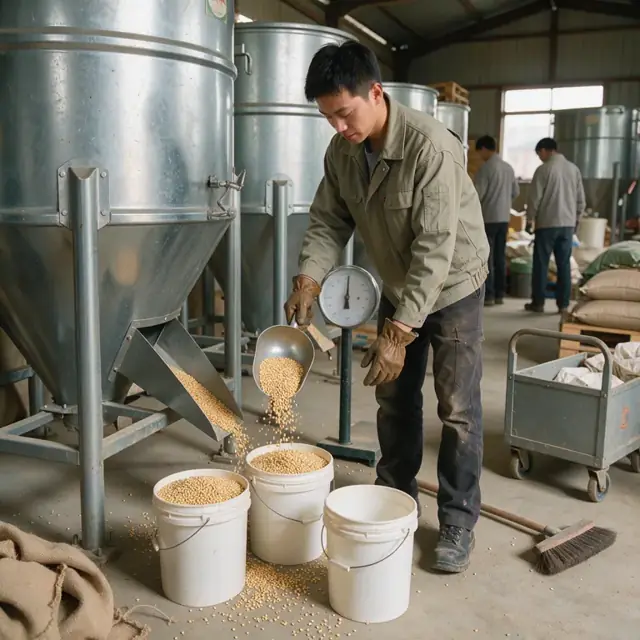
Feed and Supply Planner
Calculate ongoing and seasonal feed, bedding and supplement requirements and draft purchase lists.
Works in: Ambitious Sheets, Ambitious Tasks · Workflows: Feed, bedding and supply purchasing
Automates
- Computes total feed and supplement needs by animal count and life stage
- Subtracts current stock levels from bulk storage records
- Generates supplier purchase order drafts by item
- Tracks consumption rates, spoilage and projects future seasonal needs
Stops for a person
- Owner places and pays for all feed and supply orders
- Owner approves any feed formula or supplier changes

Animal Health Recorder
Maintain individual animal health records, schedule veterinary visits and prepare regulatory documentation.
Works in: Ambitious Docs, Ambitious Tasks, Ambitious Sheets · Workflows: Animal health and veterinary coordination, Regulatory inspection and permit preparation
Automates
- Logs daily health observations, weights, treatments and outcomes
- Schedules veterinary visits, vaccinations and laboratory testing
- Compiles health, movement and inventory records for inspections and permit renewals
- Tracks vaccination history, withdrawal periods and testing deadlines
Stops for a person
- Owner or veterinarian confirms all medical treatments and record entries
- Owner reviews and submits all official reports and permit applications
- Veterinarian signs health certificates before any movement
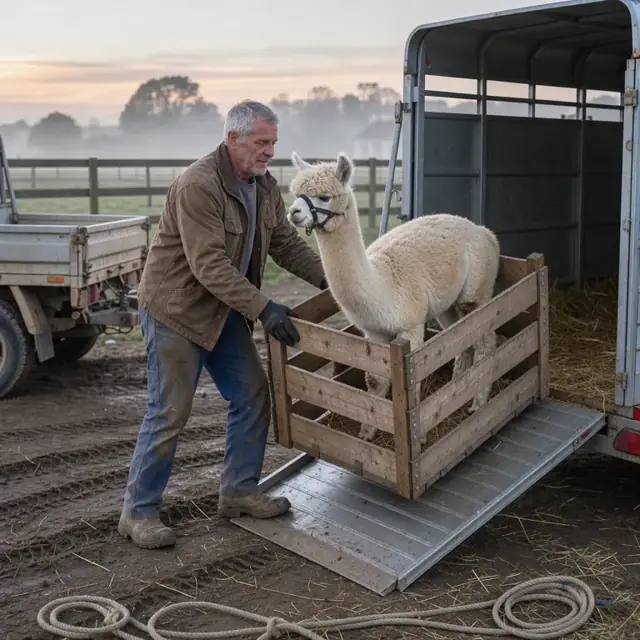
Transport and Delivery Coordinator
Prepare animals for sale or exhibition transport, generate required manifests and coordinate pickup or delivery.
Works in: Ambitious Tasks, Ambitious Docs, Contract Analyzer · Workflows: Animal transport and delivery dispatch, Exhibition and show preparation
Automates
- Confirms each animal meets readiness criteria and assembles transport documents
- Generates manifests, health certificates, buyer instructions and care sheets
- Builds loading schedules, routes and weather checks
- Prepares exhibition entry packets, grooming schedules and supply lists
Stops for a person
- Owner approves all transport plans, animal selections and delivery dates
- Veterinarian signs health certificates before any animal movement
- Owner confirms safe transport weather and loading procedures
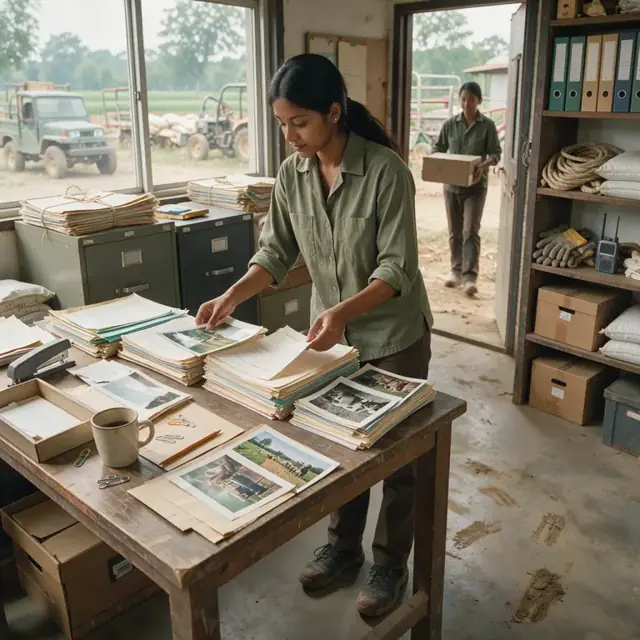
Regulatory Permit Clerk
Track all agricultural permits, licenses and inspection deadlines and assemble required documentation packages.
Works in: Ambitious Tasks, Ambitious Docs, Ambitious Sheets · Workflows: Regulatory inspection and permit preparation
Automates
- Monitors expiration dates for permits, licenses and veterinary certificates
- Compiles current inventory counts, health logs and facility photographs
- Generates inspection checklists and renewal application drafts
Stops for a person
- Owner confirms which state and local rules apply to the specific species and operation scale
- Owner reviews and files all official submissions and handles inspections
Workflows
Sales intake and contract preparation
Starts when: A customer inquires by phone, email, form or message about animals or products
- Capture species, age, sex, quantity, purpose, pedigree requirements and delivery preferences
- Check availability against current herd inventory, upcoming birth dates and readiness timelines
- Draft sales contract with price, pickup or delivery date, health guarantee and transport terms
- Attach current health certificate templates, pedigree documents and buyer care instructions
- Create linked sales task and update the individual animal records
Watch for: Health certificates and interstate transport permits must be current at time of sale; Lineage and registration papers must match the exact animal being sold; Withdrawal periods from any medications must be verified before sale
Breeding and birthing schedule management
Starts when: Start of each breeding season or weekly review
- Review breeding calendar by species using individual animal history and prior outcomes
- Flag animals due for breeding, pregnancy diagnosis, weaning or upcoming births
- Generate daily observation checklists and adjust housing assignments
- Update records with breeding dates, ultrasound results, litter counts and complications
- Modify feed rations and supplement levels based on reproductive status
Watch for: Gestation periods differ widely by species and must be tracked precisely; Pregnant or nursing animals require separate housing, monitoring and higher nutrition; Breeding pairings are chosen to maintain genetic diversity and avoid inbreeding
Feed, bedding and supply purchasing
Starts when: Weekly and at the start of each season
- Calculate total feed, mineral and supplement needs from current animal count and production stage
- Subtract on-hand inventory from bulk bins, silos and storage areas
- Draft purchase orders by supplier for hay, grain, pellets, bedding and veterinary supplies
- Track usage rates, spoilage and waste from storage
- Forecast requirements for upcoming birthing, weaning or exhibition seasons
Watch for: Feed must be stored to prevent spoilage, mold and rodent access; Certain supplements and medications are approved only for specific species or life stages; Inventory must cover seasonal spikes without overstocking perishables
Animal health and veterinary coordination
Starts when: Daily observations, scheduled vet visits or illness report
- Log daily health observations, weights, treatments and outcomes for each animal or group
- Schedule veterinary visits, vaccinations, testing and deworming
- Prepare health records, movement documents and withdrawal timelines for review
- Flag animals needing isolation, follow-up care or removal from sales inventory
- Maintain permanent vaccination, treatment and pedigree history per animal
Watch for: State agricultural departments require specific disease testing and reporting timelines; Medication withdrawal periods directly affect sales or slaughter eligibility dates; Biosecurity protocols must be followed during all veterinary or visitor interactions
Regulatory inspection and permit preparation
Starts when: 30 days before renewal or on receipt of inspection notice
- Compile current animal inventory counts, health logs and movement records
- Generate facility, biosecurity, housing and record-keeping compliance checklists
- Draft renewal applications for state permits, licenses and certificates
- Organize dated photographs of barns, feed storage, waste systems and fencing
- Track expiration dates for all veterinary certificates, licenses and permits
Watch for: Different species fall under different state and federal oversight levels; Facility standards for housing density, ventilation and sanitation vary by animal type; All documentation must be ready for unannounced inspections
Animal transport and delivery dispatch
Starts when: Confirmed sale or customer pickup request
- Confirm each animal meets the agreed age, weight, health status and documentation readiness
- Prepare transport crates, trailer assignments, loading order and timing schedule
- Generate transport manifest, health certificates, buyer instructions and care sheets
- Draft delivery route, timing and weather check or coordinate customer pickup window
- Record post-transport health check and update permanent animal records
Watch for: Weather and temperature extremes dictate safe transport time windows; Loading and unloading procedures must minimize animal stress and injury; All required health and transport permits must travel with the animals
Exhibition and show preparation
Starts when: Entry deadlines for fairs, shows or sales events
- Select qualifying animals based on age, weight, condition and breed standards
- Build grooming, training, conditioning and nutrition schedule per animal
- Prepare entry forms, registration papers, health certificates and show checklists
- Assemble show supply list including halters, bedding, feed and equipment
- Record show results, update pedigree records and note any health observations
Watch for: Show rules differ by breed association, event organizer and location; Additional biosecurity steps are required for travel and on-site housing; Animals must meet strict health testing and certification deadlines before travel
Bot templates for this industry
- All Other Animal Production (6 bots)
- Livestock Ranches (3 bots)
Source: U.S. Small Business Administration, Office of Size Standards, Table of Small Business Size Standards Matched to North American Industry Classification System Codes, version March 2023 (effective 2023-03-17, NAICS 2022). Size standards are shown for reference only.