

Logging
Logging operations bid on timber sales, mark boundaries, fell and buck trees, skid logs to landings, load and haul to mills on scheduled days. Specialists turn timber contracts into tract maps and harvest prescriptions, prescriptions into crew and equipment schedules, production data into scale tickets and load manifests, and field records into required regulatory reports. Boundary marking, safety protocols, mill delivery windows, equipment inspections and permit compliance stay with licensed foresters, crew leaders and equipment operators.
What makes this business different
- Timber sale contracts specifying exact boundary lines, allowable species, diameter limits, retention trees and volume estimates that must be followed precisely
- Seasonal operating windows limited by weather, soil moisture, nesting seasons, fire danger and road restrictions
- Coordination of crews and heavy equipment across multiple remote tracts with poor or no cellular coverage
- Mandatory daily equipment and safety inspections, maintenance logs, fuel tracking and parts inventory
- Log scaling, weight tickets, load manifests and tight mill appointment windows that reject non-compliant loads
- Boundary flagging, stream buffers, erosion control structures, reforestation plans and harvest completion reports required by state and federal agencies
- Repeat mill customers expecting consistent species, grade and volume on scheduled delivery days
Specialist bots
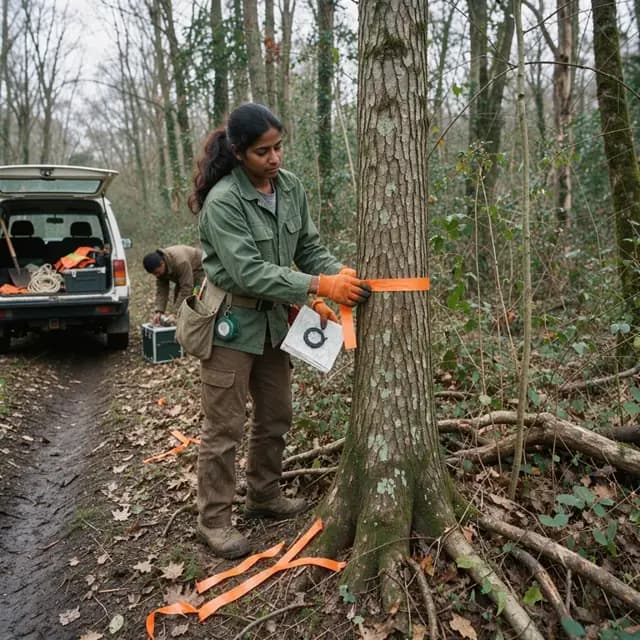
Contract and Sale Intake Specialist
Convert each new timber contract into mapped boundaries, harvest prescriptions and required agency notifications.
Works in: Ambitious Docs, Ambitious Tasks, Ambitious Sheets · Workflows: Timber contract and sale intake
Automates
- Extracts boundary data, species rules, diameter limits and volume estimates from contracts
- Builds digital tract maps showing buffers, retention areas and exclusion zones
- Drafts harvest prescriptions and assembles crew job packets
- Lists all required permits and pre-harvest agency notifications
Stops for a person
- The licensed forester confirms boundary flagging and prescription details in the field
- Landowner or agency representative approves any changes to the contract or plan
- A person files official notifications and permit applications
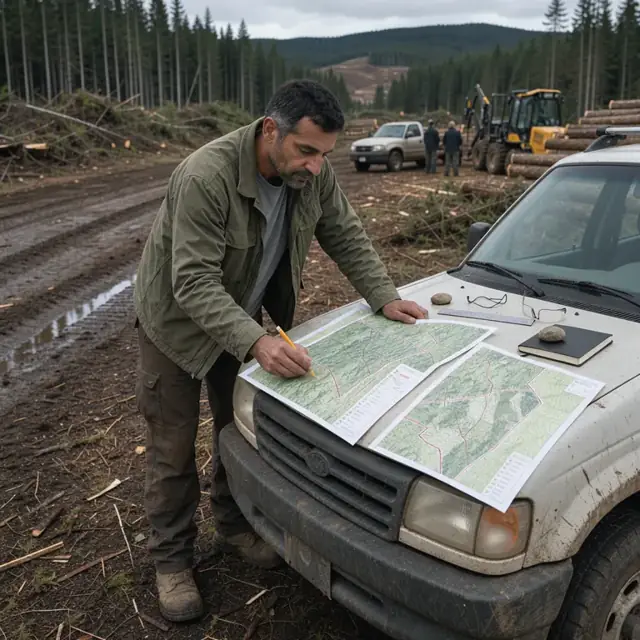
Harvest Planner
Convert approved harvest prescriptions into weekly crew assignments, equipment schedules and production targets.
Works in: Ambitious Sheets, Process Optimizer · Workflows: Harvest planning and crew scheduling
Automates
- Matches equipment types to tract slope, soil and tree size conditions
- Builds phased crew and machine schedules by harvest unit
- Calculates daily volume targets and incorporates safety requirements
- Creates emergency extraction and weather contingency plans for each site
Stops for a person
- The lead forester approves final crew and equipment assignments
- Crew leaders confirm schedule feasibility based on current field conditions

Daily Operations Dispatcher
Assign daily tasks to crews, track production and log safety and weather conditions across active harvest sites.
Works in: Ambitious Tasks, Ambitious Sheets, Ambitious Docs · Workflows: Daily operations dispatch and tracking
Automates
- Dispatches crews with current maps and task lists
- Records production by species, lengths and volumes at each landing
- Logs equipment hours, safety inspections and weather impacts
- Flags deviations from prescription or safety incidents for immediate review
Stops for a person
- Crew leaders verify on-site conditions and safety before starting work
- The safety officer reviews all incident and deviation reports
- A person approves any changes to daily assignments
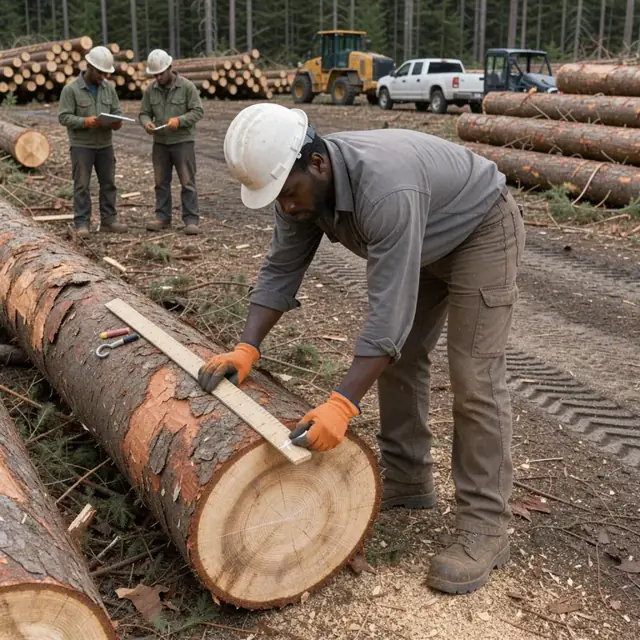
Landing and Inventory Manager
Track logs decked at each landing, prepare manifests and coordinate loader and truck movements.
Works in: Ambitious Sheets, Ambitious Tasks, Ambitious Docs · Workflows: Landing inventory and loading
Automates
- Tallies logs by species, grade and length at the landing
- Maintains running deck inventory by tract
- Schedules loader and truck arrivals to minimize congestion
- Generates scale tickets and load manifests
Stops for a person
- The loader operator confirms log grades and quality before loading
- A person verifies load security, weight compliance and documentation before departure
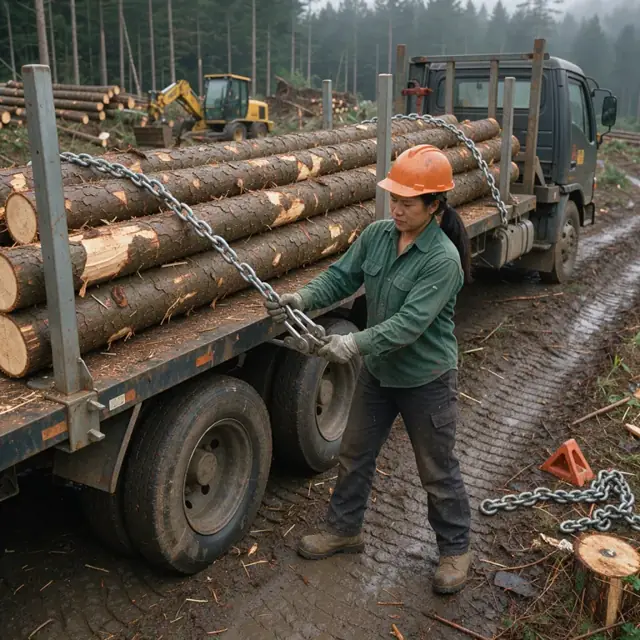
Hauling and Mill Delivery Coordinator
Match ready loads to mill delivery windows, build truck routes and track scale tickets and unload confirmations.
Works in: Ambitious Tasks, Ambitious Docs · Workflows: Truck hauling and mill delivery
Automates
- Matches loads to mill species, grade and volume requirements
- Builds daily truck routes and secures appointment times
- Prepares load tickets showing tract origin and volumes
- Records scale weights, rejections and delivery confirmations
Stops for a person
- Truck drivers approve route changes based on road and weather conditions
- Mill scale operators and the owner review weight and grade adjustments
- A person sends final load documentation and handles rejections

Compliance and Reporting Clerk
Compile safety logs, harvest reports, reforestation plans and regulatory documentation from field data.
Works in: Ambitious Docs, Ambitious Sheets, Ambitious Tasks · Workflows: Compliance and reforestation reporting
Automates
- Compiles daily inspection and production records into required formats
- Generates volume removed, retained and reforestation reports
- Tracks erosion control, stream buffer and regeneration timelines
- Organizes evidence of boundary and prescription compliance
Stops for a person
- The licensed forester confirms accuracy of all reports before submission
- Landowner or agency personnel approve final documentation
- A person files official reports and maintains required retention records

Equipment Maintenance Coordinator
Track machine hours, schedule preventive maintenance and maintain parts inventory for the logging fleet.
Works in: Ambitious Sheets, Ambitious Tasks, Process Optimizer · Workflows: Equipment maintenance and inventory
Automates
- Logs daily hours, fuel use and condition notes for each machine
- Builds preventive maintenance schedules based on hours and operating conditions
- Tracks consumables, spare parts and fluid inventory
- Flags machines needing service before next assignment
Stops for a person
- Certified mechanics perform and sign off on all repairs and inspections
- The equipment manager approves major maintenance expenditures
- Operators complete and verify daily pre-shift inspection checklists
Workflows
Timber contract and sale intake
Starts when: Receipt of a new timber sale contract or bid award
- Extract boundary coordinates, species restrictions, diameter limits, retention rules and volume estimates from the contract
- Create a digital tract map showing harvest units, exclusion zones, stream buffers and marked boundaries
- Draft a harvest prescription detailing allowed equipment, seasonal constraints and safety requirements
- Identify and list all required permits, notifications or pre-harvest agency approvals
- Assemble a crew-ready job packet with maps, prescriptions and compliance checklists
Watch for: All boundary lines must be physically located and flagged on the ground before any cutting begins; Any contract modifications require written approval from the landowner or administering agency
Harvest planning and crew scheduling
Starts when: Contract packet approved and suitable weather window opens
- Evaluate ground conditions, slope and soil type to select appropriate felling and skidding methods
- Build a weekly schedule assigning crews and specific machines to each tract section
- Allocate feller-buncher, skidder, loader and truck shifts to match daily production targets
- Calculate expected volume per acre and set daily production goals
- Develop a site-specific safety and emergency extraction plan for each active tract
Watch for: Equipment selection must match slope, soil stability and average tree size; Crew size and job roles shift between felling, skidding and loading phases
Daily operations dispatch and tracking
Starts when: Beginning of each workday or shift
- Dispatch crews to assigned tracts with current maps, task lists and safety briefings
- Record start times, equipment used, pre-shift safety inspections and operator certifications
- Track production by species, log lengths, volumes skidded and decked at each landing
- Monitor real-time weather and ground conditions against operational limits
- Log any deviations from the prescription or safety incidents for immediate review
Watch for: Remote sites often require radio or satellite check-ins instead of cell phones; Mechanical breakdowns must be documented and repaired before the next shift
Landing inventory and loading
Starts when: When logs arrive at the landing or at close of daily operations
- Tally incoming logs by species, grade, length and defect at the landing
- Maintain a running inventory of decked volume by tract and sort
- Coordinate loader and truck arrivals to prevent congestion and idle time
- Prepare scale tickets, load manifests and destination instructions
- Flag loads for specific mills based on current delivery windows and mill requirements
Watch for: Log decks must remain stable, sorted and free of contamination to avoid mill rejection; Truck weight limits and road use restrictions vary by jurisdiction and season
Truck hauling and mill delivery
Starts when: When sufficient volume is decked at a landing or on mill appointment schedule
- Match ready loads to specific mill species, grade and volume requirements
- Build daily truck routes and secure precise appointment windows
- Generate load tickets showing tract origin, species mix and estimated volumes
- Track truck locations, unload confirmations and any scale adjustments
- Record final scale weights, rejections or quality adjustments from the mill
Watch for: Mills enforce strict arrival windows and specific unloading procedures; Overweight, overloaded or improperly secured loads can result in fines or rejected deliveries
Compliance and reforestation reporting
Starts when: End of each harvest phase or on regulatory deadlines
- Compile all daily safety inspections, equipment logs and production records
- Generate harvest completion reports detailing volumes removed and trees retained
- Draft reforestation plans and track timelines for planting or natural regeneration
- Assemble documentation for erosion control structures and stream buffer compliance
- Organize evidence of boundary adherence and prescription compliance for agency review
Watch for: Different state and federal agencies require distinct report formats and record retention periods; Landowner or agency personnel must review and approve final reports before filing
Equipment maintenance and inventory
Starts when: After each shift, weekly and at service intervals
- Log operating hours, fuel consumption and condition notes for each machine
- Build preventive maintenance schedules based on hours, terrain and weather exposure
- Track parts inventory including chains, blades, filters, hydraulic fluids and spare components
- Identify machines needing repair or inspection before next assignment
- Maintain records of safety decals, certifications and operator training compliance
Watch for: Remote harvest sites require mobile repair capability and on-site spare parts stocking; Daily pre-shift inspections are mandatory and must be documented by the operator
Bot templates for this industry
- Logging (7 bots)
Source: U.S. Small Business Administration, Office of Size Standards, Table of Small Business Size Standards Matched to North American Industry Classification System Codes, version March 2023 (effective 2023-03-17, NAICS 2022). Size standards are shown for reference only.