

Hunting and Trapping
Hunting and trapping businesses guide clients on private or leased land, manage game populations, maintain equipment and land access, and handle harvests. For an outfitter that books guided hunts, leases hunting parcels, and sells fur or meat from trapped animals, the specialists turn inquiries into booked trips with licenses, turn harvest data into population reports and permit renewals, and turn equipment lists into maintenance schedules and reorders. Land access, tag quotas, species regulations and safety protocols stay with the owner or guide.
What makes this business different
- Seasonal booking windows tied to game seasons, tag lotteries and quota systems
- Client licensing verification, hunter education cards and species-specific tags required before any hunt
- Landowner leases, access permissions and liability releases that must be current
- Trapline registration, harvest reporting and biological sample submissions to wildlife agencies
- Equipment including firearms, traps, ATVs, blinds, tree stands and game cameras that need regular inspection
- Harvest tracking for fur, meat or antlers with tagging, storage and sales records
- Repeat clients who book annual hunts and expect personalized scouting reports
Specialist bots
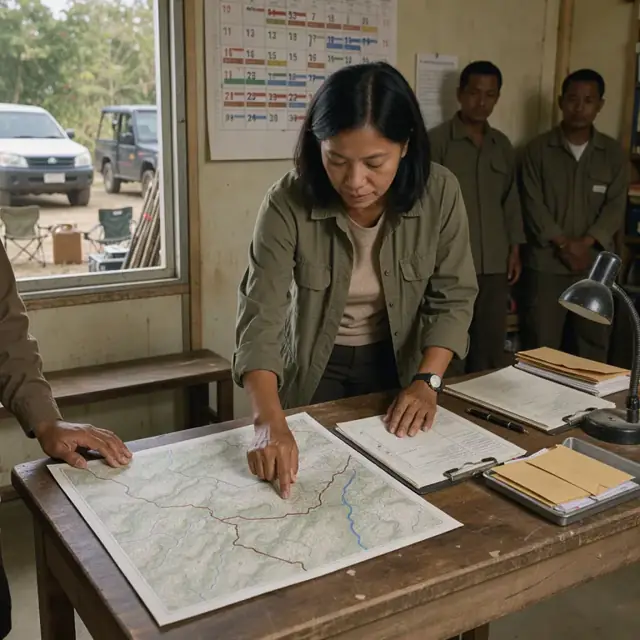
Booking Coordinator
Convert client inquiries into verified bookings with all licensing and paperwork complete.
Works in: Ambitious Tasks, Ambitious Docs, Email Buckets · Workflows: Hunt and trap booking intake
Automates
- Parses inquiry details and matches to available dates and tags
- Checks license and hunter education status
- Drafts proposals and assembles required forms
- Creates client folders with all documents
Stops for a person
- The outfitter confirms all bookings and pricing
- A person verifies tag availability and draw results
- Licenses are physically inspected by staff before the hunt
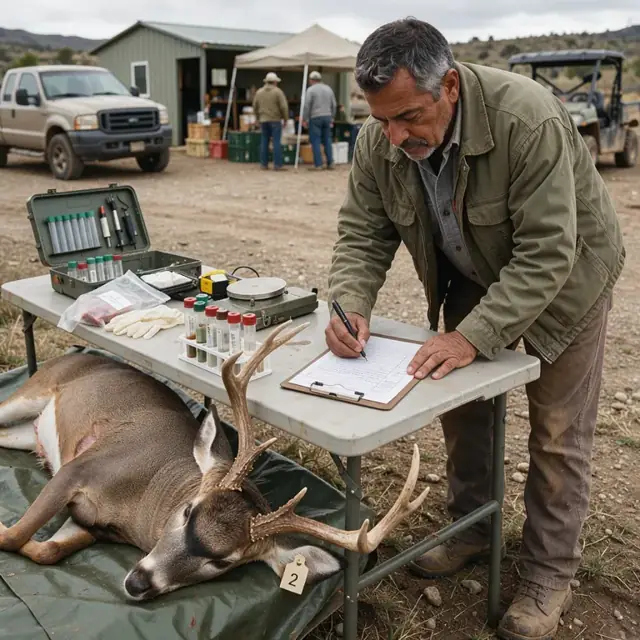
Regulatory Compliance Clerk
Assemble permits, tags, harvest reports and track renewals for agency deadlines.
Works in: Ambitious Tasks, Ambitious Docs, Ambitious Sheets · Workflows: Permit and regulatory compliance
Automates
- Assembles permit packets per client and trip
- Generates harvest logging forms and checklists
- Tracks submission deadlines and renewal dates
- Organizes biological sample labels and chains of custody
Stops for a person
- The outfitter or guide confirms all harvest data before submission
- Agency filings and corrections are performed by the owner
- People confirm all requirements before any filing

Land Lease Manager
Maintain current landowner leases, access maps and liability documents for all hunting and trapping parcels.
Works in: Ambitious Docs, Ambitious Sheets, Ambitious Tasks · Workflows: Land lease and access management
Automates
- Tracks lease expiration and renewal dates
- Organizes parcel maps and restriction lists
- Drafts landowner correspondence and payment reminders
- Maintains digital and printed sign-in logs
Stops for a person
- The owner negotiates and signs all lease agreements
- Payment is approved and sent by the owner
- Landowner rule changes are reviewed by people

Equipment and Inventory Technician
Track, schedule maintenance for and reorder all hunting, trapping and safety equipment.
Works in: Ambitious Sheets, Ambitious Tasks, Process Optimizer · Workflows: Equipment and inventory maintenance
Automates
- Maintains equipment inventory by type and location
- Generates weekly inspection checklists
- Creates reorder lists based on usage and par levels
- Logs maintenance history and flags safety issues
Stops for a person
- The guide performs and signs off on all inspections
- Purchases are approved and made by the owner
- Firearm and trap repairs are completed by licensed individuals

Harvest Processing Coordinator
Log each harvest, manage tagging and cold chain steps, and prepare sales or client share records.
Works in: Ambitious Tasks, Ambitious Docs, Ambitious Sheets · Workflows: Harvest processing and sales
Automates
- Creates harvest records with required tag data
- Builds processing and transport checklists
- Drafts sales listings with measurements
- Tracks client meat or trophy shares
Stops for a person
- The guide attaches tags in the field and confirms data
- Sales agreements are reviewed and signed by the owner
- Transport permits are obtained by licensed personnel

Guide Scheduler
Assign guides to hunts, build daily field schedules and distribute client information packets.
Works in: Ambitious Tasks, Ambitious Docs · Workflows: Guide and client scheduling
Automates
- Matches guides to trips by expertise and availability
- Builds daily itineraries with travel and check-in times
- Compiles client packets with maps and forms
- Sends approved reminders and weather briefings
Stops for a person
- The lead guide approves all schedules and assignments
- All client communications are reviewed before sending
- Emergency protocols are confirmed by the owner

Scouting and Reporting Analyst
Compile trail camera photos, field observations and harvest data into scouting reports and population summaries.
Works in: Ambitious Sheets, Ambitious Docs, Ambitious Tasks · Workflows: Scouting and population reporting
Automates
- Organizes camera images by date and location
- Generates scouting summary packets with maps
- Aggregates sighting and harvest metrics
- Drafts agency summary templates
Stops for a person
- The outfitter reviews and edits all client reports
- Population data interpretations are made by experienced staff
- Agency submissions are approved by the owner
Workflows
Hunt and trap booking intake
Starts when: A prospective client inquires by email, form or phone about a guided hunt or trapping service
- Capture desired species, dates, party size, experience level and any special requests
- Check against current season dates, available tags and quota status
- Verify or note required licenses, hunter education and prior harvest history
- Draft a booking proposal with dates, cost and required forms
- Create a client task folder with all documents attached
Watch for: Tag lotteries and draw results must be confirmed before confirming dates; Out-of-state or nonresident rules differ and require extra documentation
Permit and regulatory compliance
Starts when: Before each booking, after each harvest and on agency deadlines
- Assemble required permits, tags and licenses for each client and guide
- Generate pre-hunt checklist confirming hunter education, safety gear and emergency contacts
- Log each harvest with species, sex, location and biological data
- Submit mandatory harvest reports and samples by agency deadlines
- Track renewal dates for trapline registrations and outfitter licenses
Watch for: Different agencies govern tags, traplines and outfitter licensing; Harvest data must be accurate for population management
Land lease and access management
Starts when: At the start of each season and when new parcels are added
- Review current lease agreements and access permissions
- Draft renewal notices and payment schedules for landowners
- Map active hunting and trapping areas with boundaries and restrictions
- Schedule maintenance on access roads, gates and blinds
- Update liability releases and sign-in logs for each parcel
Watch for: Landowner rules on vehicle use, stand placement and game retrieval must be followed; Multiple overlapping leases require clear scheduling
Equipment and inventory maintenance
Starts when: Weekly during season and end of each season
- Inventory firearms, traps, cameras, ATVs and safety gear against checklists
- Schedule inspections, cleaning and repairs for each item type
- Generate reorder lists for ammunition, bait, fuel and replacement parts
- Log service history and safety certifications for regulated items
- Flag items nearing end of service life
Watch for: Firearms and traps have legal maintenance and inspection requirements; Bait and lure inventory must meet local regulations
Harvest processing and sales
Starts when: After each successful hunt or trap check
- Record harvest details and attach required tags
- Schedule field dressing, cooling or transport to processor
- Draft fur or meat sales listings with photos and measurements
- Track income and generate buyer paperwork
- Update client trophy or meat share records
Watch for: Tagging and sealing rules must be followed exactly; Cold chain and transport permits may be required for meat
Guide and client scheduling
Starts when: After booking confirmation and weekly during season
- Assign guides to trips based on species expertise and availability
- Build daily field schedule with travel times and check-in windows
- Distribute client information packets and maps
- Send pre-trip reminders and weather updates
- Log post-trip debriefs and client notes
Watch for: Guide-to-client ratios are regulated by species and method; Emergency communication plans must be in place
Scouting and population reporting
Starts when: Weekly during scouting periods and after each hunt
- Compile trail camera and field observation data
- Draft scouting summaries for clients with trail maps and activity notes
- Aggregate harvest and sighting data for internal population tracking
- Prepare summary reports for agency submissions when required
- Update next-season recommendations based on observations
Watch for: Camera data must be organized by parcel and date; Population data informs quota and lease decisions
Bot templates for this industry
- Hunting and Trapping (7 bots)
Source: U.S. Small Business Administration, Office of Size Standards, Table of Small Business Size Standards Matched to North American Industry Classification System Codes, version March 2023 (effective 2023-03-17, NAICS 2022). Size standards are shown for reference only.