

Cotton Ginning
Cotton ginners receive harvested modules or bales from growers, weigh incoming loads, run cotton through cleaners, dryers and gins to separate lint from seed and trash, then bale the fiber, store seed and ship both. For a gin that processes modules arriving from multiple farms during a compressed harvest window, the specialists turn grower delivery notices into intake schedules, turn gin-run data into bale tags and quality reports, manage seed and trash outflows, and track module-to-bale yields while the ginner oversees moisture, equipment settings and USDA classing samples.
What makes this business different
- Tight harvest-season window with modules arriving by truck from fields, often in large daily surges
- Module or bale intake, weighing, moisture testing and sampling before processing
- Continuous gin operation with dryer, cleaner, gin stand and press settings that must be adjusted for seed cotton condition
- Accurate bale tagging, RFID or barcode assignment and USDA classing samples pulled per bale or lot
- Separate storage and sale of cottonseed, trash and motes with weights recorded at each step
- Grower settlement reports based on lint yield, quality and current market prices
- Dust and emissions controls, fire-prevention protocols and seasonal equipment maintenance shutdowns
- Licensing, scale certification, seed-cotton storage permits and pesticide-handling logs
Specialist bots
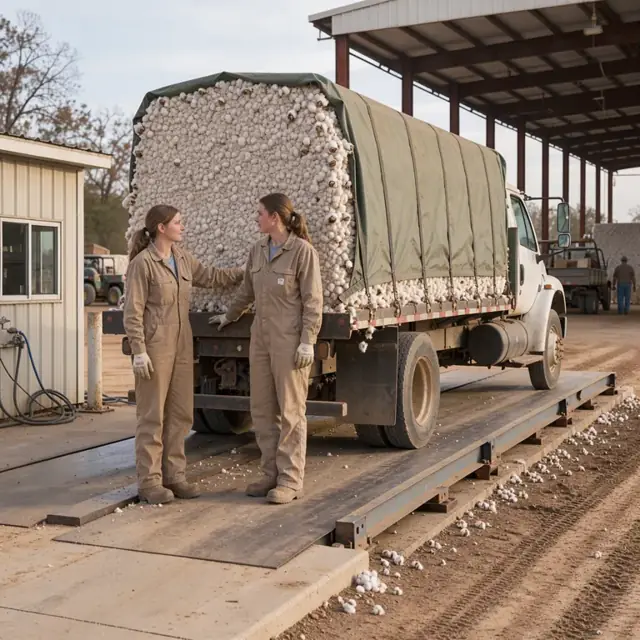
Grower Intake Coordinator
Convert grower arrival notices into scheduled intake slots and create module tracking tasks.
Works in: Ambitious Tasks, Ambitious Sheets, Email Buckets · Workflows: Grower delivery intake and scheduling
Automates
- Reads incoming grower messages and extracts load details
- Checks yard and gin capacity before assigning time
- Creates numbered intake ticket and task
- Drafts arrival confirmations
Stops for a person
- The ginner approves schedule changes during peak surges
- A person verifies scale and sampler readiness
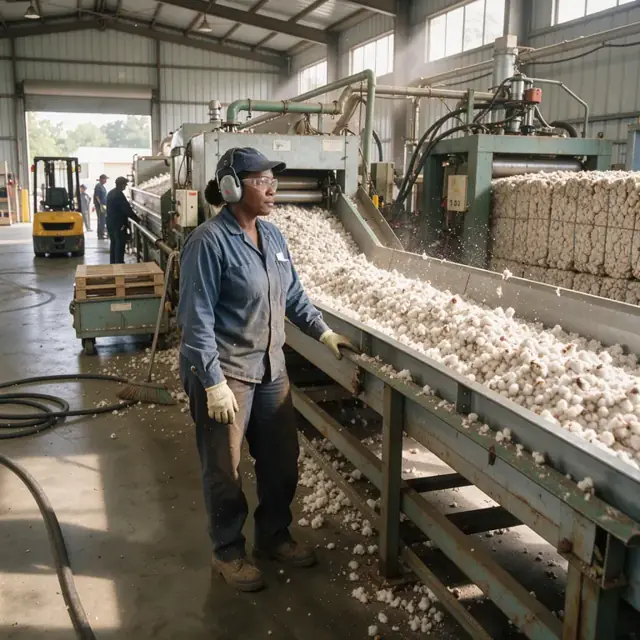
Gin Run Monitor
Track real-time sensor data from the gin line and maintain proper drying and ginning parameters.
Works in: Ambitious Tasks, Process Optimizer, Ambitious Sheets · Workflows: Gin-run monitoring and bale production
Automates
- Logs module weight, moisture and trash percentages
- Suggests dryer temperature and feed-rate settings
- Records bale tag assignments and sample pulls
- Alerts when parameters drift outside target ranges
Stops for a person
- The lead ginner makes all final equipment adjustments
- A person physically pulls and packages USDA classing samples

Seed and Trash Manager
Record and manage the weight and movement of cottonseed, trash and motes leaving the gin.
Works in: Ambitious Sheets, Ambitious Tasks, Ambitious Docs · Workflows: Seed, trash and byproduct outflow
Automates
- Calculates byproduct weights from load cells and flow meters
- Matches seed and trash volumes to lint output for reconciliation
- Drafts load-out tickets for haulers
- Updates bin and storage inventory levels
Stops for a person
- The owner approves all seed or trash sales and payments
- A person verifies scale tickets on outbound trucks
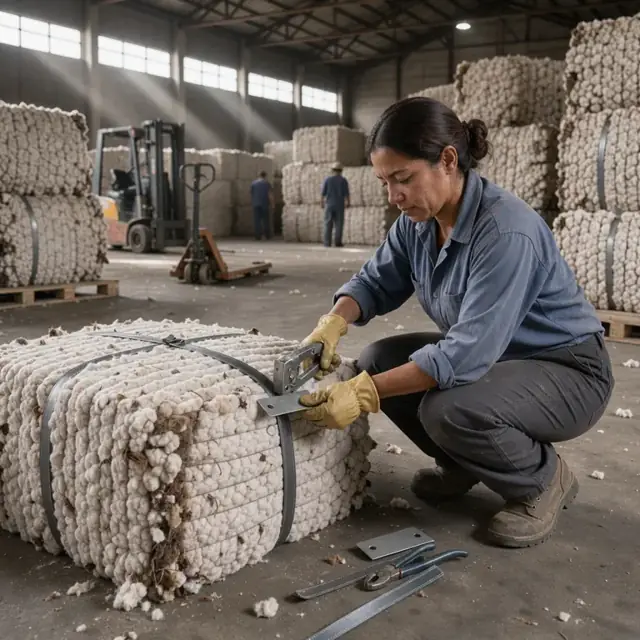
Bale and Warehouse Clerk
Assign bale identifiers, maintain the master bale inventory and prepare shipping manifests.
Works in: Ambitious Sheets, Ambitious Tasks, Ambitious Docs · Workflows: Bale inventory and shipping
Automates
- Enters each pressed bale's weight and tag into the inventory list
- Groups bales by grower and quality for warehouse placement
- Generates load manifests when shipping orders arrive
- Tracks warehouse location and movement history
Stops for a person
- The warehouse supervisor confirms physical bale placement and tag attachment
- A person signs every outbound bill of lading

Grower Settlement Clerk
Calculate lint and seed yields and draft accurate settlement statements for each grower.
Works in: Ambitious Sheets, Ambitious Docs, Ambitious Tasks · Workflows: Grower settlement and reporting
Automates
- Computes yield from module weight, bale weights and trash deductions
- Applies contract or market prices to lint and seed
- Assembles weight tickets and classing data into the report
- Drafts the final settlement statement
Stops for a person
- The gin manager reviews and approves every settlement before it is sent
- A person handles actual payment issuance

Maintenance and Safety Coordinator
Run daily safety and maintenance checklists and track permit and certification dates.
Works in: Ambitious Tasks, Ambitious Sheets, Ambitious Docs · Workflows: Equipment maintenance and safety compliance
Automates
- Generates pre-shift fire-suppression and mechanical checklists
- Logs dust-collector readings and housekeeping items
- Warns before scale certification or permit renewals are due
- Schedules lubrication and part replacement during off hours
Stops for a person
- The lead ginner performs and signs off on all mechanical inspections
- People confirm and file all regulatory paperwork

Quality and Process Optimizer
Analyze sensor trends and recommend adjustments to improve fiber quality and gin throughput.
Works in: Process Optimizer, Ambitious Sheets, Ambitious Tasks · Workflows: Quality sampling and process optimization
Automates
- Reviews moisture, trash and color data across shifts
- Identifies rate-limiting steps in the gin process
- Suggests changes to dryer or cleaner settings
- Compares current yields to historical grower data
Stops for a person
- The ginner decides which suggested settings to apply
- All quality samples are physically collected and submitted by people
Workflows
Grower delivery intake and scheduling
Starts when: A grower notifies the gin of an incoming module load by phone, text or email
- Capture grower identifier, farm or variety and estimated arrival time
- Schedule the load into the daily intake queue against current yard and gin capacity
- Confirm scale and sampler availability for the arrival window
- Draft a confirmation with assigned ticket number and any moisture or quality notes
- Create an intake task that follows the module through weighing and sampling
Watch for: Modules must be processed in arrival order to prevent field-heat damage; Some varieties require separate handling or earlier sampling
Gin-run monitoring and bale production
Starts when: Module reaches the feed control or gin stand
- Record incoming module weight, moisture and trash content from automated sensors
- Adjust dryer temperature, cleaner speeds and gin-stand settings for current conditions
- Monitor lint flow, press operation and automatic bale ejection
- Assign sequential bale tag or RFID at the press
- Pull and label USDA classing samples for each lot
Watch for: Moisture must stay within tight tolerances to avoid fiber damage or gin fires; Equipment settings change with each variety and daily humidity
Seed, trash and byproduct outflow
Starts when: After each gin shift or when storage bins reach capacity
- Weigh and record cottonseed transferred to storage or outbound trucks
- Log trash and mote weights removed by cleaners and cyclones
- Match byproduct volumes against lint produced for yield reconciliation
- Draft load-out tickets for seed buyers or waste haulers
- Update inventory sheets for remaining seed and trash storage
Watch for: Seed must be kept dry and aerated to prevent spoilage before sale; Trash volume must be removed daily to maintain gin airflow
Bale inventory and shipping
Starts when: After each bale is pressed and tagged
- Enter bale weight, tag number and classing sample identifier into the master list
- Group bales by grower, variety and quality for storage in the warehouse
- Schedule outbound loads when buyers request specific grades or quantities
- Generate load manifests and bills of lading
- Record warehouse location and movement of each bale
Watch for: Bales must be stored away from walls to allow airflow and fire inspection access; Classing results update the inventory once the USDA lab returns data
Grower settlement and reporting
Starts when: End of each grower lot or weekly during ginning season
- Calculate lint yield per module using module weight, bale weights and trash deduction
- Apply current market price or contract price to lint and seed values
- Draft settlement statement showing gross, deductions and net due
- Attach classing sheets and weight tickets
- Send draft report for final review before payment
Watch for: Growers often require split payments between landlord and tenant; Quality adjustments are applied only after official USDA classing is received
Equipment maintenance and safety compliance
Starts when: Daily before startup, after each shift and on scheduled shutdown dates
- Run pre-gin checklist for fire suppression, bearings, belts and electrical systems
- Log dust-collector pressure drops and emission readings
- Schedule lubrication, blade sharpening and part replacement during off hours
- Track scale certification, permit and insurance renewal dates
- Generate daily safety and housekeeping logs
Watch for: Gin fires are a constant risk and must be prevented with strict protocols; Local air-quality and wastewater permits change with seasonal operation
Quality sampling and process optimization
Starts when: Daily and after any variety or moisture change
- Review sensor data for moisture, trash and color trends
- Use process-optimizer to identify bottlenecks in drying or ginning rate
- Suggest adjustments to feed rate, dryer temperature or cleaning intensity
- Compare current yields against historical averages for each grower
- Flag any lot needing re-ginning or special handling
Watch for: Fiber quality directly affects grower payment and buyer acceptance; Changes in incoming cotton condition require rapid response
Bot templates for this industry
- Cotton Ginning (7 bots)
Source: U.S. Small Business Administration, Office of Size Standards, Table of Small Business Size Standards Matched to North American Industry Classification System Codes, version March 2023 (effective 2023-03-17, NAICS 2022). Size standards are shown for reference only.