

Soil Preparation, Planting, and Cultivating
Soil preparation, planting and cultivating crews prepare fields, install irrigation, plant seeds or transplants, scout crops, apply treatments and cultivate between rows according to each grower's crop plan and seasonal calendar. Specialists turn grower instructions into scheduled field tasks, convert those tasks into equipment, labor and input orders, track progress against weather and soil conditions, and keep all scouting, treatment and harvest records current. The grower retains final decisions on what is planted, sprayed or certified.
What makes this business different
- Crop-specific sequences of soil prep, planting depth, spacing and cultivation passes that vary by field and season
- Tight weather windows for tillage, planting and cultivation that shift daily with forecasts and soil moisture
- Equipment readiness including tractors, planters, cultivators, sprayers and irrigation lines with maintenance logs
- Input inventories of seed, fertilizer, amendments, herbicides and fuel that must be ordered per field plan
- Scouting and treatment records including pest pressure, weed maps, soil tests and application logs
- Regulatory paperwork for pesticide applications, nutrient management and conservation program compliance that the grower must review
- Multiple fields and growers with staggered calendars for spring prep, summer cultivation and fall cleanup
Specialist bots

Grower Intake Coordinator
Turn each grower's crop plan and seasonal instructions into confirmed, scheduled field tasks.
Works in: Ambitious Tasks, Ambitious Docs, Ambitious Sheets · Workflows: Grower instruction intake and task creation, Permit, license and compliance paperwork
Automates
- Reads incoming field plans and change requests
- Creates structured tasks for each operation with dates and requirements
- Checks against historical field data
- Flags regulatory or equipment conflicts
- Drafts confirmation back to the grower
Stops for a person
- The grower approves every new or changed task list
- Specific variety and treatment choices are confirmed by the grower
- Any permit or conservation requirement questions are answered by people

Equipment and Crew Dispatcher
Assign tractors, implements and crews to field tasks within weather and equipment constraints.
Works in: Ambitious Tasks, Ambitious Sheets · Workflows: Equipment and crew scheduling
Automates
- Matches equipment to task requirements and field conditions
- Builds daily and weekly field routes
- Checks maintenance records before assignment
- Creates crew call lists
- Drafts the weekly schedule
Stops for a person
- The crew lead adjusts assignments based on real-time field and weather conditions
- The owner approves major equipment usage changes
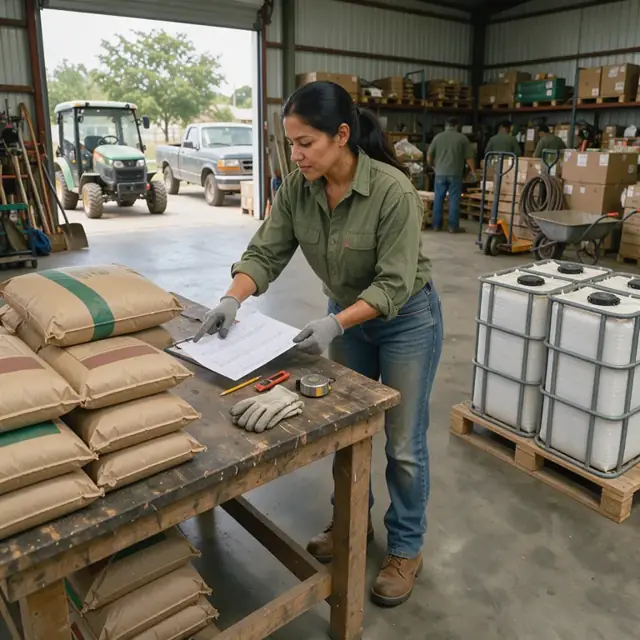
Input and Inventory Manager
Convert approved field tasks into precise seed, fertilizer and chemical orders while tracking on-hand stock.
Works in: Ambitious Sheets, Ambitious Tasks, Ambitious Docs · Workflows: Input and inventory ordering
Automates
- Calculates required quantities by field and acre
- Subtracts current inventory levels
- Drafts purchase lists by supplier and delivery date
- Tracks batch and lot numbers upon receipt
- Alerts when par levels are approached
Stops for a person
- The grower approves and places all purchases
- Restricted materials are verified by a licensed person before ordering

Scouting and Condition Verifier
Generate scouting routes, record observations and create treatment tasks when action thresholds are reached.
Works in: Ambitious Tasks, Ambitious Sheets, Ambitious Docs · Workflows: Crop scouting and condition recording
Automates
- Builds weekly scouting checklists and field routes
- Structures observation entries by pest, weed and crop stage
- Flags fields exceeding treatment thresholds
- Updates digital field maps with scouting data
- Maintains season-long observation history
Stops for a person
- The grower or agronomist confirms identification of pests or diseases
- Treatment recommendations are approved before tasks are created

Treatment Application Recorder
Prepare application plans and log all materials, rates, weather and locations after each pass.
Works in: Ambitious Docs, Ambitious Sheets, Ambitious Tasks · Workflows: Treatment application planning and logging, Permit, license and compliance paperwork
Automates
- Builds application maps and equipment settings from scouting data
- Checks weather against product label windows
- Creates detailed application logs with GPS references
- Updates inventory after each application
- Organizes records by field and date
Stops for a person
- The licensed applicator confirms all details before and after application
- The grower reviews and approves every completed application record
- People handle any regulatory filings
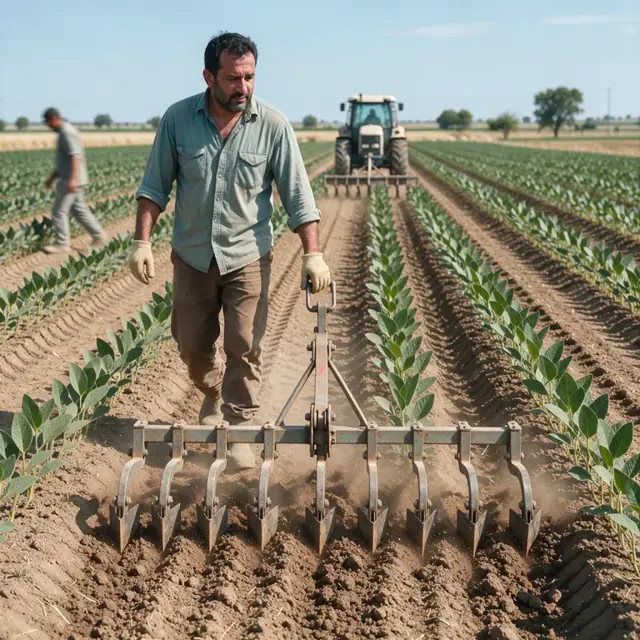
Cultivation and Between-Row Planner
Time and plan mechanical cultivation passes based on crop stage, weed pressure and equipment availability.
Works in: Ambitious Tasks, Process Optimizer, Ambitious Sheets · Workflows: Cultivation and between-row management
Automates
- Determines optimal timing windows from scouting data and crop models
- Selects appropriate cultivator configuration per field
- Schedules passes to avoid crop damage
- Records completed cultivation details
- Updates field status for next operations
Stops for a person
- The operator adjusts depth and speed in the field based on soil and crop conditions
- The grower decides when to stop mechanical cultivation in favor of other methods

Irrigation Setup and Scheduling Coordinator
Plan irrigation system installation, schedule water applications and track usage against allocations.
Works in: Ambitious Tasks, Ambitious Sheets, Ambitious Docs · Workflows: Irrigation installation and scheduling
Automates
- Maps irrigation needs by crop and soil type
- Schedules installation and activation tasks
- Tracks water usage logs against allowances
- Creates maintenance checklists for pumps and lines
- Coordinates irrigation timing with other field operations
Stops for a person
- The grower approves water scheduling and any allocation adjustments
- Field staff confirm proper system operation and placement
- People handle water district reporting
Workflows
Grower instruction intake and task creation
Starts when: A grower sends new field plan, crop schedule or change request
- Parse the crop, field name, acreage, target planting date and sequence of operations
- Check against existing field records and prior year notes
- Create individual tasks for tillage, planting, irrigation setup and cultivation with required equipment and inputs
- Flag any missing permits, buffer requirements or conservation restrictions
- Draft a confirmation summary for the grower
Watch for: Planting windows are narrow and must match soil temperature and forecasted dry days; Specific varieties and seed treatments must be captured exactly
Equipment and crew scheduling
Starts when: Weekly or after new field tasks are added
- List all pending field tasks by priority and weather window
- Assign available tractors, planters, cultivators or irrigation rigs to tasks
- Build daily crew and equipment routes by farm location
- Check maintenance status of each piece of equipment for the assigned task
- Draft the weekly field schedule for grower review
Watch for: Equipment must be matched to field conditions such as row spacing and soil type; Crew size and skills vary by task such as precision planting versus mechanical cultivation
Input and inventory ordering
Starts when: After schedule is approved and before each planting or treatment window
- Explode field tasks into seed, fertilizer, pesticide and fuel requirements by acre
- Subtract current inventory and draft purchase orders by supplier
- Track delivery dates against the field schedule
- Maintain par levels for common amendments and fuel
- Log received quantities and batch numbers
Watch for: Certain pesticides and treated seed have restricted use windows and storage rules; Fertilizer orders must align with nutrient management plans
Crop scouting and condition recording
Starts when: On a scheduled cadence per crop or after weather events
- Generate scouting routes and checklists for each field
- Record observations on stand count, weed pressure, pest levels, disease and soil moisture
- Create treatment recommendation tasks when thresholds are met
- Update field maps with scouting data
- Maintain a running log of all observations for the season
Watch for: Scouting data must be tied to exact field coordinates or row sections; Pest and disease identification often requires grower or agronomist confirmation
Treatment application planning and logging
Starts when: When scouting or grower directs a spray, side-dress or cultivation pass
- Build an application task with product, rate, timing and buffer requirements
- Check weather and wind conditions against label restrictions
- Draft the application map and equipment settings
- Log actual application details including date, operator, rate and weather
- Update inventory after application
Watch for: All applications require exact records of product, rate, location and weather that the grower must review; Restricted use products need applicator licensing verification
Cultivation and between-row management
Starts when: After crop emergence and on a set interval or as flagged by scouting
- Determine optimal cultivation timing based on crop stage and weed pressure
- Assign appropriate cultivator or hoe equipment to each field
- Create passes that avoid crop damage at current growth stage
- Record depth, speed and any issues encountered
- Update field status after each pass
Watch for: Cultivation must occur before weeds set seed and while crop is still small enough to navigate; Some fields require multiple mechanical passes instead of chemical treatment
Irrigation installation and scheduling
Starts when: Before each planting season and when soil moisture indicates need
- Map irrigation requirements per field and crop
- Schedule installation or activation of drip lines, pivots or wheel lines
- Track water usage and schedule against water rights or district allocations
- Create maintenance tasks for filters, pumps and lines
- Log irrigation events and soil moisture readings
Watch for: Water sources and allocation limits vary by region and must be respected; Irrigation timing must coordinate with planting, cultivation and harvest windows
Permit, license and compliance paperwork
Starts when: Before any restricted application or on renewal dates
- Generate pre-application checklists for buffers, setbacks and weather restrictions
- Track applicator licenses, restricted-use permits and conservation program deadlines
- Compile application logs, nutrient records and scouting reports for grower review
- Flag any upcoming filing or inspection dates
- Maintain current label and SDS files matched to inventory
Watch for: Rules differ by state and county for pesticide, nutrient and water-use reporting; The grower confirms which requirements apply to each field and crop
Bot templates for this industry
Source: U.S. Small Business Administration, Office of Size Standards, Table of Small Business Size Standards Matched to North American Industry Classification System Codes, version March 2023 (effective 2023-03-17, NAICS 2022). Size standards are shown for reference only.