

Crop Harvesting, Primarily by Machine
Machine-harvest contractors move between fields on tight seasonal windows, dispatch combines and specialized harvesters, coordinate with growers on readiness, maintain equipment between jobs, track yields for billing, and handle transport of harvested crops to storage or processors. The specialists turn grower calls into confirmed harvest schedules, schedules into daily dispatch and equipment assignments, field data into yield reports and invoices, and maintenance logs into readiness checklists. Timing, weather, crop condition and equipment uptime stay with the crew chief.
What makes this business different
- Tight harvest windows driven by crop maturity, weather forecasts and processor deadlines that can shift daily
- Coordination with multiple growers on field readiness, moisture tests and access permissions
- Dispatch of large harvesting machines, support vehicles and transport trucks across dispersed rural sites
- Equipment maintenance between jobs, fuel tracking, header swaps and breakdown repairs on remote sites
- Yield measurement, grain sampling, moisture testing and load tickets for each field and load
- Billing that combines machine hours, yield volume, transport miles and any custom add-ons
- Regulatory paperwork for weight tickets, pesticide application logs if used, and road permits for oversized equipment
- Seasonal crew certifications, fuel and parts logistics to remote fields, and post-harvest equipment winterization
Specialist bots

Harvest Intake Coordinator
Convert grower requests into confirmed harvest work orders with accurate field and timing details.
Works in: Ambitious Tasks, Ambitious Docs, Ambitious Sheets · Workflows: Harvest request intake and scheduling
Automates
- Parses incoming requests for crop, acres, location and readiness
- Checks availability against the master calendar, weather and equipment status
- Drafts work orders with pricing and confirmation messages
- Adds jobs to the shared schedule with buffer days
Stops for a person
- Crew chief approves all scheduling and pricing
- Grower must confirm final dates, access details and any adjustments
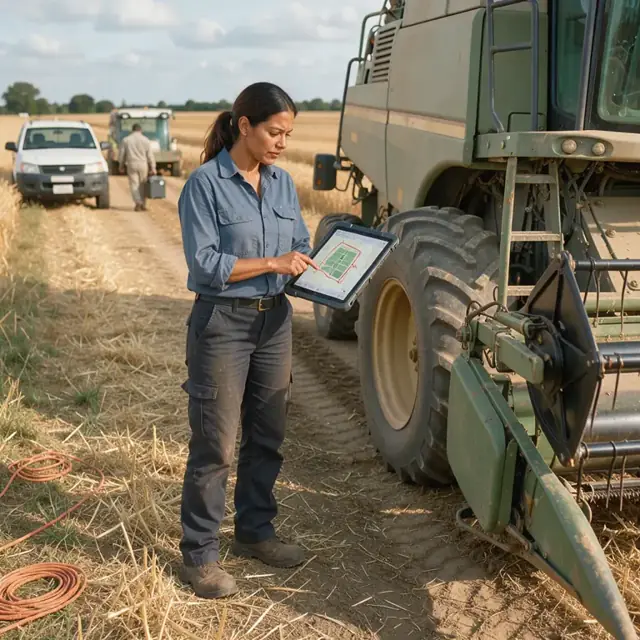
Machine Dispatch Planner
Assign harvesters, support vehicles and routes to daily field operations based on readiness and weather.
Works in: Ambitious Tasks, Ambitious Docs · Workflows: Daily machine dispatch and routing
Automates
- Reviews weather, field readiness reports and machine status
- Assigns specific machines, headers and crews to fields
- Builds sequenced routes between sites, processors and return
- Generates and distributes daily assignment packets with checklists
Stops for a person
- Crew chief reviews and approves each day's dispatch plan
- Growers confirm field readiness before machines roll

Equipment Maintenance Clerk
Track harvester usage, generate maintenance tasks and ensure parts and fuel are ready between jobs.
Works in: Ambitious Sheets, Ambitious Tasks, Ambitious Docs · Workflows: Harvester maintenance and readiness
Automates
- Logs hours, fuel, header swaps and issues from each field
- Creates prioritized maintenance checklists
- Tracks parts inventory and flags reorder needs with delivery locations
- Maintains service history for each machine
Stops for a person
- Mechanics perform and sign off on all repairs
- Crew chief verifies machine readiness before dispatch
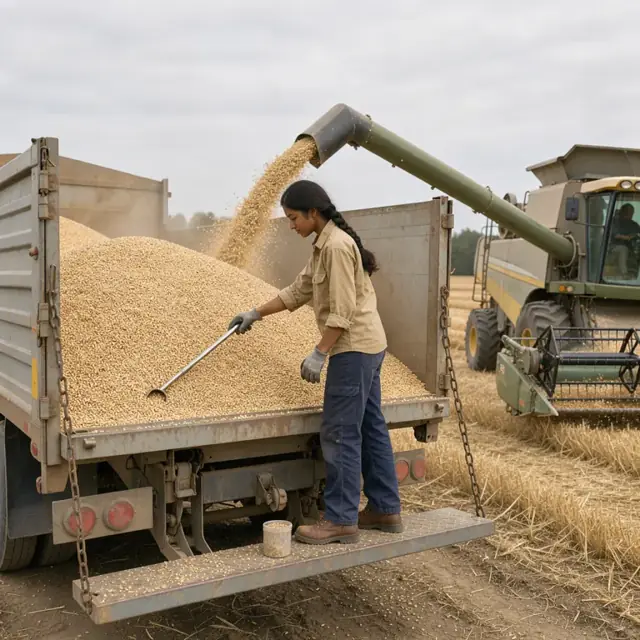
Yield and Load Documenter
Capture combine monitor data, moisture tests and load tickets to produce accurate field yield records.
Works in: Ambitious Sheets, Ambitious Docs, Ambitious Tasks · Workflows: Yield monitoring and load documentation
Automates
- Pulls data from combine yield monitors and sensors
- Generates load tickets, sample logs and chain-of-custody records
- Reconciles harvested acres to field boundaries and maps
- Prepares daily yield summaries and reports for growers and processors
Stops for a person
- Field crew verifies moisture samples, weights and quality
- Grower or processor reviews final yield reports before billing
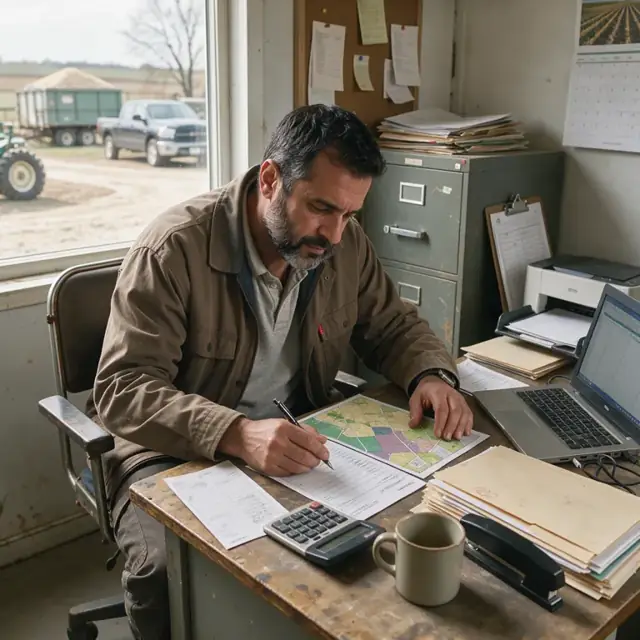
Harvest Billing Specialist
Compile machine hours, yields and transport data into accurate invoices for each completed field.
Works in: Ambitious Sheets, Ambitious Docs, Contract Analyzer · Workflows: Harvest billing and receivables
Automates
- Aggregates hours, acres, yield volumes and transport miles
- Applies contract rates and any adjustments for quality or weather
- Drafts itemized invoices with supporting tickets and maps
- Tracks payment status and flags follow-ups
Stops for a person
- Owner reviews and approves every invoice before sending
- Growers must approve any price adjustments
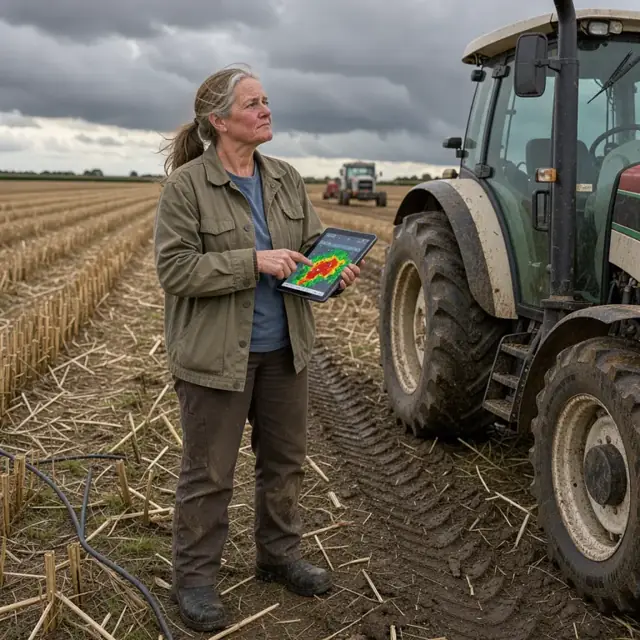
Weather and Permits Coordinator
Monitor forecasts, track permit expirations and maintain daily go-no-go checklists for harvest operations.
Works in: Ambitious Tasks, Ambitious Sheets, Ambitious Docs · Workflows: Weather monitoring and permit management
Automates
- Pulls field-specific weather, soil moisture and wind forecasts
- Flags high-risk days and fields with potential downtime
- Tracks permit, registration and insurance expiration dates
- Generates daily operational and safety checklists
Stops for a person
- Crew chief makes final go-no-go decision each morning
- Owner confirms regulatory requirements for each region

Crew and Logistics Coordinator
Schedule seasonal crew, coordinate fuel and parts deliveries to remote fields, and prepare post-harvest plans.
Works in: Ambitious Tasks, Ambitious Sheets, Email Buckets · Workflows: Crew and supplier coordination
Automates
- Builds weekly crew, certification and subcontractor schedules
- Coordinates delivery of fuel, parts and support vehicles to field sites
- Drafts daily safety briefings and post-harvest cleanup checklists
- Prepares winterization and off-season storage schedules
Stops for a person
- Owner approves all crew hiring, certifications and spending
- Crew chief reviews safety briefings before distribution
Workflows
Harvest request intake and scheduling
Starts when: A grower calls, texts or emails to request harvest services
- Capture crop type, acreage, location, expected readiness date and any special conditions
- Check against current machine availability, crew schedule and weather forecast
- Confirm access details, field conditions, moisture testing needs and transport destination
- Draft a work order with agreed price per acre or yield and send for approval
- Add the job to the master harvest calendar with buffer days for weather
Watch for: Readiness can change overnight with rain or heat; Grower must approve final schedule and price adjustments
Daily machine dispatch and routing
Starts when: Each morning before operations begin or when a new field becomes ready
- Review overnight weather, field readiness reports from growers, moisture tests and machine status
- Assign specific combines, tractors, headers, support vehicles and transport trucks to fields
- Generate sequenced route with drive times between fields, to processors and return
- Send crew assignments, load tickets, safety checklists and equipment inspection forms
- Update live status board for growers, processors and crew
Watch for: Machines must move at dawn to maximize daily hours; Road permits and oversized load rules apply when relocating combines
Harvester maintenance and readiness
Starts when: After each field completion and on fixed weekly intervals
- Log hours, fuel used, header swaps and any issues from the previous run
- Create a maintenance task list for greasing, filter replacement, blade sharpening and repairs
- Check parts inventory and flag items that need overnight ordering or delivery to the field
- Confirm each machine is field-ready with signed inspection before next dispatch
- Update historical service records for each piece of equipment
Watch for: Breakdowns in remote fields require mobile repair capability; Header swaps are frequent when moving between crop types
Yield monitoring and load documentation
Starts when: During harvest when each load leaves the field
- Record load weights, moisture samples, grain quality and field source from combine monitors
- Generate scale tickets or electronic load records with chain-of-custody details
- Sample grain for quality, foreign material and test weight
- Reconcile harvested acres against grower-provided maps and GPS boundaries
- Transmit daily yield summary, maps and tickets to grower and accounting for review
Watch for: Moisture levels affect price, storage eligibility and processor acceptance; Accurate field-to-load traceability required for processors and insurance
Harvest billing and receivables
Starts when: At field completion and end of each week
- Compile machine hours, acres harvested, yield volumes, transport miles and any add-ons
- Apply contract rates and any adjustments for moisture, quality or weather downtime
- Draft itemized invoice with supporting load tickets, yield maps and service logs
- Send invoice package for grower and processor review and approval
- Track payment status, flag follow-ups and record any adjustments
Watch for: Billing often splits between grower and processor; Yield-based charges require verified measurements before invoicing
Weather monitoring and permit management
Starts when: Daily at start of shift and before major equipment moves
- Pull localized weather, soil moisture and wind forecasts for each active field
- Flag fields at risk of rain, high wind or frost that could halt operations or damage equipment
- Track expiration dates for oversize road permits, vehicle registrations, insurance and certifications
- Maintain a daily go-no-go checklist with weather and equipment data for signature
- Log any weather-related downtime for billing adjustments and future scheduling
Watch for: Local road restrictions change with weather and harvest traffic; Growers and processors have strict cutoff dates that affect scheduling
Crew and supplier coordination
Starts when: Weekly and when moving between major jobs
- Confirm seasonal crew availability, certifications and training for the coming week
- Coordinate fuel, repair parts, support vehicles and subcontractor deliveries to remote field locations
- Draft daily safety briefings, operational notes and post-harvest cleanup plans
- Prepare equipment winterization, storage and transport schedules for off-season
- Track all supplier deliveries against field schedule and update inventory logs
Watch for: Remote field locations require precise delivery timing for fuel and parts; Seasonal labor must be scheduled months in advance with certification checks
Bot templates for this industry
Source: U.S. Small Business Administration, Office of Size Standards, Table of Small Business Size Standards Matched to North American Industry Classification System Codes, version March 2023 (effective 2023-03-17, NAICS 2022). Size standards are shown for reference only.