

Postharvest Crop Activities (except Cotton Ginning)
Postharvest crop activities clean, sort, dry, pack and cool fruits, vegetables, nuts and grains after harvest. For an operation that receives field bins of apples, cherries or almonds, the specialists turn incoming loads into graded and packed inventory, create packing and cooling schedules, manage cold-chain storage and generate lot-traceability records, while the grower confirms quality grades, food-safety logs and shipments.
What makes this business different
- Incoming field loads with variable quality, dirt, leaves and field heat that must be cleaned and cooled quickly
- Grading by size, color, defects and ripeness using both manual and automated lines
- Lot traceability from field to packed box with harvest dates, grower, block and treatment records
- Cold-chain storage and transit temperature monitoring with alarms for excursions
- Perishable packing with waxing, sorting, bagging or boxing specific to each crop and customer spec
- Food-safety and GAP audits, wash-water monitoring, sanitation logs and pest-control records
- Seasonal surges tied to harvest windows, with labor and equipment scaling for peak weeks
- Inventory of packed product held for orders, with FIFO rotation and shrink tracking
Specialist bots

Receiving and Inspection Clerk
Turn every incoming field load into a documented lot with inspection results and immediate handling instructions.
Works in: Ambitious Tasks, Ambitious Docs, Ambitious Sheets · Workflows: Field load receiving and inspection
Automates
- Creates lot numbers and attaches digital tags
- Logs grower, block, variety and harvest details
- Drafts receiving and defect reports
- Flags urgent cooling needs
Stops for a person
- A person performs the physical grade inspection and signs the report
- The grower or owner approves disposition of rejected loads

Grading and Packing Scheduler
Convert received lots into daily grading, sorting and packing schedules for the line.
Works in: Ambitious Tasks, Process Optimizer, Ambitious Sheets · Workflows: Grading, sorting and packing
Automates
- Matches lots to customer specifications and line capabilities
- Sequences crops to minimize changeover time
- Calculates expected pack-out and labor needs
- Generates labels and manifests for each run
Stops for a person
- The lead packer confirms line setup and speed
- Quality control staff approve the first boxes of each run
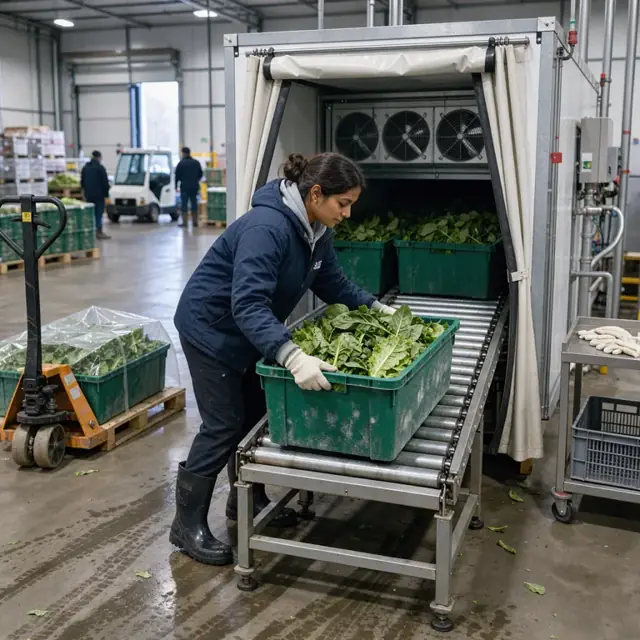
Cooling and Storage Manager
Assign cooling methods, monitor temperatures and manage cold storage movement for all lots.
Works in: Ambitious Tasks, Ambitious Sheets, Ambitious Docs · Workflows: Cooling and cold storage management
Automates
- Assigns target temperatures and cooling schedules by commodity
- Logs continuous temperature and humidity data
- Alerts on any excursions
- Maintains FIFO storage queue
Stops for a person
- A person verifies pulp temperatures with a probe
- The owner reviews and signs off on all cold-chain deviation reports
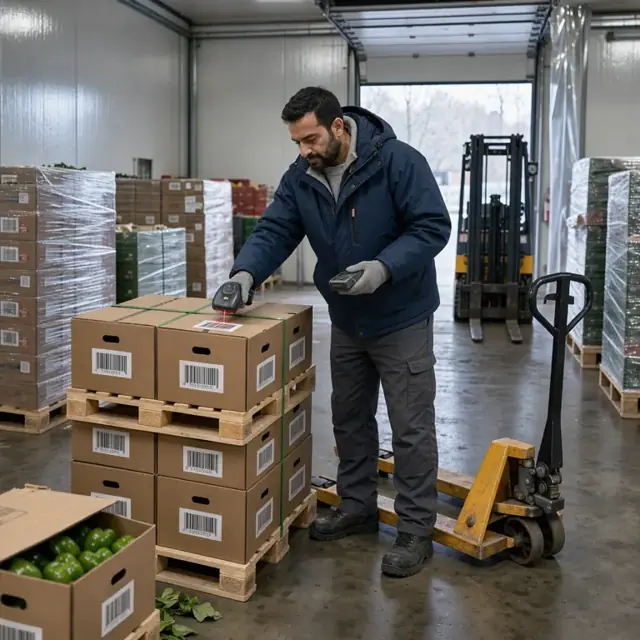
Inventory and Traceability Clerk
Maintain real-time packed inventory, lot movements and generate traceability reports.
Works in: Ambitious Sheets, Ambitious Docs, Ambitious Tasks · Workflows: Inventory and traceability management
Automates
- Updates inventory by lot, grade and location
- Tracks every movement and transformation
- Produces one-up one-down traceability files
- Calculates shrink and available-to-ship quantities
Stops for a person
- A person confirms physical counts during cycle audits
- The owner releases any lots on quality hold

Order and Shipment Coordinator
Match customer orders to available inventory and prepare all shipping documents and instructions.
Works in: Ambitious Tasks, Ambitious Docs, Ambitious Sheets · Workflows: Order processing and shipment
Automates
- Selects matching lots for each order
- Creates pick lists and pallet patterns
- Drafts bills of lading and temperature instructions
- Prepares carrier schedules and labels
Stops for a person
- A person performs final load inspection and temperature verification
- The owner approves all outbound shipments and pricing

Food Safety and Sanitation Clerk
Generate and maintain all daily sanitation, wash-water and food-safety compliance records.
Works in: Ambitious Tasks, Ambitious Sheets, Ambitious Docs · Workflows: Food safety and sanitation records
Automates
- Creates shift-specific checklists
- Logs wash-water chemistry and temperatures
- Tracks training, pest control and cleaning records
- Prepares audit-ready document packets
Stops for a person
- People perform the actual cleaning, testing and verification
- The owner or food-safety manager reviews and signs all records
- The bot never certifies compliance
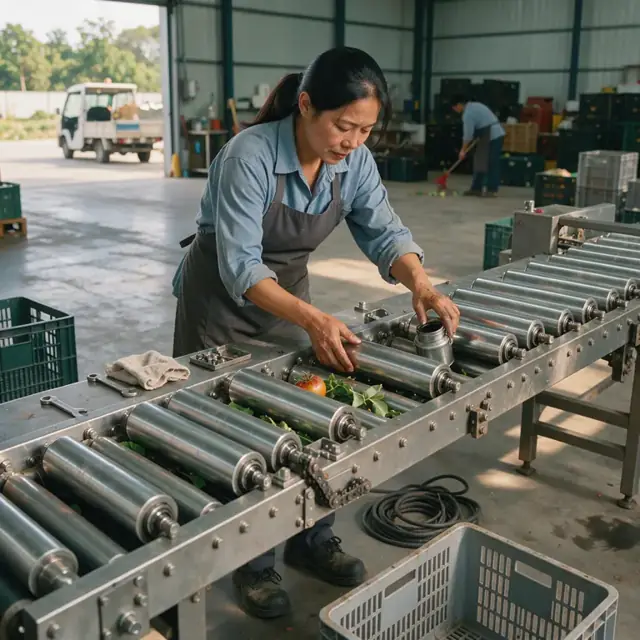
Equipment Maintenance Coordinator
Track and schedule cleaning, lubrication, calibration and seasonal maintenance for all packing and refrigeration equipment.
Works in: Ambitious Tasks, Ambitious Sheets, Process Optimizer · Workflows: Packing line and facility maintenance
Automates
- Generates end-of-shift and changeover task lists
- Tracks wear items and calibration due dates
- Schedules preventive work during off-season
- Documents line readiness after each crop switch
Stops for a person
- Technicians perform the actual maintenance and sign off
- The owner approves major repair expenditures
Workflows
Field load receiving and inspection
Starts when: A truck or trailer arrives with field bins or totes
- Record grower, block, harvest date, variety and bin count
- Sample and inspect for defects, maturity, dirt and foreign material
- Assign a unique lot number and attach traceability tags
- Draft receiving report and flag any loads needing immediate cooling
- Create a task for the grading line
Watch for: Field heat must be removed within hours for many crops; Rejected loads require grower notification and disposition
Grading, sorting and packing
Starts when: After receiving and cooling
- Schedule the line for the lot based on crop and customer specs
- Run through cleaners, sorters, size graders and defect removal
- Divert product to appropriate pack style: bulk bins, bags, clamshells or cartons
- Apply labels with lot code, variety, grade, pack date and country of origin
- Record pack-out yield and divert culls to secondary markets
Watch for: Different crops require specific line setups and speed adjustments; Color and defect thresholds are set per grade standard
Cooling and cold storage management
Starts when: After packing or directly after receiving
- Assign a cooling method and target temperature by crop
- Schedule rooms or forced-air units and track pull-down time
- Monitor and log pulp temperatures during cooling
- Move to long-term storage with FIFO queue
- Set alerts for any temperature deviations
Watch for: Ethylene-sensitive crops must be isolated from producers; Humidity levels vary by commodity to prevent dehydration or decay
Inventory and traceability management
Starts when: Daily and on any movement
- Update packed inventory by lot, grade, pack style and location
- Record all movements from field through storage to shipment
- Generate traceability reports for any lot on demand
- Track shrink, quality hold and rework
- Forecast available inventory by customer order types
Watch for: One-up one-down traceability must be maintained for recalls; Organic, conventional and specialty lots cannot be commingled
Order processing and shipment
Starts when: Customer order or standing contract call
- Match order to available lots meeting grade, size and pack requirements
- Generate pick list and pallet manifest
- Draft bill of lading and load temperature instructions
- Schedule carrier and create shipping labels
- Record shipment and close lot quantities
Watch for: Many buyers require specific pack dates or harvest windows; Temperature loggers must be activated for cold-chain shipments
Food safety and sanitation records
Starts when: Every shift, weekly and on audit dates
- Generate daily sanitation and wash-water checklists
- Log sanitizer concentrations, pH and temperatures
- Track pest control, equipment cleaning and employee hygiene
- Maintain harvest and packing crew training records
- Prepare documentation for GAP or buyer audits
Watch for: Wash water must be changed on a timed or turbidity schedule; All records must be kept for the required retention period
Packing line and facility maintenance
Starts when: End of each shift and seasonal
- Create end-of-run cleaning and lubrication tasks
- Track wear parts and schedule replacements
- Flag calibration needs for scales, thermometers and sensors
- Prepare line for next crop changeover
- Maintain facility refrigeration and cold-room door logs
Watch for: Line changeovers between crops require thorough cleaning to prevent cross-contamination; Seasonal equipment must be winterized or stored properly
Bot templates for this industry
Source: U.S. Small Business Administration, Office of Size Standards, Table of Small Business Size Standards Matched to North American Industry Classification System Codes, version March 2023 (effective 2023-03-17, NAICS 2022). Size standards are shown for reference only.