

Farm Management Services
Farm management services provide day-to-day oversight of crop and livestock operations on behalf of owners. For a service managing multiple leased fields and orchards, the specialists turn owner instructions and sensor data into weekly task lists, turn weather and crop reports into spray and irrigation schedules, and turn harvest forecasts into crew assignments, equipment reservations and buyer contracts. Crop plans, chemical records and regulatory paperwork stay with the farm manager.
What makes this business different
- Multiple fields under different ownership with separate budgets, planting plans and reporting requirements
- Weather-driven scheduling: irrigation, pesticide application, frost protection and harvest must align with forecasts
- Regulatory compliance for nutrient management, pesticide use reports, water rights and conservation plans
- Seasonal labor crews that must be recruited, scheduled and paid with proper documentation
- Shared equipment and vehicles that require maintenance logs, fuel tracking and reservation calendars
- Crop scouting, soil tests, yield mapping and buyer contracts that feed into next-season planning
- Monthly billing to landowners with detailed activity, input and labor reports
Specialist bots

Weekly Task Coordinator
Convert crop plans, sensor data and weather into approved weekly task lists for crews.
Works in: Ambitious Tasks, Ambitious Sheets, Process Optimizer · Workflows: Weekly task list creation, Crop scouting and soil testing coordination
Automates
- Pulls forecast and sensor data
- Matches tasks to crop stage and field plan
- Prioritizes and assigns resources
- Drafts daily crew assignments and scouting routes
Stops for a person
- The farm manager reviews and adjusts all task lists
- Crew leads confirm availability before final dispatch
Irrigation Scheduler
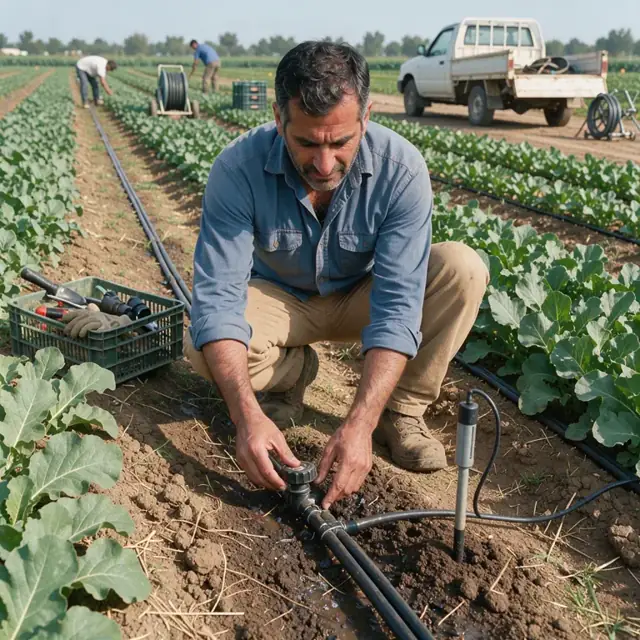
Create daily irrigation schedules based on soil moisture, weather and water rights.
Works in: Ambitious Sheets, Ambitious Tasks, Process Optimizer · Workflows: Irrigation and water scheduling
Automates
- Analyzes sensor and evapotranspiration readings
- Respects current water allocations
- Builds timed schedules by system type
- Logs usage for reporting
Stops for a person
- The irrigation supervisor confirms pump and valve status
- Manager approves any deviation from normal schedule

Pesticide Application Planner
Turn scouting data into spray schedules, maps and record templates.
Works in: Ambitious Tasks, Ambitious Docs, Ambitious Sheets · Workflows: Pesticide and nutrient application planning
Automates
- Matches pest pressure to approved materials
- Calculates rates and buffer zones
- Creates application maps and timing
- Prepares notification and record forms
Stops for a person
- Licensed applicator reviews and signs off on every plan
- Farm manager confirms product inventory and weather window

Harvest Operations Coordinator
Forecast harvest volumes and coordinate crews, equipment and transport to buyers.
Works in: Ambitious Tasks, Ambitious Sheets · Workflows: Harvest crew and equipment coordination
Automates
- Tracks maturity samples against buyer specs
- Projects daily volumes by field
- Assigns crews and reserves machinery
- Schedules cooling and delivery
Stops for a person
- Farm manager approves crew sizes and buyer contracts
- Crew leads confirm labor documentation before work begins
Equipment and Fleet Manager
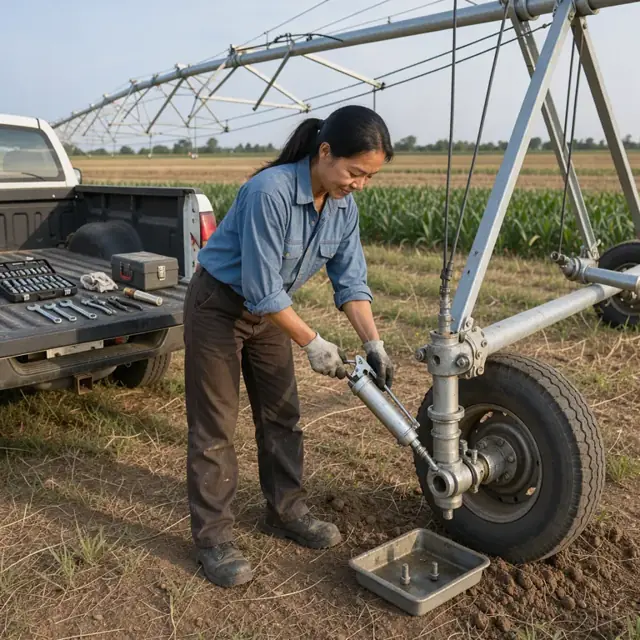
Maintain equipment calendar, maintenance logs and fuel records across all client farms.
Works in: Ambitious Sheets, Ambitious Tasks, Ambitious Docs · Workflows: Equipment reservation and maintenance
Automates
- Matches upcoming tasks to available equipment
- Tracks maintenance and inspection due dates
- Logs fuel and repair costs by job
- Orders routine parts
Stops for a person
- The mechanic approves all repair decisions
- Farm manager authorizes any capital expenditures

Compliance and Reporting Clerk
Assemble pesticide, nutrient, water and conservation records for timely filing.
Works in: Ambitious Docs, Ambitious Sheets, Ambitious Tasks · Workflows: Regulatory and compliance documentation
Automates
- Compiles application and usage logs
- Formats reports by client and jurisdiction
- Tracks license and certification expirations
- Prepares monthly landowner summaries
Stops for a person
- The farm manager reviews all regulatory filings before submission
- People confirm that records meet local requirements

Landowner Billing Specialist
Compile monthly activity reports and draft invoices according to each management contract.
Works in: Ambitious Sheets, Ambitious Docs, Contract Analyzer · Workflows: Landowner billing and contract management
Automates
- Summarizes hours, inputs and services by field
- Applies contract rates and reimbursables
- Drafts itemized invoices
- Tracks contract terms and renewal dates
Stops for a person
- Farm manager approves every invoice before sending
- Owner reviews and approves any additional charges
Workflows
Weekly task list creation
Starts when: Every Monday morning or after major weather event
- Pull current crop stage, soil moisture and weather forecast data
- Compare against the seasonal crop plan for each field
- Generate prioritized task list for irrigation, scouting, spraying, fertilizing and maintenance
- Assign tasks to crew leads or contract services with required equipment
- Draft daily assignments and send for manager approval
Watch for: Tasks must respect buffer zones, re-entry intervals and wind conditions; Different fields may have conflicting chemical or water restrictions
Irrigation and water scheduling
Starts when: Daily at 5am and after rain events
- Read soil moisture sensors and evapotranspiration data by field
- Check water rights allocation and current restrictions
- Build daily irrigation schedule with start times and durations
- Alert on any pump or valve maintenance needs
- Log water usage for monthly reporting
Watch for: Water district rules change by season and drought status; Some fields use drip, others use pivot or flood systems
Pesticide and nutrient application planning
Starts when: When scouting thresholds are met or on calendar dates
- Review scouting reports and pest pressure data
- Match recommended materials to approved product list for each crop
- Create application map, rate, timing and buffer requirements
- Schedule licensed applicator and equipment
- Generate pre-application notification and record template
Watch for: All applications require licensed applicator sign-off; Records must be kept for state pesticide reporting deadlines
Harvest crew and equipment coordination
Starts when: Four weeks before projected harvest window and weekly thereafter
- Monitor maturity samples and buyer specifications
- Forecast daily harvest volume by field
- Assign contract crews and reserve harvesters, bins and trucks
- Schedule cooling, packing and transport to buyer
- Track completed acres and remaining inventory
Watch for: Labor must have proper I-9 and safety training documentation; Buyer contracts have tight delivery windows and quality specs
Equipment reservation and maintenance
Starts when: Weekly and before major operations
- Check upcoming task list against equipment needs
- Reserve tractors, sprayers, harvesters and vehicles
- Pull maintenance and safety inspection logs
- Order parts or schedule shop service when needed
- Track fuel usage and costs by job
Watch for: Equipment is shared across multiple client farms; Preventive maintenance must follow manufacturer and insurance schedules
Regulatory and compliance documentation
Starts when: After each application, monthly and on renewal dates
- Compile pesticide use, fertilizer application and water usage logs
- Generate nutrient management and conservation practice reports
- Track expiration dates for licenses, certifications and insurance
- Assemble monthly activity summary for each landowner
- Flag any upcoming inspections or filing deadlines
Watch for: Each state and county has unique reporting formats and deadlines; Records must distinguish between client farms
Landowner billing and contract management
Starts when: End of each month and at season start
- Summarize labor, inputs, equipment and service hours by field
- Apply contract rates and any reimbursables
- Draft itemized invoice and supporting reports
- Track contract renewals and amendments
- Monitor payments and flag past due
Watch for: Some contracts are fixed fee, others are percentage of crop value; All expenditures require landowner approval before payment
Crop scouting and soil testing coordination
Starts when: Weekly during growing season and before key applications
- Generate scouting routes and checklists by field and crop stage
- Schedule soil, tissue and water sampling with lab submission forms
- Record findings and integrate into task lists and application plans
- Track trends for next-season crop planning
- Draft summary reports for the farm manager
Watch for: Scouting must identify economic thresholds for treatment; Sample results must be available before spray or fertilizer decisions
Bot templates for this industry
- Farm Management Services (7 bots)
Source: U.S. Small Business Administration, Office of Size Standards, Table of Small Business Size Standards Matched to North American Industry Classification System Codes, version March 2023 (effective 2023-03-17, NAICS 2022). Size standards are shown for reference only.