

Support Activities for Animal Production
Support Activities for Animal Production businesses provide services such as artificial insemination, breeding program management, livestock health monitoring, feed management, and mobile veterinary support across client farms and ranches. For an operation handling weekly breeding schedules, daily health observations, feed inventory, mobile service routes and regulatory paperwork for multiple client livestock operations, the specialists turn client requests into scheduled service tasks, observation data into treatment alerts and breeding plans, usage logs into reorder lists, and daily routes into completed records while on-site technicians and licensed veterinarians retain responsibility for all animal contact, medical decisions and final regulatory filings.
What makes this business different
- Strict biosecurity protocols that vary by species, client operation and season, including equipment sterilization between every site
- Breeding calendars driven by species-specific estrus cycles, gestation periods and seasonal windows
- Daily livestock health observations logged with animal IDs, photos, symptoms, vital signs and immediate isolation flags
- Feed, supplement and veterinary supply inventory managed with just-in-time ordering, par levels, expiration tracking and waste prevention
- Mobile service routes across dispersed client sites with time windows, biosecurity sequencing and required protective equipment
- Regulatory paperwork including drug-use logs, movement records, health certificates and brand inspections that must be reviewed and signed by licensed personnel
- Client-specific animal care plans tracking individual histories, pedigrees, vaccinations and treatment records
Specialist bots

Service Intake Coordinator
Convert every client request into a confirmed, scheduled service task with all required details and biosecurity flags.
Works in: Ambitious Tasks, Ambitious Docs, Email Buckets · Workflows: Service request intake and scheduling
Automates
- Reads incoming requests from multiple channels
- Matches service type to technician skills, equipment and biosecurity rules
- Checks against calendars, estrus cycles and client history
- Drafts confirmations and preparation instructions
- Creates structured service tasks with attached details
Stops for a person
- The lead technician approves any non-standard service requests
- A person sends all client confirmations and handles payment
- Urgent health issues are escalated immediately to a licensed veterinarian

Livestock Health Monitor
Turn daily observation logs, vital signs and photos into structured health records and alert flags for follow-up.
Works in: Ambitious Tasks, Ambitious Docs, Ambitious Sheets · Workflows: Daily health monitoring and logging
Automates
- Organizes observations by animal or pen ID
- Attaches and tags timestamped photos to each record
- Flags abnormal readings against baseline values for each species
- Builds daily client summary reports from the logs
Stops for a person
- The on-site technician confirms all symptom assessments and photo accuracy
- Any treatment recommendation is reviewed and decided by a licensed veterinarian
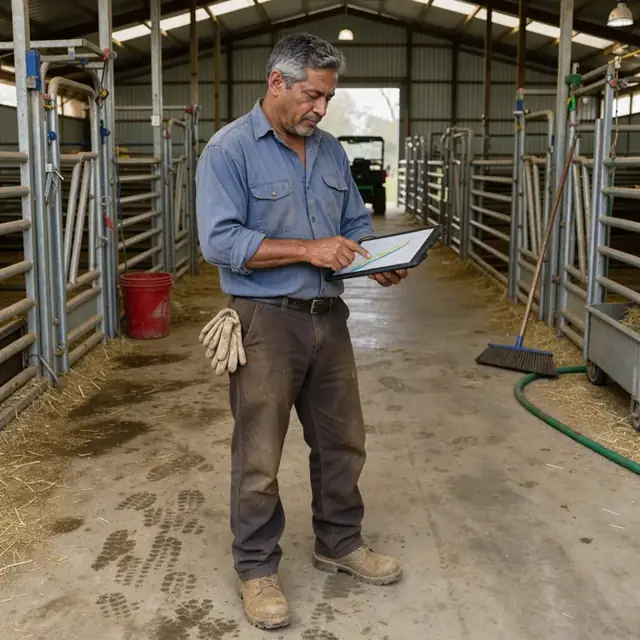
Breeding Program Planner
Maintain breeding calendars and create weekly insemination schedules aligned to reproductive cycles and inventory.
Works in: Ambitious Tasks, Ambitious Sheets, Process Optimizer · Workflows: Breeding and reproduction scheduling
Automates
- Predicts estrus and due dates from historical logs and cycle data
- Builds weekly service schedules by client and species
- Tracks semen, embryo and breeding stock inventory
- Generates client preparation instructions and logs events
Stops for a person
- The breeding technician confirms all schedule assignments and sire selections
- The owner approves any changes to timing or breeding stock
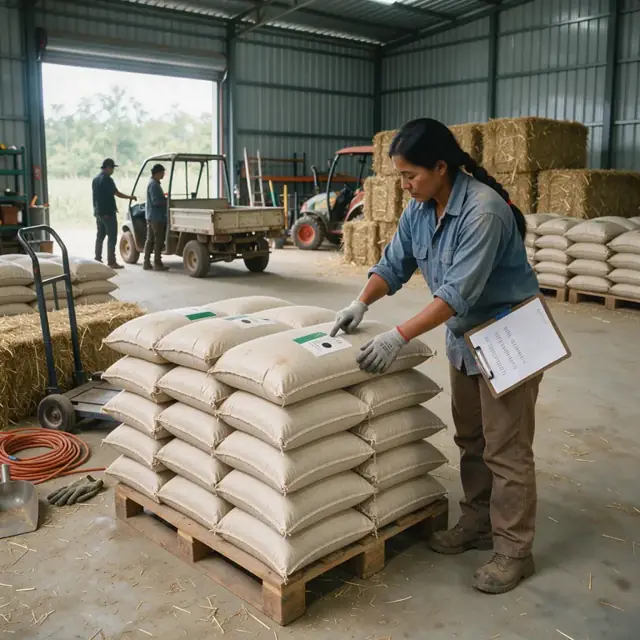
Feed and Supply Manager
Track consumption, maintain par levels and draft orders for feed, supplements and veterinary supplies across client sites.
Works in: Ambitious Sheets, Ambitious Tasks, Ambitious Docs · Workflows: Feed and supply inventory management
Automates
- Calculates usage from daily logs and service records
- Subtracts current inventory and projects upcoming needs
- Creates supplier-specific reorder lists
- Monitors expiration dates on medications and vaccines
Stops for a person
- The owner places and pays for every order
- Any feed or medication substitution is approved by the lead technician

Mobile Route Dispatcher
Build daily service routes that respect geography, biosecurity sequencing, equipment needs and time windows.
Works in: Ambitious Tasks, Ambitious Docs · Workflows: Mobile service route planning
Automates
- Clusters visits by location, biosecurity order and species
- Optimizes drive sequence, time windows and drive times
- Lists required equipment, sterilization steps and protective gear
- Prepares client arrival notices and movement documents
Stops for a person
- The technician driving the truck approves final route changes for weather, road conditions or emergencies
- All client notifications are reviewed and approved before sending

Compliance and Records Clerk
Compile treatment logs, populate regulatory forms and track licenses, certificates and animal histories.
Works in: Ambitious Docs, Ambitious Sheets, Ambitious Tasks · Workflows: Veterinary records and regulatory compliance
Automates
- Assembles drug use, vaccination and treatment records from field logs
- Populates health certificate, movement and brand inspection forms
- Tracks renewal dates for licenses, accreditations and client agreements
- Maintains animal treatment histories, pedigrees and care plans
Stops for a person
- A licensed veterinarian reviews and signs all medical and regulatory documents
- The owner confirms which rules and formats apply to each client and jurisdiction
- People perform all final submissions, filings and inspections
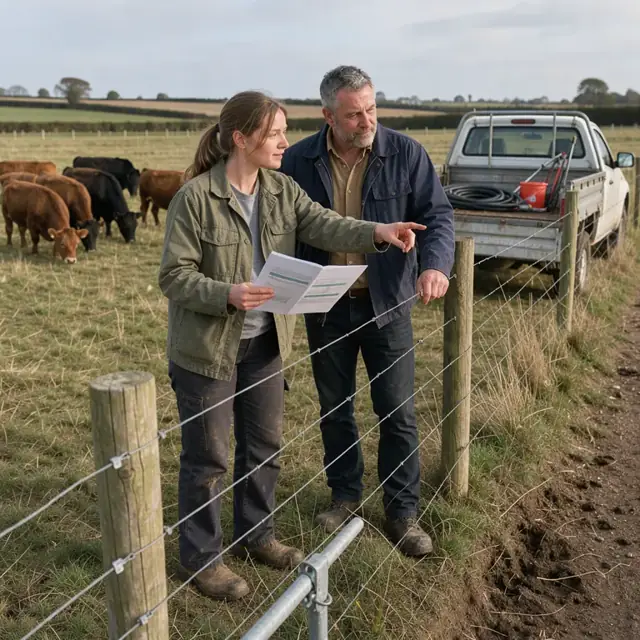
Client Success and Follow-up Host
Send visit summaries, remind clients of upcoming seasonal windows and draft service proposals.
Works in: Ambitious Tasks, Email Buckets, Ambitious Docs · Workflows: Client follow-up and seasonal planning
Automates
- Drafts thank-you notes and results summaries after each visit
- Creates reminders for upcoming breeding, weaning or vaccination windows
- Updates and distributes revised individual animal care plans
- Prepares draft proposals for expanded or seasonal services
Stops for a person
- The owner reviews and approves every message sent to clients
- All proposals for new or expanded work are approved before presentation
Workflows
Service request intake and scheduling
Starts when: A client submits a request by form, text, email or phone for breeding, health check or other support
- Capture the requested service, number of animals, location, animal IDs and any special notes or history
- Check against technician availability, truck equipment, biosecurity rules for that client site and species requirements
- Assign to the correct breeding or health calendar based on estrus cycle, urgency or seasonal window
- Draft confirmation with proposed date, assigned technician and any client preparation instructions
- Create a structured service task with all details attached for the field team
Watch for: Breeding services must align precisely with detected estrus windows; New or sick animals trigger isolation and enhanced biosecurity protocols before any visit
Daily health monitoring and logging
Starts when: Start of each day or upon arrival at a client site
- Pull the list of animals or pens scheduled for observation that day from the care plans
- Record vital signs, behavior, feed intake, symptoms and attach timestamped photos to each animal ID
- Flag any animals showing abnormalities for immediate follow-up treatment or veterinary review
- Update the shared client health dashboard
- Generate a daily summary report for the client and internal records
Watch for: Early signs of contagious illness require immediate isolation notes and client alerts; All photos must be tagged to the correct animal ID and timestamped
Breeding and reproduction scheduling
Starts when: Weekly review of all client breeding calendars
- Review estrus detection logs, cycle predictions and historical data for each species and client
- Build the weekly artificial insemination or natural service schedule
- Confirm semen, embryo or breeding stock inventory and shipping status
- Draft client preparation instructions and confirm visit time windows
- Log all scheduled breeding events with sire details and projected due dates
Watch for: Gestation tracking must feed forward into future calving, lambing or foaling schedules; Semen straws and embryos are tracked by batch, sire pedigree and storage location
Feed and supply inventory management
Starts when: After each use or weekly
- Record feed, supplement and veterinary supply usage from daily logs and service tasks
- Calculate remaining stock against consumption rates, par levels and upcoming scheduled needs
- Draft reorder lists by supplier for hay, grain, minerals, medications and vaccines
- Track expiration dates on all medications, vaccines and perishable supplements
- Adjust par levels based on seasonal herd size changes or client forecasts
Watch for: Feed must be ordered and delivered to prevent mold, spoilage or shortages on client sites; Medications require specific storage, temperature logs and usage documentation
Mobile service route planning
Starts when: Night before or morning of each service day
- Group all scheduled visits by geographic cluster, biosecurity sequencing and species
- Build an optimized daily route with drive times, time windows and equipment requirements
- Assign required sterilization supplies, protective gear and species-specific tools to each truck
- Draft client arrival notifications and any required movement or health documents
- Log completed services, deviations and post-visit sterilization confirmation
Watch for: Equipment and vehicles must be fully cleaned and disinfected between every client site; Certain clients require specific boot dips, coveralls or entry protocols
Veterinary records and regulatory compliance
Starts when: After each treatment and on regulatory deadlines
- Compile drug use, vaccination, treatment logs and health observations from daily entries
- Populate health certificates, movement permits, brand inspection forms and pedigree records
- Track expiration dates for technician licenses, accreditations, client agreements and vehicle permits
- Maintain complete animal treatment histories and update care plans
- Prepare summary reports for client review and potential regulatory inspections
Watch for: Drug withdrawal periods must be strictly observed and documented before any sale or slaughter; Paperwork formats and requirements differ by state and federal jurisdiction
Client follow-up and seasonal planning
Starts when: After service completion and before seasonal windows
- Draft thank-you notes and results summaries for each completed visit
- Remind clients of upcoming breeding, weaning, vaccination or health check windows
- Update and share revised individual animal care plans
- Draft proposals for expanded services or seasonal contracts
Watch for: All client communications require owner approval before sending; Seasonal events such as calving or foaling seasons need advance coordination with clients
Bot templates for this industry
- Equine Barns Stables (3 bots)
- Support Activities for Animal Production (7 bots)
Source: U.S. Small Business Administration, Office of Size Standards, Table of Small Business Size Standards Matched to North American Industry Classification System Codes, version March 2023 (effective 2023-03-17, NAICS 2022). Size standards are shown for reference only.