

Crude Petroleum Extraction
Crude petroleum extraction operators manage well sites, drilling schedules, regulatory filings, equipment maintenance and daily production reporting. Specialists convert regulatory notices and field reports into permit application packages, turn production forecasts and gauge data into daily pump schedules and trucking plans, monitor equipment status and parts inventory, prepare royalty statements and tax documents, and track environmental sampling and inspection deadlines. Recipes for chemical treatments, pricing and all safety calls stay with the operator. All final regulatory submissions, expenditures, sign-offs and filings remain with licensed personnel.
What makes this business different
- Federal, state and local permits for drilling, fracking, flaring, water use and injection that must be renewed or amended on strict timelines
- Daily production volumes, pressure readings, tank levels and water cuts reported to multiple agencies with exact reconciliation
- Maintenance of high-value downhole tools, beam pumps, separators, gathering lines and safety devices with long lead times for replacement parts
- Coordination of workover rigs, vacuum trucks, hot-oil trucks and water-hauling schedules around weather, road weight limits and seasonal access
- Royalty payments, severance taxes and joint-interest billing that require precise volume allocation, pricing and deduction data
- Environmental sampling, spill prevention plans, emission inventories, mechanical integrity tests and blowout preventer certifications
- Remote well pads with limited connectivity, 24/7 SCADA monitoring, seasonal road restrictions and requirements for certified contractors
Specialist bots
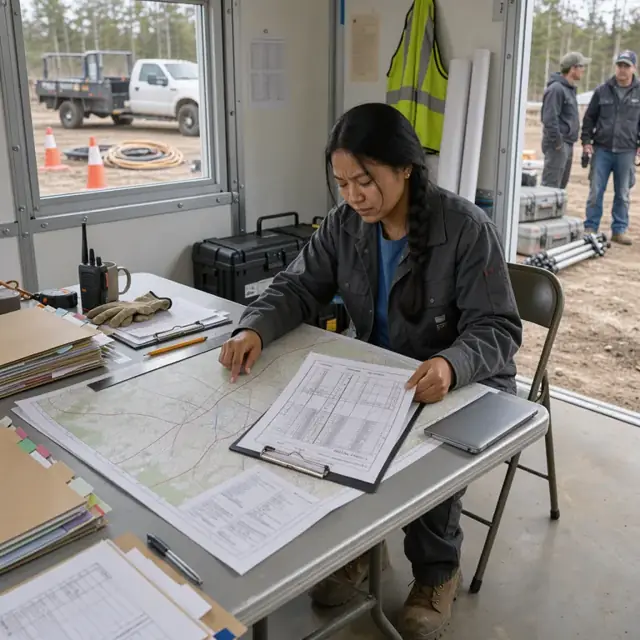
Permit Coordinator
Convert regulatory notices and well data into complete permit application packages and track approval status.
Works in: Ambitious Docs, Ambitious Tasks, Ambitious Sheets · Workflows: Permit application and renewal
Automates
- Pulls well records, plats and prior approvals
- Populates application forms and assembles attachments
- Tracks expiration dates and renewal windows
- Flags missing environmental studies or bonding increases
Stops for a person
- Licensed operator reviews, signs and files every submission
- Field personnel confirm site-specific conditions before routing
- People handle all agency negotiations, appeals and conditions of approval
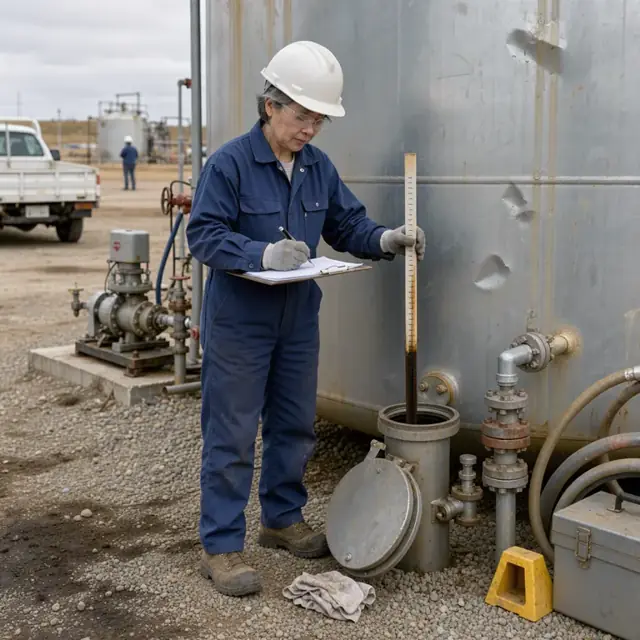
Production Data Analyst
Reconcile daily gauge sheets, meter readings and truck tickets into accurate production reports.
Works in: Ambitious Sheets, Ambitious Tasks, Ambitious Docs · Workflows: Daily production reporting and gauging
Automates
- Imports SCADA downloads and pumper gauge data
- Reconciles tank levels, meter totals and water cuts
- Calculates daily, monthly and cumulative volumes
- Flags variances outside allowable thresholds
Stops for a person
- Pumpers verify anomalous readings on location
- Operations manager approves final daily and monthly reports before submission
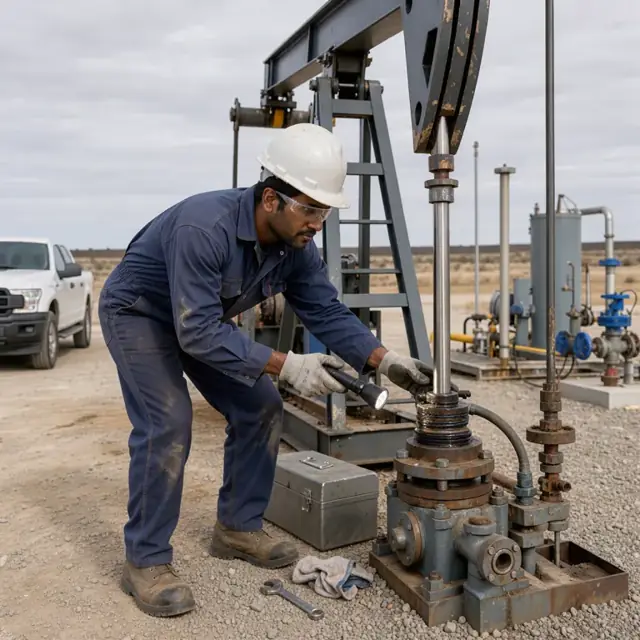
Maintenance Scheduler
Prioritize equipment repairs and coordinate rigs and service crews with weather and road conditions.
Works in: Ambitious Tasks, Ambitious Sheets, Process Optimizer · Workflows: Equipment maintenance and workover scheduling
Automates
- Reviews sensor trends, runtime hours and recent well tests
- Builds prioritized daily and weekly work lists
- Matches service company calendars to site availability windows
- Generates safety procedure and lockout checklists
Stops for a person
- Field supervisor approves all work orders and schedules
- Certified mechanics and welders perform and sign off on repairs

Inventory and Procurement Coordinator
Maintain minimum stock levels for critical spares and consumables across multiple well sites.
Works in: Ambitious Sheets, Ambitious Tasks, Ambitious Docs · Workflows: Parts and consumables inventory
Automates
- Compares current stock to minimum levels for each location
- Forecasts usage from maintenance schedule and failure history
- Drafts purchase orders by vendor and part number
- Tracks lead times and delivery status to remote pads
Stops for a person
- Operations manager authorizes all purchases and expenditures
- Field hands confirm receipt, condition and proper storage of delivered parts

Trucking and Logistics Dispatcher
Monitor tank levels and schedule oil, water and disposal haulers to prevent overflows.
Works in: Ambitious Tasks, Ambitious Sheets, Process Optimizer · Workflows: Water, oil and disposal trucking dispatch
Automates
- Tracks real-time tank levels and forecasts fill times
- Creates daily dispatch lists, routes and load volumes
- Generates manifests, chain-of-custody and bill-of-lading forms
- Reconciles delivery tickets against production volumes
Stops for a person
- Truck drivers confirm loads, delivery points and transfer volumes
- Site operator verifies all transfers and signs manifests before trucks depart

Regulatory Compliance Clerk
Assemble monthly, quarterly and event-driven environmental and production reports for review.
Works in: Ambitious Docs, Ambitious Sheets, Ambitious Tasks · Workflows: Regulatory and environmental reporting
Automates
- Aggregates production, injection, flare and sampling data
- Populates agency forms and emission inventories
- Tracks sampling schedules and inspection deadlines
- Organizes supporting documentation into submission packages
Stops for a person
- Licensed environmental or operations manager reviews every filing
- People sign, submit all official reports and handle any agency follow-up

Royalty and Joint Interest Accountant
Allocate production volumes, calculate payments and prepare owner statements each month.
Works in: Ambitious Sheets, Ambitious Docs, Ambitious Tasks · Workflows: Royalty and joint-interest billing
Automates
- Allocates volumes by ownership decimal interest
- Applies current pricing, deductions and operating costs
- Generates statements, invoices and payment files
- Flags title defects or division-order discrepancies
Stops for a person
- Land or accounting manager approves all payments and statements
- Any suspense items or ownership changes are reviewed by legal or land department
Workflows
Permit application and renewal
Starts when: Regulatory notice, expiration date or new drilling proposal
- Pull current well status, location coordinates, operator data and prior approvals from records
- Assemble permit application or renewal package with required plats, bonds and environmental attachments
- Flag missing studies, updated bonding amounts or cultural resource surveys
- Route completed package for licensed operator review and signature before agency filing
- Track agency review timelines, send status reminders and log any conditions of approval
Watch for: Different agencies require different formats, bonding levels and public notice periods; Incomplete applications can halt drilling or workovers for months
Daily production reporting and gauging
Starts when: Each morning after field gauge sheets and SCADA downloads arrive
- Ingest pumper gauge sheets, SCADA meter readings, truck tickets and daily tank levels
- Reconcile oil, gas, water volumes, basic sediment and water cuts against meter totals
- Calculate daily and monthly averages for state, federal and tribal reports
- Flag anomalies that exceed allowable variance or trigger automatic shut-in
- Draft production report with supporting data for operator approval and submission
Watch for: Accurate volumes directly affect royalty calculations and tax payments; Late or incorrect reports trigger audits, penalties or lease disputes
Equipment maintenance and workover scheduling
Starts when: Preventive schedule, sensor alert, failure report or inspection due date
- Review sensor trends, recent well tests, fluid levels and runtime hours for each asset
- Build prioritized work list for pumps, rods, tubing, separators, valves and safety devices
- Coordinate rig, pulling unit and service company availability with weather and road access windows
- Draft work orders including lockout-tagout, confined-space and H2S procedures
- Update maintenance log, equipment history and certification records after service completion
Watch for: Downhole failures require specialized pulling units with multi-week lead times; Certain repairs require API-licensed contractors, certified welders or pressure tests
Parts and consumables inventory
Starts when: Weekly stock check, after each workover and on low-stock alerts
- Compare current on-site and warehouse stock against minimum levels for critical spares
- Forecast usage based on upcoming maintenance schedule and historical failure rates
- Draft purchase orders for tubulars, chemicals, valves, PPE, gauges and downhole tools
- Track vendor lead times, shipping status and delivery to each remote pad
- Log consumption, transfers, waste and hazardous material manifests for cost reporting
Watch for: Many critical parts have multi-month lead times and must be ordered before failure; Hazardous chemicals and radioactive sources require special storage, manifests and disposal records
Water, oil and disposal trucking dispatch
Starts when: Daily tank level thresholds, scheduled hauls or post-workover spikes
- Monitor real-time tank levels across all pads and forecast fill times using recent production data
- Create daily dispatch list for oil buyers, water haulers, vacuum trucks and hot-oil units
- Assign routes, time windows and load volumes accounting for road weight limits and disposal capacity
- Generate shipping manifests, chain-of-custody and bill-of-lading documents
- Record delivery tickets and reconcile volumes against daily production reports
Watch for: Produced water volumes can spike after rain, workovers or chemical treatments; Disposal wells and injection facilities have strict daily volume limits
Regulatory and environmental reporting
Starts when: Monthly, quarterly, annual or event-based deadlines
- Aggregate production, injection, flare, chemical usage and sampling data from all sources
- Draft emission inventories, spill reports, mechanical integrity tests and annual chemical disclosures
- Prepare supporting documentation for groundwater, air and soil sampling results
- Organize all files and forms for licensed operator review and signature
- Track submission confirmations and maintain audit-ready records
Watch for: Multiple overlapping federal, state, tribal and local reporting calendars; Any discrepancy can trigger lease audits, fines or corrective action plans
Royalty and joint-interest billing
Starts when: End of each production month
- Allocate monthly production volumes to each mineral interest owner and working interest partner
- Apply current posted pricing, transportation deductions and allowable operating costs
- Draft owner statements, joint-interest invoices and division orders
- Flag any suspense accounts, title defects or heirship issues
- Prepare payment files for approval, transmission and bank transfer
Watch for: Complex ownership changes and heirship issues require constant updates to pay decks; Payments must be made on strict statutory timelines to avoid penalties
Bot templates for this industry
- Crude Petroleum Extraction (7 bots)
Source: U.S. Small Business Administration, Office of Size Standards, Table of Small Business Size Standards Matched to North American Industry Classification System Codes, version March 2023 (effective 2023-03-17, NAICS 2022). Size standards are shown for reference only.