

Natural Gas Extraction
Natural gas extraction operators manage well sites, production schedules, regulatory filings and daily output. For an operator running multiple producing wells with gathering lines, the specialists turn daily production data into verified reports, schedule maintenance and inspections, turn permit and compliance deadlines into tracked tasks, maintain equipment and spare-parts inventory, and convert volume and pressure readings into billing statements and royalty payments. Safety, environmental and lease requirements stay with the operations manager.
What makes this business different
- Daily well production volumes, pressures, temperatures and flow rates that must be captured accurately from SCADA or field devices
- Regulatory reporting to state and federal agencies on production, flaring, emissions and water use with strict deadlines
- Scheduled and unscheduled maintenance on wells, compressors, separators and gathering lines
- Equipment and parts inventory across remote well pads with long lead times for specialized items
- Lease and royalty agreements that require accurate volume allocation and timely payments to mineral owners
- Environmental and safety inspections, blowout preventer tests, pressure vessel certifications and leak detection surveys
- Seasonal weather impacts on access roads, freeze protection and hurricane or storm shutdown procedures
- Permit renewals, bonding requirements and compliance with venting, flaring and emissions rules
Specialist bots

Production Data Clerk
Capture, verify and report daily well production volumes and operating data.
Works in: Ambitious Sheets, Ambitious Docs, Ambitious Tasks · Workflows: Daily production data capture and verification
Automates
- Pulls readings from SCADA uploads and field sheets
- Compares values against decline curves and flags outliers
- Allocates volumes by lease
- Drafts the daily production report
Stops for a person
- Operations manager reviews and approves all daily reports
- Any meter discrepancies are resolved by a field technician

Maintenance Coordinator
Build and track maintenance schedules for wells, compressors and surface equipment.
Works in: Ambitious Tasks, Ambitious Sheets · Workflows: Well and equipment maintenance scheduling
Automates
- Reviews equipment runtime and test data
- Creates 30-day work order calendar
- Assigns parts and safety requirements to each order
- Updates asset history after completion
Stops for a person
- Field supervisor approves schedule and any changes
- Hot-work or confined-space permits are signed by the operations manager

Regulatory Compliance Clerk
Assemble production, emissions and inspection data for timely regulatory filings.
Works in: Ambitious Docs, Ambitious Sheets, Ambitious Tasks · Workflows: Regulatory and compliance reporting, Inspections, permits and safety compliance
Automates
- Aggregates monthly volumes and flaring data
- Populates agency report templates
- Tracks inspection and permit due dates
- Maintains compliance calendar
Stops for a person
- Operations manager confirms accuracy of every number before submission
- People handle all agency correspondence and filings
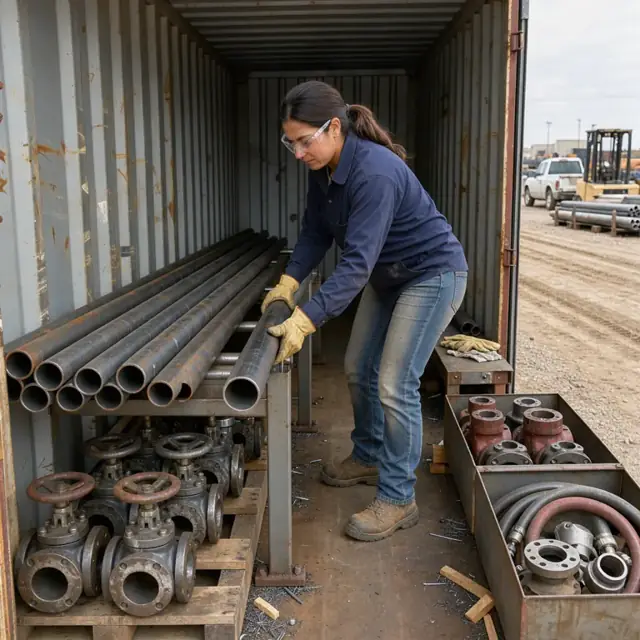
Inventory and Parts Manager
Maintain accurate stock of downhole tools, surface equipment, chemicals and consumables across locations.
Works in: Ambitious Sheets, Ambitious Tasks · Workflows: Equipment, parts and consumables inventory
Automates
- Tracks usage by well and job type
- Calculates reorder points based on lead times
- Generates purchase lists for critical spares
- Adjusts inventory after each withdrawal or delivery
Stops for a person
- Purchasing decisions and spending are approved by the operations manager
- High-pressure equipment certifications are verified by a qualified person
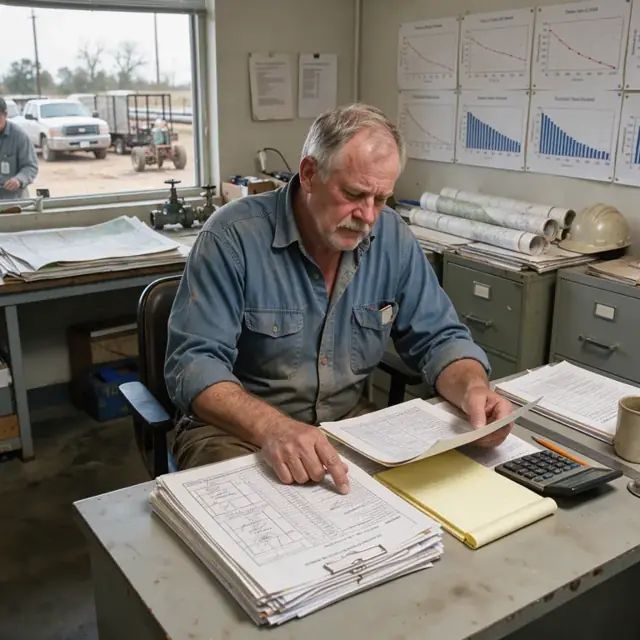
Royalty and Revenue Accountant
Allocate production volumes, calculate royalties and prepare owner statements and payments.
Works in: Ambitious Sheets, Ambitious Docs, Ambitious Tasks · Workflows: Royalty and revenue allocation
Automates
- Allocates measured volumes to each lease interest
- Applies contract deduction terms
- Drafts royalty statements and payment files
- Reconciles payments against bank records
Stops for a person
- Operations manager reviews all statements before they are sent
- Any title disputes or ownership changes are handled by land staff

Safety and Inspection Coordinator
Prepare inspection checklists, track test results and maintain safety and environmental compliance records.
Works in: Ambitious Tasks, Ambitious Docs, Ambitious Sheets · Workflows: Inspections, permits and safety compliance
Automates
- Generates daily and periodic safety checklists
- Logs pressure test and leak survey results
- Tracks training and incident documentation
- Prepares permit renewal packages
Stops for a person
- All corrective actions and certifications are approved by the operations manager
- The bot never certifies compliance

Emergency and Weather Dispatcher
Create shutdown plans for severe weather or operational emergencies and coordinate field response.
Works in: Ambitious Tasks, Process Optimizer, Ambitious Docs · Workflows: Weather and emergency shutdown planning
Automates
- Identifies at-risk wells and lines from weather forecasts
- Builds prioritized shutdown sequences
- Drafts notifications to stakeholders
- Logs all actions taken during events
Stops for a person
- Field operations manager approves every shutdown and restart plan
- Purchaser coordination and regulatory notifications are handled by people
Workflows
Daily production data capture and verification
Starts when: Each morning when field data uploads or is entered
- Pull volume, pressure, temperature and runtime readings from SCADA or daily gauge sheets
- Flag anomalies against historical averages and expected decline curves
- Reconcile meter readings with allocation to each lease or well
- Draft daily production report for operations review
- Update inventory of produced water and condensate tanks
Watch for: Accurate measurement is required for royalty and regulatory reporting; Production shortfalls must be explained before the end of the month
Well and equipment maintenance scheduling
Starts when: Weekly review or when runtime hours, pressure drop or sensor triggers maintenance
- Review compressor run hours, separator levels and well test data
- Build a 30-day maintenance calendar using equipment service intervals
- Assign work orders to technicians with required parts and permits
- Schedule hot work or confined-space entries with safety checklists
- Update asset records after each service
Watch for: Downstream pipeline pressure limits affect when wells can be taken offline; Certain maintenance requires regulatory notification or shutdown approval
Regulatory and compliance reporting
Starts when: Monthly production cutoff, quarterly emissions deadlines or permit milestone dates
- Aggregate daily production, flaring and water disposal volumes
- Populate state production reports and federal GHG or emissions inventories
- Track inspection due dates for BOPs, pressure vessels and leak surveys
- Draft filing packages for agency submission
- Maintain compliance calendar for permit renewals and bonding
Watch for: Exact volumes and dates must match what was measured in the field; The operations manager confirms all numbers before filing
Equipment, parts and consumables inventory
Starts when: Weekly cycle count and when work orders consume stock
- Track tubing, valves, chokes, gauges, chemicals and PPE across well sites
- Forecast reorder quantities based on historical usage and lead times
- Generate purchase requests for long-lead items such as compressors or downhole tools
- Adjust inventory after each maintenance job or delivery
- Flag critical spares that would shut in a well if unavailable
Watch for: Remote locations mean parts must be ordered well in advance; Certain high-pressure equipment has certification and traceability requirements
Royalty and revenue allocation
Starts when: End of each production month
- Allocate measured gas, condensate and water volumes to each lease and mineral owner
- Apply contract terms for deductions, transportation and processing fees
- Draft division orders, royalty statements and payment runs
- Reconcile payments against actual bank transfers
- Flag any owner address changes or title disputes
Watch for: Royalty owners must receive statements before payment deadlines; Lease terms vary and some require minimum volume commitments
Inspections, permits and safety compliance
Starts when: Scheduled inspection dates, permit expiration notices or after any incident
- Generate pre-inspection checklists for wells, tanks and pipelines
- Log results from pressure tests, leak detection and environmental surveys
- Track permit applications, modifications and expirations
- Maintain records of safety meetings, training and incident reports
- Draft renewal packages for state and federal agencies
Watch for: Specific test methods and frequencies are dictated by regulation; All corrective actions require operations manager sign-off
Weather and emergency shutdown planning
Starts when: Seasonal forecasts, storm warnings or freeze alerts
- Identify wells and lines at risk from freezing, flooding or high winds
- Build a prioritized shutdown and restart sequence
- Draft notifications to purchasers, regulators and field crews
- Verify chemical injection and methanol pumps are stocked
- Log all actions taken during the event
Watch for: Certain pipelines cannot be shut in without purchaser coordination; Restart procedures must follow strict pressure and temperature protocols
Bot templates for this industry
- Natural Gas Extraction (7 bots)
Source: U.S. Small Business Administration, Office of Size Standards, Table of Small Business Size Standards Matched to North American Industry Classification System Codes, version March 2023 (effective 2023-03-17, NAICS 2022). Size standards are shown for reference only.