

Surface Coal Mining
Surface coal mining operators remove overburden, extract coal seams with heavy equipment, process run-of-mine coal, load it for transport and reclaim disturbed land. For a mid-size surface mine that drills, blasts, loads, hauls, crushes and ships coal by truck or rail while meeting reclamation and environmental obligations, the specialists turn drill-and-blast schedules into daily face plans, production data into loadout and shipping manifests, and reclamation tasks into progress reports. Blasting permits, dust control, water management and bond releases stay with the mine manager and engineers.
What makes this business different
- Drill-and-blast sequences governed by state and federal permits with strict vibration, noise and fly-rock limits
- Daily production targets tracked by seam, quality specs (BTU, ash, sulfur) and customer contracts
- Heavy equipment fleets with preventive maintenance, fuel, parts and operator certifications
- Overburden and spoil management, sediment ponds, water treatment and dust suppression systems
- Weigh-out and sampling at the loadout, with chain-of-custody for commercial coal shipments
- Reclamation bonding, progressive backfilling, seeding, monitoring wells and annual reporting
- MSHA training records, safety inspections, incident reporting and equipment certifications
Specialist bots
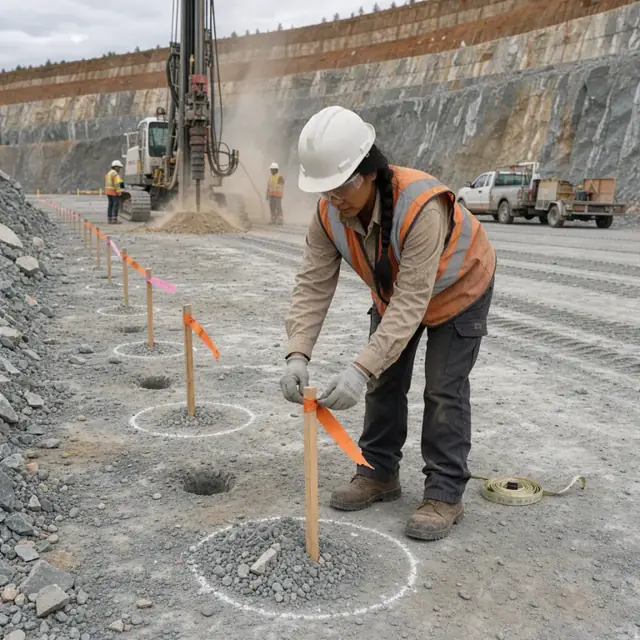
Blast Planner
Convert the mine plan into drill patterns, blast designs and permit applications.
Works in: Process Optimizer, Ambitious Docs, Ambitious Sheets · Workflows: Drill and blast planning
Automates
- Calculates burden, spacing and powder factor from seam data
- Predicts ground vibration and drafts blast permit forms
- Generates face maps and exclusion zone diagrams
- Schedules drill and blast crews
Stops for a person
- The certified blaster and mine manager approve every blast design
- A person signs and files the permit application
- The engineer confirms vibration predictions against site geology

Production Dispatcher
Assign equipment and crews to daily mining tasks and record shift production.
Works in: Ambitious Tasks, Ambitious Sheets · Workflows: Daily production dispatch and reporting
Automates
- Assigns trucks, loaders and dozers to pit areas
- Logs tons moved and coal loaded by seam
- Tracks equipment hours and fuel consumption
- Compiles the daily production report
Stops for a person
- The shift supervisor approves crew assignments and adjusts for breakdowns
- The mine manager reviews and signs the production report
- Quality control samples are taken and verified by people
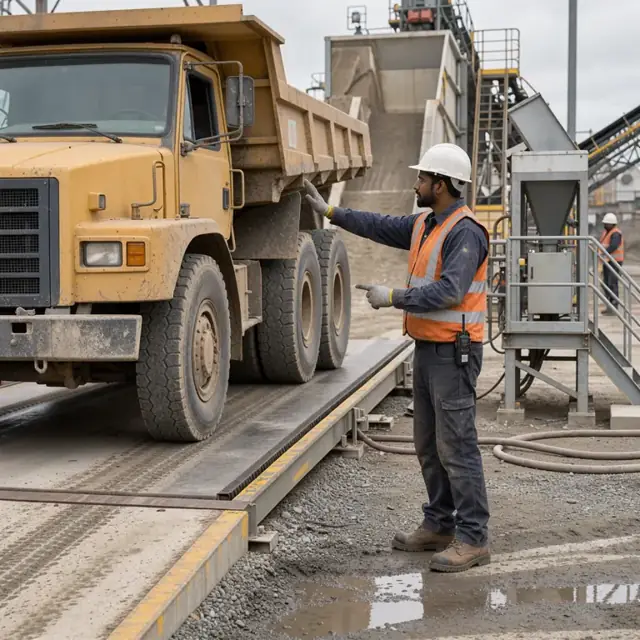
Loadout and Shipping Coordinator
Manage coal weighing, sampling, manifests and customer shipments.
Works in: Ambitious Tasks, Ambitious Docs, Ambitious Sheets · Workflows: Loadout and shipping
Automates
- Records scale weights and generates bills of lading
- Logs quality samples and chain-of-custody
- Updates rail or truck schedules
- Drafts shipping manifests for customer approval
Stops for a person
- A certified scale operator and sampler perform and verify each load
- The sales group approves coal quality before shipment
- A person signs all commercial documents
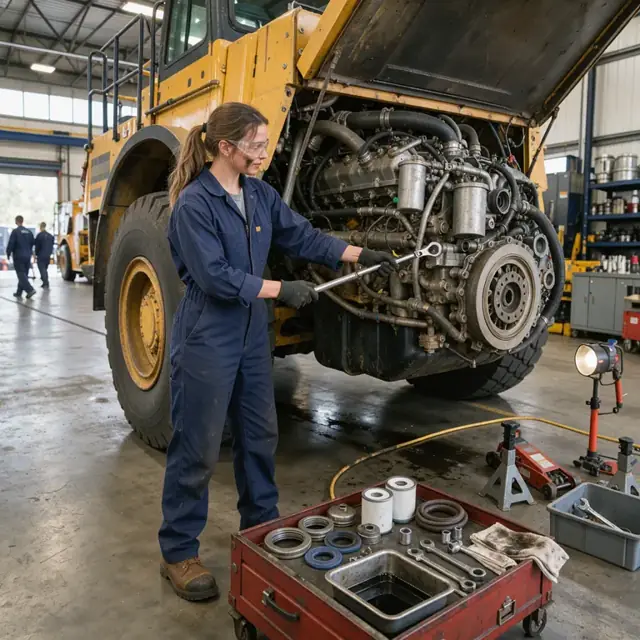
Fleet Maintenance Coordinator
Schedule preventive maintenance and track parts, fuel and equipment availability.
Works in: Ambitious Sheets, Ambitious Tasks, Process Optimizer · Workflows: Equipment maintenance and inventory
Automates
- Pulls hourly maintenance tasks for each machine
- Tracks parts inventory and reorder points
- Forecasts component replacements
- Updates fleet status for dispatch
Stops for a person
- Mechanics perform and sign off on all repairs
- The maintenance manager approves major expenditures
- Technicians confirm lockout/tagout procedures
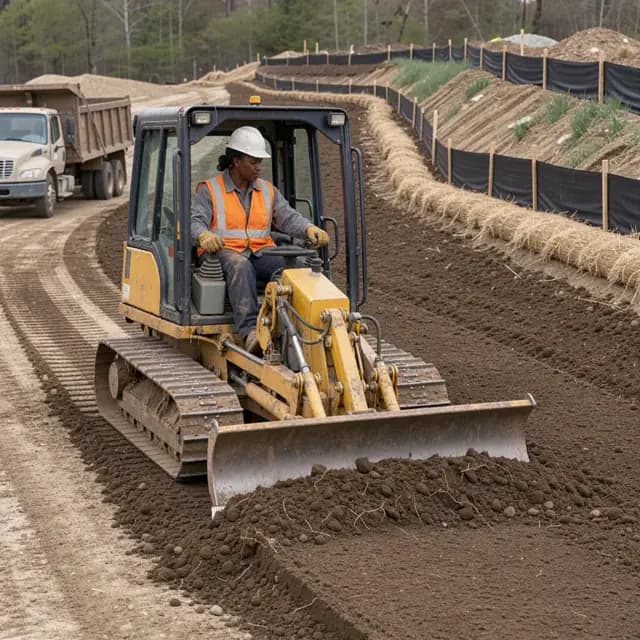
Reclamation Specialist
Track backfilling, seeding, monitoring and prepare bond release documentation.
Works in: Ambitious Docs, Ambitious Sheets, Ambitious Tasks · Workflows: Reclamation and bond release tracking
Automates
- Generates grading and seeding schedules by area
- Logs vegetation and water monitoring data
- Drafts quarterly reclamation reports
- Flags acres ready for regulatory inspection
Stops for a person
- The reclamation engineer approves all plans and reports
- A person collects and verifies monitoring well samples
- The mine manager submits all regulatory filings

Compliance and Permit Clerk
Maintain safety checklists, environmental sampling records and permit documentation.
Works in: Ambitious Docs, Ambitious Sheets, Ambitious Tasks · Workflows: Environmental and safety compliance
Automates
- Generates daily inspection checklists
- Compiles sampling and monitoring results
- Tracks permit expiration dates and renewal requirements
- Organizes records for MSHA and state inspections
Stops for a person
- The safety and environmental managers review all reports
- Trained personnel perform inspections and corrective actions
- People confirm and submit all regulatory filings
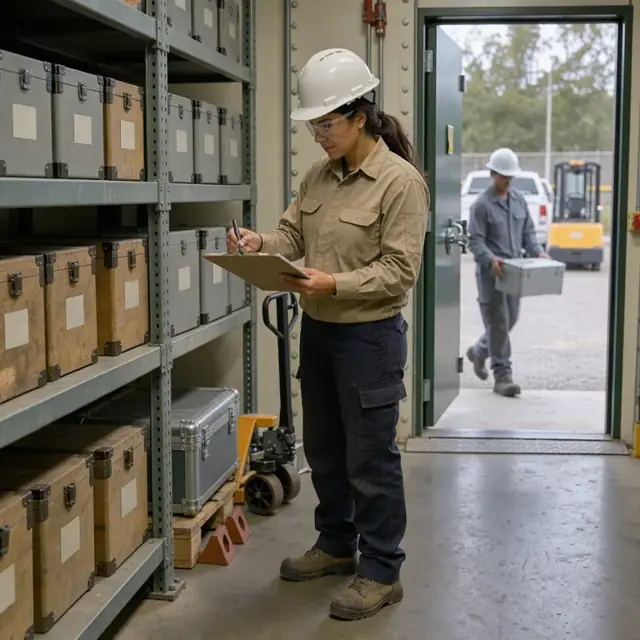
Supply and Explosives Inventory Manager
Track fuel, explosives, reagents and consumables and draft replenishment orders.
Works in: Ambitious Sheets, Ambitious Tasks, Ambitious Docs · Workflows: Fuel, explosives and supply inventory
Automates
- Reconciles usage against stock levels
- Forecasts needs for upcoming blasts and refueling
- Drafts purchase orders for approval
- Maintains explosive magazine and fuel tank logs
Stops for a person
- The mine manager approves all purchases and explosive orders
- A licensed blaster verifies explosive inventory and storage
- People perform physical inventory counts
Workflows
Drill and blast planning
Starts when: Weekly production schedule or after each shot
- Review the mine plan and next bench or seam targets
- Design blast pattern, burden, spacing and powder factor
- Draft the blast permit application with vibration predictions
- Schedule drill rigs and blasters for the pattern
- Create daily face map and safety exclusion zones
Watch for: Blast designs must stay within permitted vibration and airblast limits; Seismic monitoring data reviewed before next shot
Daily production dispatch and reporting
Starts when: Start of each shift
- Assign haul trucks, loaders, dozers and graders to pits and dump areas
- Record tons moved, coal loaded and overburden placed
- Track coal quality samples by seam and stockpile
- Log equipment hours, fuel use and downtime
- Draft shift report for management review
Watch for: Equipment must stay on approved haul roads and away from highwalls; Coal quality must meet contract specifications before loading
Loadout and shipping
Starts when: When coal is ready for transport or customer orders arrive
- Weigh trucks or rail cars at the scale house
- Sample and analyze each load for quality parameters
- Generate bills of lading and shipping manifests
- Update customer delivery schedules and inventory
- Record chain-of-custody and seal numbers
Watch for: Trucks and rail cars must be loaded to legal weight limits; Quality certificates required before release to customers
Equipment maintenance and inventory
Starts when: Daily, weekly and after 250/500/1000 hour intervals
- Pull preventive maintenance tasks from the fleet schedule
- Track parts usage and reorder thresholds for filters, tires and ground-engaging tools
- Log repair history and technician certifications
- Forecast major component replacements
- Update equipment availability for dispatch
Watch for: MSHA-compliant lockout/tagout and fire suppression checks required; Critical spares for shovels and draglines must be kept on site
Reclamation and bond release tracking
Starts when: After backfill reaches final grade and on seasonal windows
- Generate backfill, grading and topsoil replacement schedule
- Track seed mixes, mulch and erosion control measures by acre
- Log monitoring well data and vegetation surveys
- Draft quarterly reclamation reports for regulators
- Flag areas ready for bond release inspection
Watch for: Reclamation must follow approved post-mining land use plan; Topsoil and subsoil must be replaced in correct sequence
Environmental and safety compliance
Starts when: Daily inspections, monthly sampling and permit renewal dates
- Run daily water, dust and highwall inspection checklists
- Compile air and water quality sampling results
- Track permit conditions, training records and MSHA citations
- Draft renewal applications for blasting, NPDES and mining permits
- Organize documentation for annual reports and inspections
Watch for: Multiple overlapping permits with different expiration and reporting cycles; All corrective actions and incident reports must be reviewed by the mine manager
Fuel, explosives and supply inventory
Starts when: Weekly and after each major delivery
- Reconcile fuel, explosives and reagent stock against usage logs
- Forecast next blast and refueling needs
- Draft purchase orders for diesel, ANFO, parts and safety supplies
- Maintain MSDS and explosive storage logs
- Alert when minimum safety stock is reached
Watch for: Explosives magazine security and ATF compliance requirements; Fuel storage tanks subject to SPCC and secondary containment rules
Bot templates for this industry
- Surface Coal Mining (7 bots)
Source: U.S. Small Business Administration, Office of Size Standards, Table of Small Business Size Standards Matched to North American Industry Classification System Codes, version March 2023 (effective 2023-03-17, NAICS 2022). Size standards are shown for reference only.